Are you wondering if it’s okay to feed your adult dog puppy food? You might think that puppy food is just a tastier treat or an extra boost of nutrition.
But could it actually harm your furry friend? The answer isn’t as simple as you might expect. What you feed your dog affects their health, energy, and happiness. Keep reading to discover what happens when adult dogs eat puppy food and whether it’s a good idea for your pet’s well-being.
Credit: www.aquadagroup.com
Differences Between Puppy And Adult Dog Food
Understanding the differences between puppy and adult dog food helps you feed your dog properly. Puppy food supports rapid growth and development. Adult dog food maintains health and energy in mature dogs. Feeding the wrong type can affect your dog’s health and well-being.
Each type of food has a unique formula. These formulas meet the specific needs of dogs at different life stages. Let’s explore these differences in detail.
Nutritional Needs Of Puppies
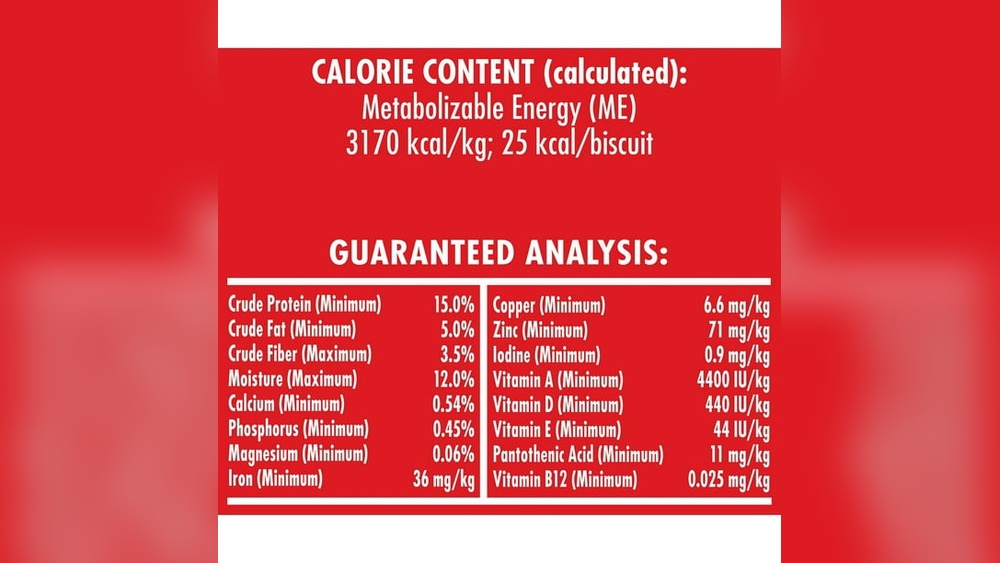
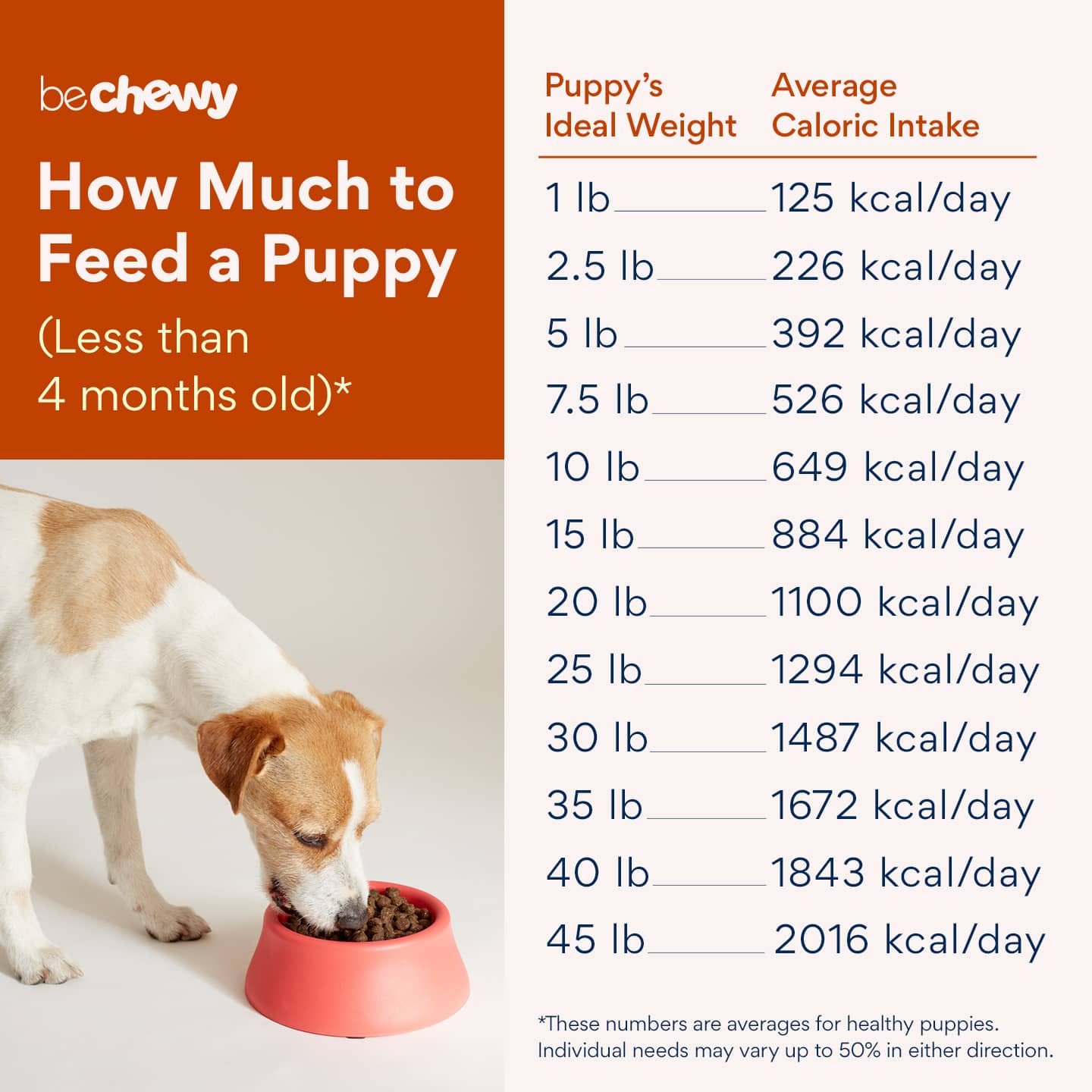
Puppies need more calories than adult dogs. Their bodies grow fast and burn energy quickly. Protein helps build strong muscles and tissues. Fat provides extra energy for play and learning. Puppies also need more vitamins and minerals for bones and immunity.
Nutritional Needs Of Adult Dogs
Adult dogs require fewer calories to avoid weight gain. Their growth has slowed, so energy needs drop. Protein remains important for muscle maintenance. Fat levels are lower to keep weight steady. Balanced vitamins and minerals support overall health and vitality.
Key Ingredients In Puppy Food
Puppy food contains higher protein and fat levels. It often includes DHA for brain and eye development. Calcium and phosphorus support strong bones and teeth. Ingredients focus on digestibility to aid young stomachs. These elements help puppies grow into healthy adults.
Potential Risks Of Feeding Puppy Food To Adults
Feeding puppy food to an adult dog may seem harmless. Puppy formulas have more calories and nutrients to support growth. Adult dogs, however, have different needs. Using puppy food for adults can cause problems. These risks affect your dog’s health and comfort.
Excess Calories And Weight Gain
Puppy food contains more calories than adult dog food. Adult dogs need fewer calories to stay healthy. Too many calories can lead to weight gain. Overweight dogs face health issues like joint pain and heart problems. Feeding puppy food can make your dog gain unhealthy weight fast.
Imbalance In Nutrient Intake
Puppy food has extra protein and fat for growth. Adult dogs do not need such high levels. This can cause an imbalance in their diet. Too much protein or fat strains the liver and kidneys. Long-term feeding can lead to organ problems. Proper nutrition is important for your dog’s longevity.
Digestive Issues And Sensitivities
Adult dogs may have trouble digesting puppy food. The rich ingredients can upset their stomach. Symptoms like diarrhea, vomiting, or gas may appear. Some dogs develop food sensitivities or allergies. Sticking to adult dog food helps keep their digestive system stable.
When Puppy Food Might Be Suitable For Adults
Puppy food is rich in nutrients to support growth and high energy. Some adult dogs might need this extra nutrition. It depends on their health and lifestyle. Certain adult dogs can benefit from puppy food for a limited time.
Understanding these situations helps you choose the right diet. Feeding puppy food to adults is not always harmful. It can be helpful in special cases. Here are some examples when puppy food might suit adult dogs.
Pregnant Or Lactating Dogs
Pregnant or nursing dogs need more calories and nutrients. Puppy food offers higher protein and fat levels. These help support the mother and her puppies. Feeding puppy food during this time can improve health. It provides energy needed for milk production.
Recovering From Illness Or Surgery
Dogs healing from illness or surgery need extra nutrition. Puppy food has ingredients that aid recovery. It supports muscle repair and immune function. Increased calories help maintain body weight during healing. This diet helps dogs regain strength faster.
Highly Active Or Working Dogs
Working or very active dogs burn more calories daily. They require a nutrient-rich diet to keep energy high. Puppy food’s higher fat and protein meet these needs. Feeding it can maintain stamina and muscle mass. It supports dogs with demanding physical tasks.
Signs Your Dog May Not Tolerate Puppy Food
Feeding puppy food to an adult dog might seem harmless. Yet, some dogs may not handle it well. Recognizing signs of intolerance helps keep your dog healthy. Watch your dog closely after changing their diet. Certain symptoms show that puppy food might cause problems.
Changes In Stool Quality
One clear sign is a change in your dog’s stool. Loose stools or diarrhea can appear. Stools that are too hard or dry may also occur. These changes mean your dog’s digestion is upset. Puppy food has more fat and calories, which can be hard to digest. Monitor your dog’s bathroom habits daily.
Behavioral Changes
Your dog’s mood can tell a lot. A dog not feeling well may seem tired or less active. Loss of appetite is another red flag. Some dogs may become irritable or restless. These changes suggest discomfort or stomach pain. Keep track of any unusual behavior after feeding puppy food.
Allergic Reactions
Allergies to puppy food ingredients can happen. Look for itching or redness on the skin. Swelling around the face or paws is also a concern. Sneezing or coughing might appear too. Allergic reactions need quick attention. Remove the food and consult your vet if these signs appear.
Transitioning Between Puppy And Adult Food
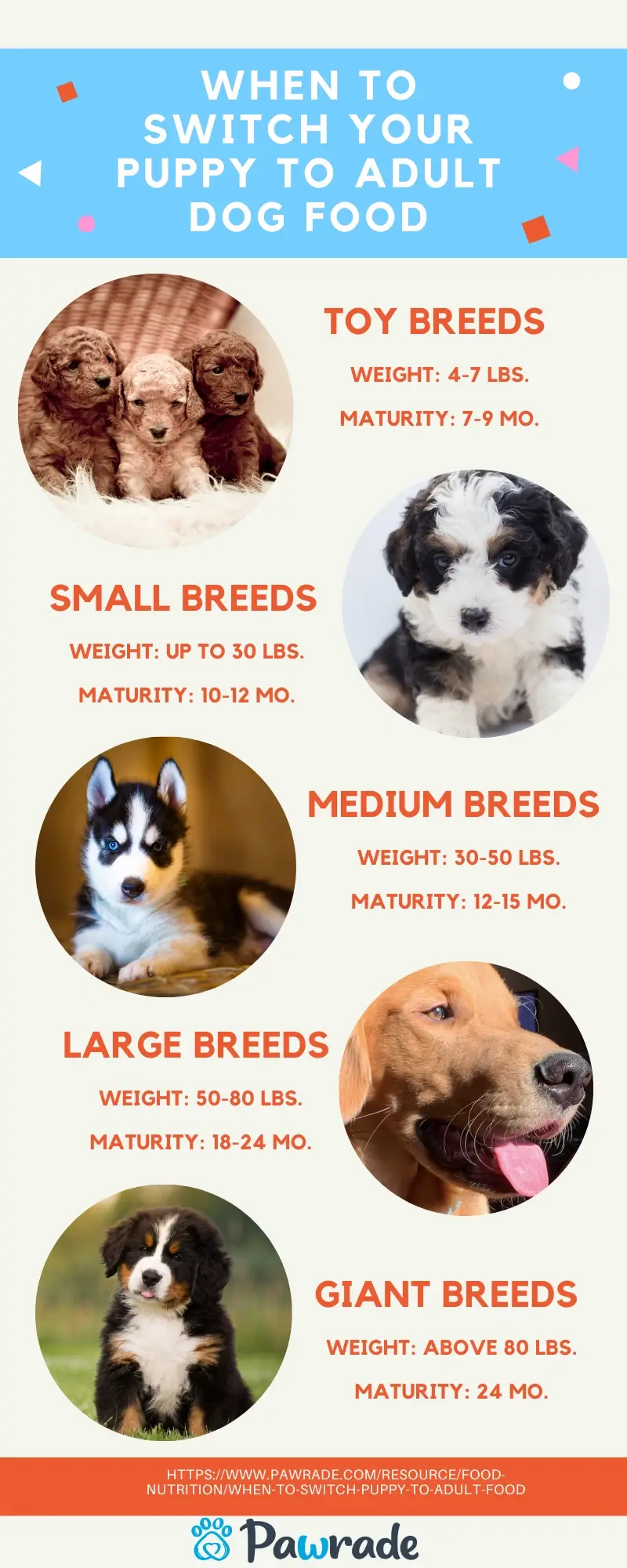
Switching your dog from puppy food to adult food requires care. This change affects their health and digestion. A smooth transition helps avoid stomach problems. It also ensures they get the right nutrients at every stage of life.
Timing is important. Dogs grow at different rates. Knowing when to change food helps keep them healthy and happy.
Gradual Food Changes
Switch food slowly over 7 to 10 days. Start by mixing a small amount of adult food with puppy food. Increase the adult food amount daily. This helps your dog’s stomach adjust. Sudden changes can cause diarrhea or upset stomach.
Monitoring Your Dog’s Response
Watch your dog closely during the change. Check for signs like vomiting, diarrhea, or loss of appetite. Also, look for changes in energy or behavior. These signs show how well your dog is handling the new food. If problems appear, slow the transition or pause it.
Consulting Your Veterinarian
Your vet knows your dog’s health history best. Ask them for advice on timing and type of adult food. They can recommend the right nutrition based on breed, size, and health. A vet’s guidance ensures your dog stays strong and healthy during the change.
Credit: labiosthetique.ee
Expert Recommendations For Adult Dog Diets
Feeding an adult dog requires thoughtful choices. Experts suggest diets tailored to adult dogs’ unique needs. Adult dogs have different energy and nutrient needs than puppies. Following expert advice helps keep your dog healthy and happy.
Choosing Age-appropriate Food
Adult dogs need food designed just for them. Puppy food has more calories and protein for growth. Too much of these can strain an adult dog’s body. Look for dog food labeled for “adult” dogs. It matches their energy and health needs better.
Balancing Nutrients For Health
Adult dogs require balanced nutrients for strong muscles and healthy organs. Protein, fats, vitamins, and minerals must be in the right amounts. Excess protein can cause kidney issues. Too little fat can reduce energy. Experts advise diets with moderate protein and fat levels.
Incorporating Treats And Supplements
Treats should not replace balanced meals. Use them sparingly and choose healthy options. Supplements can help with joint health or coat shine. Always check with a vet before adding supplements. They ensure your dog’s diet stays safe and complete.
Credit: www.raisedrightpets.com
Frequently Asked Questions
Will Feeding Puppy Food Harm My Adult Dog?
Feeding puppy food to an adult dog occasionally is generally safe but not ideal. Puppy food has more calories and nutrients meant for growth. Long-term feeding can cause weight gain and nutritional imbalances in adult dogs. Always transition to age-appropriate food for balanced nutrition.
Can Adult Dogs Digest Puppy Food Properly?
Adult dogs can digest puppy food, but it contains higher fat and protein. This extra richness may upset their digestive system. Some adult dogs may experience diarrhea or stomach discomfort. It’s best to provide food formulated specifically for adult dogs to support their health.
What Happens If An Adult Dog Eats Only Puppy Food?
If an adult dog eats only puppy food long-term, it may become overweight. The excess nutrients can strain organs like kidneys. Adult dogs don’t need the intense growth nutrients found in puppy food. Feeding age-appropriate food helps maintain ideal weight and overall health.
Is It Okay To Feed Puppy Food During Adult Dog Growth Spurt?
Adult dogs don’t have growth spurts like puppies, so puppy food isn’t necessary. Feeding puppy food during adulthood can lead to excess calorie intake. Instead, choose a balanced adult dog food that supports maintenance and activity levels.
Conclusion
Feeding adult dogs puppy food can cause weight gain and digestive issues. Adult dogs need balanced nutrition suited for their age. Puppy food has extra calories and nutrients meant for growing pups. Too much rich food may upset your dog’s stomach.
Always choose food designed for your dog’s current life stage. Talk to your vet before changing your dog’s diet. Healthy eating keeps your dog active and happy. Careful food choices support your dog’s long, healthy life.