

Are you wondering when it’s the right time to switch your furry friend to adult dog food? You want to make sure your dog gets the best nutrition at every stage of life.
Feeding your dog the wrong food too soon—or too late—can affect their health and happiness. You’ll discover clear signs and expert tips to help you know exactly when to make the change. Keep reading to give your dog the care they deserve!

Credit: www.poochandmutt.co.uk
Signs Your Dog Is Ready
Knowing when your dog is ready for adult food is important for their health. Puppies need special nutrition to grow strong. At a certain point, they need food made for adult dogs. Watch your dog closely for signs that show it is time to switch their diet.
Age Milestones For Adult Food
Most dogs start adult food between 9 and 12 months old. Small breeds may switch earlier, around 9 months. Large breeds often wait until 12 to 18 months. Breed size affects how fast they grow. Follow your vet’s advice about the right age.
Behavioral Changes To Watch
Your dog may seem less hungry or more calm as they grow. Puppies are very active and always hungry. When your dog slows down and eats less, it shows maturity. They may also lose some puppy energy. These changes can signal readiness for adult food.
Physical Growth Indicators
Check your dog’s body shape and weight. Puppies grow fast at first, then slow down. When your dog reaches close to full size, it is time. Their teeth also change from baby teeth to adult teeth. These physical signs help decide when to change food.
Credit: companionpethospital.com
Nutritional Needs At Different Stages
Nutritional needs change as dogs grow. Puppies have different diet needs than adult dogs. Feeding the right food helps dogs stay healthy and active. Understanding these needs prevents health problems later.
Puppy Vs Adult Dog Diets
Puppies need more calories for growth. Their food is richer in protein and fat. This supports strong bones and muscles. Adult dogs need fewer calories. Their diet keeps them fit and maintains weight. Feeding adult food too early can cause problems.
Essential Nutrients For Adult Dogs
Adult dogs need balanced nutrients every day. Protein helps keep muscles strong. Fats give energy and support skin health. Carbohydrates provide fuel for activity. Vitamins and minerals support the immune system and bones. Water is vital for all body functions.
Adjusting Portions And Frequency
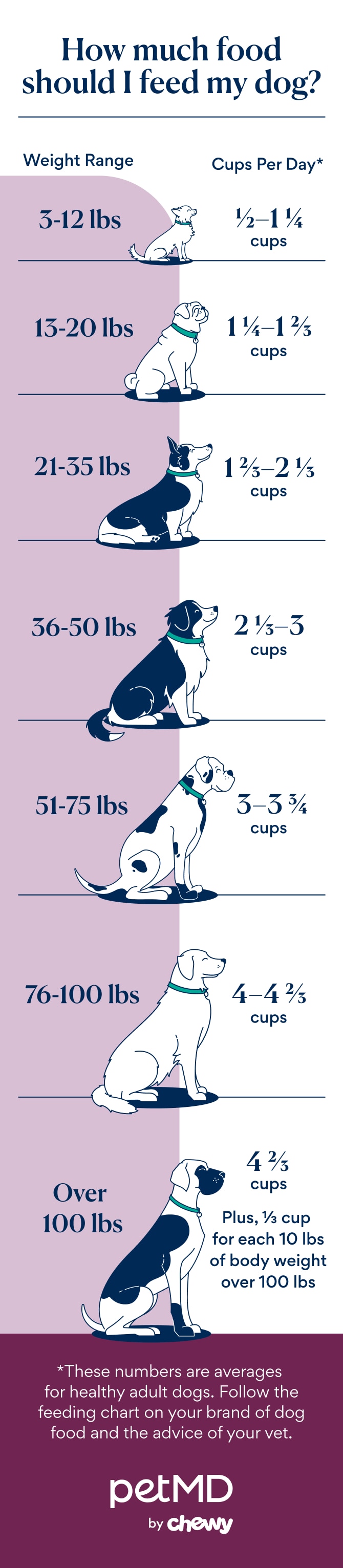
Adult dogs eat less than puppies. Divide their meals into two or three servings daily. Portion size depends on dog size and activity. Overfeeding can lead to obesity. Watch your dog’s weight and adjust food amounts. Consistent feeding times help digestion and behavior.
Expert Tips For Transitioning Food
Changing your dog’s food needs care and attention. Sudden switches can upset their stomach. Follow expert tips to make the change smooth and safe. This helps your dog enjoy their new food without problems.
Gradual Food Changes
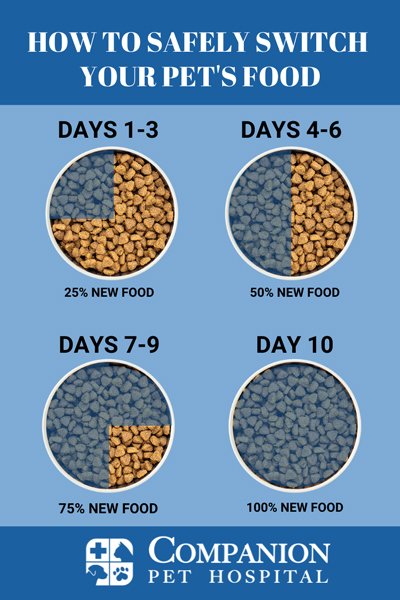
Start by mixing a small amount of adult food with the old food. Increase the new food slowly over 7 to 10 days. This lets your dog’s stomach adjust to the new diet. Avoid switching all at once to prevent digestive troubles.
Monitoring Digestive Responses
Watch for signs like vomiting, diarrhea, or constipation. Check if your dog has a good appetite and normal energy. Keep an eye on stool consistency and frequency. Any problems need attention and may mean slowing the transition.
Consulting Your Veterinarian
Talk to your vet before changing food, especially for puppies or sick dogs. Your vet can suggest the best type of adult food. They will advise on timing and portion sizes. Professional guidance ensures your dog’s health stays strong.
Common Mistakes To Avoid
Changing your dog’s food from puppy to adult is important. Many dog owners make mistakes that can cause health issues. Avoiding common errors helps your dog stay healthy and happy.
Switching Too Early Or Late
Changing food too early can upset your dog’s stomach. Puppies need nutrients for growth that adult food may lack. Switching too late means your dog may get too many calories. This can lead to weight problems. Watch your dog’s age and size for the right time to switch.
Ignoring Allergies And Sensitivities
Some dogs have food allergies or sensitivities. New adult food might cause itching or stomach upset. Always check ingredients before changing food. Introduce new food slowly to watch for reactions. Consult a vet if your dog shows signs of allergies.
Overfeeding During Transition
Many owners give too much food when switching. Overfeeding can cause weight gain and digestive problems. Mix puppy and adult food gradually over 7 to 10 days. This helps your dog’s system adjust without stress.
Special Considerations
Choosing the right time to switch your dog to adult food is important. Some dogs need special care before making this change. These special considerations help keep your dog healthy and happy. Pay close attention to your dog’s unique needs. This way, you can give the best food at the right time.
Breed-specific Needs
Different breeds grow at different rates. Large breeds may take longer to mature than small breeds. Large dogs need food with controlled calcium and calories. Small breeds need more energy-dense food. Some breeds have unique nutrient needs. Check breed guidelines or ask your vet for advice.
Health Conditions Affecting Diet
Health problems can change your dog’s diet needs. Dogs with allergies may need special ingredients. Dogs with kidney or liver issues need tailored diets. Overweight dogs may require lower calorie food. Always consult a vet before changing food with health concerns.
Lifestyle And Activity Level Impact
Active dogs burn more calories daily. They need food with more protein and fat. Less active dogs need fewer calories to avoid weight gain. Puppies in training or working dogs may need extra nutrients. Match food to your dog’s daily activity for best health.
Credit: www.petmd.com
Frequently Asked Questions
When Is The Right Age To Give Adult Dog Food?
Dogs usually transition to adult food at 12 months. Small breeds may switch earlier, around 9 months. This change supports their growth needs and energy levels as puppies mature into adults.
How To Tell If My Dog Is Ready For Adult Food?
Watch for steady weight, full vaccination, and stable energy. Consult your vet to ensure your dog’s development suits adult food. Proper timing avoids nutrition gaps or excesses.
Can I Mix Puppy And Adult Food During Transition?
Yes, gradually mix adult food with puppy food over 7-10 days. This helps your dog adjust to new nutrients and taste without stomach upset.
What Are Signs My Dog Needs Adult Food Earlier?
If your dog’s growth slows and they lose puppy energy, it may be time. Also, vet advice based on breed and health can indicate readiness.
Conclusion
Adult dog food suits your pet after their first year. It provides balanced nutrition for their growing needs. Watch your dog’s weight and energy to decide the right time. Switching too soon may cause digestive issues. Always choose quality food made for adult dogs.
Consult your vet if unsure about the change. Feeding the right food helps your dog stay healthy and happy. Keep an eye on their reaction after switching foods. A good diet supports a long and active life. Trust your instincts and care for your dog’s needs.


