

Are you worried that feeding your puppy adult dog food might cause constipation? You’re not alone.
When it comes to your puppy’s health, every meal matters. What you feed them can make a big difference in how comfortable and happy they feel. If your puppy seems a bit blocked up or isn’t going to the bathroom like usual, you might be wondering if their food is to blame.
Keep reading, because understanding the link between adult dog food and puppy digestion could save your furry friend from discomfort—and help you make the best feeding choices.

Credit: www.amazon.com
Puppy Digestive Needs
Puppy digestive needs differ greatly from adult dogs. Their stomachs and intestines are still developing. This makes their digestion more sensitive. Feeding adult dog food to puppies can cause digestive problems. Understanding these needs helps keep puppies healthy and comfortable.
Puppies require specific nutrients and a gentle diet. Their digestive systems cannot handle all adult dog food ingredients. Knowing the differences in digestion and nutrition is important for their growth.
Differences Between Puppy And Adult Digestion
Puppies have shorter digestive tracts than adults. This means food moves faster through their system. Their stomach acid is less strong, which affects digestion. Puppies produce fewer digestive enzymes. These enzymes help break down food properly.
Adult dog food often has more protein and fat. Puppies may struggle to digest these higher levels. Adult food may also lack fiber types that puppies need. This can lead to constipation or upset stomachs.
Nutritional Requirements For Puppies
Puppies need more calories than adult dogs. They require extra protein for muscle and tissue growth. Fat is also important for energy and brain development. Puppies need vitamins and minerals to support bones and immunity.
Special puppy formulas include balanced nutrients and digestible ingredients. These support healthy digestion and prevent constipation. Feeding the right food helps puppies absorb nutrients well. This ensures steady growth and good health.
Credit: kalinaki.com
Adult Dog Food Ingredients
Adult dog food has ingredients designed for grown dogs. These ingredients support adult dogs’ energy and health needs. Puppies have different nutritional needs. Their bodies are still growing and developing. Feeding a puppy adult dog food might cause digestive issues like constipation. Understanding the ingredients in adult dog food helps explain why.
Common Components In Adult Dog Food
Adult dog food usually contains protein, fats, and carbohydrates. Protein sources include chicken, beef, and fish. Fats come from animal or plant oils. Carbohydrates come from grains or vegetables. Vitamins and minerals are added for overall health. Some adult dog foods have preservatives to keep food fresh. These ingredients work well for adult dogs but might be too strong for puppies.
Fiber Content And Its Role
Fiber is an important part of adult dog food. It helps keep digestion regular in adult dogs. Common fiber sources include beet pulp, rice bran, and pumpkin. Fiber adds bulk to stool, making it easier to pass. Puppies need less fiber than adult dogs. Too much fiber can slow a puppy’s digestion. This might lead to constipation or stomach upset. Checking fiber content is important when feeding puppies adult dog food.
Constipation Causes In Puppies
Constipation in puppies can cause discomfort and health issues. Understanding the causes helps prevent it. Several factors may lead to constipation. Some relate to diet, while others involve health problems.
Diet-related Triggers
Puppies need food made for their age and size. Adult dog food has different nutrients and fiber levels. Low fiber can slow digestion and harden stools. Too little water also causes constipation. Sudden diet changes upset the puppy’s stomach. Feeding bones or table scraps may block their intestines.
Other Health Factors
Some health issues cause constipation in puppies. Dehydration reduces stool moisture and slows bowel movements. Pain or injury may make puppies avoid going to the bathroom. Parasites can block the intestines or cause swelling. Certain medications also affect digestion. Always watch for signs of illness or discomfort.

Credit: kohapet.com
Effects Of Adult Food On Puppy Digestion
Puppies have different nutritional needs than adult dogs. Their digestive systems are still developing. Adult dog food may not have the right balance of nutrients for puppies. This can lead to digestive problems, including constipation.
Adult food often contains more protein and fat than puppy food. Puppies may find it hard to digest these ingredients. The fiber content in adult food is usually lower, which can slow down digestion. This may cause stool to become hard and difficult to pass.
Potential Risks Of Feeding Adult Food To Puppies
Feeding adult dog food to puppies can upset their digestion. It might cause stomach pain or diarrhea. Constipation is also a common risk. The lack of essential nutrients affects gut health. This can lead to poor growth and weak immunity. Puppies need food made specifically for their stage of life.
Signs Of Constipation In Puppies
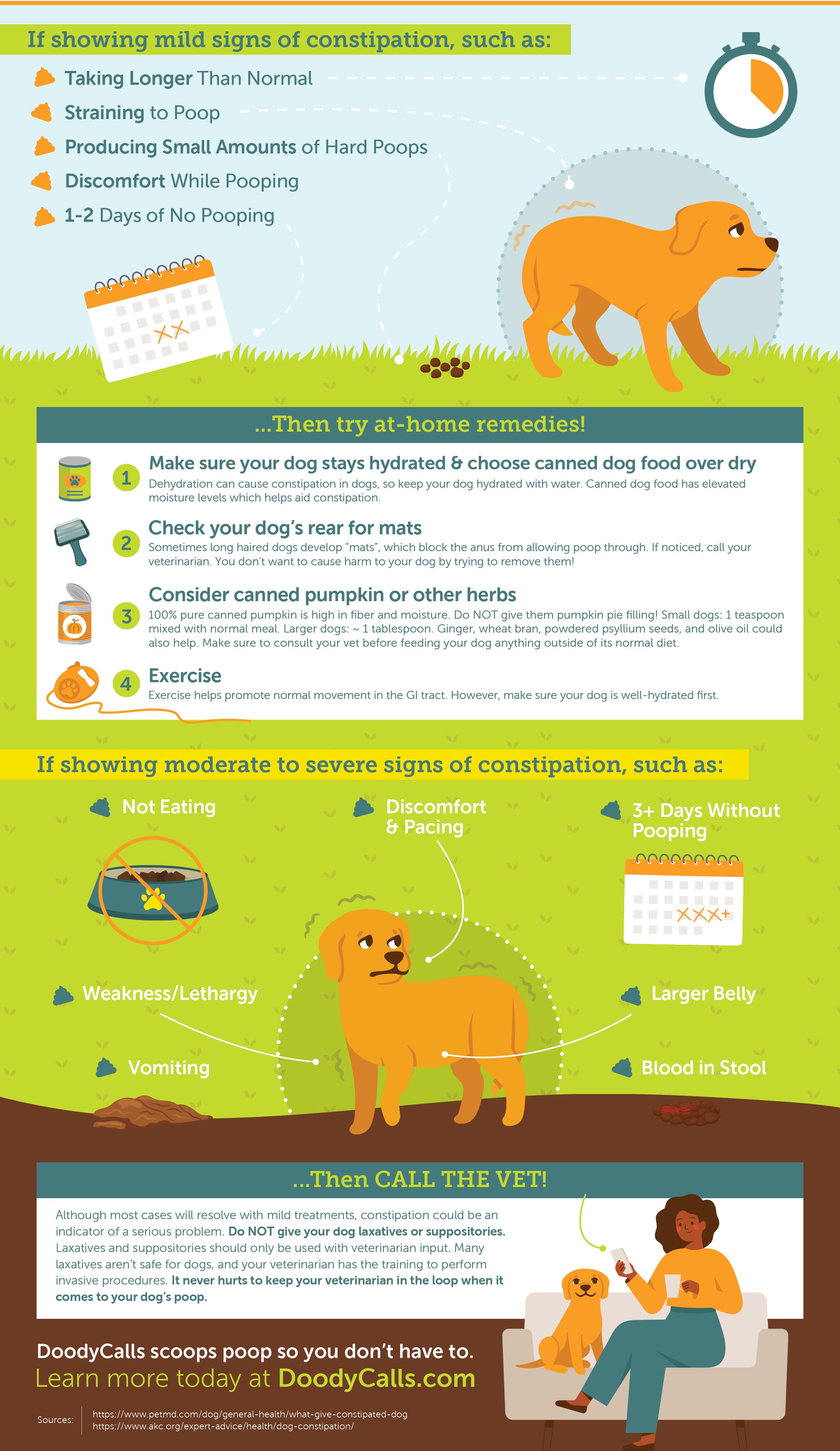
Watch for signs that your puppy is constipated. Straining during bowel movements is a clear sign. Puppies may have dry, hard stools. They might poop less often than usual. A swollen belly or discomfort can also indicate constipation. If you notice these signs, changing their diet may help.
Safe Feeding Practices
Safe feeding practices are key to keeping your puppy healthy. Puppies have sensitive stomachs. Feeding them the right food helps avoid problems like constipation. It also supports their growth and energy needs. Understanding how to feed your puppy safely makes a big difference.
Transitioning Between Foods
Switching foods too fast can upset your puppy’s digestion. Start by mixing a small amount of new food with the old. Slowly increase the new food over 7 to 10 days. Watch for signs of stomach upset or constipation. This slow change helps your puppy adjust without discomfort.
Recommended Puppy Diets
Puppies need food made just for them. Puppy diets have extra nutrients for healthy bones and muscles. Look for foods labeled “complete and balanced” for puppies. Avoid feeding adult dog food only, as it lacks important nutrients. Good puppy food supports proper digestion and prevents constipation.
When To Consult A Vet
Knowing when to consult a vet is important if your puppy shows signs of constipation. Puppies can face digestive problems that need expert care. Acting early can prevent serious health issues. Watch your puppy’s behavior and stool closely. Be ready to seek help when symptoms persist or worsen.
Persistent Digestive Issues
Constipation lasting more than two days needs a vet’s attention. If your puppy strains to poop or has hard stools often, get help. Loss of appetite or lack of energy with constipation is a warning sign. Digestive problems that do not improve could indicate underlying illness. Vets can provide medicines or advice for safe relief.
Emergency Symptoms To Watch For
Call a vet immediately if your puppy vomits repeatedly or has bloody stool. Severe abdominal pain or swelling also needs urgent care. If your puppy becomes weak or collapses, do not wait. These signs may show a serious blockage or illness. Quick veterinary help can save your puppy’s life.
Frequently Asked Questions
Can Adult Dog Food Cause Constipation In Puppies?
Yes, adult dog food can cause constipation in puppies. It may lack the right fiber and nutrients needed for their digestion. Puppies require specially formulated food to support healthy bowel movements and growth.
How Does Adult Dog Food Affect Puppy Digestion?
Adult dog food is often richer and less digestible for puppies. This can slow their digestion and lead to constipation or stomach upset. Puppies need food designed for their sensitive digestive systems.
What Are Signs Of Constipation In Puppies?
Signs include infrequent, hard stools, straining during bowel movements, and discomfort. A constipated puppy may also show lethargy or loss of appetite. Prompt dietary adjustments can help relieve symptoms.
Should Puppies Be Fed Adult Dog Food Sometimes?
It’s best to avoid feeding puppies adult dog food regularly. Puppies require balanced nutrition for growth that adult formulas don’t provide. Occasional feeding may not harm but isn’t recommended.
Conclusion
Feeding adult dog food to a puppy can cause constipation. Puppies need food made just for their age. Their bodies digest food differently than adult dogs. Always choose puppy food to keep their digestion smooth. Watch for signs like hard stools or straining.
Drinking plenty of water also helps prevent constipation. Consult your vet if problems continue. Healthy eating supports your puppy’s growth and happiness. Keep their diet simple and suited to their needs. This helps avoid tummy troubles and keeps them active.
Puppies thrive best on proper nutrition every day.


