

You want the best for your dog, and choosing the right food is a big part of that. But have you ever wondered if a grain free diet is actually good for your furry friend?
It sounds healthy, right? No grains, no fillers—just pure nutrition. Yet, what if this popular choice is doing more harm than good? Keep reading, because understanding why a grain free diet might be bad for your dog could save them from serious health problems.
Don’t let a well-meaning decision put your dog at risk. Let’s dive into the facts you need to know.
Grain Free Diet Basics
Grain free diets for dogs have gained attention in recent years. Many pet owners believe these diets are healthier. Understanding the basics helps to see why grain free may not be best. It is important to know what grain free food means and why it became popular.
What Is Grain Free Food
Grain free dog food does not contain wheat, corn, rice, or barley. These foods replace grains with other ingredients like potatoes or peas. The idea is to avoid grains that some dogs may find hard to digest. Grain free diets focus on protein and vegetables instead of grains.
Popularity Among Dog Owners
Many dog owners choose grain free food to avoid allergies or stomach issues. Some believe grains cause inflammation or weight gain. Marketing and word of mouth increased grain free diet demand. Pet owners want the best for their dogs and try grain free options often.
Common Ingredients In Grain Free Dog Food
Grain free dog foods often replace grains with other ingredients. These alternatives aim to provide energy and nutrients without traditional grains. Understanding these common ingredients helps reveal potential issues with grain free diets.
Many grain free recipes use different sources for carbohydrates and protein. These choices affect the dog’s digestion and overall health. Some ingredients may cause allergies or nutrient imbalances.
Alternative Carbohydrate Sources
Grain free dog foods usually include peas, lentils, or potatoes instead of rice or corn. These ingredients provide carbs but differ in fiber and starch content. Some dogs may find these harder to digest.
Soy and chickpeas are also common. They add protein and carbs but can cause allergic reactions in sensitive dogs. These plant-based carbs have different nutrient profiles than grains.
Protein Content Variations
Grain free formulas often increase protein levels to compensate for missing grains. Meat, fish, and eggs are common protein sources. The quality and amount of protein vary widely.
Some grain free foods use more plant proteins like peas or lentils. These may lack certain essential amino acids needed for dogs. Protein balance is crucial for healthy muscles and organs.
Health Risks Linked To Grain Free Diets
Grain free diets for dogs have gained popularity, but they come with health risks. Many pet owners do not know these diets can harm dogs. Understanding these risks helps in making safer food choices for pets.
Dilated Cardiomyopathy (dcm) Concerns
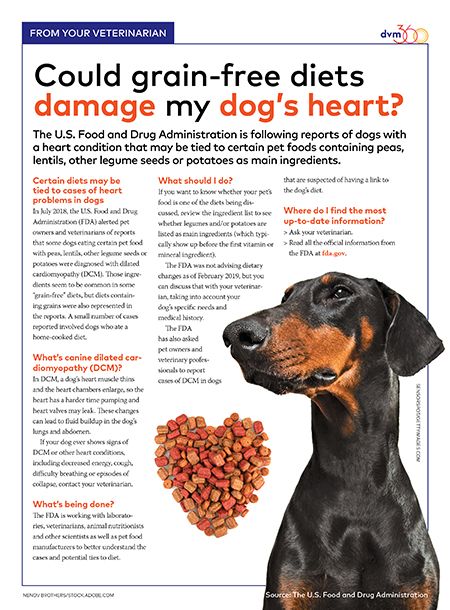
DCM is a serious heart disease that affects dogs. Studies link grain free diets to a higher risk of DCM. This disease weakens the heart muscle and reduces its ability to pump blood. Dogs with DCM may show tiredness, coughing, or difficulty breathing. Some grain free foods lack important nutrients like taurine, which supports heart health. This lack can contribute to DCM development.
Nutritional Imbalances
Grain free diets often replace grains with peas, lentils, or potatoes. These ingredients may not provide all essential nutrients. Dogs need a balanced mix of proteins, fats, vitamins, and minerals. Missing or low nutrients can cause health problems over time. Some grain free foods may have too much fiber, upsetting nutrient absorption. This imbalance can weaken the dog’s immune system and overall health.
Digestive Issues
Grains help support healthy digestion in dogs. Without grains, some dogs face digestive problems. These issues include gas, diarrhea, and upset stomach. Grain free diets may change gut bacteria, harming digestion. A poor gut balance can reduce nutrient absorption and cause discomfort. Dogs with sensitive stomachs may especially struggle on grain free diets.
Credit: janyafertilityclinic.com
Scientific Studies And Findings
Scientific studies and findings provide clear insights into the effects of grain free diets on dogs. Researchers and experts have examined this diet closely. They have uncovered risks and concerns linked to grain free food. These studies help pet owners make better choices for their dogs’ health.
Fda Investigations
The FDA started investigating cases of heart disease in dogs. This disease, called dilated cardiomyopathy (DCM), appeared in dogs eating grain free food. The agency collected data and tested many dog foods. They found some grain free diets may lack key nutrients. These missing nutrients can harm dogs’ heart health.
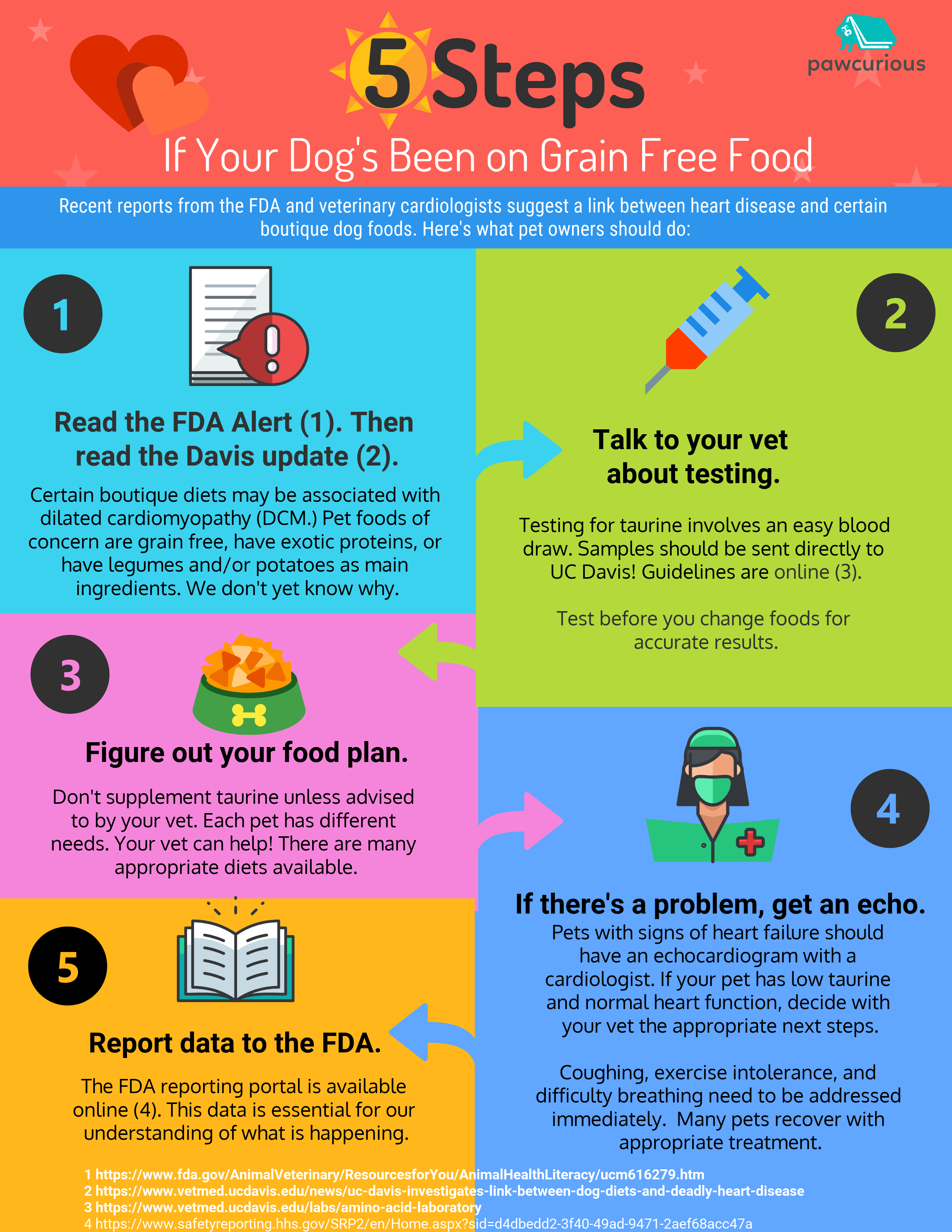
The FDA warned pet owners and vets about these risks. They urged caution when choosing grain free diets. The investigation showed that not all grain free foods are safe. Careful selection and consultation with vets are important.
Recent Research Insights
Recent studies confirm concerns from the FDA. Research shows grain free diets often have less taurine. Taurine is vital for a dog’s heart and muscle function. Low taurine levels can cause serious heart problems. Some dogs on grain free diets developed DCM symptoms.
Scientists also found that grains provide important nutrients. These nutrients support digestion and overall health. Grain free diets can miss these benefits. Researchers suggest balanced diets with grains are safer for dogs. They recommend more research to fully understand long-term effects.
Misconceptions About Grains In Dog Food
Many dog owners believe grains cause health problems in dogs. This idea makes some avoid grains completely. These beliefs come from misunderstandings about dog nutrition. Grains are often blamed without clear evidence. Knowing facts about grains helps make better diet choices for dogs.
Are Grains Harmful?
Grains are not harmful to most dogs. They provide energy and nutrients dogs need. Some dogs have allergies, but this is rare. Most dogs digest grains easily without trouble. Grain-free diets do not always mean healthier food. Removing grains can lead to missing important nutrients.
Benefits Of Whole Grains
Whole grains offer fiber, vitamins, and minerals. Fiber helps digestion and keeps dogs’ stomachs healthy. Vitamins from grains support skin, coat, and immune health. Minerals like iron and magnesium come from grains too. Including whole grains can improve a dog’s overall diet balance.

Credit: www.jrai.net
Choosing The Right Diet For Your Dog
Choosing the right diet for your dog is very important. Dogs need balanced meals to stay healthy and happy. Not all diets fit every dog’s needs. Some diets might cause problems instead of helping. Understanding what goes into your dog’s food helps you make smart choices.
Dogs require nutrients like proteins, fats, vitamins, and minerals. Grains often provide energy and fiber. Skipping grains without proper substitutes can affect digestion and energy levels. Each dog’s body reacts differently to certain foods. Careful selection ensures your dog gets what it truly needs.
Consulting With Veterinarians
Veterinarians know about dog health and nutrition. They can suggest the best diet for your dog’s age, size, and health. Discuss any diet changes with them first. They help avoid diets that might harm your dog. Regular check-ups allow diet adjustments as your dog grows.
Reading Dog Food Labels Carefully
Labels show what is inside the dog food. Look for ingredients that provide good nutrition. Avoid foods with too many fillers or artificial additives. Check for sources of protein and fiber. Understanding labels helps prevent feeding harmful or incomplete diets. This keeps your dog strong and active.
Signs Your Dog May Be Affected
Dogs on a grain free diet can show signs of health problems. These signs may appear slowly or suddenly. Knowing what to watch for helps protect your dog’s health. Pay close attention to changes in behavior or body.
Symptoms To Watch For
Look for tiredness or weakness. Your dog may lose weight without trying. Digestive issues like vomiting or diarrhea can appear. Watch for itchy skin or hair loss. Some dogs may cough or have breathing trouble. Poor appetite and slow healing wounds are important signs. Changes in mood, such as irritability, can also show a problem.
When To Seek Veterinary Help
Visit a vet if symptoms last more than a few days. Sudden breathing problems need immediate care. If your dog stops eating or drinking, get help fast. Severe vomiting or diarrhea is a warning. Weakness that makes walking hard needs a checkup. Early treatment can stop serious damage. Always trust your instincts about your dog’s health.
Alternatives To Grain Free Diets
Choosing the right food for your dog is very important. Grain free diets are popular but not always the best choice. Many dogs do well with foods that include grains. There are good alternatives to grain free diets that keep your dog healthy and happy.
Balanced Diet Options
A balanced diet includes proteins, grains, fats, and vitamins. Whole grains like brown rice and oats provide energy and fiber. They help with digestion and keep the gut healthy. Dogs need a variety of nutrients from different food groups. This balance supports strong muscles and a shiny coat.
Specialized Diet Plans
Some dogs need special diets for allergies or health issues. These plans may limit certain ingredients but still include grains. Veterinarians can help create a diet that fits your dog’s needs. Special diets focus on nutrition and avoid unnecessary restrictions. This approach keeps dogs safe and well-nourished.
Credit: www.lucautosrl.it
Frequently Asked Questions
Why Is Grain Free Diet Harmful For Dogs?
A grain free diet can lack essential nutrients found in grains. It may cause nutritional imbalances and digestive issues in dogs. Some studies link grain free diets to heart problems like dilated cardiomyopathy (DCM). Always consult a vet before changing your dog’s diet.
Can Grain Free Diets Cause Heart Problems In Dogs?
Yes, grain free diets have been associated with dilated cardiomyopathy (DCM). This heart condition weakens the heart muscle and affects blood flow. The FDA has warned about this link, especially in certain dog breeds. Balanced nutrition is key to preventing such health risks.
Are Grains Bad For Dogs’ Digestion?
No, grains are generally good for dogs’ digestion. They provide fiber and essential nutrients that support gut health. Removing grains can lead to poor digestion and nutrient deficiencies. Many dogs digest grains well unless they have allergies or specific sensitivities.
Do Dogs Need Grains In Their Diet?
Dogs don’t need grains, but grains add valuable nutrients. They provide carbohydrates, fiber, vitamins, and minerals. Grain free diets must be carefully balanced to avoid nutrient gaps. Including grains often supports overall health and energy for most dogs.
Conclusion
Grain free diets may cause health problems for dogs. Dogs need a balanced diet with all nutrients. Grains provide important energy and fiber for dogs. Cutting grains can lead to heart issues and poor digestion. Talk to your vet before changing your dog’s food.
Choose diets that support your dog’s overall health. Remember, not all dogs need grain free food. Healthy dogs stay happy and active every day. Choose wisely for your furry friend’s long life.

