

Have you ever wondered if different dog breeds are actually different species? With so many shapes, sizes, and personalities, it’s easy to think they might be more different than they really are.
But what does science say? Understanding this can change how you see your furry friend and even how you care for them. Keep reading, and you’ll discover surprising facts that will make you look at dogs in a whole new way.
Dog Breeds Vs Species
Many people wonder if dog breeds are different species. The answer lies in understanding what makes a species and what defines a breed. Dogs come in many shapes and sizes, but they all belong to the same species. This section explains the key differences between dog breeds and species.
Definition Of Species
A species is a group of living things that can mate and produce fertile offspring. Species share similar genes and traits. Different species cannot usually reproduce together. For example, dogs and wolves are different species, but they can still mate. However, their offspring might not always be fertile.
What Constitutes A Breed
A breed is a specific group within a species. Breeds have distinct physical traits and behaviors. These traits are passed down through controlled breeding. All dog breeds belong to the species Canis lupus familiaris. Breeds differ in size, color, and temperament but can easily mate with one another. This shows they are not separate species, just variations within one species.
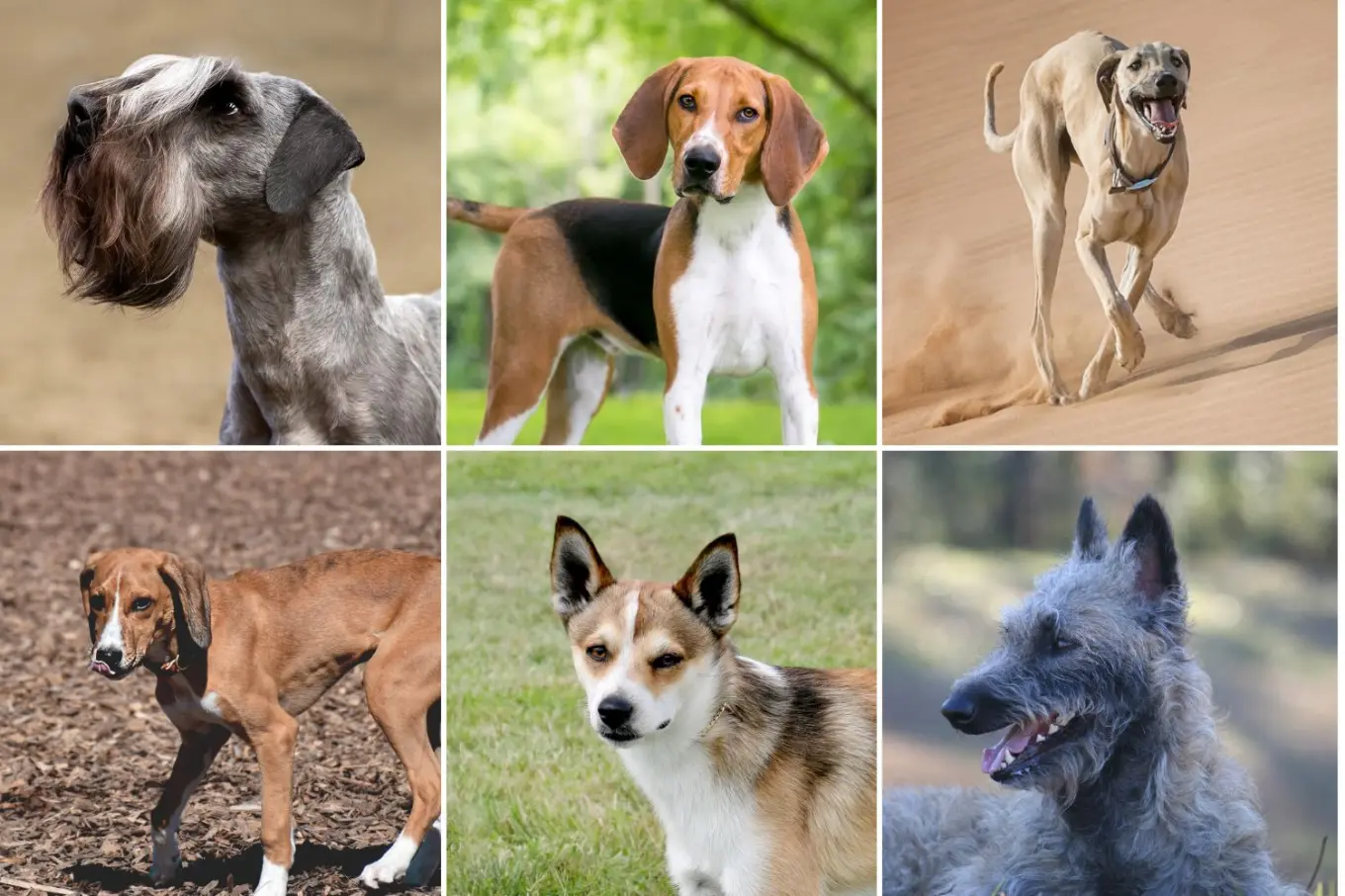
Credit: www.newsweek.com
Genetic Similarities Among Dogs
Dogs may look very different from each other. Yet, their genetics tell a different story. All dog breeds share many genetic traits. This shows they belong to the same species. Understanding these genetic similarities helps us learn about dog breeds and their origins.
Dna Comparisons Across Breeds
Scientists compare DNA from different dog breeds. They find that all dogs have very similar DNA. Differences between breeds are small. These minor changes affect things like size and coat color. Despite these differences, the core DNA stays the same across breeds.
Breed Variation And Genetics
Breed variation comes from selective breeding by humans. This changes some genes to create specific traits. These traits include fur type, body shape, and behavior. Yet, all breeds still share most of their genetic code. This means breeds are variations of one species, not separate species.
How Breeds Developed
Dog breeds did not appear by chance. They developed over many years through careful choices. Humans played a big role in shaping different dog types. Each breed has its own traits and looks. These traits come from a long process of breeding.
This process helped create dogs that fit specific needs. Some dogs were bred for hunting. Others for guarding or herding. The variety we see today comes from this history.
Selective Breeding History
Selective breeding started thousands of years ago. People picked dogs with traits they liked. Those dogs then mated to pass on good traits. This repeated over many generations. It made dogs stronger, faster, or better at tasks. For example, greyhounds were bred to run fast. Bulldogs were bred to be tough and strong.
Each breed’s look and skill comes from this careful selection. Over time, these traits became more clear and defined. This created the many dog breeds known today.
Role Of Human Intervention
Humans guided dog breeding to meet specific goals. They chose which dogs to mate based on looks or behavior. This control made breeds more uniform. It also helped keep useful traits within each breed.
Human intervention shaped dogs to fit roles in society. Dogs became helpers, workers, or companions. This close relationship helped breeds develop quickly. Without humans, dog breeds would not be so varied.

Credit: en.wikipedia.org
Canine Species Classification
Understanding how dogs fit into the animal kingdom helps clear common doubts. Many wonder if different dog breeds are separate species. The answer lies in how scientists classify canines. This classification explains why all dogs, from Chihuahuas to Great Danes, belong to one species.
Canine species classification groups animals based on shared traits and ancestry. It shows the close relationship between all dog breeds. This system also compares dogs to their wild relatives, helping us see their true biological connections.
Scientific Classification Of Dogs
Dogs belong to the family Canidae, which includes wolves, foxes, and other dog-like animals. Their species name is Canis lupus familiaris. This means domestic dogs are a subspecies of the gray wolf. All dog breeds fall under this single species classification.
Breed differences come from selective breeding, not species changes. Physical traits, size, and behavior vary, but genetic differences stay small. Dogs share most of their DNA because they have the same species origin.
Comparison With Other Canids
Dogs differ from other canids like wolves and foxes by species. Wolves belong to Canis lupus, while foxes belong to different genera. Dogs and wolves can interbreed because of their close species relation. Foxes cannot breed with dogs due to greater genetic differences.
This comparison shows why dog breeds are not separate species. They share a species with wolves but differ from other canids. Understanding these relations helps explain canine diversity and classification.
Impact Of Breed Differences
Breed differences shape how dogs act and look. These differences come from many years of selective breeding. Each breed has traits that fit certain roles or lifestyles. Understanding these traits helps owners choose the right dog.
Behavioral Traits
Different breeds show different behaviors. Some dogs are very active and love running. Others prefer calm and quiet time. Herding breeds watch over animals and follow commands well. Hunting breeds have strong instincts to track and chase. These natural behaviors affect training and care needs. Knowing a breed’s traits helps prevent behavior problems.
Physical Characteristics
Physical traits vary widely between breeds. Size is a major difference, from tiny Chihuahuas to large Great Danes. Coat type also changes; some dogs have short hair, others thick fur. Body shape affects how dogs move and what activities suit them. These features influence health risks and grooming needs. Recognizing physical traits guides proper care and health checks.

Credit: penntoday.upenn.edu
Misconceptions About Dog Breeds
Many people think dog breeds are different species. This idea causes confusion about dogs and their traits. Understanding the truth helps us appreciate dogs better.
Misconceptions about dog breeds can affect how people treat and care for dogs. Knowing facts clears up wrong ideas and helps us see dogs as one species with many variations.
Common Myths Debunked
One myth says breeds cannot mix because they are different species. This is false. All dog breeds belong to the same species and can breed with each other.
Another myth is that some breeds are more “pure” than others. This idea has no scientific basis. Breeds are just groups with certain traits, not separate species.
Why Breeds Aren’t Separate Species
Species are groups that cannot naturally breed with others. Dog breeds can interbreed and produce healthy puppies. This shows they are the same species.
Dogs belong to the species Canis lupus familiaris. Breeds are like different styles within this species. They share common ancestors and genes.
Frequently Asked Questions
Are Dog Breeds Classified As Different Species?
No, all dog breeds belong to the same species, Canis lupus familiaris. Breeds differ in traits but share species identity.
How Do Dog Breeds Vary If Not Species?
Dog breeds vary genetically and physically but can interbreed easily. Differences arise from selective breeding, not species separation.
Can Different Dog Breeds Produce Offspring?
Yes, all dog breeds can mate and produce fertile offspring. This confirms they belong to the same species.
Why Aren’t Dog Breeds Considered Separate Species?
Dog breeds share a common ancestor and can interbreed. Species classification depends on reproductive isolation, which dog breeds lack.
Conclusion
Dog breeds belong to the same species, Canis lupus familiaris. They have different looks and sizes but share common traits. Breeds can mate and have puppies together without issues. This shows they are not separate species. Understanding this helps us appreciate the variety in dogs.
It also clears up common confusions about breeds and species. Dogs remain one species, full of diversity and charm.


