Have you ever thought about turning your love for dogs into a meaningful career? Becoming a service dog trainer lets you do just that—helping people regain independence and improve their lives.
But where do you start? What skills do you need, and how can you make sure you’re doing it right? This guide will walk you through everything you need to know to become a successful service dog trainer. Keep reading, and you’ll discover the steps that can turn your passion into real impact.
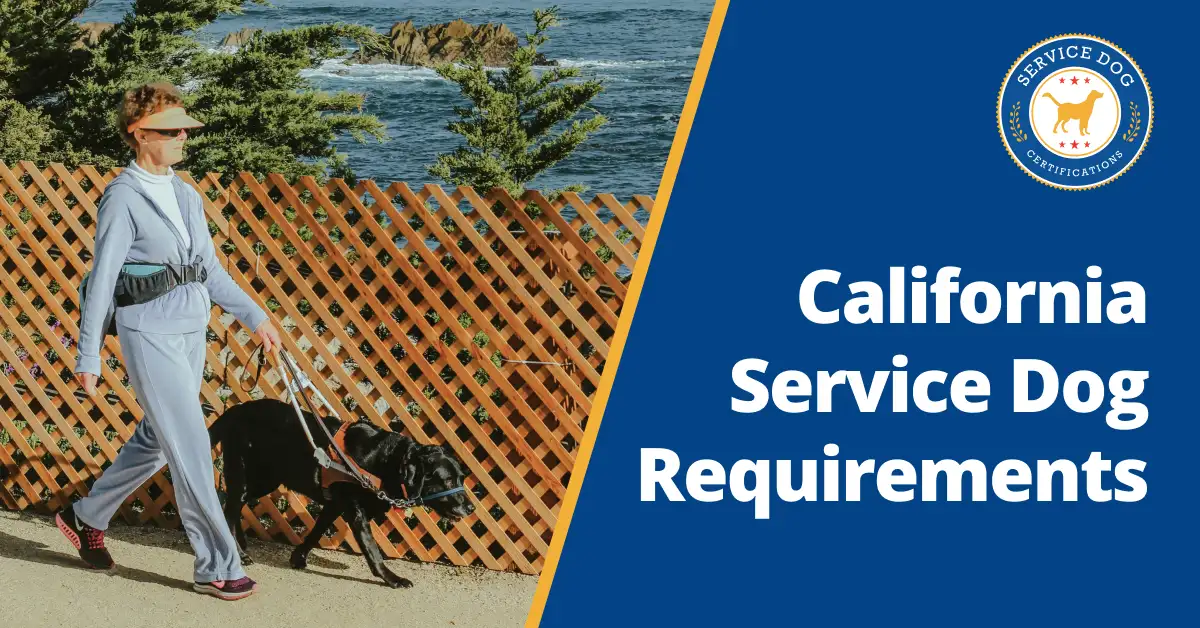
Credit: www.servicedogcertifications.org
Role Of A Service Dog Trainer
A service dog trainer plays a vital role in preparing dogs to help people with disabilities. These trainers teach dogs special skills to assist their handlers in daily life. The work requires patience, dedication, and a strong bond between the trainer and the dog.
Service dog trainers use methods that focus on positive reinforcement. They carefully select dogs with the right temperament and abilities. Trainers also guide owners on how to work with their service dogs safely and effectively.
Key Responsibilities
Service dog trainers teach dogs tasks like guiding, alerting, or fetching items. They assess each dog’s behavior and health regularly. Trainers design training programs that meet the needs of each handler. They also ensure dogs behave well in public places. Trainers work closely with families and medical professionals to understand handler needs.
Types Of Service Dogs
Service dogs serve many roles. Guide dogs help people with vision loss move safely. Hearing dogs alert people who cannot hear sounds. Medical alert dogs detect health issues like seizures or low blood sugar. Mobility assistance dogs help with tasks like opening doors or picking up objects. Each type requires special training to fit the handler’s needs.
Impact On Lives
Service dogs give people greater independence and confidence. They reduce anxiety and help manage daily challenges. Many handlers feel safer and more connected to the world. Trainers contribute to this positive change by preparing dogs well. The bond between handler and dog often grows strong and lasting.
Skills And Qualifications Needed
Becoming a service dog trainer requires specific skills and qualifications. These help trainers work well with dogs and the people who need them. Skills build trust and ensure the dog learns the right tasks.
Understanding the necessary traits, certifications, and experience is key. Each part plays a role in shaping a good trainer. Let’s explore the skills and qualifications needed to start this career.
Essential Personal Traits
Patience is very important. Training a service dog takes time and effort. Trainers must stay calm and positive during setbacks.
Good communication helps trainers explain tasks clearly. Trainers work with dogs and their owners. Being kind and understanding builds strong connections.
Attention to detail is critical. Trainers must notice small changes in behavior. This helps adjust training methods for better results.
Required Certifications
Certification shows a trainer has the right knowledge. Many organizations offer courses on service dog training. These courses cover dog behavior, safety, and training techniques.
Some places require specific licenses to work professionally. Check local rules before starting. Certification also improves trust with clients.
Experience And Training
Hands-on experience is the best teacher. Working with dogs daily builds skills fast. Many trainers start by volunteering or assisting experienced trainers.
Training programs often include practical work with real dogs. This prepares trainers for real-life situations. Ongoing learning helps trainers stay updated on new methods.
Education And Training Pathways
Starting a career as a service dog trainer requires gaining specific knowledge and skills. Education and training pathways guide beginners and experienced trainers alike. These pathways offer structured learning and hands-on experience. They help build confidence and expertise needed for success. Understanding these options helps you choose the right path.
Formal Courses And Programs
Many schools and organizations offer formal courses for service dog training. These courses cover dog behavior, training techniques, and legal rules. Some programs provide certifications upon completion. Formal education builds a strong foundation. It also offers access to expert instructors and resources. Courses may be online or in-person, depending on your needs.
Apprenticeships And Internships
Apprenticeships and internships provide real-world experience. You work alongside experienced trainers to learn daily tasks. This hands-on training helps develop practical skills fast. It also exposes you to different dog breeds and client needs. These opportunities often lead to valuable connections in the field. They are ideal for those who learn best by doing.
Continuing Education
Service dog training requires ongoing learning. New techniques and research appear regularly. Attending workshops and seminars keeps your skills sharp. Joining professional groups offers updates and support. Continuing education ensures trainers stay effective and knowledgeable. It shows commitment and professionalism to clients and employers.
Building Practical Experience
Building practical experience is key to becoming a skilled service dog trainer. Theory alone cannot prepare you for real-life challenges. Hands-on work helps you understand dog behavior and training methods better. It also builds your confidence and skills over time.
Volunteering Opportunities
Volunteering is a great way to gain experience without pressure. Many organizations need help with service dog training or care. You can assist with basic commands, socialization, or daily care. This exposure teaches you how service dogs learn and behave.
Working With Experienced Trainers
Learning directly from experienced trainers is invaluable. Watch their techniques and ask questions. They can show you how to handle difficult situations. This mentorship helps you avoid common mistakes and improve faster.
Hands-on Training Techniques
Practice is essential for skill development. Use positive reinforcement methods like treats and praise. Train different types of dogs to understand varied needs. Consistent practice sharpens your timing and communication with dogs.
Starting Your Service Dog Training Career
Starting a career as a service dog trainer requires careful planning and dedication. This path offers a chance to help people and dogs work together. The first steps involve building a solid foundation for your business. You will need to create a professional environment and connect with potential clients. Marketing your services effectively also plays a key role in your success. Below are important areas to focus on as you begin.
Setting Up A Training Business
Choose a clear business name and register it legally. Find a safe, quiet space for training sessions. Make sure it meets all local rules for animal care. Invest in quality training tools and equipment. Create a schedule that fits both your and your clients’ needs. Keep records of training progress and appointments. This helps you stay organized and professional.
Networking And Building Clients
Meet other trainers, veterinarians, and service dog organizations. Attend local events or join online groups related to dogs and training. Share your knowledge and ask for advice. Build trust by showing your skills and care for dogs. Ask satisfied clients for referrals and testimonials. Word of mouth is powerful for growing your client base.
Marketing Your Services
Create a simple website that explains your services clearly. Use photos and videos to show your training methods. Write blog posts or articles to educate readers about service dogs. Use social media to reach people who need your help. Offer free workshops or talks to gain attention. Always communicate clearly and respond quickly to inquiries.

Credit: www.animalbehaviorcollege.com
Challenges And Rewards
Becoming a service dog trainer brings both challenges and rewards. The work is demanding and requires patience. Trainers face obstacles that test their skills and dedication. At the same time, the joy of helping people and dogs is deeply fulfilling.
Common Obstacles
Training service dogs needs time and effort. Dogs learn at different speeds. Some behaviors take weeks to develop. Trainers must adapt to each dog’s needs. Handling setbacks is part of the job. Emotional stress can occur when progress slows. Physical stamina is important for daily training sessions. Finding clients and funding may also be difficult. Trainers need strong problem-solving skills to succeed.
Success Stories
Many trainers share inspiring success stories. Dogs learn to assist with daily tasks. They improve their owners’ independence and confidence. Trainers feel proud watching these transformations. A dog helping a person cross the street is a powerful moment. Each success motivates trainers to keep going. These stories show the real impact of the work. They remind trainers why they started.
Long-term Career Growth
Service dog training offers steady career growth. Experience leads to advanced training techniques. Trainers can specialize in different types of assistance dogs. Opportunities exist in schools, hospitals, and private training. Building a strong reputation attracts more clients. Continuing education keeps trainers updated on best practices. The career can expand into consulting or program management. Long-term growth depends on passion and ongoing learning.
Resources And Tools For Trainers
Becoming a service dog trainer requires the right resources and tools. These help trainers teach dogs important skills. Using proper equipment and support makes training easier. Trainers gain knowledge and connect with others through helpful groups. This section covers essential tools and resources for service dog trainers.
Training Equipment
Good training equipment is key for success. Use harnesses designed for service dogs. They give control without hurting the dog. Clickers help mark correct behaviors quickly. Treat pouches keep rewards handy during sessions. Leashes should be sturdy but comfortable. Training vests show the dog’s role to others. Use toys for motivation and play breaks. Choose items that fit your dog’s size and needs.
Helpful Organizations
Many organizations support service dog trainers. They offer courses, certifications, and advice. Groups like Assistance Dogs International provide standards and resources. Local training clubs host workshops and events. Nonprofits sometimes provide funding or supplies. These groups connect trainers with experts. Join one to learn from experienced professionals. They also help with legal and ethical questions.
Online Communities And Forums
Online forums connect trainers worldwide. Share tips, ask questions, and find support. Facebook groups and Reddit have active service dog communities. Trainers discuss challenges and celebrate successes. Some sites offer video tutorials and articles. Use these platforms to stay updated on training methods. Engaging with peers helps improve your skills fast.

Credit: atlasdog.org
Frequently Asked Questions
What Qualifications Are Needed To Become A Service Dog Trainer?
To become a service dog trainer, you need knowledge of animal behavior and training techniques. Certification and hands-on experience are essential. Courses in dog training and working with service animals boost credibility. Patience and communication skills also play a vital role.
How Long Does It Take To Train A Service Dog?
Training a service dog typically takes 6 months to 2 years. The duration depends on the dog’s breed, temperament, and the tasks it must learn. Consistent, daily training and socialization are crucial for success.
Can I Train My Own Service Dog?
Yes, you can train your own service dog. However, proper training requires expertise in obedience and task-specific skills. Professional guidance or certification helps ensure the dog meets legal and functional standards.
What Skills Are Essential For Service Dog Trainers?
Service dog trainers need patience, observation skills, and knowledge of canine behavior. They must understand task training, public access laws, and positive reinforcement methods. Good communication and problem-solving abilities are also important.
Conclusion
Becoming a service dog trainer takes time and patience. You must learn about dogs and their needs. Training requires clear steps and practice every day. Building trust with the dog is very important. Keep learning from experts and real experiences.
Helping others with trained service dogs feels rewarding. Start small, stay focused, and keep improving your skills. This path can change lives, including yours.