

If your dog ever gets a wound, knowing how to care for it quickly and properly can make all the difference. You want to help your furry friend heal faster and avoid infections, but it can feel overwhelming if you’re not sure where to start.
This guide will walk you through simple, clear steps to treat your dog’s wound safely at home. By the end, you’ll feel confident in giving your pet the best care possible and keeping them comfortable through the healing process. Keep reading—your dog’s health depends on it!
Identifying Common Dog Wounds
Knowing how to identify common dog wounds helps you care for your pet better. Dogs get hurt while playing, running, or exploring. Some wounds look serious, others seem small but still need attention. Early recognition of wounds and their signs can stop infections and speed healing.
Types Of Wounds
Scratches and scrapes are shallow wounds on the skin surface. They may bleed a little and cause your dog to lick the spot. Puncture wounds are deeper and happen from bites or sharp objects. These wounds can trap bacteria inside, making infection likely.
Lacerations are cuts or tears in the skin. They may bleed more and need cleaning right away. Abrasions happen from rubbing or scraping against rough surfaces. These wounds may look raw but usually heal fast with care.
Signs Of Infection
Watch for redness and swelling around the wound. Pus or bad smell means bacteria are growing. Your dog may lick or bite the area a lot. The wound may feel warm or painful to touch. Fever or tiredness can also show infection. If you notice these signs, contact a vet quickly.
Initial Wound Care Steps
Taking care of a dog’s wound right away is very important. Acting fast helps stop pain and infection. The first steps you take can protect your dog and make healing faster. This section explains what to do first when you find a wound on your dog.
Cleaning The Wound
Start by washing your hands well. Use clean water to rinse the wound gently. This removes dirt and germs. Avoid using soap directly on the wound. Do not use hydrogen peroxide or alcohol, as they can hurt the skin. A saline solution works best for cleaning.
Use a clean cloth or gauze to wipe away any blood or dirt. Be gentle to avoid causing pain. Clean the wound until the water runs clear. This helps reduce the chance of infection.
Stopping The Bleeding
Apply gentle pressure with a clean cloth or gauze. Hold it on the wound for several minutes. Most bleeding stops with steady pressure. If bleeding continues, keep pressing and do not remove the cloth. Elevate the injured area if possible. This slows blood flow and helps clotting.
If bleeding is very heavy or does not stop after 10 minutes, get veterinary help quickly. Severe bleeding can be dangerous. Acting fast can save your dog’s life.
Applying Appropriate Dressings
Applying the right dressing to a dog’s wound helps protect it from dirt and germs. It also stops the wound from getting worse. Dressings keep the area clean and help the healing process. Choosing the correct bandage and securing it properly are key steps.
Choosing The Right Bandage
Pick a bandage that fits the wound size well. Use sterile gauze pads for fresh wounds. These absorb fluids and stop dirt from entering. Avoid sticky bandages on open wounds. They can hurt your dog when removed. Soft cotton rolls add extra padding and comfort. Elastic bandages help hold everything in place but don’t wrap too tight. Tight bandages can cut off circulation and cause pain.
How To Secure The Dressing
Wrap the bandage gently around the wound area. Make sure it stays snug but not too tight. Use medical tape to hold the dressing in place. Avoid covering the dog’s toes or joints too tightly. Check the bandage often to make sure it is dry and clean. Change the dressing daily or if it gets wet or dirty. Keep your dog from licking or biting the bandage. A cone collar may help prevent this.
Preventing Licking And Scratching
Stopping your dog from licking and scratching a wound is very important. Licking can slow healing and cause infections. Scratching can open the wound again, making it worse. Dogs often lick or scratch because the wound feels itchy or uncomfortable. Helping your dog avoid this behavior protects the wound and helps it heal faster.
Using Protective Collars
Protective collars are a common way to stop licking and scratching. The most used type is the Elizabethan collar, also called the “cone.” It fits around the dog’s neck and blocks access to the wound. This collar stops dogs from reaching the affected area with their mouth or paws.
Soft collars or inflatable collars are gentler options. They allow more comfort while still preventing licking. Choose a collar that fits well but is not too tight. Check it often to make sure it stays clean and in place.
Alternative Solutions
Some dogs hate wearing collars. For these dogs, there are other options to try. Bandages can protect wounds from scratching but need to be changed often. Covering the wound with a clean cloth or pet-safe wrap helps too.
Using bitter sprays on the wound can stop licking. These sprays taste bad and discourage dogs from licking. Always check with your vet before applying any sprays or creams. Providing plenty of attention and distractions can keep your dog’s mind off the wound. Toys and gentle play help reduce stress and itching.
Monitoring Healing Progress
Monitoring the healing progress of your dog’s wound is important. It helps you see if the wound is getting better or worse. Regular checks ensure your dog stays comfortable and safe. You can catch problems early by watching the wound closely.
What To Watch For
Look for redness around the wound. Some redness is normal, but spreading redness is a warning sign. Check if the wound swells or feels warm. Watch for any pus or bad smell coming from the wound. Notice if your dog licks or bites the wound too much. These signs can mean infection or irritation. Observe if the wound starts to close and scab. A healing wound should get smaller each day.
When To Contact The Vet
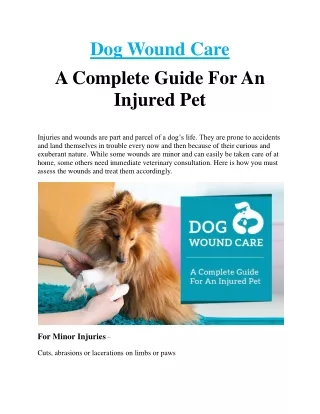
Contact the vet if redness spreads or swelling increases. Call the vet if there is pus or a bad smell. Get help if your dog seems in pain or very tired. See the vet if the wound does not improve after a few days. Also, if your dog keeps biting or licking the wound, seek advice. Early treatment can prevent serious problems.
Credit: www.slideserve.com
Home Remedies And Medications
Caring for your dog’s wound at home requires safe and gentle methods. Home remedies and medications help clean and soothe the injury. Proper care reduces the risk of infection and speeds up healing.
Using the right treatments keeps your dog comfortable. Avoid harsh chemicals or anything that may irritate the skin. Simple, safe options work best for minor wounds.
Safe Topical Treatments
Clean the wound with warm water and mild soap. Avoid hydrogen peroxide or alcohol; they can harm healthy tissue.
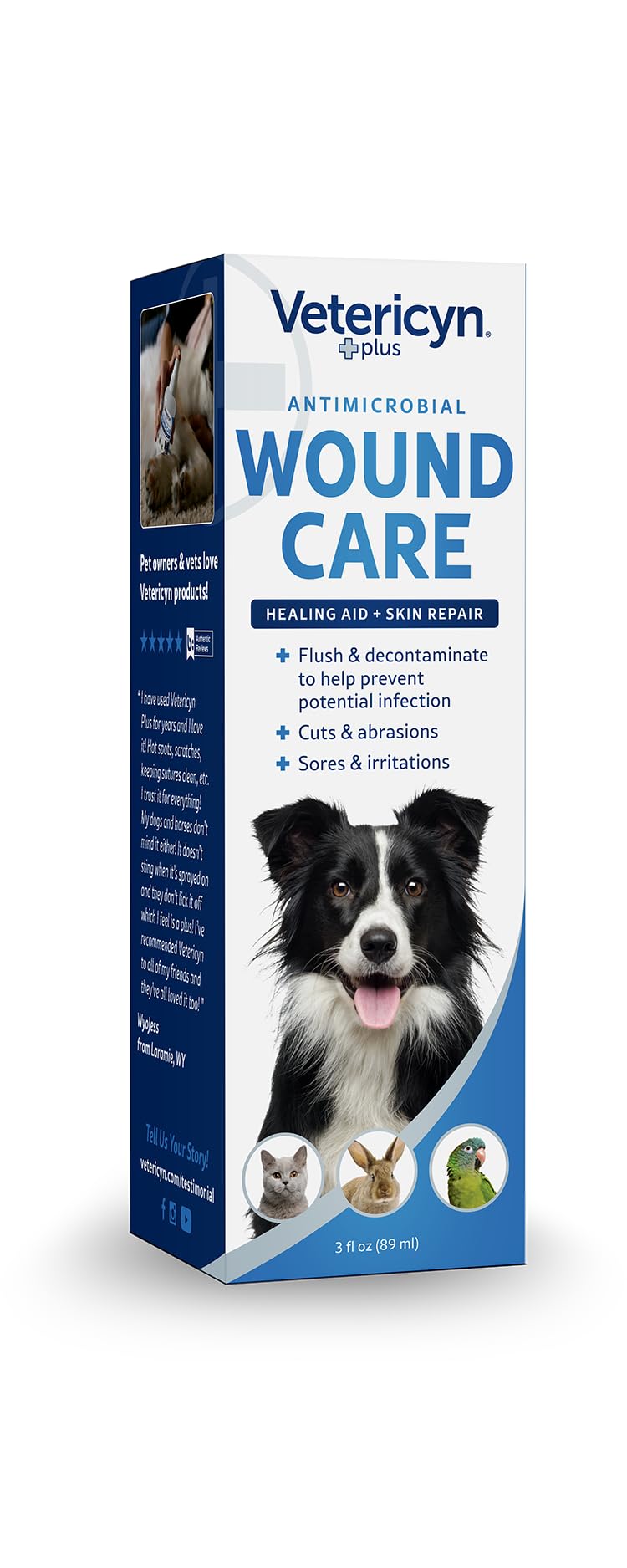
Apply a thin layer of antibiotic ointment made for pets. These ointments stop infection and help the skin heal.
Natural options like aloe vera gel can soothe irritation. Ensure the product is pure and free from harmful additives.
Keep the wound dry and covered with a clean bandage if needed. Change the bandage daily to prevent dirt buildup.
Pain Management Tips
Watch your dog for signs of pain, such as limping or whining. Comfort them with gentle petting and a calm voice.
Do not give human pain medication; it can be toxic to dogs. Always consult a vet before giving any medicine.
Cold compresses can reduce swelling and ease pain. Use a clean cloth with ice wrapped inside and apply for short periods.
Ensure your dog rests and avoids rough play until the wound heals. Rest supports faster recovery and less discomfort.
Tips For Preventing Future Wounds
Preventing wounds in dogs is key to keeping them healthy and happy. Small injuries can lead to infections or other problems. Taking steps to avoid wounds helps your dog stay safe.
Simple changes in your dog’s environment and routine make a big difference. Watch closely and act quickly to protect your dog from harm.
Safe Environment Setup
Remove sharp objects from places your dog visits often. Keep floors clean and free of small items that can cause cuts. Use pet-friendly fencing to prevent your dog from running into dangerous areas. Check toys for damage and replace broken ones right away. Create a calm space where your dog can rest without risk of injury.
Regular Health Checks
Look over your dog’s skin and coat every day. Notice any scratches, bumps, or redness early. Keep your dog’s nails trimmed to avoid accidental scratches. Visit the vet regularly for thorough health exams. Report any unusual signs to the vet quickly. Good health means fewer wounds and quicker healing.
Credit: www.amazon.com

Credit: www.amazon.com
Frequently Asked Questions
How Do I Clean A Dog Wound Safely At Home?
To clean a dog wound, gently rinse with warm water or saline. Avoid harsh chemicals or soaps. Use a clean cloth to pat dry. This prevents infection and promotes healing. Always wear gloves for hygiene and keep your dog calm during cleaning.
When Should I See A Vet For My Dog’s Wound?
Visit a vet if the wound is deep, bleeding heavily, or shows signs of infection. Also seek help if your dog is in pain, has a foul smell, or the wound isn’t healing after a few days. Prompt care prevents complications.
Can I Use Human Antiseptics On Dog Wounds?
Human antiseptics can irritate a dog’s skin and delay healing. Use only vet-approved antiseptics or saline solution. Always consult your vet before applying any product. Safe treatment protects your dog and aids faster recovery.
How Do I Prevent My Dog From Licking Wounds?
Use an Elizabethan collar or a recovery suit to stop licking. Licking can cause infections and slow healing. Distract your dog with toys and treats. Keep wounds clean and covered if possible. This ensures proper wound care.
Conclusion
Caring for a dog’s wound takes patience and attention. Clean the wound gently and keep it dry. Watch for signs of infection like redness or swelling. Changing bandages regularly helps healing. Always keep your dog calm and comfortable during care.
Quick action can prevent bigger problems later. Regular vet visits ensure your dog stays healthy. Small steps make a big difference in recovery. Trust your instincts and act carefully. Your dog depends on you for safe, gentle care.


