
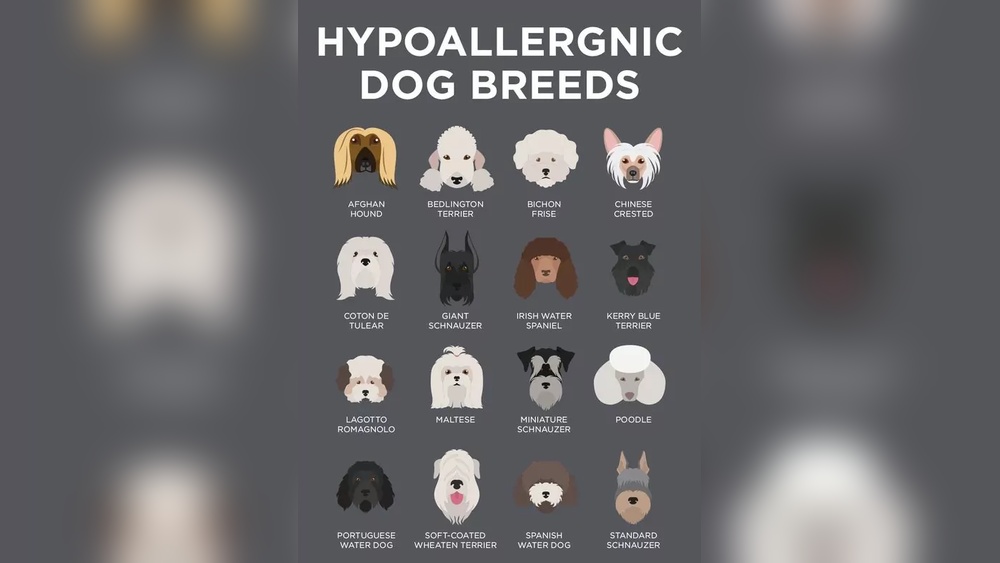
Are you worried about allergies but still want a furry friend by your side? Finding the right dog breed that won’t trigger your sneezes or itchy eyes can feel like a challenge.
But what if you could discover dogs that are kinder to your allergies? You’ll learn exactly which dog breeds are considered hypoallergenic and why they might be the perfect match for your home. Keep reading to find a companion that fits your lifestyle without the allergy hassle.

Credit: www.reddit.com
What Makes A Dog Hypoallergenic
Some dog breeds are called hypoallergenic because they cause fewer allergy problems. Understanding what makes a dog hypoallergenic helps many people choose the right pet. The key lies in how dogs shed, produce allergens, and the type of their coat.
Low Shedding Traits
Dogs that shed less fur spread fewer allergens around the home. Less shedding means fewer hair particles with allergens. Breeds with low shedding keep dander, or dead skin, contained. This trait helps reduce allergic reactions in sensitive people.
Allergen Production In Dogs
Dogs produce proteins that cause allergies, mainly in saliva, urine, and skin. Some breeds produce fewer allergenic proteins than others. These dogs release fewer particles into the air and environment. Lower allergen production means less chance of triggering allergies.
Impact Of Coat Type
Coat type affects how much dander and allergens spread. Curly or wiry coats trap dander better than smooth coats. These coats hold allergens close to the skin and hair. This reduces the amount of allergens floating in the air.
Top Hypoallergenic Dog Breeds
Many people want dogs but worry about allergies. Hypoallergenic dog breeds can help. These dogs shed less and spread fewer allergens. They suit homes with allergy sufferers. Here are some popular hypoallergenic breeds to consider.
Poodle
Poodles have curly, dense coats. They shed very little fur. This reduces dander and allergens in the home. Poodles come in three sizes: toy, miniature, and standard. They are smart and easy to train. Their friendly nature makes them great family pets.
Bichon Frise
Bichon Frise dogs have soft, curly coats. Their fur traps dander, preventing it from spreading. They rarely cause allergic reactions. These dogs are playful and gentle. They enjoy being around people and other pets.
Maltese
The Maltese has long, silky hair that sheds very little. Their coat needs regular grooming to stay clean. Maltese dogs are small and affectionate. They adapt well to apartment living. Their loving temperament suits many households.
Portuguese Water Dog
This breed has curly or wavy coats that shed minimally. Portuguese Water Dogs are active and strong swimmers. They enjoy outdoor activities and require exercise. Their loyal and friendly nature makes them excellent companions.
Schnauzer
Schnauzers come in three sizes: miniature, standard, and giant. All have wiry coats that shed little. They produce less dander, helping allergy sufferers. Schnauzers are alert and protective. They bond closely with their families.
Small Hypoallergenic Dogs
Small hypoallergenic dogs are perfect for people with allergies. They shed less hair and produce fewer allergens. These dogs fit well in apartments and small homes. Their size makes them easy to carry and manage. Here are three popular small hypoallergenic dog breeds.
Shih Tzu
The Shih Tzu is a small dog with a long, silky coat. It does not shed much, which helps reduce allergens. Shih Tzus are friendly and enjoy being around people. They need regular grooming to keep their coat clean. This breed is great for allergy sufferers who want a loving pet.
Yorkshire Terrier
Yorkshire Terriers, or Yorkies, have fine, silky hair like humans. They shed very little, making them hypoallergenic. Yorkies are lively and brave despite their small size. They need regular brushing to avoid tangles. These dogs are a popular choice for people with allergies.
Havanese
The Havanese is a small dog with a soft, wavy coat. It does not shed much, which helps allergy sufferers. Havanese dogs are gentle and easy to train. They enjoy being part of the family. Regular grooming keeps their coat healthy and clean.

Credit: tailsofbarkley.com
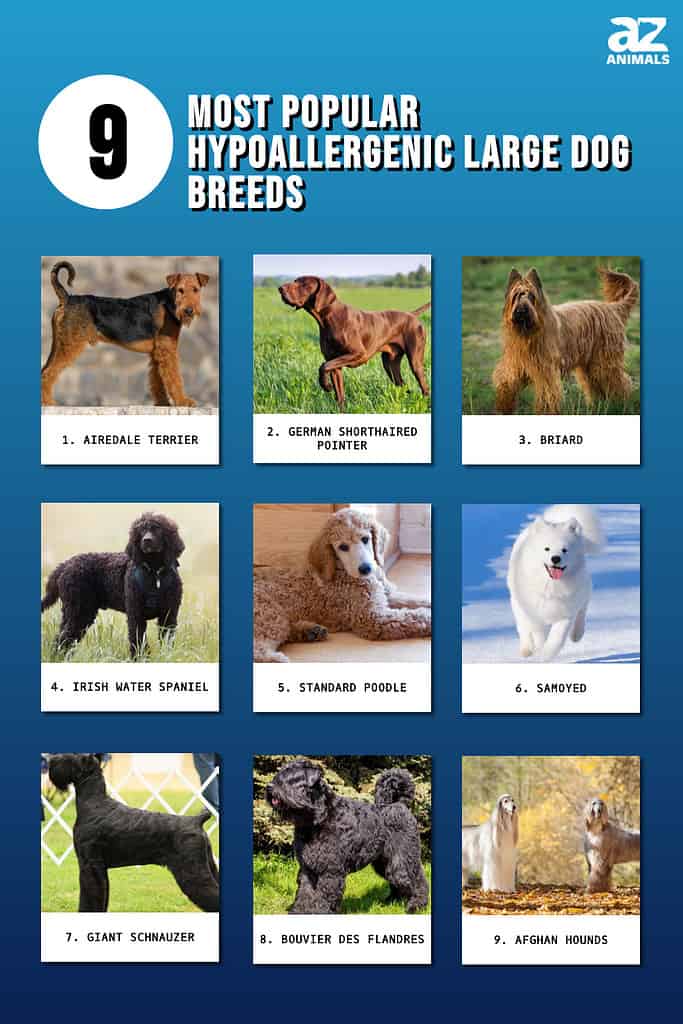
Medium And Large Hypoallergenic Dogs
Medium and large hypoallergenic dogs offer great options for allergy sufferers. These dogs tend to shed less and produce fewer allergens. They fit well in families needing a bigger pet with less risk of allergies. Their size allows for active lifestyles and plenty of playtime.
Labradoodle
The Labradoodle is a mix between a Labrador Retriever and a Poodle. This dog has a curly coat that sheds very little. Labradoodles are friendly and smart, making them great family pets. They enjoy exercise and love being around people.
Goldendoodle
Goldendoodles come from crossing a Golden Retriever with a Poodle. Their coats are soft and wavy, often low-shedding. These dogs are gentle and eager to please. They do well in homes with children and active owners.
Kerry Blue Terrier
Kerry Blue Terriers have a unique, soft, and dense coat. They do not shed much and are good for allergy sufferers. This breed is energetic and loyal. Kerry Blues need regular grooming to keep their coat healthy.
Caring For Allergy-prone Dog Owners
Owning a dog can be challenging for allergy-prone people. Choosing hypoallergenic breeds helps, but care routines also matter. Proper care reduces allergens and keeps both owner and pet healthy.
Grooming Tips
Regular grooming lowers pet dander and loose hair. Brush your dog often to remove dead hair. Bathe your dog every few weeks with gentle shampoo. Clean your dog’s ears and trim nails regularly. Use a damp cloth to wipe your dog’s fur daily.
Home Cleaning Strategies
Keep your home clean to reduce allergens. Vacuum floors and furniture with a HEPA filter vacuum. Wash pet bedding and blankets weekly in hot water. Use air purifiers to capture airborne allergens. Avoid carpets and heavy curtains that trap dander.
Managing Allergies Effectively
Take allergy medication as advised by your doctor. Wash your hands after pet contact. Keep your dog out of bedrooms and off furniture. Create pet-free zones to reduce allergen spread. Monitor allergy symptoms and adjust care routines as needed.
Myths About Hypoallergenic Dogs
Many people believe some dog breeds never cause allergies. The truth is more complex. Myths about hypoallergenic dogs can confuse those with allergies. Understanding these myths helps in choosing the right dog.
All Dogs Produce Allergens
All dogs create allergens. These come from their skin, saliva, and urine. No dog breed is free from these substances. Even hairless dogs produce allergens. The difference lies in how much allergen each dog releases.
Some breeds shed less hair and dander. This can lower allergen spread. But no dog is completely allergen-free. People react differently to various dogs. Allergy symptoms depend on individual sensitivity.
No Breed Is 100% Hypoallergenic
No dog breed is fully hypoallergenic. The label can be misleading. Some breeds are labeled hypoallergenic because they shed less. This helps reduce allergens in the environment. Yet, allergens still exist on their skin and saliva.
Choosing a dog based on hypoallergenic claims alone is risky. Allergy tests with the specific dog help. Spending time with the dog before adoption is best. This helps check if allergies will flare up.
Credit: medsourcellc.com
Frequently Asked Questions
What Makes A Dog Breed Hypoallergenic?
Hypoallergenic breeds shed less dander and hair, which are common allergens. Their coat type reduces airborne allergens, making them better for allergy sufferers.
Which Dog Breeds Are Best For Allergy Sufferers?
Breeds like Poodles, Bichon Frises, and Portuguese Water Dogs are popular hypoallergenic options. They have hair that grows continuously and sheds minimally.
Are Hypoallergenic Dogs Completely Allergen-free?
No dog is 100% allergen-free. Hypoallergenic breeds produce fewer allergens but can still trigger mild reactions in sensitive individuals.
How Do Hypoallergenic Dogs Affect People With Allergies?
They reduce allergy symptoms by shedding less dander and hair. This helps improve comfort for many allergy sufferers.
Conclusion
Choosing a hypoallergenic dog breed helps reduce allergy problems. These breeds shed less hair and dander. This means fewer allergy triggers in your home. Remember, no dog is 100% allergy-free. Personal reactions can vary from person to person. Spend time with a dog before adopting.
This helps check if allergies might flare up. Hypoallergenic dogs can still be loving and fun pets. They fit well in many homes and families. Consider your lifestyle and needs when picking a dog. A happy, healthy pet makes life better for all.


