
Are you thinking about starting dog breeding but don’t know where to begin? Breeding dogs isn’t just about pairing two pets; it’s a serious commitment that requires knowledge, care, and responsibility.
If you want to ensure healthy puppies and happy dogs, you need to understand the basics before you take the first step. This guide will help you discover what you need to do to start breeding dogs the right way.
Keep reading to learn the essential tips that can make your breeding journey successful and rewarding.

Credit: www.walmart.com
Choosing The Right Breed
Choosing the right breed is the first step in dog breeding. It sets the foundation for success. Picking a breed suits your life and goals best. This choice affects your daily routine, costs, and the health of your dogs. Taking time to select carefully helps avoid future problems.
Assessing Your Lifestyle
Think about your daily schedule and living space. Some breeds need lots of exercise and space. Others do well in small apartments. Consider your work hours and energy level. Can you provide enough time for training and play? Match the breed’s needs with your lifestyle.
Researching Breed Traits
Every breed has unique behaviors and traits. Some dogs are calm and quiet. Others are active and protective. Study the breed’s personality, size, and grooming needs. This helps you find a breed you enjoy caring for. It also fits your family and environment.
Considering Breed Health
Health issues vary among breeds. Some have genetic conditions that breeders should know. Learn about common health problems in the breed. Choose dogs from healthy bloodlines. Planning for health care reduces risks and costs later.

Credit: www.amazon.com
Preparing For Breeding
Preparing for dog breeding is a critical step. It ensures healthy puppies and happy dogs. Careful planning before breeding helps avoid many problems. This phase involves checking health, choosing the right dogs, and creating a safe space.
Health Checks And Vaccinations
Start with a full health check for both dogs. This includes screening for hereditary diseases. Vaccinations must be up to date to prevent illness. Parasite control is important too. Healthy parents lead to healthy puppies. Regular vet visits keep breeding risks low.
Selecting Suitable Dogs
Choose dogs with good temperaments and strong genetics. Avoid dogs with health problems or bad behavior. Match dogs that complement each other well. Size and breed standards matter in selection. Proper selection improves the quality of offspring. Breeding should focus on enhancing positive traits.
Setting Up A Safe Environment
Prepare a clean, quiet area for the dogs. The space should be comfortable and secure. Limit noise and distractions to reduce stress. Provide fresh water and nutritious food. The environment should support natural behaviors. A safe space helps dogs feel calm and ready.
Breeding Basics
Starting dog breeding requires basic knowledge and careful planning. Understanding your dog’s reproductive cycle and behavior is key. Breeding basics help ensure healthy puppies and a smooth process. You must watch your dog closely and know what to expect at each stage.
Timing The Heat Cycle
Female dogs go into heat about twice a year. The heat cycle lasts around three weeks. The best time to breed is during the estrus phase. This is when she is most fertile and accepts the male. Signs include swelling of the vulva and clear discharge. Track these signs daily to pick the right day.
Mating Methods
Natural mating is the most common method. Let the male and female meet in a calm place. They may take time to get comfortable with each other. Supervise the process but don’t rush them. Another option is artificial insemination, used by some breeders. This method needs a vet and special equipment.
Recognizing Signs Of Pregnancy
After mating, watch for pregnancy signs around three weeks. The female may eat less or act tired. Her nipples will swell and become pinker. Some dogs gain weight and show a bigger belly. A vet can confirm pregnancy with an ultrasound. Early detection helps prepare for healthy puppies.
Caring For The Pregnant Dog
Caring for a pregnant dog is a vital part of breeding. It ensures the health of both the mother and her puppies. Proper care reduces risks during pregnancy and birth. A calm, safe environment helps the dog feel secure. Understanding her needs is key to a smooth pregnancy.
Nutrition And Exercise
Good nutrition supports the growing puppies inside the mother. Feed a high-quality, balanced diet designed for pregnant dogs. Increase the amount of food slowly in the last weeks. Avoid giving too many treats or table scraps.
Exercise keeps the dog healthy but should be gentle. Short walks and light play are best. Avoid heavy running or jumping to protect her body. Watch for signs of tiredness or discomfort.
Veterinary Care
Regular vet check-ups confirm the dog’s health and pregnancy progress. The vet can spot problems early and provide advice. Vaccinations and parasite control must be up to date before breeding. Blood tests may check for infections or conditions.
Keep a record of all vet visits and recommendations. Contact the vet if you see unusual behavior or symptoms. Early care prevents complications for the mother and puppies.
Preparing For Whelping
Prepare a quiet, warm, and clean area for the dog to give birth. Use a whelping box with soft bedding to keep her comfortable. Keep the space free from loud noises and other pets.
Gather supplies like clean towels, heating pads, and a scale. Know the signs of labor and when to call the vet. Staying calm and ready helps the dog feel safe and relaxed.
Whelping And Newborn Care
Whelping and newborn care are key parts of breeding dogs. This stage needs focus and gentle care. It ensures the health of the mother and her puppies. Preparing well helps avoid problems during birth and after.
The time around birth is delicate. The mother needs a quiet, warm place to deliver. Puppies need help to start life strong and healthy. Understanding signs of labor, how to assist birth, and puppy care is vital for any breeder.
Signs Of Labor
Watch the mother closely as the due date nears. She may stop eating or become restless. Panting and pacing are common signs. Her body temperature usually drops below 99°F before labor starts. Nesting behavior shows she is ready. She may scratch or arrange bedding carefully.
Assisting During Birth
Keep calm and stay nearby but not in the way. Let the mother give birth naturally. Use clean towels to help dry puppies if needed. Clear the puppy’s nose and mouth of fluids. Tie and cut the umbilical cord carefully if the mother does not. Contact a vet if labor lasts more than 2 hours without progress.
Caring For Puppies
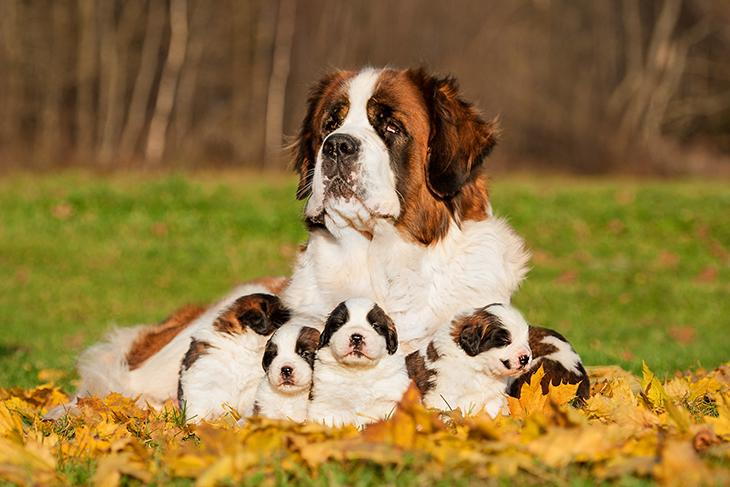
Keep puppies warm and close to their mother. Newborns cannot control their body temperature. Make sure they nurse within the first hour. This first milk is full of nutrients and antibodies. Check puppies often for breathing and movement. Clean their bedding daily to keep a healthy environment. Monitor their weight to ensure steady growth.
Credit: www.denison-vet.com
Raising Healthy Puppies
Raising healthy puppies is the heart of successful dog breeding. It shapes their future and helps them grow strong. Puppies need care that covers their body and mind. This care builds happy, well-adjusted dogs. Start with good feeding and socialization.
Next, keep a close watch on their health. Early training also plays a big role. Each step matters in raising puppies that thrive.
Feeding And Socialization
Puppies need proper food for fast growth. Use high-quality puppy food made for their age. Feed small meals often to keep energy up. Clean water must be available all day.
Socialization helps puppies learn about people and other dogs. Introduce them gently to new sounds and places. Playtime with different animals builds confidence and reduces fear. Early socialization shapes friendly adult dogs.
Health Monitoring
Watch puppies daily for signs of illness. Check their eyes, ears, and skin. Keep track of their weight and growth. Schedule regular vet visits for vaccines and checkups. Quick action helps avoid serious health problems.
Keep the living area clean to prevent infections. Use flea and worm prevention as recommended. Healthy puppies are active and alert, ready to explore.
Early Training Tips
Start training puppies with simple commands like sit and come. Use gentle praise and treats for good behavior. Keep training sessions short and fun. Consistent routines help puppies learn faster.
Teach potty training early by taking puppies outside often. Avoid punishment; use patience and kindness. Early training builds trust and respect between you and puppies.
Legal And Ethical Considerations
Starting dog breeding requires more than love for animals. Legal and ethical factors are very important. Breeders must know rules and act responsibly. This protects dogs and keeps breeding fair. Below are key points to consider.
Breeding Regulations
Every place has laws about dog breeding. You must follow local and national rules. Licensing may be needed to breed dogs. Some areas limit the number of dogs you can keep. Health checks and vaccinations might be required. Ignoring laws can cause fines or closure. Check with animal control or government offices first.
Responsible Breeding Practices
Breeding dogs must focus on health and welfare. Avoid breeding dogs with genetic diseases or bad temperaments. Proper care and good living conditions are essential. Ensure dogs have clean spaces, good food, and vet visits. Breeding only healthy dogs helps prevent future health problems. Keep detailed records of each dog’s health and lineage.
Finding Good Homes
Good homes are crucial for puppies’ well-being. Screen potential owners carefully. Ask about their experience with dogs and lifestyle. Avoid selling puppies to pet stores or unknown buyers. Provide new owners with care advice and support. Responsible breeders stay in touch and help if problems arise. This ensures puppies live happy, safe lives.
Common Challenges And Solutions
Breeding dogs brings many rewards, but it also comes with challenges. Knowing common problems helps you prepare better. Solutions keep your dogs healthy and happy. You will learn how to manage health, behavior, and unexpected issues below.
Managing Health Issues
Health problems can appear anytime. Regular vet checks catch issues early. Vaccinations protect against common diseases. Keep clean water and good food always available. Watch for signs like tiredness or loss of appetite. Act fast if you see any illness. Proper care reduces risks and improves puppies’ chances.
Dealing With Behavioral Problems
Dogs may show fear, aggression, or anxiety. These behaviors cause stress for breeders and dogs. Training helps guide good behavior from young age. Socialize puppies with people and other dogs carefully. Use positive rewards to encourage good actions. Patience and consistency build trust and calmness. Seek help from experts if problems persist.
Handling Unexpected Situations
Breeding involves surprises like difficult births or sudden illness. Stay calm and prepared with emergency contacts. Have a plan for quick vet visits or care. Keep supplies ready for puppies and mothers. Learn basic first aid for dogs. Being ready reduces stress and saves lives.
Frequently Asked Questions
How Do I Start Breeding Dogs Responsibly?
Start by researching breed standards and health tests. Find healthy, temperament-tested dogs. Consult a vet and create a breeding plan. Focus on improving the breed and ensuring puppy health.
What Are The Legal Requirements For Dog Breeding?
Check local laws for breeding licenses and permits. Follow regulations on animal welfare and sales. Register your business if needed. Compliance ensures ethical and legal breeding practices.
How Do I Choose The Right Dogs For Breeding?
Select dogs with excellent health, temperament, and breed traits. Review genetic history and health clearances. Avoid breeding dogs with hereditary issues. Aim to enhance breed quality and diversity.
What Costs Are Involved In Dog Breeding?
Budget for health tests, veterinary care, food, and supplies. Include expenses for registration, marketing, and unexpected emergencies. Responsible breeding requires financial planning and commitment.
Conclusion
Starting to breed dogs takes care, knowledge, and patience. Choose healthy dogs with good traits. Learn about dog care, health, and breeding methods. Keep records of each dog and their puppies. Be ready to spend time and money on your dogs.
Breeding is a big responsibility, not just a hobby. Take each step slowly and ask experts for advice. This way, you can raise happy and healthy puppies. Your effort will help dogs and bring you joy.