Are you worried about allergies but still want the joy of having a dog by your side? Finding the right dog breed that won’t trigger your allergies can feel like a challenge.
But don’t worry—there are many hypoallergenic dog breeds that can fit perfectly into your life. You’ll discover a carefully selected list of dogs known for being gentle on allergy sufferers. Keep reading to find your perfect furry friend who can bring happiness without the sniffles.
Credit: innovbatexpo.com
What Makes A Dog Hypoallergenic
Understanding what makes a dog hypoallergenic helps allergy sufferers find the right pet. Not all dogs cause the same allergic reactions. Some breeds produce fewer allergens and shed less fur. These traits reduce allergy symptoms for many people. Knowing these factors helps you choose a dog that fits your needs.
Low Shedding Traits
Dogs that shed less hair spread fewer allergens. Hair carries dander, the main cause of allergies. Breeds with curly or tight coats trap dander better. They release less fur into the environment. This limits airborne allergens and reduces allergy risks.
Allergen Production Factors
Allergens come from saliva, skin, and urine, not just fur. Some breeds produce fewer allergenic proteins. These proteins cause sneezing, itching, and watery eyes. Dogs with lower allergen levels are easier to live with. Their bodies create fewer allergy triggers.
Grooming Impact On Allergies
Regular grooming removes loose hair and dander. Bathing a dog often reduces allergen buildup on the coat. Brushing also helps by catching shedding fur early. Clean dogs spread fewer allergens around the home. Good grooming lowers allergy symptoms effectively.
Top Hypoallergenic Dog Breeds
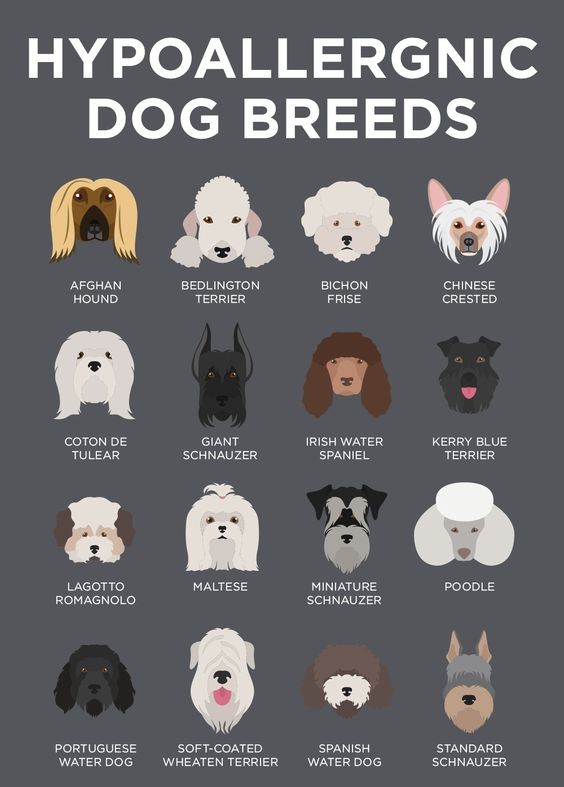
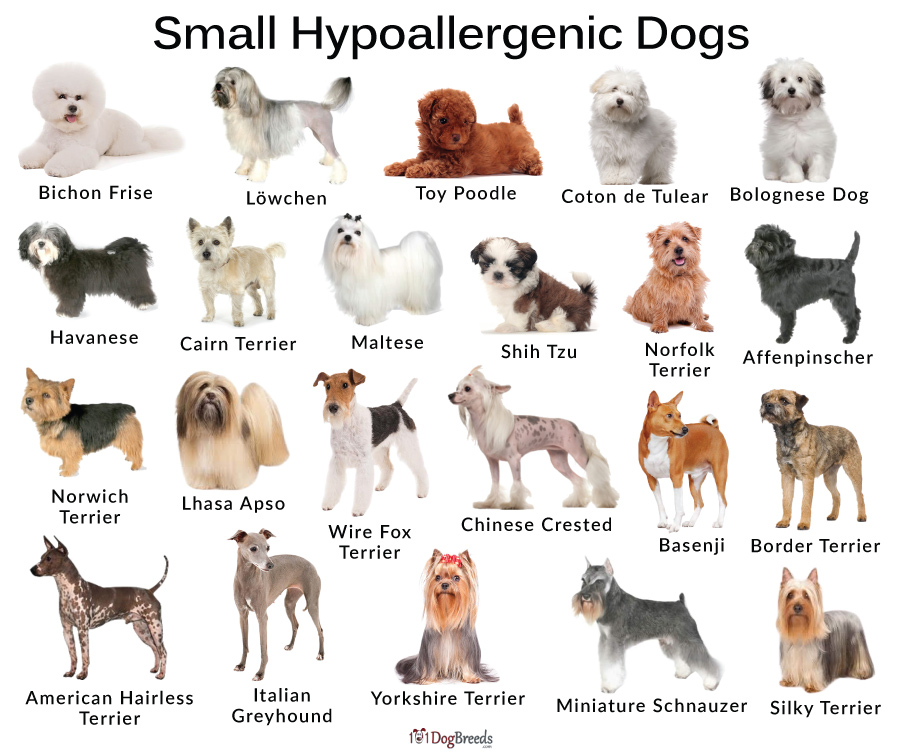
Hypoallergenic dogs are perfect for people with allergies. These breeds shed less hair and dander. They cause fewer allergy problems. Here is a list of top hypoallergenic dog breeds. Each breed has unique traits and friendly personalities.
Choosing a hypoallergenic dog can bring joy without sneezing or itching. These breeds suit many homes and lifestyles. Read on to learn about the best options.
Poodle Varieties
Poodles come in three sizes: standard, miniature, and toy. They have curly, low-shedding coats. Poodles are smart and easy to train. They enjoy playtime and family activities.
Bichon Frise
The Bichon Frise has a soft, curly coat that traps dander. This small dog is cheerful and playful. Bichons love attention and get along with children.
Maltese
Maltese dogs have long, silky hair that sheds little. They are gentle and affectionate companions. Maltese dogs fit well in small spaces and apartments.
Schnauzer
Schnauzers come in miniature, standard, and giant sizes. Their wiry coats reduce dander release. These dogs are alert and protective of their homes.
Portuguese Water Dog
This breed has curly, water-resistant fur that sheds minimally. Portuguese Water Dogs are energetic and love water activities. They make loyal and active family pets.
Shih Tzu
Shih Tzus have long, flowing coats that shed very little. They are friendly and enjoy being lap dogs. Shih Tzus adapt well to apartment living.
Yorkshire Terrier
Yorkies have fine, silky hair that acts like human hair. They shed very little dander. These small dogs are bold and full of personality.
Basenji
Basenjis have short, fine coats that shed minimally. Known as the “barkless dog,” they are quiet and clean. Basenjis are intelligent and curious pets.
Havanese
Havanese dogs have soft, wavy coats that shed little. They are social and enjoy company. These dogs are great for families and first-time owners.
Choosing The Right Allergy-friendly Dog
Choosing the right allergy-friendly dog means more than just picking a hypoallergenic breed. It requires thinking about your daily life and your home. The best dog fits your lifestyle, size needs, and personality. This makes life easier for both you and your new pet.
Lifestyle Considerations
Think about your daily routine. Some dogs need lots of exercise and attention. Others are happy with short walks and quiet time. Choose a dog that matches how active you are. Busy people may prefer calm breeds. Those with more free time can choose playful, energetic dogs.
Size And Activity Level
Small dogs need less space and exercise. Big dogs need room to move and more activity. Match the dog’s size to your living space. Apartments suit smaller breeds better. Large homes or yards work well for bigger dogs. Also, consider how much energy your dog has. High-energy dogs need more playtime and walks.
Temperament And Compatibility
Each dog breed has a unique personality. Some are friendly and social. Others are shy or independent. Choose a dog that fits your family and lifestyle. Think about children, other pets, and your social habits. A good match leads to a happy, lasting bond.

Credit: innovbatexpo.com
Managing Allergies With Your Dog
Managing allergies while living with a dog is possible. Choosing a hypoallergenic breed helps reduce allergic reactions. Still, some steps make life easier for allergy sufferers. Simple habits keep your home and dog clean. This lowers allergens and helps you breathe better.
Regular Grooming Tips
Brush your dog often to remove loose hair and dander. Use a brush suited for your dog’s coat type. Bathe your dog regularly with gentle shampoo. This clears skin flakes and dirt. Keep your dog’s bedding clean and wash it weekly. Trim nails and clean ears to avoid infections. Grooming reduces allergens and keeps your dog healthy.
Home Cleaning Strategies
Vacuum floors and furniture often with a vacuum that has a HEPA filter. Dust surfaces using a damp cloth to trap dust. Wash curtains, rugs, and pet bedding regularly. Remove clutter where dust and hair collect. Avoid carpets if possible; hard floors are easier to clean. Clean your dog’s toys and accessories weekly. These habits lower allergens in your living space.
Air Quality And Allergens
Use air purifiers with HEPA filters to capture airborne allergens. Keep windows closed on windy days to reduce pollen inside. Change HVAC filters regularly to improve air flow. Maintain good ventilation to avoid moisture and mold. Avoid smoking indoors as it worsens allergies. Better air quality means fewer allergy symptoms and easier breathing.
Credit: itie.rivilgroup.com
Frequently Asked Questions
What Makes A Dog Breed Hypoallergenic?
A hypoallergenic dog breed produces fewer allergens like dander and saliva. These breeds shed less hair, reducing allergic reactions. They are ideal for allergy sufferers seeking pets without frequent sneezing or itching.
Which Hypoallergenic Dog Breeds Are Best For Families?
Breeds like the Poodle, Bichon Frise, and Maltese are great for families. They are friendly, low-shedding, and easy to train. These dogs combine allergy-friendliness with a gentle, social nature.
Do Hypoallergenic Dogs Require Special Grooming?
Yes, hypoallergenic dogs need regular grooming to minimize allergens. Frequent brushing and baths reduce dander buildup. Professional grooming helps maintain their coat and keeps allergy symptoms low.
Can Hypoallergenic Dogs Trigger Allergies At All?
While hypoallergenic dogs reduce allergens, they may not eliminate allergies entirely. People with severe allergies should spend time with the breed first. Individual reactions vary, so caution is advised before adoption.
Conclusion
Choosing a hypoallergenic dog can ease allergies and bring joy. These breeds shed less and cause fewer reactions. Remember, no dog is fully allergy-free, but these help. Think about your lifestyle and space before deciding. Spend time with the breed first, if possible.
A happy home suits both you and your new pet. Enjoy the love and fun a dog can bring!