

You want to give your dog the best nutrition at every stage of life. But how do you know when it’s time to switch from puppy food to adult dog food?
Making this change at the right moment can impact your dog’s health, energy, and happiness. If you switch too early or too late, it could lead to problems you want to avoid. You’ll discover clear signs and expert tips to help you decide the perfect time to transition your furry friend to adult dog food.
Keep reading to ensure your dog stays healthy and thriving through every stage.
Signs Your Dog Is Ready
Knowing the right time to switch your dog to adult food helps support their health. Dogs change as they grow. These changes show when they need a different diet. Watch for clear signs before making the switch. This helps your dog stay strong and happy.
Physical Growth Milestones
Check your dog’s size and weight. Most dogs reach full size between 9 and 12 months. Large breeds may take longer, up to 18 months. When growth slows or stops, adult food can start. Also, look at their teeth. Adult teeth usually appear by six months. These physical signs mean their body needs adult nutrients.
Behavioral Changes
Your dog’s habits show readiness for adult food. Puppies often act very playful and curious. As they grow, they calm down. They may lose some puppy-like energy bursts. If your dog seems less hyper and more focused, it’s time to change food. Behavior hints at their stage in life.
Energy Level Adjustments
Energy changes help decide on food type. Puppies need more calories for growth and play. Adults need fewer calories but steady energy. Notice if your dog’s energy feels balanced, not too wild or tired. This shift means their metabolism is maturing. Adult food matches this new energy level better.
Age Guidelines For Transition
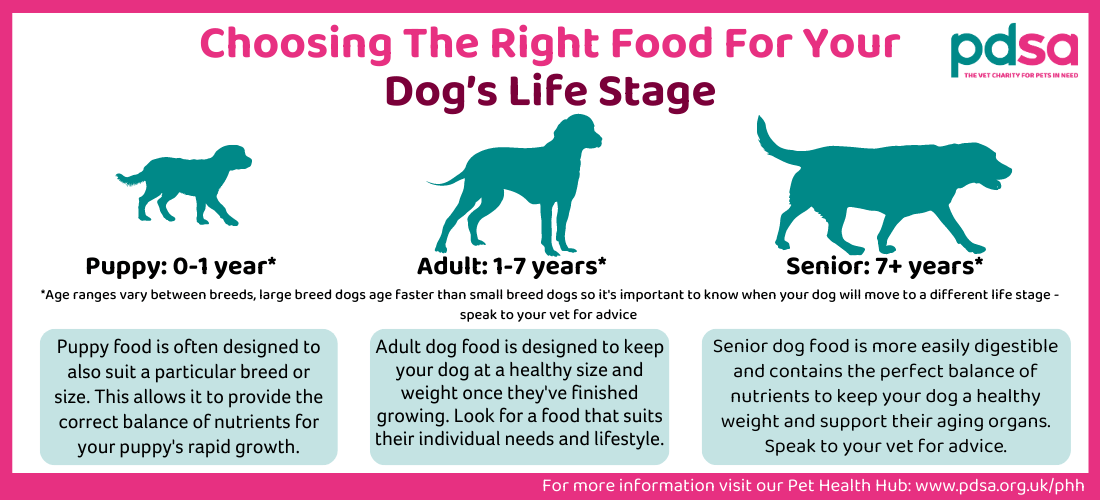
Knowing the right age to switch your dog to adult food helps support their health. Dogs grow at different rates based on their breed size. Feeding adult dog food too early or too late can affect their development. Age guidelines give a clear timeline to follow for each breed type. These help you decide the best time to change their diet safely.
Small Breeds
Small breed dogs grow faster than larger breeds. They usually reach adulthood by 9 to 12 months. At this age, switch to adult dog food to meet their changing needs. Small breeds need food that supports their high energy and fast metabolism. Feeding them puppy food beyond this age can cause weight gain.
Medium Breeds
Medium breeds mature slower than small breeds. Their growth typically finishes between 12 and 15 months. Transitioning to adult dog food during this time supports healthy muscle and bone development. Medium breeds benefit from balanced nutrition that prevents obesity. Keep an eye on their growth to pick the right moment.
Large And Giant Breeds
Large and giant breeds take the longest to grow. They usually reach maturity between 18 and 24 months. Switching to adult food too soon may stress their bones and joints. Use breed-specific adult formulas that support slow, steady growth. Proper timing helps avoid developmental problems common in big dogs.
Choosing The Right Adult Food
Choosing the right adult dog food is key for your pet’s health. Adult dogs have different needs than puppies. Their food must support steady energy and maintain a healthy weight. The right food helps keep their coat shiny and their digestion smooth. Understanding what to look for in adult dog food makes the transition easier and better for your dog.
Nutritional Needs
Adult dogs need balanced nutrition with the right protein, fat, and fiber. Protein helps keep muscles strong. Fat provides energy and supports healthy skin. Fiber aids digestion and keeps bowel movements regular. The food should have vitamins and minerals for overall health. Avoid foods high in fillers and low in nutrients.
Ingredient Quality
Good adult dog food uses real meat or fish as the first ingredient. Avoid foods with too many artificial colors, flavors, or preservatives. Whole grains, vegetables, and fruits add important nutrients and fiber. Quality ingredients help your dog digest food better and stay healthy longer. Check the label carefully for clear, simple ingredients.
Special Dietary Requirements
Some dogs need special diets due to allergies, weight, or health issues. Food for sensitive stomachs or skin can prevent discomfort. Overweight dogs may need low-calorie formulas to lose weight safely. Dogs with joint problems benefit from added glucosamine. Always choose food that fits your dog’s unique health needs.
Credit: www.bowlerspets.com
How To Transition Smoothly
Switching your dog to adult food requires care and patience. A smooth transition helps avoid stomach problems and ensures your dog enjoys the new diet. Follow simple steps to make this change easy and safe for your pet.
Gradual Mixing Techniques
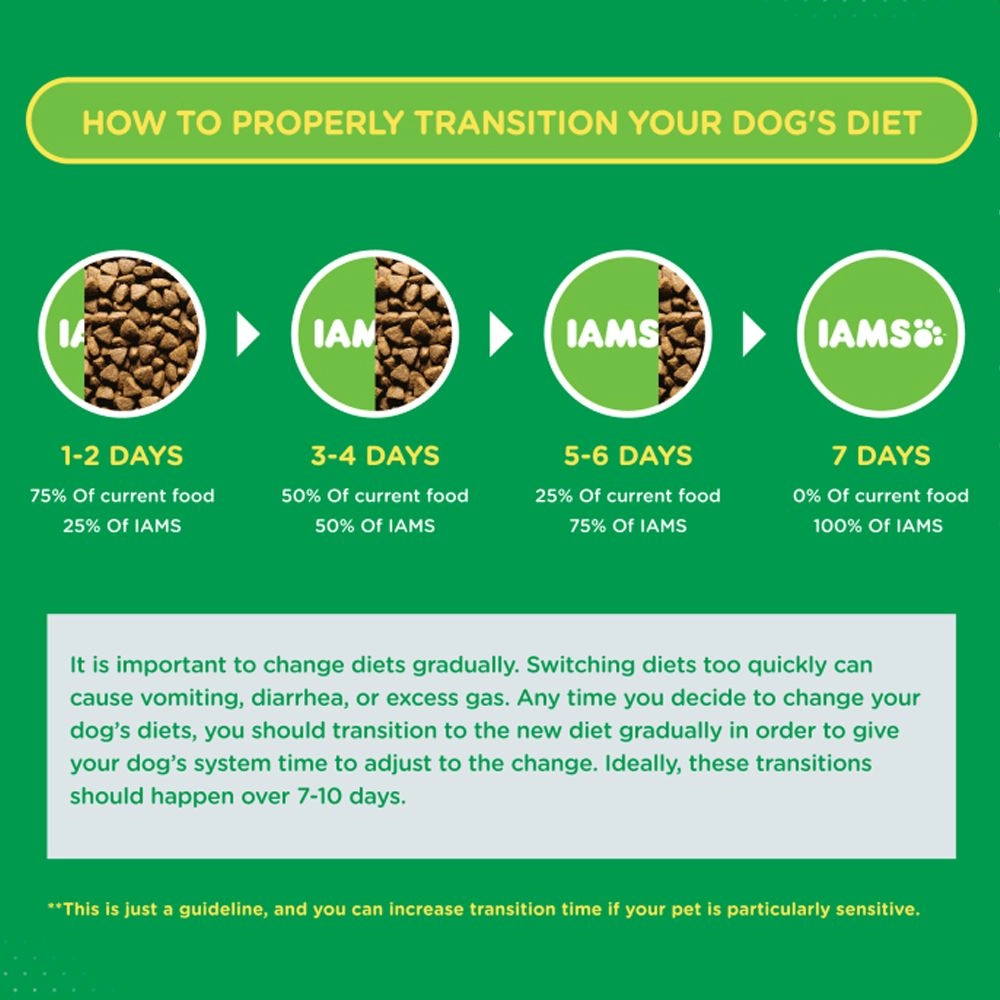
Start by mixing a small amount of adult food with your dog’s current food. Increase the adult food portion slowly over 7 to 10 days. This slow change helps your dog’s stomach adjust without upset. Mixing well keeps the taste consistent for your dog.
Monitoring Digestive Health
Watch your dog closely during the food change. Look for signs like diarrhea, vomiting, or constipation. These may show your dog needs more time to adjust. If problems continue, consult your vet for advice. Keeping your dog’s digestion healthy is key.
Adjusting Portion Sizes
Adult dogs often need different portion sizes than puppies. Check the feeding guidelines on the food package. Adjust the amount based on your dog’s weight and activity level. Avoid overfeeding to keep your dog healthy and active.
Common Mistakes To Avoid
Transitioning your dog to adult food is an important step. Many pet owners make mistakes that affect their dog’s health. Avoiding these errors helps ensure a smooth change and keeps your dog happy.
Switching Too Early Or Late
Changing to adult dog food too soon can upset your puppy’s growth. Their bodies still need the nutrients in puppy food. Switching too late might cause weight gain or nutrient imbalance. Watch your dog’s age and development carefully. Follow vet advice for the right timing.
Abrupt Food Changes
Sudden food changes can cause stomach problems. Dogs may suffer from diarrhea or vomiting. Gradually mix adult food with puppy food over 7 to 10 days. This helps your dog’s digestive system adjust. Patience is key to avoid discomfort.
Ignoring Breed-specific Needs
Different breeds have unique nutritional needs. Large breeds need food that supports joint health. Small breeds require more calories and smaller kibble. Ignoring these needs can harm your dog’s health. Choose adult food that suits your dog’s breed and size.
Credit: www.pdsa.org.uk
Consulting Your Veterinarian
Deciding the right time to switch your dog to adult food is important. Your veterinarian can help make this decision easier. They know your dog’s health and needs best. Consulting them ensures your dog stays healthy during the change.
Health Assessments
Veterinarians perform health checks before suggesting a diet change. They check weight, energy levels, and overall health. These checks help find the best time to switch dog food. Skipping this step might lead to feeding problems or health issues.
Tailored Feeding Plans
Each dog has unique needs. Your vet can create a feeding plan just for your dog. This plan includes the right type and amount of food. It helps your dog grow strong and stay healthy. A tailored plan avoids overfeeding or nutrient gaps.
Addressing Concerns
Changing food can cause worries for pet owners. Your vet listens to your concerns and answers questions. They provide advice on managing allergies or digestion problems. This support makes the transition smooth and stress-free for your dog.
Credit: www.alphapets.com.my
Frequently Asked Questions
When Should I Switch My Puppy To Adult Dog Food?
Most dogs transition to adult food between 12 and 18 months. Large breeds may need up to 24 months. Consult your vet for the best timing based on your dog’s size and breed.
What Are Signs My Dog Needs Adult Food?
Signs include slower growth, decreased energy, and changes in appetite. Adult dog food supports maintenance rather than growth. Watch for stable weight and mature teeth as indicators.
Can Switching Too Early Harm My Dog?
Yes, early switching can cause nutrient imbalances. Puppies need higher protein and fat for growth. Transition only when your dog reaches appropriate maturity to avoid health issues.
How To Transition My Dog To Adult Food Properly?
Mix adult food with puppy food gradually over 7-10 days. Increase adult food while decreasing puppy food. This prevents digestive upset and helps your dog adjust smoothly.
Conclusion
Transitioning your dog to adult food needs care and timing. Watch their age and health closely. Gradual changes help avoid stomach upset. Choose a quality adult dog food that fits their needs. Always consult your vet if unsure. This switch supports your dog’s growth and energy.
Keep your pet happy and healthy with the right diet. Small steps lead to big benefits for your dog’s life. Stay attentive to their reactions during the change. Your dog will thank you with a wagging tail.


