

Are you tired of guessing what’s really in your dog’s food? You want the best for your furry friend, but finding a healthy, tasty, and balanced homemade dog food recipe can feel overwhelming.
What if you could make meals that keep your dog happy, energetic, and healthy—right in your own kitchen? You’ll discover the best recipe for homemade dog food that’s simple, nutritious, and made with ingredients you trust. Keep reading to unlock the secret to feeding your dog like family.
Benefits Of Homemade Dog Food
Making homemade dog food gives many benefits for your pet’s health and well-being. It allows you to provide fresh, natural ingredients made just for your dog’s needs. Many dog owners find this option better than store-bought food.
Homemade dog food can improve digestion and energy levels. It also helps avoid unwanted additives and fillers. Choosing what to cook means you can care for your dog in the best way.
Health Advantages
Homemade dog food offers clear health benefits. Fresh ingredients support better digestion and nutrient absorption. Dogs often have shinier coats and healthier skin. It reduces the risk of allergies or food sensitivities. Balanced meals boost your dog’s energy and immune system.
Control Over Ingredients
Preparing food at home means full control over what your dog eats. You can avoid harmful preservatives and fillers found in many commercial foods. It also helps manage specific dietary needs or allergies. Every ingredient is chosen with your dog’s health in mind. This control ensures a safer and healthier diet.
Cost-effectiveness
Homemade dog food can save money over time. Buying ingredients in bulk is often cheaper than premium dog food brands. You can use leftovers and seasonal items to lower costs. Preparing meals at home reduces visits to the vet for diet-related issues. This approach makes caring for your dog affordable and healthy.
Key Nutrients For Dogs
Dogs need a balanced diet to stay healthy and active. Homemade dog food must include key nutrients. These nutrients support their growth, energy, and overall health. Understanding these nutrients helps create the best recipe for your dog.
Proteins And Fats
Proteins build muscles and repair tissues in dogs. Good protein sources include chicken, beef, and fish. Fats provide energy and keep the skin shiny. Healthy fats come from fish oil and chicken fat. Both proteins and fats are vital for your dog’s strength and energy.
Essential Vitamins And Minerals
Vitamins and minerals keep your dog’s body running well. Vitamins A, D, and E support eyesight and bone health. Minerals like calcium and phosphorus strengthen bones and teeth. Leafy greens and carrots are great vitamin sources. Adding these keeps your dog’s immune system strong.
Carbohydrates And Fiber
Carbohydrates give dogs energy for daily activities. Good sources are rice, oats, and sweet potatoes. Fiber helps digestion and prevents constipation. Vegetables like pumpkin and green beans provide fiber. Including carbs and fiber helps your dog feel full and happy.
Safe Ingredients To Use
Choosing safe ingredients is key for healthy homemade dog food. Dogs need balanced meals with nutrients that support their growth and energy. Using fresh, natural ingredients helps avoid harmful additives and chemicals. Quality matters for your dog’s health and happiness.
Meats And Proteins
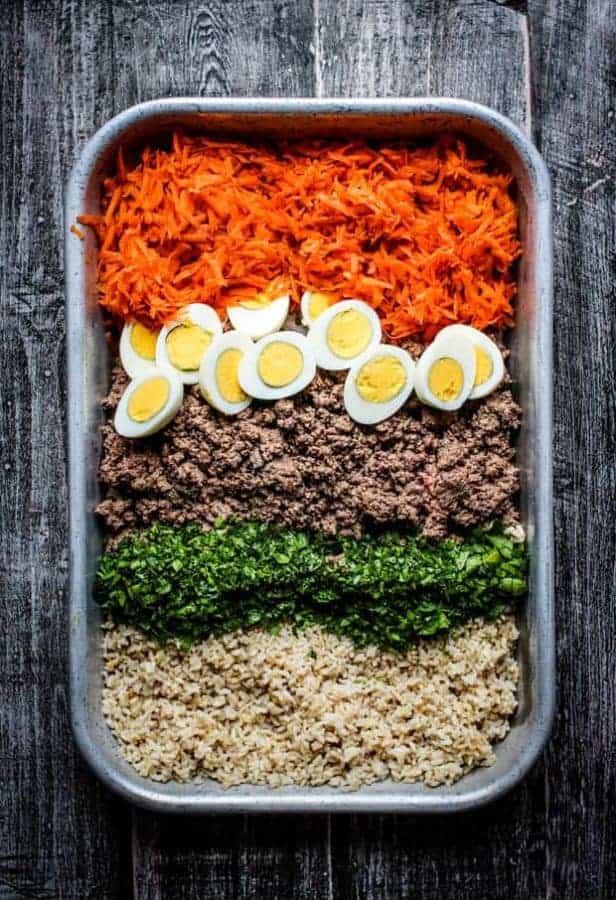
Lean meats like chicken, turkey, and beef are great protein sources. Fish such as salmon provides healthy fats and omega-3s. Avoid processed meats and bones, which can harm dogs. Cook all meats thoroughly to kill bacteria. Protein builds strong muscles and keeps dogs active.
Vegetables And Fruits
Carrots, green beans, and peas offer vitamins and fiber. Apples and blueberries add natural sweetness and antioxidants. Avoid onions, grapes, and raisins; these are toxic to dogs. Chop veggies small or cook them for easy digestion. Fresh produce supports a healthy immune system.
Grains And Supplements
Brown rice and oats give energy and fiber. Some dogs may need grain-free diets; consult your vet. Add fish oil or flaxseed for omega-3 fatty acids. Calcium and vitamins help keep bones strong. Supplements fill nutritional gaps in homemade meals.
Credit: thismessisours.com
Ingredients To Avoid
Choosing the right ingredients is key to making healthy homemade dog food. Some foods and additives can harm your dog’s health. Avoiding these keeps your dog safe and happy.
Toxic Foods For Dogs
Certain foods are poisonous to dogs. Chocolate, grapes, and raisins can cause serious illness. Onions and garlic may damage their red blood cells. Avoid these completely in your recipes.
Harmful Additives
Artificial preservatives, colors, and flavors can upset your dog’s stomach. They may cause allergies or long-term health problems. Use fresh, natural ingredients instead of processed ones.
Potential Allergens
Some dogs react badly to common allergens like wheat, corn, and soy. Dairy products can cause tummy troubles for many dogs. Monitor your dog’s reaction and remove any ingredient that causes issues.
Simple Homemade Dog Food Recipes
Simple homemade dog food recipes offer healthy meals for your pet. They use fresh ingredients and are easy to prepare. These recipes ensure your dog gets balanced nutrition without additives or preservatives.
Cooking at home allows control over what your dog eats. It can help avoid allergies and digestive problems. Here are three easy recipes to try for your furry friend.
Chicken And Rice Meal
Boil one cup of rice until soft. Cook two chicken breasts, then chop finely. Mix chicken and rice with a half cup of cooked carrots. Let it cool before serving. This meal is gentle on the stomach and full of protein.
Beef And Vegetable Mix
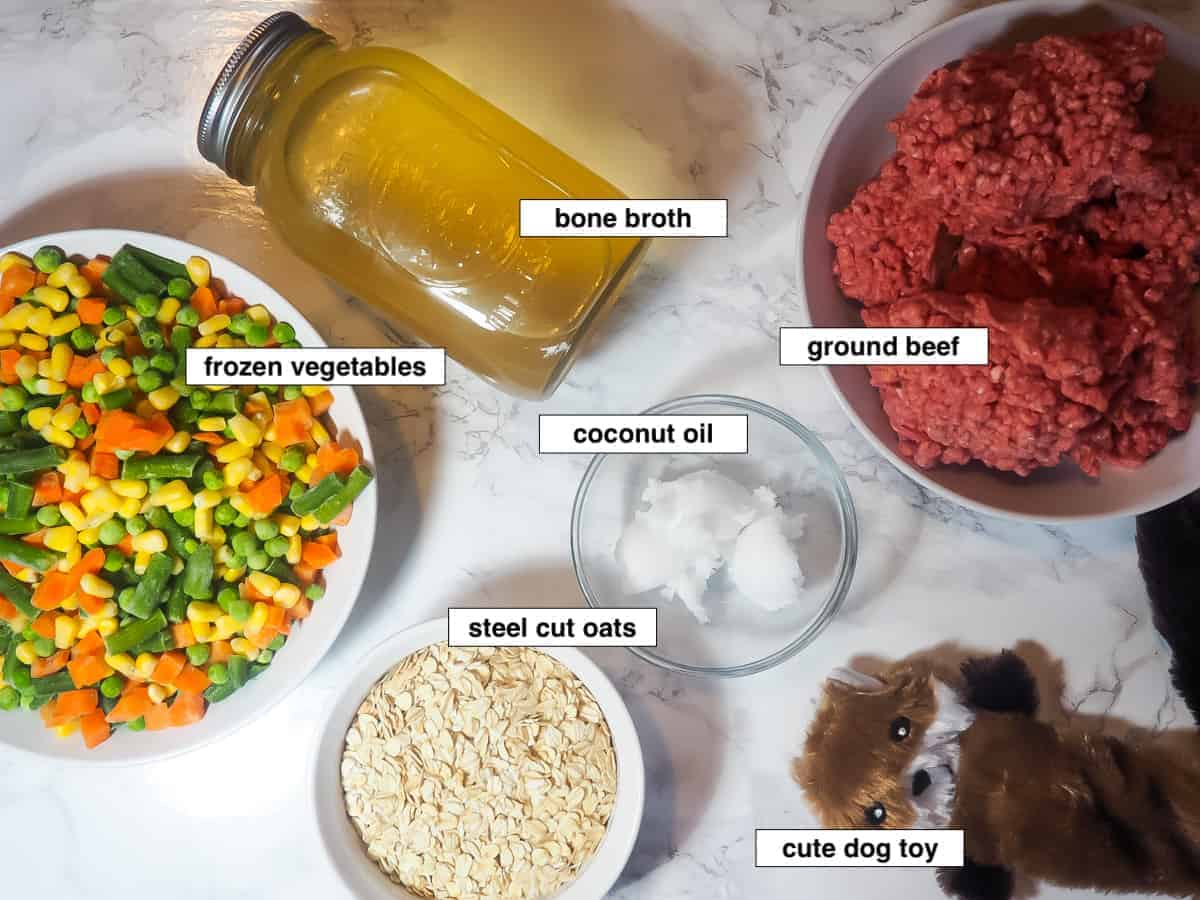
Brown half a pound of lean ground beef in a pan. Add one cup of chopped green beans and a half cup of peas. Cook until vegetables are tender. Mix everything well and let it cool. This dish gives vitamins and minerals with rich protein.
Fish And Sweet Potato Dish
Steam one sweet potato and mash it. Cook a small fillet of white fish thoroughly. Mix the fish with mashed sweet potato and a little cooked spinach. Cool the meal before feeding. This recipe is good for skin and coat health.
Preparation Tips And Storage
Preparing homemade dog food needs care and attention to keep it safe and healthy. Proper preparation and storage help keep nutrients fresh. This protects your dog from harmful bacteria and spoilage. Follow these simple tips for cooking, portioning, and storing your dog’s meals.
Cooking Methods
Cook ingredients thoroughly to kill bacteria. Boiling, steaming, or baking works best. Avoid frying or using oil that can upset your dog’s stomach. Soft cooking helps digestion and keeps nutrients intact. Check that meat is fully cooked but not burnt. Vegetables should be tender but not mushy.
Portion Sizes
Serve the right amount based on your dog’s size and activity. Small dogs need less food than large dogs. Overfeeding leads to weight gain and health problems. Use a kitchen scale or measuring cup to be exact. Adjust portions as your dog’s needs change with age and exercise.
Storing And Shelf Life
Store homemade dog food in airtight containers to keep it fresh. Refrigerate leftovers and use within three days. For longer storage, freeze portions up to three months. Label containers with the date to track freshness. Thaw frozen food in the fridge, not at room temperature.
Customizing Recipes For Your Dog
Customizing homemade dog food helps meet your pet’s unique needs. Every dog is different in age, size, and health. Tailoring recipes ensures they get the right nutrients for a happy life.
Custom meals can improve digestion, energy, and overall health. It also avoids ingredients that might cause harm. Personalizing your dog’s food supports their well-being and longevity.
Adjusting For Age And Size
Puppies need more protein and calories to grow strong. Older dogs benefit from lower calories and joint-supporting nutrients. Small breeds require fewer calories than large breeds.
Adjust portion sizes based on your dog’s weight and activity. Younger dogs have higher energy needs. Senior dogs need gentle diets to protect their organs.
Addressing Allergies
Common dog allergies include beef, chicken, or dairy. Watch for itching, redness, or upset stomach signs. Substitute allergens with novel proteins like turkey or fish.
Grains can also cause allergies. Use grain-free options if needed. Always introduce new ingredients slowly to monitor reactions.
Incorporating Supplements
Supplements fill nutritional gaps in homemade meals. Omega-3 fatty acids support skin and coat health. Glucosamine helps maintain strong joints.
Probiotics promote healthy digestion. Consult your vet before adding supplements. Proper use boosts your dog’s overall nutrition safely.

Credit: barkbellybites.com
Consulting Your Veterinarian
Making homemade dog food can be rewarding and healthy for your pet. Consulting your veterinarian is key before changing your dog’s diet. They help ensure your dog gets all needed nutrients and stays healthy.
Nutritional Guidance
Veterinarians guide you on the right balance of proteins, fats, and carbs. They suggest ingredients that fit your dog’s age, size, and health needs. This advice helps avoid common mistakes in homemade dog food.
Monitoring Health Changes
Your vet watches for signs that food affects your dog’s health. They check weight, energy levels, and coat condition. Any changes can show if the diet works or needs adjustment.
When To Seek Professional Advice
Contact your vet if your dog shows vomiting, diarrhea, or lack of appetite. These signs may mean the food does not agree with them. Regular vet visits help catch problems early and keep your dog strong.
Credit: southern-bytes.com
Frequently Asked Questions
What Ingredients Are Best For Homemade Dog Food?
The best ingredients include lean meats, vegetables, and grains. Chicken, carrots, and brown rice provide balanced nutrition. Avoid onions, garlic, and excessive fats to keep your dog healthy.
How Do I Balance Nutrients In Homemade Dog Food?
Balance protein, carbohydrates, and fats according to your dog’s size and activity level. Include vitamins and minerals through varied ingredients or supplements. Consult a vet to ensure nutritional completeness.
Can Homemade Dog Food Improve My Pet’s Health?
Yes, homemade dog food can improve health by avoiding preservatives and fillers. Fresh ingredients support digestion, coat shine, and energy. However, ensure recipes are nutritionally balanced for best results.
How Often Should I Feed My Dog Homemade Food?
Feed your dog homemade food daily or as a supplement to commercial food. Divide meals into two portions for adult dogs. Puppies may require more frequent feeding for proper growth.
Conclusion
Choosing the best homemade dog food recipe takes care and thought. Fresh ingredients give your dog good nutrition and taste. Balance protein, veggies, and grains for a healthy meal. Always check with your vet before changing food. Homemade meals show your love and keep your dog happy.
Simple recipes make feeding time easy and safe. Your dog deserves the best food every day. Try recipes that fit your dog’s needs and preferences. Healthy food helps your dog stay strong and active. Cooking at home can be fun and rewarding.


