

You want the best for your dog, and feeding them the right food is a big part of that. But how do you know when it’s time to switch your furry friend from puppy food to adult food?
Making the change too early or too late can affect their health, energy, and happiness. You’ll discover the key signs to look for, why timing matters, and how to make the switch smoothly. Keep reading to ensure your dog gets the nutrition they need at every stage of life.
Credit: www.fetchpet.com
Signs Your Puppy Is Growing Up
Puppies grow fast. Their needs change as they grow. Knowing the signs helps you know when to switch to adult food. Watch your puppy carefully. Notice how they change physically and behaviorally. These clues tell you they are growing up.
Physical Changes To Watch
Teeth start to change. Baby teeth fall out. Adult teeth grow in strong. Your puppy’s body also changes. They get taller and heavier. Fur may become thicker or shinier. Energy levels might change too. These physical signs mean your puppy is ready for adult food.
Behavioral Shifts
Your puppy’s behavior will shift. They may act calmer than before. Playtime might be less wild. Puppies start to show more focus. Training becomes easier to handle. Appetite can change too. They may eat less or more at times. These behavior changes show your puppy is maturing.
Credit: www.purina.com
Age Guidelines For Switching
Knowing the right time to switch your dog to adult food helps support healthy growth. Puppies need special nutrients that change as they grow. Feeding adult food too early or too late can affect their health and energy.
Age guidelines vary by breed size and growth rate. Understanding these basics helps you choose the best time for the change.
Breed Size And Growth Rate
Small breed dogs grow faster than large breeds. Small breeds often reach adult size by 9 to 12 months. Large breeds take longer, sometimes up to 18 or 24 months.
Switching food too early for large breeds can cause joint problems. They need puppy food longer for proper bone growth. Small breeds need adult food sooner to avoid excess calories.
General Age Recommendations
Most small and medium dogs switch at about one year old. Large breeds usually switch between 12 and 24 months. Consult your vet for the best timing based on your dog’s breed and health.
Watch your dog’s weight and energy during the switch. Adjust feeding amounts to keep your dog healthy and active.
Nutritional Needs Of Adult Dogs
Adult dogs have different nutritional needs than puppies. Their growth slows down, and their energy levels change. Feeding them the right food helps keep them healthy and active. Adult dog food supports their stable metabolism and maintains their muscle and organ function. Understanding these needs helps you give your dog the best care.
Key Nutrient Differences
Adult dog food has less protein than puppy food. Puppies need more protein for growth. Adult dogs need balanced protein to maintain muscles. Fat content is lower in adult food to prevent weight gain. Fiber helps adult dogs with digestion and keeps them full. Vitamins and minerals support overall health and immune function. The right mix keeps adult dogs strong and healthy.
Avoiding Overfeeding
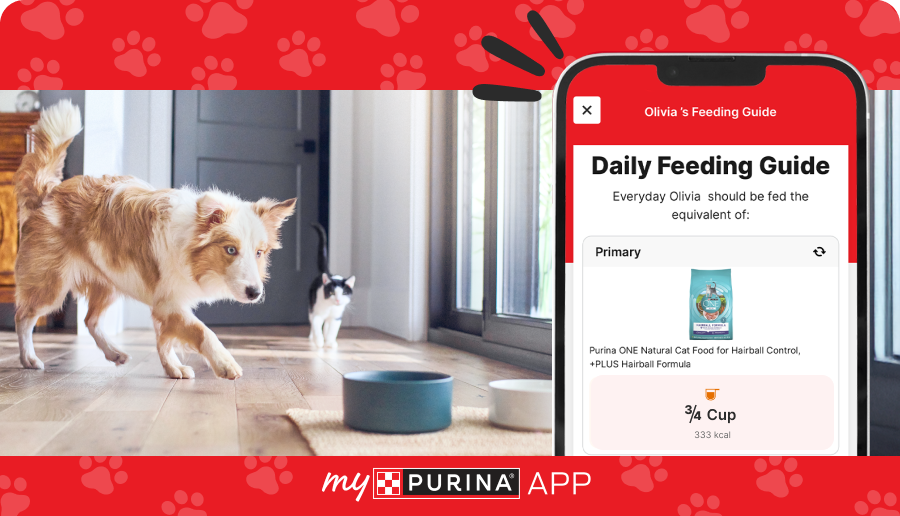
Adult dogs need fewer calories than puppies. Overfeeding can cause obesity and health problems. Measure your dog’s food carefully at every meal. Watch your dog’s weight and adjust food amounts as needed. Choose adult dog food with the right calorie content. Avoid giving too many treats or table scraps. Keeping portions controlled helps maintain a healthy weight.
How To Transition Food Smoothly
Switching your dog to adult food requires care and patience. Sudden changes can upset your dog’s stomach. A smooth transition helps keep your dog healthy and happy. Follow simple steps to make the change easy.
Gradual Introduction Tips
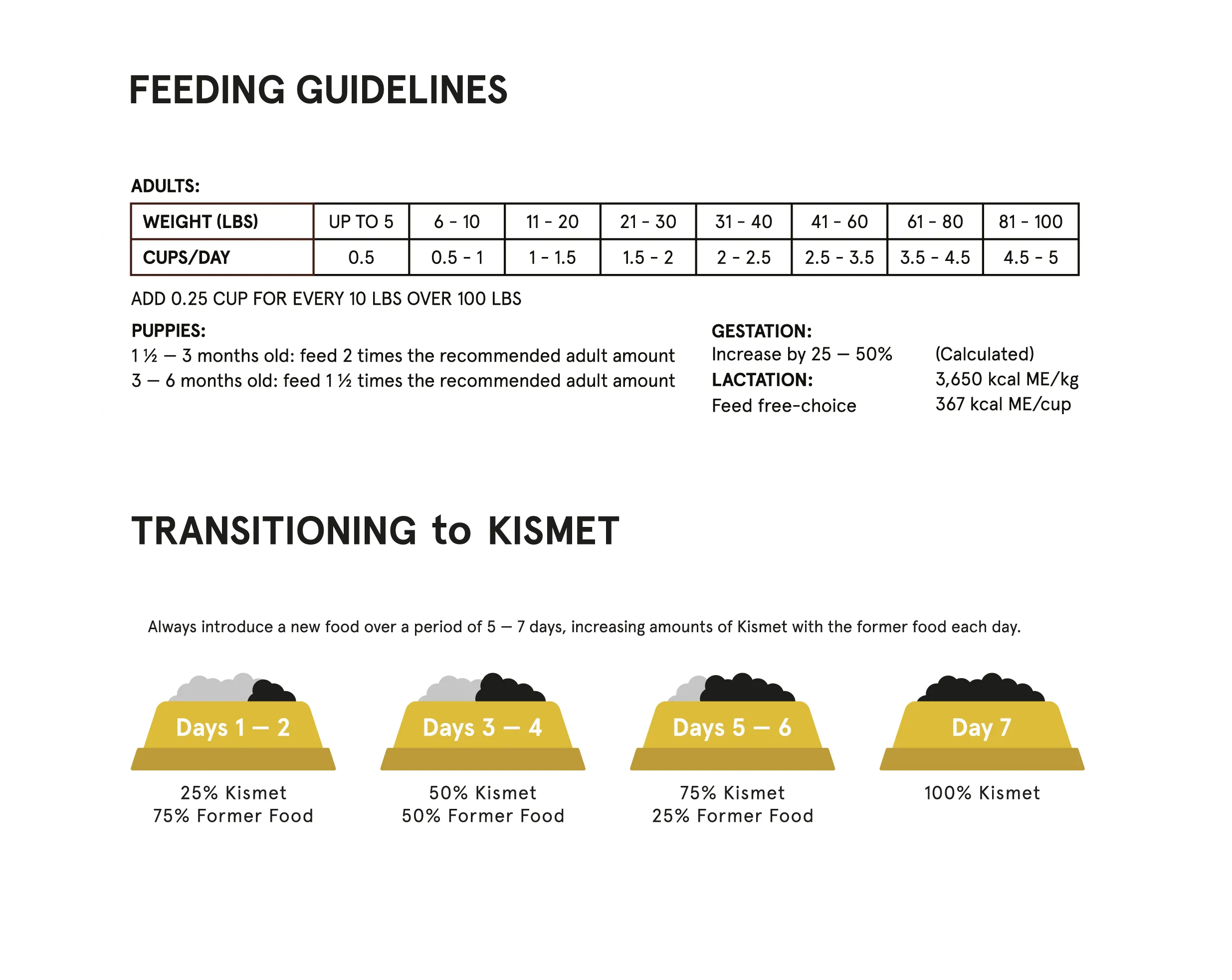
Start by mixing a small amount of adult food with puppy food. Use about 25% adult food and 75% puppy food for three days. Then increase adult food to 50% for the next three days. After that, use 75% adult food and 25% puppy food. Finally, feed only adult food. This slow change helps your dog’s digestive system adjust well.
Monitoring For Allergies
Watch your dog closely during the transition. Look for itching, redness, or swelling. Check for vomiting or diarrhea. These signs may mean an allergy or intolerance. Contact your vet if you see any symptoms. Early action helps avoid serious problems.
Common Mistakes To Avoid
Choosing the right time to switch your dog to adult food is important. Many pet owners make common mistakes that affect their dog’s health. Avoiding these errors helps your dog grow strong and stay healthy. Focus on your dog’s unique needs and growth stage for the best results.
Switching Too Early Or Late
Changing to adult food too soon can cause missing nutrients. Puppies need special food for their growth. Switching too late may lead to weight gain or health issues. Adult food has different nutrient levels. Watch your dog’s size and behavior for clues. Follow your vet’s advice on timing.
Ignoring Individual Needs
Every dog is different. Some grow faster or slower than others. Breed, size, and health affect food needs. A small dog may need adult food earlier than a large dog. Health problems can change diet needs too. Pay attention to your dog’s activity and condition. Adjust the diet based on these signs, not just age.
Credit: www.gallant.com
Consulting Your Veterinarian
Switching your dog to adult food is an important step. It affects their health and growth. Consulting your veterinarian helps make the right choice. Vets understand your dog’s unique needs and health status. They guide you on the best time and food type. This advice keeps your dog healthy and happy.
When To Seek Professional Advice
Seek your veterinarian’s advice before changing your dog’s diet. Dogs grow at different rates. Some mature earlier or later than others. Your vet can tell if your dog is ready for adult food. They watch for signs like weight gain or loss. Sudden changes in appetite also need a vet’s check. Early advice prevents health problems.
Tailoring Food To Health Conditions
Some dogs have special health needs. Conditions like allergies, diabetes, or kidney problems affect food choices. Your veterinarian knows which food suits these issues. They may recommend special adult diets or supplements. Tailored food helps manage health and improves quality of life. Do not guess your dog’s needs. Professional guidance ensures safety and wellness.
Frequently Asked Questions
When Should I Switch My Puppy To Adult Dog Food?
Switch your puppy to adult dog food around 12 months. Large breeds may need to wait 18-24 months. Consult your vet for best timing.
What Signs Show My Dog Needs Adult Food?
Look for slowed growth and less energy bursts. If your dog seems less playful and more mature, it’s time to switch.
Can Switching Too Early Harm My Dog’s Health?
Yes, switching too early can cause nutritional deficiencies. Puppies need extra nutrients for growth that adult food lacks.
How To Transition My Dog To Adult Food Smoothly?
Mix increasing amounts of adult food with puppy food over 7-10 days. This eases digestion and avoids stomach upset.
Conclusion
Switching your dog to adult food supports healthy growth and energy. Watch their age and size to pick the right time. Changing food slowly helps avoid stomach upset. Choosing the right food keeps your dog happy and strong. Pay attention to your dog’s needs as they grow.
Feeding adult food at the right time helps maintain good health. Keep your dog’s diet balanced for a long, active life. Trust your observations and ask your vet when unsure. Your dog deserves the best nutrition at every stage.


