

Are you wondering if you’re feeding your adult dog the right amount? Knowing how many cups of food your dog should eat each day isn’t just about filling their bowl—it’s about keeping them healthy, happy, and full of energy.
Feed too little, and they might feel hungry or lose weight. Feed too much, and you risk obesity and related health problems. You’ll discover the simple guidelines to get your dog’s meal portions just right. Keep reading to make sure your furry friend gets exactly what they need.
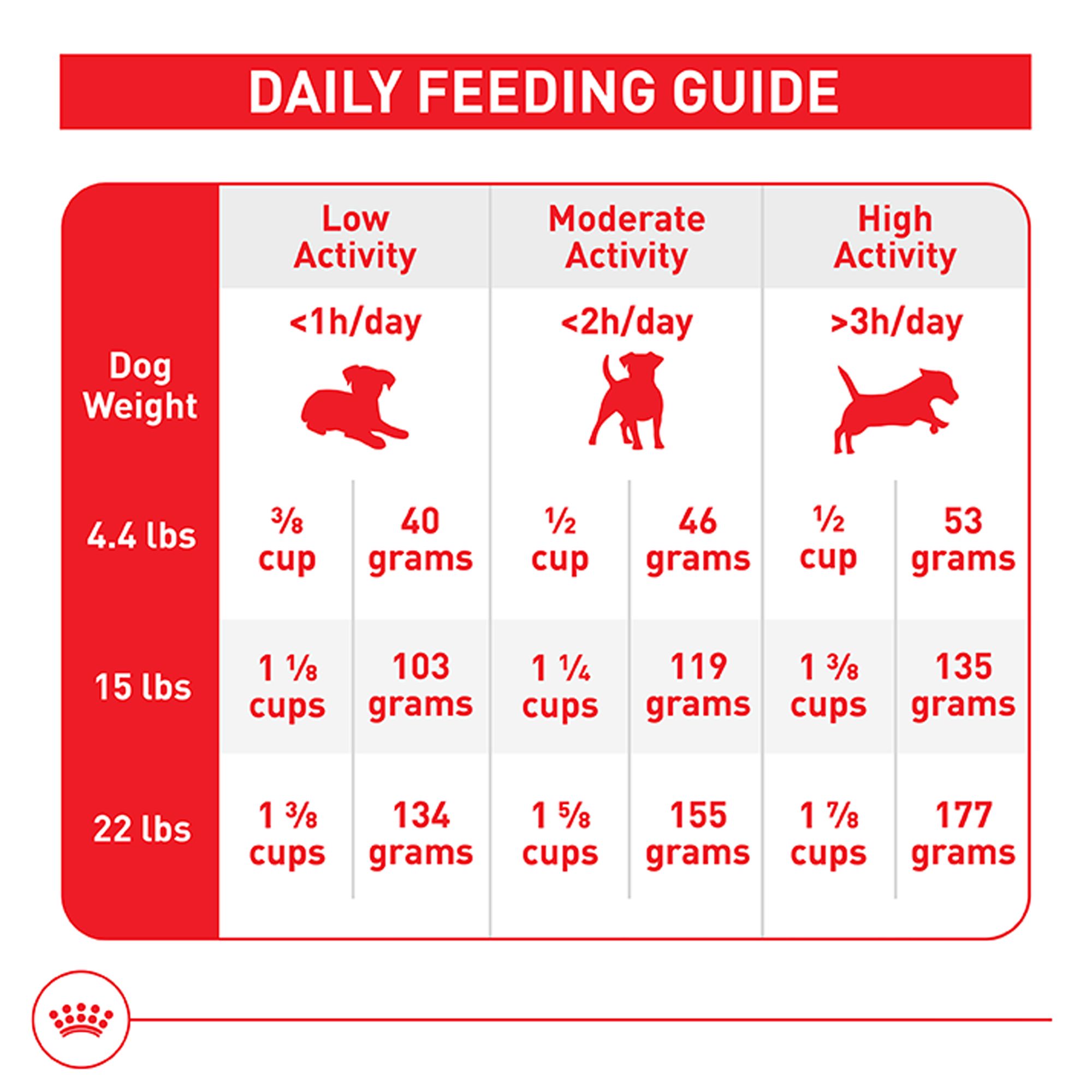
Credit: www.petsmart.com
Daily Food Needs
Knowing how many cups of food your adult dog needs daily is important. It keeps your dog healthy and active. Dogs need the right amount of food to stay fit. Too much or too little food can cause problems.
Each dog is different. Their daily food needs depend on many things. Understanding these helps you feed your dog properly.
Factors Affecting Intake
Age plays a big role in food intake. Younger dogs usually eat more than older dogs. Size matters too. Bigger dogs need more food than small ones.
Activity level is key. Active dogs burn more calories and need more food. Less active dogs need less food to avoid weight gain. Health conditions also affect appetite and food needs.
Calorie Requirements
Calories are the energy your dog gets from food. Adult dogs need between 30 and 70 calories per pound each day. Active dogs need calories at the higher end of the range.
To find out how many cups to feed, check the calorie content on the dog food package. Divide your dog’s daily calorie needs by the calories per cup. This gives the number of cups to feed daily.
Measuring Dog Food
Measuring dog food correctly is key to keeping your adult dog healthy. Too much food can cause weight gain. Too little food can lead to malnutrition. Accurate measurement helps maintain a balanced diet.
Many dog owners use cups to measure food. This method is quick and easy. But it may not always be precise. Understanding different ways to measure food can improve your dog’s health.
Using Standard Cups
Standard measuring cups are common for feeding dogs. These cups usually hold 8 fluid ounces. Dry dog food is measured by volume, not weight. This can cause variation depending on kibble size and shape.
Use the same cup every time to keep portions consistent. Level off the food for a more accurate amount. Avoid packing the food down, as it increases volume. Measuring by cups is good for daily feeding but has limits.
Weighing Food For Accuracy
Using a kitchen scale gives the most accurate food measurement. Weight does not change with kibble shape or size. You can follow your vet’s recommended grams per meal precisely.
Place a bowl on the scale and zero it out. Add food until the desired weight is reached. This method removes guesswork and helps control your dog’s calorie intake. It is especially useful for dogs with special diet needs.
Breed And Size Impact
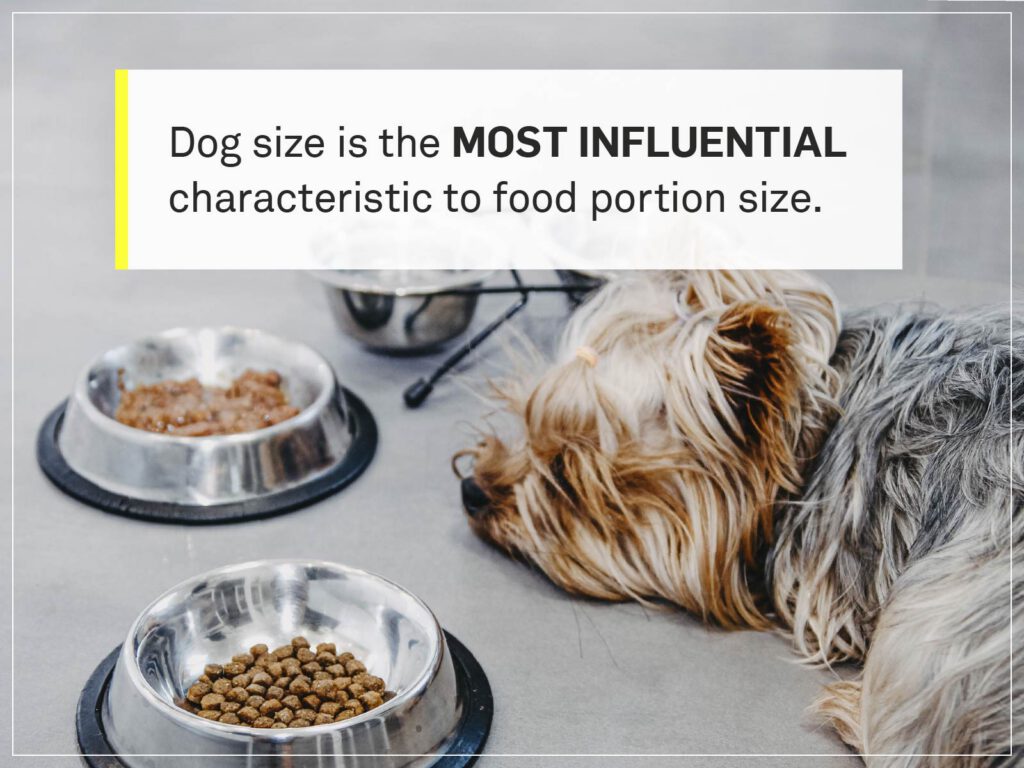
Breed and size play a big role in deciding how much food an adult dog needs. Different breeds have different energy needs. Size affects the amount of calories and nutrients a dog requires daily. Feeding the right portion helps keep your dog healthy and happy.
Small Breeds
Small breeds need fewer cups of food per day. Their tiny bodies burn calories fast. They usually eat about 1/2 to 1 1/2 cups daily. Feeding small, frequent meals helps keep their energy steady. Avoid overfeeding to prevent weight gain.
Medium Breeds
Medium breeds need more food than small dogs. Their daily intake ranges from 1 1/2 to 3 cups. These dogs have moderate energy levels. Balanced meals support their growth and activity. Measure food carefully to maintain a healthy weight.
Large Breeds
Large breeds require the most food by volume. They often eat 3 to 6 cups per day. Their slower metabolism needs nutrient-rich meals. Large dogs benefit from food that supports joints and bones. Controlled portions reduce risks of obesity and health issues.
Activity Level And Metabolism
Activity level and metabolism affect how much food a dog needs daily. Dogs that move more burn calories faster. Their bodies need more fuel to keep up energy and health. On the other hand, dogs that move less use fewer calories. They need less food to avoid gaining extra weight. Understanding your dog’s activity helps set the right food amount.
Active Dogs
Active dogs need more food each day. They run, play, or work hard. Their muscles burn more energy. Feeding too little can cause tiredness or weight loss. A good rule is to give them extra cups of food. Usually, active dogs eat about 2 to 3 cups daily. This depends on size and breed too. Watch their body condition and adjust food if needed.
Sedentary Dogs
Sedentary dogs move little during the day. They may mostly rest or sleep. Their bodies need fewer calories. Feeding too much leads to weight gain and health issues. Sedentary dogs usually need about 1 to 1.5 cups of food daily. Keep an eye on their weight and energy. Adjust portions to keep them fit and healthy.
Age And Health Considerations
Age and health play a big role in how much food an adult dog needs. Dogs of different ages and health conditions require different amounts of food. Feeding the right amount helps keep your dog healthy and happy.
Senior Dogs
Older dogs need fewer calories than younger adults. Their activity levels drop, so they burn less energy. Feeding too much can cause weight gain and joint problems. Senior dogs often benefit from diets with more fiber and less fat. Smaller, frequent meals can help with digestion. Watch their weight and adjust food amounts carefully.
Dogs With Medical Conditions
Dogs with health issues need special food amounts and types. Conditions like diabetes, kidney disease, or allergies require tailored diets. Overfeeding can worsen some illnesses. Underfeeding can cause malnutrition and weakness. Always follow your vet’s advice on food quantity. Monitor your dog’s response and adjust as needed.
Types Of Dog Food
Choosing the right type of food is important for your dog’s health and happiness. Different foods offer different benefits and can affect how much your dog should eat. Understanding the main types helps you pick the best option for your pet.
Dry Kibble
Dry kibble is the most common type of dog food. It is easy to store and usually less expensive. Kibble helps keep your dog’s teeth clean by reducing plaque buildup. It comes in many formulas for different dog sizes and health needs. Measuring kibble is simple, making portion control easier.
Wet Food
Wet food has a higher moisture content than dry kibble. It is softer and easier to chew, which suits older dogs or those with dental problems. Wet food often has a stronger smell and taste that many dogs enjoy. It can be mixed with kibble to add variety and hydration.
Raw Diets
Raw diets include uncooked meat, bones, and organs. Some owners believe raw food is closer to what dogs ate in the wild. It may provide more natural nutrients and improve coat shine. Handling raw food requires care to avoid bacteria and ensure balanced meals. Consult a vet before switching to a raw diet.
Feeding Schedules
Feeding schedules help keep your dog healthy and happy. Dogs thrive on routine. A regular schedule supports digestion and energy levels. It also prevents overeating and obesity. Setting clear meal times makes feeding easier for both you and your dog.
Every dog is different. Age, size, and activity affect how often they should eat. Understanding these needs helps you create the best schedule.
Meal Frequency
Most adult dogs eat two meals a day. Morning and evening work well for many owners. Splitting food into two meals helps control hunger. It keeps your dog’s energy steady throughout the day. Some dogs benefit from three smaller meals. This suits dogs with sensitive stomachs or high activity. Watch your dog’s behavior to find the right frequency. Consistency is key to good digestion and routine.
Portion Control Tips
Measuring food keeps your dog at a healthy weight. Use a standard measuring cup for accuracy. Follow the feeding guide on your dog food package. Adjust portions based on your dog’s weight changes and activity. Avoid free feeding to prevent overeating. Divide the total daily amount into the chosen number of meals. Monitor your dog’s body condition regularly. A fit dog has a visible waist and ribs you can feel but not see.
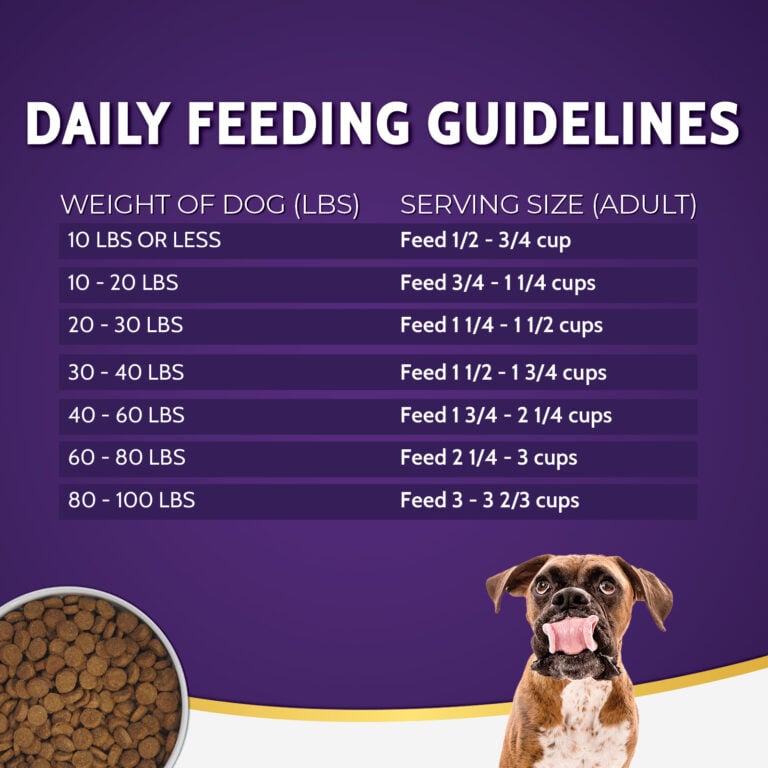
Credit: zignature.com
Signs Of Overfeeding And Underfeeding
Knowing the signs of overfeeding and underfeeding helps keep your dog healthy. Too much or too little food can cause health problems. Watch your dog’s body and behavior for clues.
Weight Changes
Weight gain often means overfeeding. Your dog may look rounder or heavier. Check ribs and waist regularly. If ribs are hard to feel, your dog may be overweight. Sudden weight loss can signal underfeeding. Your dog might feel bony or thin. Both weight gain and loss need attention.
Behavioral Clues
Overfed dogs can become lazy or less active. They may lie down more and play less. Underfed dogs often seem hungry all the time. They might beg, sniff around, or try to eat more. Some dogs become restless or anxious if underfed. Watch your dog’s mood and energy for signs.
Adjusting Portions Over Time
Adjusting your adult dog’s food portions over time is important. Dogs’ needs change as they grow and as their activities change. Feeding the right amount helps keep your dog healthy and happy. Watch your dog closely to know when to change portions. Small changes can make a big difference in their well-being.
Monitoring Body Condition
Check your dog’s body regularly to see if it is too thin or overweight. Feel their ribs gently; you should feel them but not see them. Look at their waist from above. A clear waist means good condition. Adjust the food amount if your dog gains or loses weight. Keep track of changes to keep your dog fit.
Seasonal Changes
Your dog’s food needs can change with the seasons. Dogs may need more calories in cold weather to keep warm. In summer, they might need less food because they are less active. Watch your dog’s energy and weight through the year. Change food portions based on how active your dog is each season.
Consulting Professionals
Feeding an adult dog the right amount of food is important for its health. Many factors affect how much your dog should eat. Consulting professionals can help you find the best feeding plan. They have the knowledge to guide you properly. Their advice can prevent overfeeding or underfeeding your dog.
Veterinarian Advice
Veterinarians know your dog’s health in detail. They consider age, weight, and activity levels. They check for health problems that affect diet. Vets recommend the right food amount based on these factors. Regular checkups help adjust feeding as your dog changes. Trust their advice to keep your dog healthy.
Professional Nutritionists
Nutritionists specialize in pet diets and balanced meals. They understand the nutrients dogs need daily. Nutritionists create meal plans to meet your dog’s needs. They help choose the best type of food for your dog. Their guidance ensures your dog gets enough energy and vitamins. Consult a nutritionist for expert feeding tips.
Credit: www.gallant.com
Frequently Asked Questions
How Many Cups Of Food Should An Adult Dog Eat Daily?
An adult dog generally needs 2 to 3 cups of food daily. The exact amount depends on the dog’s size, age, and activity level. Always follow your veterinarian’s advice for precise feeding portions.
Does Dog Breed Affect Daily Food Portions?
Yes, dog breed influences food requirements. Larger breeds need more food, while smaller breeds require less. Adjust feeding amounts based on breed-specific energy needs.
How Often Should I Feed My Adult Dog?
Most adult dogs should be fed twice a day. Splitting meals helps maintain energy and prevents overeating. Consult your vet for personalized feeding schedules.
Can Overfeeding Harm My Adult Dog?
Overfeeding can lead to obesity and health problems. It’s important to measure portions and avoid extra treats. Maintain a balanced diet for your dog’s wellbeing.
Conclusion
Feeding your adult dog the right amount keeps them healthy and happy. Watch their weight and energy to adjust food portions. Different breeds and ages need different amounts. Consult your vet for the best advice. Consistency matters—feed at regular times each day.
Balanced meals support your dog’s growth and well-being. Small changes in food can make a big difference. Stay patient and observe your dog’s needs closely. Good feeding habits lead to a long, joyful life together.


