Have you ever wondered if your pet’s diet should be anything like yours? You might think that since dogs and cats live with us and share our homes, their food needs are similar to yours.
But is that really true? Understanding whether humans and our furry friends require the same nutrients can change how you feed them—and even impact their health and happiness. Keep reading to discover surprising facts that might make you rethink what’s on your pet’s plate.
Nutritional Needs Of Humans
The nutritional needs of humans are unique and complex. Humans require a balanced diet to stay healthy and strong. Food provides energy and supports body functions. Each nutrient plays a specific role. Understanding these needs helps maintain good health.
Humans need a variety of nutrients from different food groups. These nutrients support growth, repair, and daily activities. Eating well helps prevent diseases and improves quality of life.
Essential Nutrients For Humans
Humans need six main nutrients: carbohydrates, proteins, fats, vitamins, minerals, and water. Carbohydrates supply quick energy. Proteins help build and repair tissues. Fats store energy and protect organs. Vitamins and minerals support many body processes. Water keeps the body hydrated and aids digestion.
Caloric Requirements
Calories measure energy from food. Humans need different calories based on age, gender, and activity. Too few calories cause weakness and poor growth. Too many lead to weight gain and health problems. Balancing calorie intake helps maintain a healthy weight.
Dietary Fiber And Hydration
Fiber is found in fruits, vegetables, and grains. It helps digestion and prevents constipation. Drinking enough water is vital. Water supports all body functions and removes waste. Together, fiber and water keep the digestive system healthy.

Credit: drruthroberts.com
Nutritional Needs Of Dogs
Dogs need a balanced diet to stay healthy and active. Their nutritional needs differ from humans and other pets like cats. Understanding what dogs require helps provide proper care and avoid health problems. Nutrition affects energy, growth, and overall well-being.
Each nutrient plays a special role in a dog’s body. Feeding the right amount of protein, fats, vitamins, and minerals supports their daily functions. Quality food keeps dogs strong and happy.
Key Nutrients For Canine Health
Dogs need several key nutrients for good health. These include proteins, fats, carbohydrates, vitamins, and minerals. Water is also vital for hydration and body processes. A balanced diet combines these nutrients in the right amounts. Missing nutrients can cause illness or poor growth.
Protein And Fat Requirements
Protein is essential for muscle repair and growth. Dogs need more protein than humans. Good sources include meat, fish, and eggs. Fats provide energy and help absorb vitamins. They also keep the skin and coat healthy. Fat comes from animal fat or oils like fish oil. Too little fat affects energy; too much causes weight gain.
Vitamins And Minerals For Dogs
Vitamins and minerals support many body functions. Vitamins A, D, E, and B-complex help vision, bones, and metabolism. Minerals like calcium and phosphorus build strong teeth and bones. Iron carries oxygen in the blood. Zinc boosts the immune system. A lack of these nutrients can lead to health issues.
Nutritional Needs Of Cats
Cats have very specific nutritional needs that differ from many other animals. Their bodies require certain nutrients that only come from animal sources. Understanding these needs helps pet owners provide the best care. This section explains the essential parts of a cat’s diet.
Obligate Carnivore Diet
Cats are obligate carnivores. This means they must eat meat to survive. Plant-based foods cannot meet their nutrient needs. Their digestive systems are designed to process proteins and fats from animals. Without enough animal protein, cats can develop health problems.
Taurine And Other Essential Nutrients
Taurine is a vital nutrient only found in animal tissue. Cats cannot make enough taurine on their own. Lack of taurine causes serious heart and eye issues. They also need other nutrients like arachidonic acid and vitamin A, which come from meat. These nutrients keep cats healthy and active.
Water Intake And Hydration
Cats naturally have a low thirst drive. They get most of their water from wet food in the wild. Domestic cats eating dry food need extra water. Proper hydration supports kidney function and overall health. Always provide fresh water to help prevent dehydration.
Credit: www.pawsitivecareanimalhospital.com
Comparing Human And Pet Diets
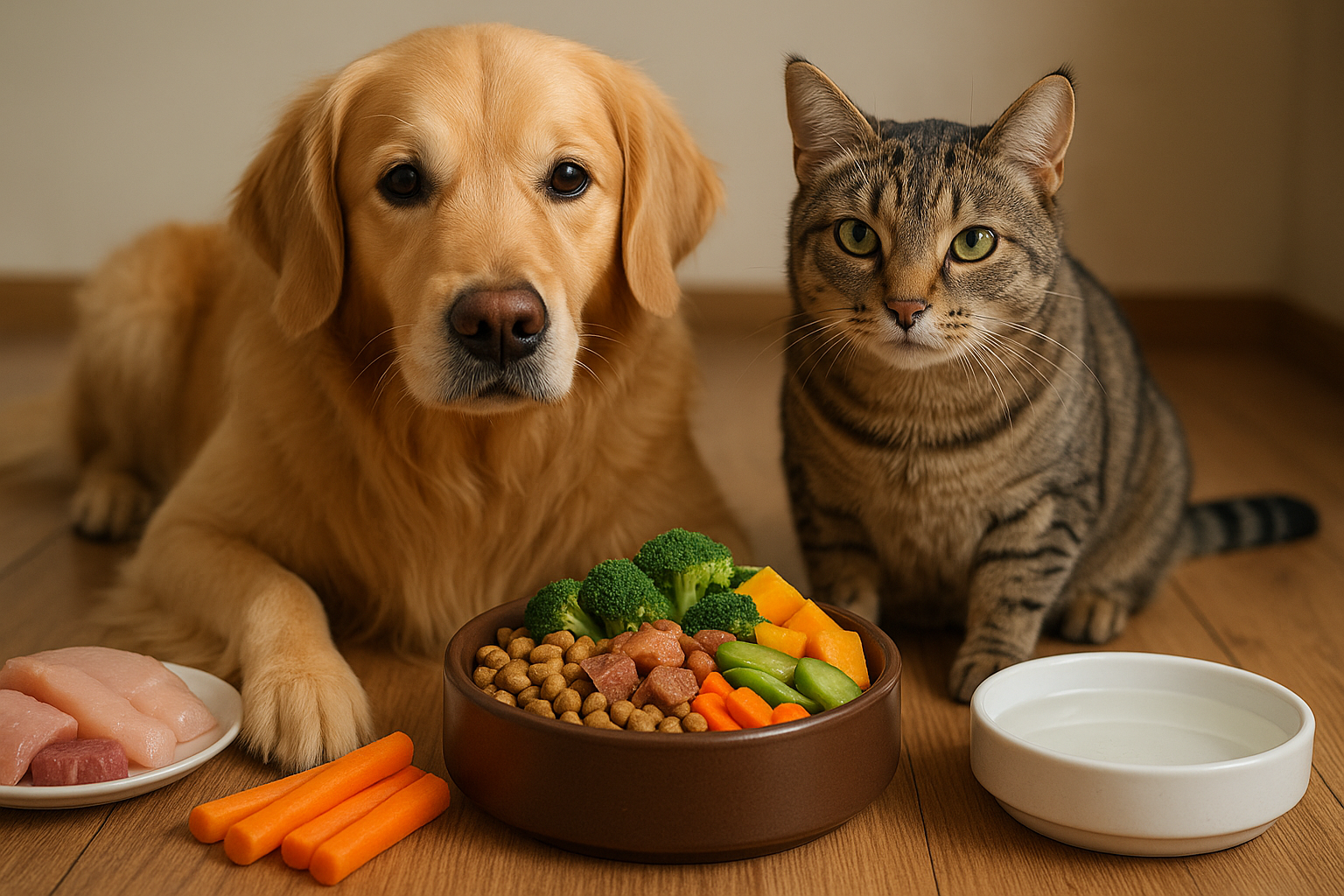
Humans, dogs, and cats have very different diets. Their bodies need different things to stay healthy and strong. Understanding these differences helps us feed them right.
Pet diets are not just smaller versions of human meals. Each species has unique nutritional needs. These needs come from how their bodies work and what they evolved to eat.
Macronutrient Differences
Humans need a balanced mix of carbohydrates, proteins, and fats. Carbohydrates provide quick energy. Proteins help build muscles. Fats support brain health and energy storage.
Dogs are omnivores but require more protein than humans. They can digest some carbs but thrive on meat. Cats are strict carnivores. They need high protein and fat but very few carbs.
Vitamin And Mineral Variations
Humans get vitamins and minerals from fruits, vegetables, and meat. Vitamin C is essential for humans. Dogs and cats can make their own Vitamin C, so they do not need it in their diet.
Cats need specific nutrients like taurine and arachidonic acid. These come only from animal sources. Dogs need a wider range of vitamins but in different amounts than humans.
Digestive System Differences
Humans have longer intestines for digesting plants and meat. Dogs have shorter digestive tracts, designed for meat and some plants. Cats have the shortest tracts, perfect for a meat-based diet.
Enzymes in pets’ stomachs differ from humans. Cats lack enzymes to break down plant fibers. Dogs can handle some plant material but not as well as humans.
Common Misconceptions About Pet Nutrition
Many pet owners believe pet nutrition is similar to human nutrition. This idea causes confusion about what to feed dogs and cats. Pets have different bodies and needs. Their diets must meet those unique needs for good health. Understanding common myths helps avoid feeding mistakes.
Feeding Pets Human Food
People often share their meals with pets. Some human foods harm pets. Chocolate, onions, and grapes can be toxic. Pets need balanced meals made for them. Human food lacks important nutrients pets require. Feeding scraps can lead to obesity and digestive issues.
Myths About Vegan Or Vegetarian Pet Diets
Some believe pets can thrive on plant-only diets. Dogs can adapt, but cats cannot. Cats need nutrients found only in meat. Vegan diets may cause serious health problems in pets. Always check with a vet before changing diets.
Supplements And Additives
Many pet owners add vitamins or supplements. Not all supplements are safe or needed. Overuse can cause harm instead of help. Pets get nutrients from quality food. Consult a vet before adding anything to your pet’s diet.

Credit: www.pawsitivecareanimalhospital.com
Health Risks Of Inappropriate Diets
Feeding pets the wrong diet causes serious health problems. Dogs and cats need different nutrients than humans. Giving them inappropriate food risks their well-being. Understanding these risks helps keep pets healthy and happy.
Nutrient Deficiencies In Pets
Pets lack some nutrients found in human food. Missing essential vitamins and minerals harms their growth and energy. Cats need taurine, a nutrient not in many human foods. Deficiency causes heart and eye problems. Dogs need balanced protein and fats for healthy skin and muscles. Poor diets lead to weak immune systems and illness.
Obesity And Overfeeding
Overfeeding pets causes obesity, a common health issue. Extra weight strains joints and organs. Obese pets face diabetes, heart disease, and low energy. Treats and table scraps add too many calories. Portion control and proper pet food prevent excess weight. Exercise also helps maintain a healthy body.
Toxic Foods For Dogs And Cats
Certain human foods are toxic to pets. Chocolate, grapes, onions, and garlic cause poisoning. Symptoms include vomiting, diarrhea, and seizures. Some foods damage the liver or kidneys. Avoid feeding pets leftovers without checking safety. Keep toxic foods out of pets’ reach at all times.
Guidelines For Balanced Pet Nutrition
Balanced nutrition is key to keeping pets healthy and happy. Pets need the right mix of proteins, fats, vitamins, and minerals. Their bodies work differently from humans, so their diets must fit their unique needs. Understanding these guidelines helps pet owners provide proper care.
Pets require consistent nutrition to support growth, energy, and overall wellness. Poor diets can lead to health problems. Follow clear guidelines to meet their dietary needs effectively.
Choosing Commercial Pet Foods
Commercial pet foods often meet nutritional standards set by experts. Look for products labeled as complete and balanced. These foods contain essential nutrients in the right amounts. Check the ingredient list for quality sources of protein and fats. Avoid foods with too many fillers or artificial additives. Choose brands with a good reputation and transparent ingredient sourcing.
Homemade Diets And Safety
Some pet owners prefer homemade meals. Homemade diets allow control over ingredients and freshness. It is important to include all necessary nutrients in the right balance. Consult recipes from trusted sources to avoid missing vital nutrients. Avoid harmful foods like onions, chocolate, and grapes. Proper food handling and storage reduce the risk of contamination and illness.
Consulting Veterinarians
Veterinarians provide expert advice on pet nutrition. Regular check-ups help identify specific dietary needs. Vets can recommend supplements or special diets for health conditions. They also guide portion sizes based on age, weight, and activity level. Always ask a vet before making major diet changes. Their guidance ensures pets stay healthy and strong.
Future Trends In Pet Nutrition
The future of pet nutrition is changing fast. Science and technology bring new ideas to feed dogs and cats better. These changes focus on health, ethics, and personal care. Pets will get food made just for them. This helps them live longer and feel happier.
Pet owners want to give their animals the best food. New trends show ways to meet pets’ unique needs. These trends also care about the planet and how food is made. The future of pet nutrition looks bright and smart.
Personalized Diet Plans
Pets have different needs based on age, size, and health. Personalized diets use data to create meals for each pet. This means better nutrition and fewer health problems. Vets and nutritionists work together to design these plans. It helps pets get the right vitamins and minerals.
Sustainable And Ethical Choices
More pet owners want food that is good for the Earth. Sustainable pet food uses ingredients that do not harm nature. Ethical choices avoid animal suffering and waste. Plant-based proteins and insect meals are new options. These choices help protect the environment for future pets.
Advances In Nutritional Science
Science finds new ways to improve pet food quality. Researchers study how pets digest food and what they need. Supplements and probiotics are becoming common in pet diets. These advances support digestion, immunity, and energy. Better science means healthier pets and smarter feeding.
Frequently Asked Questions
Do Humans And Pets Share Nutritional Needs?
Humans and pets have different nutritional needs. Pets like dogs and cats require specific nutrients not essential for humans. Their diets must support their unique metabolism and health.
Can Dogs And Cats Eat Human Food Safely?
Some human foods are safe for pets, but many are harmful. Always check if a food is pet-safe before feeding. Pets need balanced, species-specific diets for optimal health.
Why Do Pets Need Special Diets?
Pets have unique digestive systems and nutritional requirements. Special diets help prevent health issues and support growth, energy, and immune function. Proper pet nutrition ensures long, healthy lives.
Are Pet Nutritional Requirements Different By Species?
Yes, dogs and cats have distinct needs. Cats need more protein and certain amino acids like taurine. Dogs require balanced protein and carbohydrates. Species-specific diets are crucial for health.
Conclusion
Humans, dogs, and cats need different nutrients to stay healthy. Each species has unique dietary needs that suit their bodies. Feeding pets human food can cause health problems. Pets require balanced diets made for them. Understanding these differences helps keep pets happy and well.
Always choose the right food for your pet’s health. Remember, good nutrition supports long and active lives. Take care when selecting food for your furry friends. Their health depends on what they eat every day.