

Are you sure you’re feeding your adult dog the right amount of food? Giving too much can lead to serious health problems, while too little might leave your furry friend feeling hungry and weak.
Finding the perfect balance is easier than you think, but it starts with understanding how much is too much. Keep reading to discover the simple signs that show when your dog’s diet needs a change—and how you can make sure your pet stays happy, healthy, and full of energy.
Daily Feeding Guidelines
Feeding your adult dog the right amount of food daily is important for health and happiness. Too much food can lead to weight gain and health problems. Too little food can cause weakness and poor energy. Knowing daily feeding guidelines helps keep your dog balanced and strong.
Daily feeding depends on your dog’s size, breed, and activity. Dogs burn different calories based on these factors. Following simple guidelines makes feeding easier and safer.
Calorie Needs By Breed And Size
Small dogs need fewer calories than large dogs. Tiny breeds may need around 200 to 400 calories per day. Medium dogs need 700 to 1,000 calories. Large breeds can require 1,200 to 2,000 calories daily. Each breed has unique needs based on metabolism and body type.
Check the food label for calorie content per cup. Measure food portions according to your dog’s size. Avoid guessing portions to prevent overfeeding or hunger.
Adjusting Portions For Activity Level
Active dogs need more calories than less active dogs. A dog that runs or plays daily burns more energy. Increase food portions slightly for active dogs. Less active or older dogs need fewer calories. Reduce food to avoid weight gain.
Watch your dog’s weight and energy. Adjust portions based on how much your dog moves. Feeding should match your dog’s daily energy use.
Risks Of Overfeeding
Feeding an adult dog too much food causes serious risks. Overfeeding harms your dog’s body and health. Understanding these risks helps keep your dog safe and happy. Here are the main problems that come from giving too much food.
Weight Gain And Obesity
Too much food leads to weight gain fast. Dogs store extra calories as fat. Obesity makes your dog less active and slower. Heavy dogs tire easily and may avoid exercise. Carrying extra weight strains joints and bones. This pain can stop dogs from moving well. Overweight dogs often face shorter lifespans. Keeping a healthy weight is key to their happiness.
Health Issues Linked To Excess Food
Overfeeding causes many health problems beyond weight. Dogs can get heart disease from too much fat. Diabetes is common in overweight dogs. Their bodies struggle to manage sugar properly. Joint problems like arthritis become worse. Breathing troubles also rise with extra fat. Liver and kidney issues can develop too. Feeding the right amount helps prevent these illnesses.
Signs Of Overfeeding
Overfeeding an adult dog can lead to serious health problems. It is important to recognize the signs early. Knowing these signs helps protect your dog’s health and happiness.
Behavioral Changes
Dogs that eat too much may act differently. They might become less active or lazy. Some dogs may show signs of discomfort or irritability. Overfed dogs often beg for food more than usual. They may also seem restless or unable to settle down. These changes in behavior signal a problem with their diet.
Physical Symptoms
Overfeeding can cause visible changes in your dog’s body. Weight gain is the most obvious sign. You may notice a rounder belly or difficulty moving. Some dogs develop a greasy or dull coat. Frequent burping or vomiting can also occur. Watch for these symptoms to avoid serious health issues.
Credit: www.pdsa.org.uk
Measuring The Right Portion
Measuring the right portion of adult dog food keeps your pet healthy. Feeding too much can cause weight gain. Feeding too little can lead to hunger and low energy. Finding the correct amount is key to a happy dog.
Using A Food Scale
A food scale helps measure dog food accurately. It shows exact weight in grams or ounces. Use a bowl on the scale to hold the food. Zero out the bowl weight before measuring. This method avoids guesswork and prevents overfeeding.
Weighing meals ensures your dog gets the right fuel. It adjusts portions based on your dog’s size and activity. Change the amount slowly if your dog’s weight changes.
Reading Dog Food Labels
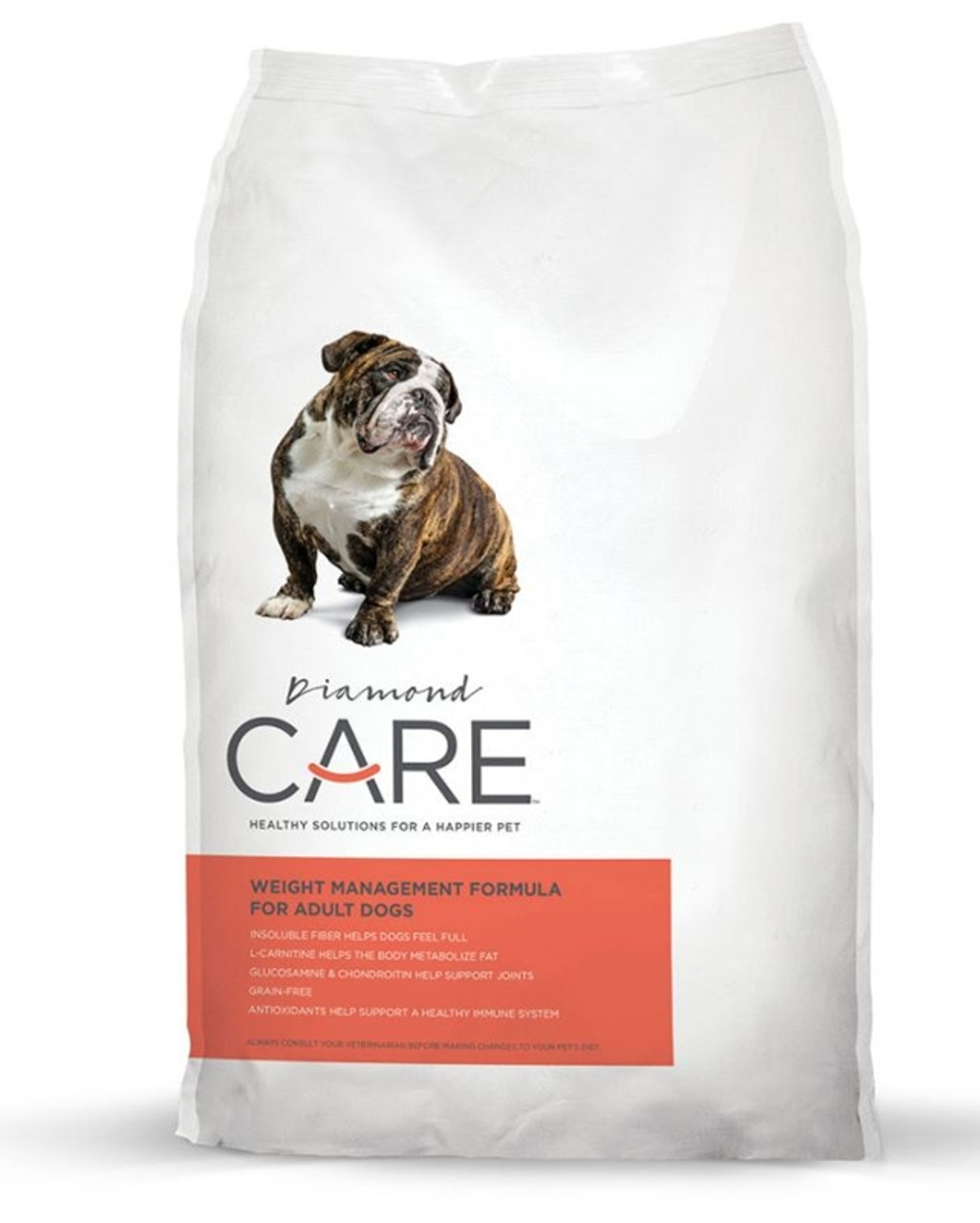
Dog food labels provide portion guidelines. They suggest how much food your dog needs each day. These amounts depend on weight, age, and activity level. Find the recommended daily amount and divide it by meals.
Look for feeding charts on the package. Use them as a starting point. Adjust portions if your dog gains or loses weight. Always check the calorie content listed on the label.
Feeding Schedules And Frequency
Feeding schedules and frequency play a big role in your dog’s health. Feeding your dog the right amount at the right times helps avoid overeating. It also keeps your dog’s digestion steady. Setting a clear feeding routine can make mealtime easier for both of you.
Meal Timing Options
Adult dogs usually eat once or twice a day. Some owners prefer feeding in the morning and evening. Others choose one meal in the middle of the day. The best choice depends on your dog’s age, size, and energy level. Small dogs may need more frequent meals. Large dogs often do well with two meals daily.
Try to feed your dog at the same times every day. This helps the dog know when to expect food. Avoid free-feeding or leaving food out all day. This can lead to overeating and weight gain.
Benefits Of Consistent Feeding Times
Consistent feeding times improve your dog’s digestion and metabolism. Dogs feel more secure with a routine. They are less likely to beg for snacks or food. Regular meals help you notice changes in appetite or health. This can alert you to potential problems early.
Keeping a feeding schedule also helps control portion sizes. It prevents giving too much food. Overfeeding can cause obesity and other health issues. A steady schedule supports a healthy weight and better behavior.
Credit: www.thepetpantry.com
Special Considerations
Some dogs need special care when it comes to food amounts. Age and health problems change how much food they require. Feeding too much or too little can cause health issues. Understanding these needs helps keep your dog healthy and happy.
Senior Dogs
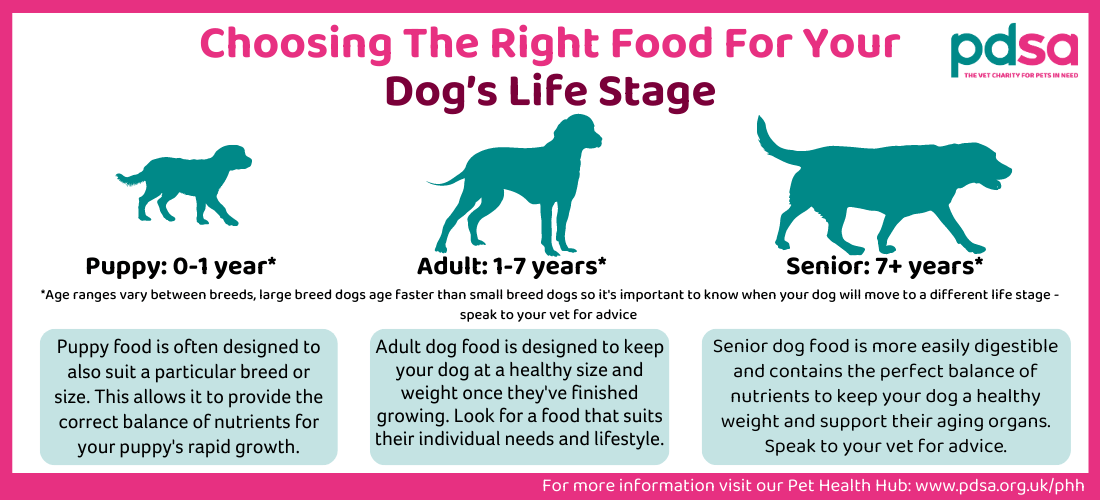
Older dogs have slower metabolisms. They burn fewer calories than younger dogs. Feeding the same amount as before may lead to weight gain. Senior dogs need fewer calories but balanced nutrition. Watch their weight and adjust food portions carefully. Too much food can cause joint and heart problems.
Dogs With Medical Conditions
Health problems affect how much your dog should eat. Dogs with diabetes, kidney disease, or allergies need special diets. Overfeeding can worsen these conditions. Some dogs need low-fat or low-protein food. Always follow your vet’s advice on portion size. Careful feeding helps manage their condition better.
Expert Tips For Healthy Feeding
Feeding an adult dog the right amount of food is key to its health. Experts share tips to help pet owners avoid overfeeding. These tips keep dogs happy and fit. Follow simple guidelines to feed your dog properly every day.
Healthy feeding means more than just giving food. It includes watching treats and checking your dog’s weight. These small steps make a big difference in your dog’s life.
Balancing Treats And Meals
Treats are tasty rewards for good behavior. But too many treats can cause weight gain. Treats should not exceed 10% of your dog’s daily calories. Use small treats and give them less often. Always count treats as part of your dog’s food intake.
Monitoring Weight And Health
Regularly check your dog’s weight to catch problems early. Use a scale or visit the vet for accurate readings. Watch for signs like difficulty walking or a bulging belly. Healthy dogs have a visible waist and ribs you can feel. Adjust food amounts based on your dog’s activity and health changes.

Credit: www.comcap-pe.com.br
Frequently Asked Questions
How Much Adult Dog Food Should I Feed Daily?
Feed your adult dog according to its weight, age, and activity level. Check the dog food packaging for serving size. Overfeeding can cause obesity and health issues. Consult your vet for personalized feeding advice.
What Are Signs Of Feeding My Dog Too Much?
Excessive weight gain, lethargy, and digestive problems can indicate overfeeding. Your dog may also show discomfort or bloating. Monitor your dog’s body condition regularly to avoid health risks.
Can Overfeeding Adult Dogs Cause Health Problems?
Yes, overfeeding can lead to obesity, diabetes, joint issues, and heart disease. It shortens your dog’s lifespan and reduces quality of life. Proper portion control is essential for a healthy dog.
How To Adjust Dog Food Portions As My Dog Ages?
Older dogs typically need fewer calories due to lower activity. Gradually reduce food portions and choose senior formulas. Regular vet checkups help tailor feeding amounts to your dog’s changing needs.
Conclusion
Feeding your adult dog the right amount keeps them healthy and happy. Too much food can cause weight gain and health issues. Watch your dog’s body and energy for clues. Adjust food portions as needed to avoid problems. Always follow feeding guidelines on the dog food package.
Consult a vet if unsure about the right amount. Balanced feeding helps your dog live a long, active life. Small changes make a big difference in their well-being. Stay mindful and give your dog just what they need.

