

Are you wondering when your furry friend is ready to switch from puppy food to adult dog food? Making the right choice is important for your dog’s health and happiness.
Feeding your dog the wrong food at the wrong time can cause digestive issues and affect their growth. You’ll discover the signs that show your dog is ready for adult food and learn how to make the transition smoothly. Keep reading to ensure your dog gets the nutrition they need at every stage of life.
Puppy Growth Stages
Puppy growth happens in clear stages. Each stage is important for health and nutrition. Understanding these stages helps you know when to change your puppy’s food. Puppies need special care as they grow fast and their bodies change.
Nutrition needs vary from newborn to adult. Feeding the right food at the right time supports strong bones, muscles, and immune systems. Watch your puppy’s progress closely during these stages.
From Newborn To Weaning
Newborn puppies rely fully on their mother’s milk. It provides all the nutrition they need. This phase lasts about 3 to 4 weeks. Puppies sleep most of the time and grow quickly. Their immune systems are fragile during this time.
Mother’s milk also helps protect puppies from germs. Puppies start to open their eyes and ears around two weeks old. They begin to explore but still cannot eat solid food. This stage focuses on rest and feeding.
Transition To Solid Food
At about 3 to 4 weeks, puppies start weaning. This means they slowly move from milk to solid food. Begin by offering soft, mushy food mixed with water or puppy formula. This makes it easy to chew and digest.
Feed small amounts several times a day. Watch how your puppy reacts to new food. Teeth grow during this stage, so solid food helps with chewing skills. Full transition to solid food usually happens by 7 to 8 weeks.
Proper feeding now sets the stage for healthy growth. Avoid sudden changes to prevent stomach upset. Always provide fresh water alongside solid meals.

Credit: www.dogster.com
Signs Of Readiness
Knowing when your dog is ready for adult dog food is important. Dogs grow fast, and their needs change. Watch for signs that show your dog is ready. These signs help you decide the right time to switch food. Pay attention to your dog’s body and behavior. They tell you a lot about their growth and health.
Physical Development
Your dog’s body shows clear signs of growth. Teeth changing from baby to adult teeth is one sign. A full set of adult teeth means your dog can chew harder food. Muscle strength also improves as your dog grows. Your puppy’s weight gain slows down and stabilizes. Their size gets closer to the adult size of their breed. These changes show your dog is ready for adult food.
Behavioral Changes
Behavior shifts as puppies grow into adults. Your dog may eat less often but in larger amounts. Interest in playing with chew toys may decrease. Your dog might show more independence and less need for constant care. Energy levels start to balance out, not as high as puppy stage. These changes suggest your dog’s body is ready for adult dog food.
Age Benchmarks For Switching
Knowing the right age to switch your dog to adult food is important. Dogs grow at different rates. Their breed size affects when they need adult food. Feeding adult food too early or too late can affect health and growth.
Age benchmarks help guide the transition to adult dog food. These benchmarks vary between small, medium, and large breeds. Feeding the right food at the right time supports your dog’s well-being.
Small Breeds
Small breed dogs grow quickly and mature faster. They usually switch to adult food between 9 and 12 months old. These dogs reach full size earlier than larger breeds. Feeding puppy food beyond this age can cause weight gain. Adult food suits their slower metabolism and energy needs after one year.
Medium And Large Breeds
Medium and large breeds take longer to grow. Their full size comes between 12 and 18 months. Large breeds need more time to develop strong bones and muscles. Switching to adult food too soon can harm their growth. Usually, 12 to 18 months is best for these breeds to move to adult food. This timing supports healthy growth without excess calories.

Credit: www.lur.cat
Choosing The Right Adult Food
Choosing the right adult dog food is important for your dog’s health. Dogs need different nutrients as they grow. Switching to adult food at the right time helps them stay strong and active. The food should support their energy and keep their body healthy.
Nutritional Needs
Adult dogs need balanced nutrients for good health. Protein helps build muscles. Fat gives energy for daily activities. Carbohydrates provide fuel for the brain and body. Vitamins and minerals keep bones and skin healthy. Choose food with the right mix of these nutrients.
Check the label for protein sources like chicken or fish. Avoid foods with too many fillers or artificial ingredients. The right food supports your dog’s size and breed. Large breeds need different nutrients than small breeds.
Special Dietary Considerations
Some dogs have allergies or health problems. They may need special diets. Dogs with sensitive stomachs need gentle, easy-to-digest food. Older dogs might need food with less fat and more fiber. Dogs with joint problems may benefit from added supplements like glucosamine.
Consult your vet for advice on special diets. Your dog’s health and lifestyle affect the best food choice. Tailor the diet to meet your dog’s unique needs for a happy life.
Gradual Transition Process
Switching your dog from puppy food to adult dog food needs care. This change should happen slowly. A gradual transition helps your dog’s stomach adjust. It also reduces the chance of upset tummy or diarrhea. Taking time for this change supports your dog’s health and comfort.
Mixing Puppy And Adult Food
Start by mixing a small amount of adult food with puppy food. Use about 25% adult food and 75% puppy food. Feed this mix for three to four days. Then, increase adult food to 50% and puppy food to 50%. Keep this for another three to four days. Next, move to 75% adult food and 25% puppy food. After a week, feed only adult dog food. This slow change helps your dog get used to new flavors and nutrients.
Monitoring Digestive Health
Watch your dog closely during the food change. Look for signs like vomiting, diarrhea, or constipation. Check if your dog shows less energy or loses appetite. These signs can mean your dog’s stomach is upset. If problems happen, slow the transition and use more puppy food. A healthy digestive system means your dog is ready for adult food. Always keep fresh water available during this time.
Common Mistakes To Avoid
Transitioning your dog from puppy food to adult dog food needs care. Avoid common mistakes that may affect your dog’s health. Understanding these errors helps ensure a smooth change.
Switching Too Early
Many owners switch to adult food before the right time. Puppies need specific nutrients to grow strong. Changing food too soon can cause stomach problems. Wait until your dog reaches the right age, usually around one year.
Abrupt Changes
Changing food suddenly can upset your dog’s digestion. Introduce new food gradually over 7 to 10 days. Mix small amounts of adult food with puppy food. This helps your dog adjust without discomfort or diarrhea.
Veterinary Advice And Support
Veterinary advice is important when deciding the right time to switch your dog to adult food. Vets help ensure your dog’s health stays on track during this change. Their support guides you through safe and healthy feeding choices.
Regular Check-ups
Regular vet visits help track your dog’s growth and health. The vet checks weight, teeth, and overall condition. These visits reveal if your dog is ready for adult food. Early signs of health issues also show up during check-ups. Vets can adjust feeding advice based on these visits. This care keeps your dog strong and happy.
Personalized Feeding Plans
Every dog is different. Vets create feeding plans based on your dog’s breed, size, and activity level. They recommend the best adult food type and portion size. This personal plan avoids health problems like obesity or malnutrition. It also helps your dog get the right nutrients. Following a vet’s plan supports your dog’s long life.
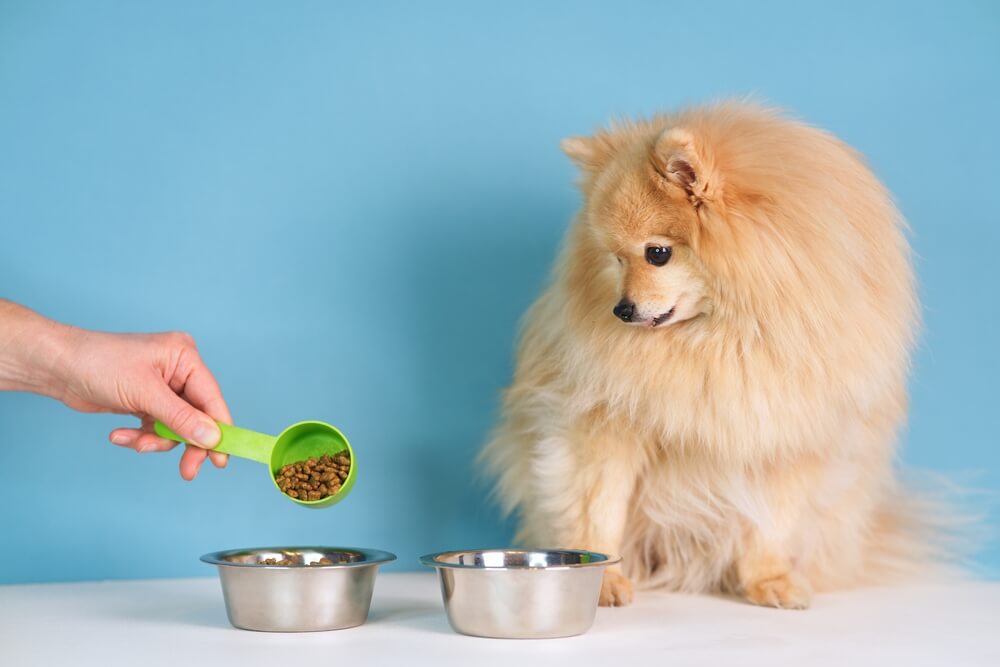
Credit: www.raisedrightpets.com
Frequently Asked Questions
When Should I Switch My Puppy To Adult Dog Food?
Switch your puppy to adult dog food at about one year old. Large breeds may need to switch later, around 18 months. This timing ensures they get the right nutrients for their growth and energy needs.
How Do I Know If My Dog Is Ready For Adult Food?
Look for signs like slowed growth and adult teeth development. Your vet can confirm if your dog’s growth plates have closed. These indicate it’s safe to transition to adult dog food.
Can Feeding Adult Food Too Early Harm My Dog?
Yes, feeding adult food too early may cause nutrient deficiencies. Puppies need higher protein and calories for growth. Early switching can stunt growth and affect bone development.
What’s The Best Way To Transition To Adult Dog Food?
Gradually mix adult food with puppy food over 7-10 days. Slowly increase adult food portion to avoid digestive upset. This helps your dog adjust smoothly to the new diet.
Conclusion
Choosing the right time to switch your dog to adult food matters. Usually, dogs move to adult food between one and two years old. Watch your dog’s growth and energy to decide the best time. Consult your vet for advice tailored to your pet’s needs.
Feeding adult dog food too soon or too late can cause problems. Keep your dog healthy with the right nutrition at every stage. Remember, each dog is unique. Careful feeding helps your dog live a happy, long life.


