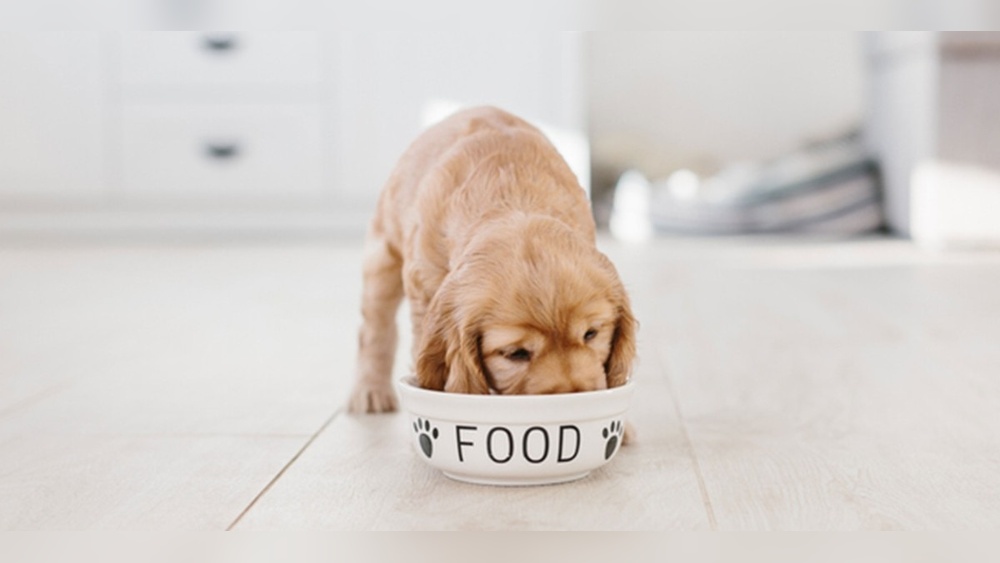
Are you wondering when the right time is to switch your furry friend from puppy food to adult dog food? This decision can be tricky because your dog’s health and happiness depend on proper nutrition.
Giving your dog the right food at the right age helps them grow strong, stay energetic, and avoid health problems. You’ll discover the signs to look for and expert tips to make the switch smoothly. Keep reading to learn exactly when and how to start your dog on adult food, so you can give your loyal companion the best care possible.

Credit: mcdavidbalkans.com
Puppy Growth Stages
Puppy growth stages are important to understand before changing their diet. Each stage needs different nutrition to help puppies grow strong and healthy. Watching these stages helps decide the best time for adult food.
Knowing how puppies develop helps avoid feeding them too early or too late. Their bodies change fast in the first months. This means their food needs change too.
From Newborn To Weaning
Newborn puppies rely fully on their mother’s milk for nutrition. This milk gives all the nutrients needed for the first few weeks. During this time, puppies cannot digest solid food. They sleep, nurse, and grow quickly.
Weaning starts around 3 to 4 weeks old. This is when puppies begin to eat soft, mushy food. This transition helps their stomachs get used to new textures and nutrients.
Transition To Solid Food
Between 4 and 8 weeks, puppies move from milk to solid food. Start with moist, easy-to-chew food made for puppies. Gradually reduce moisture as they grow. This step prepares their teeth and digestion for adult food later.
Puppies should eat small, frequent meals during this time. Proper feeding supports steady growth and energy. Avoid sudden changes to prevent upset stomachs.
Key Growth Milestones
Puppies double their birth weight by two weeks old. By eight weeks, they have full teeth and stronger jaws. At three to six months, puppies grow rapidly and become more active.
Most dogs reach adult size between six months and one year. Large breeds take longer to mature. Growth milestones show when puppies need more protein and calories.
Understanding these stages helps choose the right food type and timing. This protects health and supports proper development.

Credit: www.scala-santa.com
Signs Your Dog Is Ready
Changing your dog’s food is a big step. Puppies grow fast. Their needs change as they get older. Knowing when to switch to adult food helps keep them healthy. Watch for clear signs. These signs show your dog’s body and habits are ready for adult food.
Observe your dog closely. Look at their size, behavior, and weight. These clues tell you if it is time to change their diet.
Physical Development Clues
Adult dogs have different bodies than puppies. Your dog’s teeth should be fully grown. Puppy teeth fall out and adult teeth come in around six months. Their coat also changes. It becomes thicker and shinier. Muscles grow stronger as your dog matures. Watch for these changes to know if your dog is ready.
Behavioral Changes
Puppies are very playful and restless. Adult dogs calm down and show more focus. Your dog may want to eat less often but bigger meals. They may stop chewing on everything. These behavior changes are signs your dog is growing up and ready for adult food.
Weight And Size Indicators
Your dog’s weight and size are good hints. Most dogs reach their adult size between six and twelve months. Large breeds take longer. When your dog grows slower or stops growing, it may be time. Keep track of their weight to avoid overfeeding or underfeeding during this change.
Breed And Size Considerations
Choosing the right time to switch your dog to adult food depends on their breed and size. Dogs grow at different rates. This affects when they need adult nutrition. Small and large breeds have unique growth patterns. Understanding these helps you feed your dog properly.
Small Breeds Timeline
Small breed dogs grow fast. They reach adult size by about 9 to 12 months. You can start adult food around this time. Their metabolism is quicker. Adult food supports their energy needs well after this point. Feeding puppy food too long may cause weight gain.
Large Breeds Timeline
Large breed dogs grow slower. They take up to 18 to 24 months to mature. Switching to adult food too early can harm their growth. Puppy food for large breeds has special nutrients for bone development. Change to adult food after growth slows down to keep bones strong.
Special Needs In Different Breeds
Some breeds need special care in diet. For example, giant breeds may need extra joint support. Small breeds might need food with smaller kibble size. Breed-specific health issues can affect diet choice. Talk to your vet about your dog’s breed needs. Tailoring food helps keep your dog healthy and happy.
Choosing The Right Adult Food
Choosing the right adult food for your dog is very important. Adult dogs have different needs than puppies. Their food must support their energy, health, and growth. The right food helps keep your dog strong and happy. It also prevents health problems later. This guide will help you select the best adult dog food.
Nutritional Requirements
Adult dogs need balanced nutrition. Protein helps build and repair muscles. Fat gives energy and supports skin health. Carbohydrates provide fuel for daily activities. Vitamins and minerals keep the immune system strong. Fiber helps digestion. The amount of each nutrient depends on your dog’s size, age, and activity level. Choose food that meets these needs.
Types Of Adult Dog Food
Dry kibble is popular and easy to store. It helps keep teeth clean. Wet food has more moisture and can be tastier. Some dogs prefer it. Raw or homemade diets offer natural ingredients but need careful preparation. Each type has pros and cons. Pick what fits your dog’s taste and lifestyle.
Reading Food Labels
Check the ingredient list first. Look for named meats like chicken or beef. Avoid vague terms like “meat meal.” Check the guaranteed analysis for protein, fat, and fiber levels. The label should say the food meets AAFCO standards. This means it provides complete nutrition. Watch for added sugars or fillers that add no value.
Transitioning Your Dog’s Diet
Changing your dog’s diet from puppy food to adult food needs care. This change affects your dog’s health and comfort. A smooth switch helps avoid stomach problems and keeps your dog happy.
Gradual Switching Process
Start by mixing a small amount of adult food with puppy food. Increase the adult food portion slowly over 7 to 10 days. This slow change helps your dog’s stomach adjust well. Avoid sudden switches to prevent upset stomachs.
Managing Digestive Health
Watch for signs like diarrhea or vomiting during the change. Feed smaller meals more often to ease digestion. Keep fresh water available at all times. Good digestion means a healthy dog with lots of energy.
Monitoring Your Dog’s Reaction
Check your dog’s behavior and energy daily. Look for any changes in appetite or mood. If your dog seems unwell, slow the transition. Consult a vet if problems last more than a few days.
Common Mistakes To Avoid
Feeding your dog adult food at the right time is important for their health. Many dog owners make mistakes that can cause problems. Avoiding these errors helps your dog grow strong and happy.
Here are some common mistakes to watch out for when switching to adult dog food.
Switching Too Early Or Late
Changing your dog’s food too soon can upset their stomach. Puppies need special nutrition to grow. Switching too late can lead to weight gain or nutrient gaps. Follow your vet’s advice on the right time to switch.
Ignoring Breed-specific Needs
Different breeds have different nutrition needs. Small breeds may need more calories per pound. Large breeds need food that supports joints and bones. Use food made for your dog’s breed size and health needs.
Overlooking Quality Of Food
Not all adult dog foods are the same. Choose food with real meat and balanced nutrients. Avoid products with fillers and artificial additives. High-quality food helps your dog stay healthy and active.
Veterinary Advice And Checkups
Veterinary advice and regular checkups play a key role in deciding when to switch your dog to adult food. A vet can guide you based on your dog’s health and growth. This ensures your dog gets the right nutrition at the right time.
When To Consult Your Vet
Ask your vet about the best time to change your dog’s diet. Usually, vets suggest starting adult food between 12 to 18 months. Some breeds may need different timing. Your vet will consider your dog’s size, breed, and health.
Regular Health Assessments
Schedule regular health checks to monitor your dog’s growth and weight. These visits help track if your dog needs more energy or special nutrients. The vet can spot any health issues early. Healthy dogs respond well to a diet change.
Adjusting Diet Based On Vet Recommendations
Follow your vet’s advice on how to switch foods gradually. They may suggest mixing puppy and adult food over weeks. Watch your dog for any signs of upset stomach or allergies. Adjust the diet as your vet recommends for best results.
Credit: foodexsaudiexpo.com
Frequently Asked Questions
When Is The Right Age To Start Adult Dog Food?
Most dogs transition to adult food between 12 to 18 months. Large breeds may start later, around 18-24 months. Consult your vet for breed-specific guidance.
How Do I Know My Dog Is Ready For Adult Food?
Signs include steady growth, reduced calorie needs, and stable weight. Your vet can help confirm the best time to switch.
Can Switching Too Early Harm My Puppy?
Yes, early switch may cause nutrient deficiencies and digestive issues. Wait until your puppy’s growth slows before changing foods.
What Are The Benefits Of Adult Dog Food?
Adult formulas support maintenance, balanced nutrition, and joint health. They contain fewer calories and adjusted nutrients for mature dogs.
Conclusion
Switching your dog to adult food needs careful timing. Puppies grow fast and need special nutrients. Most dogs start adult food between one and two years old. Watch your dog’s size, breed, and health for clues. Changing food too soon can cause stomach problems.
Wait until your vet agrees it’s time. A smooth switch helps your dog stay healthy and strong. Remember, every dog is different. Take your time and choose food made for adult dogs. Your dog will thank you with energy and happiness.