

Have you ever wondered why your dog suddenly seems irritable, restless, or even aggressive? The answer might be closer than you think—right in their bowl.
Poor nutrition doesn’t just affect your dog’s health; it can change how they behave every day. If you want a happy, calm, and well-behaved furry friend, understanding the link between what they eat and how they act is crucial. Keep reading to discover how the food you give your dog could be shaping their mood and behavior—and what you can do to fix it.

Credit: www.caninesense.co.uk
Link Between Diet And Behavior
Diet plays a key role in a dog’s behavior. The food a dog eats affects its brain and mood. Poor nutrition can cause changes in how dogs act. Dogs may become restless, aggressive, or sad due to lack of proper nutrients. Healthy food helps dogs stay calm and happy. Understanding this link helps owners care better for their pets.
Essential Nutrients For Brain Health
Dogs need certain nutrients for a strong brain. Omega-3 fatty acids support memory and focus. Vitamins like B-complex help nerve function. Minerals such as zinc and iron keep brain cells healthy. Protein provides amino acids needed for brain chemicals. Without these nutrients, brain function may slow down.
Impact Of Deficiencies On Mood
Missing nutrients can change a dog’s mood quickly. Lack of omega-3 can cause anxiety and irritability. Vitamin B deficiencies may lead to confusion or depression. Low iron levels reduce energy and increase tiredness. These mood changes affect how dogs behave daily. Proper diet helps prevent these problems.

Credit: blog.thepetstable.com
Common Behavioral Changes
Poor nutrition can cause many changes in a dog’s behavior. These changes often show up as problems that affect both the dog and the owner. Dogs need the right balance of vitamins, minerals, and energy to stay calm and happy. Without good food, their mood and actions can shift quickly.
Behavioral changes are a clear sign that a dog’s diet is not meeting its needs. These changes can make dogs harder to train and live with. Knowing what to watch for helps catch problems early. Below are some common behaviors seen in dogs with poor nutrition.
Increased Aggression
Dogs lacking proper nutrients may become more aggressive. They might growl, snap, or bite more often. This aggression can come from feeling weak or uncomfortable inside. Poor diet affects brain chemicals that control mood. Aggression is a warning sign that nutrition needs fixing.
Anxiety And Restlessness
Many dogs show anxiety when their diet lacks key nutrients. They may pace, bark, or whine without reason. Restlessness can stop them from relaxing or sleeping well. Low levels of certain vitamins disrupt calmness in dogs. Anxiety often means the dog’s body is stressed by poor food.
Lethargy And Depression
Dogs with poor nutrition can become very tired and slow. They may lose interest in play and walks. Depression in dogs shows as sadness and lack of energy. These signs point to a diet missing essential nutrients. A tired dog is a clear signal to improve their food.
Nutritional Deficiencies To Watch
Nutrition plays a key role in how dogs behave and feel. Missing important nutrients can cause changes in their mood and actions. Poor diet affects energy, focus, and even social skills. Watch for signs of nutritional gaps to keep your dog happy and calm.
Protein Deficiency Effects
Protein is vital for strong muscles and brain function. Without enough protein, dogs may feel weak and tired. They can lose interest in play and show signs of stress. Protein shortage can also lead to poor coat health and slow healing of wounds.
Lack Of Omega Fatty Acids
Omega fatty acids support brain and skin health. A lack of these fats can cause dry skin and itching. Dogs may become more anxious or restless. Their learning and memory skills might also decline without enough omega fats.
Vitamin And Mineral Shortages
Vitamins and minerals regulate many body processes. Deficiencies can cause irritability and poor focus. Lack of calcium and vitamin D weakens bones and teeth. Insufficient iron leads to low energy and fatigue. These shortages affect mood and physical health alike.
Long-term Consequences
Poor nutrition can harm a dog’s health over time. The effects may not show right away. But, the damage can build up and cause serious problems. These long-term effects affect how dogs behave and feel every day. Understanding these issues helps you care for your dog better.
Cognitive Decline
Dogs need good nutrition for their brain to work well. Lack of essential nutrients can slow down their thinking. They may forget simple commands or seem confused. Poor diet may cause memory loss in older dogs. This can lead to changes in behavior. Dogs might become less active or less interested in playing.
Weakened Immune System
Without proper nutrition, a dog’s immune system weakens. They get sick more often and take longer to heal. This can make dogs feel tired and uncomfortable. A weak immune system can cause mood changes. Dogs may show signs of stress or anxiety. Good nutrition helps keep their body strong and healthy.
Developmental Issues In Puppies
Puppies need the right nutrients to grow well. Poor nutrition can delay their growth. It may cause weak bones and poor muscle development. These problems can affect how puppies learn and play. Puppies with bad diets may have trouble socializing. Early nutrition is key to a happy, healthy dog.
Improving Behavior Through Diet
Diet plays a key role in shaping a dog’s behavior. Poor nutrition can cause irritability, anxiety, and lack of focus. Improving your dog’s diet can lead to better mood and calmness. A balanced diet supports brain health and energy levels. This section explains how diet changes can improve your dog’s behavior.
Choosing Balanced Dog Food
Select dog food with the right nutrients. Look for foods rich in protein, healthy fats, and essential vitamins. Avoid foods with fillers, artificial colors, or preservatives. Balanced food supports brain function and stable energy. Check the ingredient list for quality sources like meat and vegetables. Feeding quality food helps reduce hyperactivity and aggression.
Supplements That Help
Certain supplements can improve your dog’s mood and focus. Omega-3 fatty acids support brain health and reduce anxiety. Probiotics promote good gut health, which affects behavior. Vitamins B and E help with nerve function and calmness. Use supplements as advised by a veterinarian. They can enhance the benefits of a balanced diet.
Consulting A Veterinary Nutritionist
A veterinary nutritionist can create a diet plan for your dog. They assess your dog’s health, age, and breed needs. Customized diets help address specific behavior problems. The expert recommends the right food and supplements. They monitor progress and adjust the diet as needed. Professional advice ensures safe and effective changes.
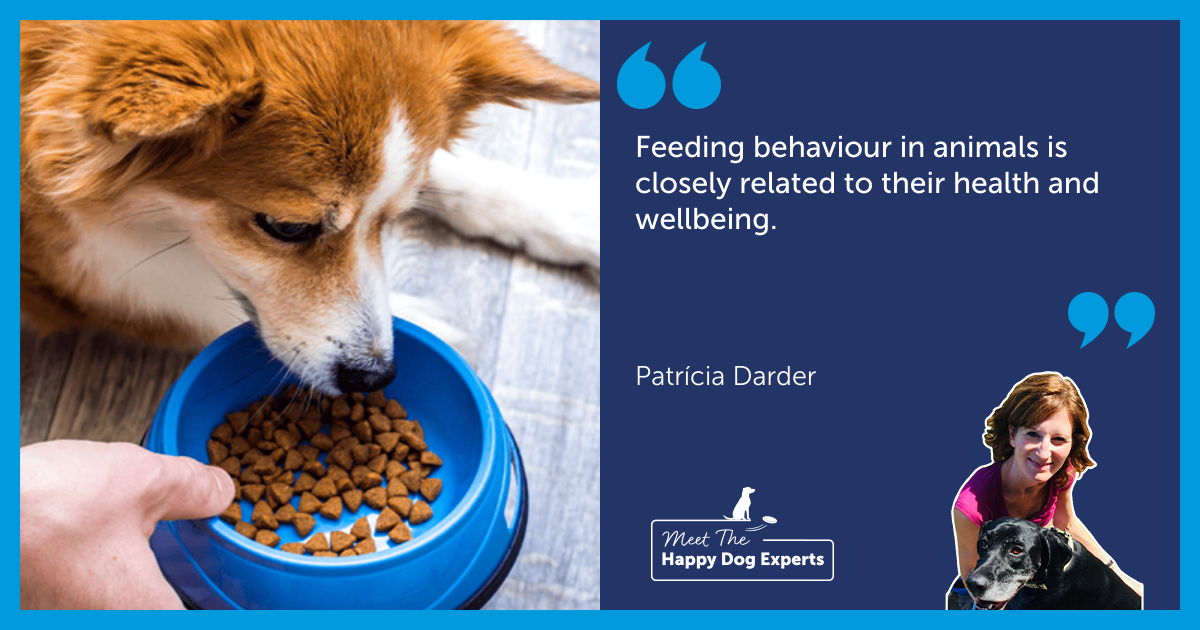
Credit: www.adaptil.co.uk
Frequently Asked Questions
How Does Poor Nutrition Impact Dog Behavior?
Poor nutrition can cause irritability, anxiety, and lethargy in dogs. Lack of essential nutrients affects brain function and mood. This leads to increased aggression, hyperactivity, or withdrawal. Balanced diets support stable behavior and overall well-being.
Can Nutrient Deficiencies Cause Aggression In Dogs?
Yes, nutrient deficiencies can trigger aggression. Lack of vitamins like B-complex and minerals like zinc disrupts brain chemistry. This imbalance affects emotional regulation and stress response. Proper nutrition helps maintain calm and friendly behavior.
What Behavioral Changes Indicate Poor Dog Nutrition?
Signs include increased anxiety, restlessness, and sudden aggression. Dogs may also show decreased focus and social withdrawal. Poor coat condition and low energy often accompany behavior shifts. These changes warrant nutritional evaluation and diet adjustment.
How Quickly Does Nutrition Affect Dog Behavior?
Behavioral changes can appear within days to weeks after poor diet starts. Some symptoms, like lethargy, show faster than others. Long-term poor nutrition leads to chronic behavior issues. Early dietary correction improves behavior outcomes promptly.
Conclusion
Poor nutrition can change how dogs behave every day. Dogs may feel tired, grumpy, or restless without good food. Their minds can also slow down, making training harder. Feeding dogs healthy meals helps them stay happy and calm. A balanced diet supports strong bodies and good moods.
Watch your dog’s eating habits closely. Giving the right food means a better life for your furry friend. Small changes in diet can lead to big improvements. Healthy dogs show love and trust more easily. Take care of your dog’s nutrition for a peaceful home.


