

Are you wondering when your puppy should start eating adult dog food? Choosing the right time can feel confusing, but it’s one of the most important decisions for your dog’s health.
Feed your dog too early, and they might miss out on essential nutrients; wait too long, and they could gain unwanted weight or face digestion issues. You’ll discover the perfect age to make the switch, how to do it smoothly, and what signs to watch for.
Keep reading to ensure your furry friend gets the best nutrition at every stage of life.

Credit: www.reddit.com
When To Switch To Adult Food
Knowing when to switch your puppy to adult food is important for their health. The right timing helps meet their nutritional needs as they grow. Switching too early or too late can affect their development. Watch your puppy closely for signs of readiness. Also, consider their breed and size to choose the best time to change their diet.
Signs Your Puppy Is Ready
Puppies show clear signs when they are ready for adult food. Their growth rate slows down after rapid early growth. They may lose the puppy “chubbiness” and start looking leaner. Their energy levels change, and they become less hyperactive. Teeth development is another sign; adult teeth usually appear between 4 to 6 months. Your vet can help confirm if your puppy is ready to switch.
Breed And Size Considerations
Small and large breeds grow at different rates. Small breeds often mature faster and can switch to adult food at 9 to 12 months. Large breeds grow longer and may need puppy food up to 12 to 18 months. Giant breeds might require puppy food even longer to support their bones and joints. Choose adult food based on your dog’s breed size to support healthy growth.
Credit: www.brookshires.com
Nutritional Needs Of Adult Dogs
Adult dogs have different nutritional needs than puppies. Their bodies need food that supports maintenance, not rapid growth. Proper nutrition helps keep adult dogs healthy and active. It also supports their immune system and overall well-being.
Key Nutrients To Focus On
Protein remains important but in balanced amounts. It supports muscle maintenance and energy. Fat provides essential fatty acids and energy but should not be excessive. Fiber helps with digestion and gut health. Vitamins and minerals support many body functions, including bone health and immunity. Water is vital for hydration and overall health. A diet rich in these nutrients keeps adult dogs strong.
Differences From Puppy Food
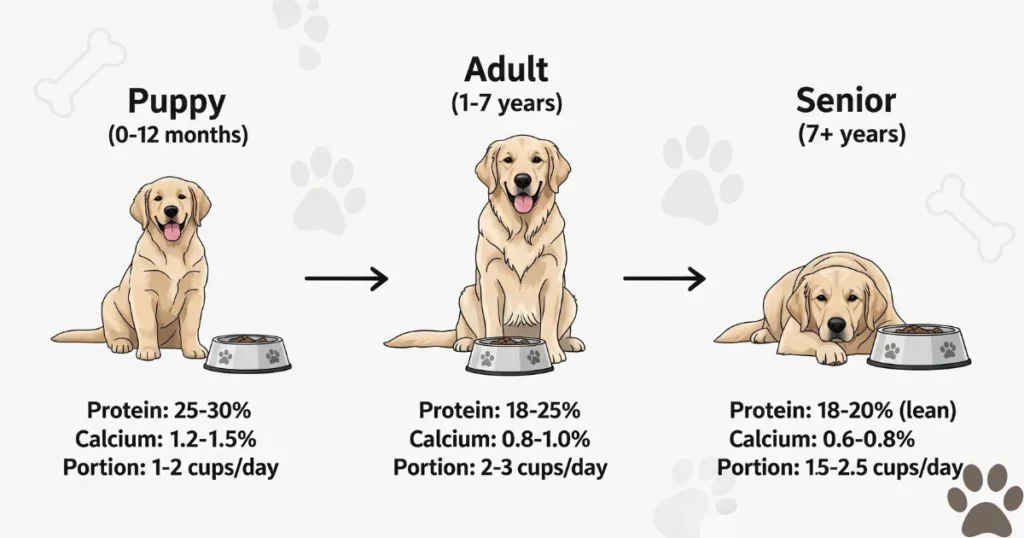
Puppy food contains more calories to fuel fast growth. It has higher protein and fat levels for developing muscles and organs. Adult dog food has fewer calories to prevent weight gain. It includes nutrients to maintain body condition rather than promote growth. The balance of vitamins and minerals also changes to meet adult needs. Feeding adult dogs puppy food may cause obesity and health issues.
Transitioning To Adult Food
Changing your dog’s food from puppy to adult is an important step. It supports their growth and health as they mature. Doing this too fast can upset their stomach. Too slow may leave them without enough nutrients. A smooth change helps your dog adjust well.
Step-by-step Transition Guide
Start by mixing 25% adult food with 75% puppy food. Keep this ratio for three days. Then, change to half puppy and half adult food for the next three days. After that, mix 75% adult food with 25% puppy food. Finally, feed only adult food. Watch your dog during this time. Check if they eat well and stay happy.
Common Challenges And Solutions
Some dogs refuse new food. Try warming it up slightly to make it smell better. Others may get diarrhea or vomiting. Slow down the transition and use smaller amounts of adult food. If problems continue, talk to your vet. Patience and care make this change easier for your dog.
Choosing The Right Adult Food
Switching your dog to adult food is important for their health. The right food supports energy, growth, and overall well-being. Dogs need different nutrients as they grow. Choosing the right adult food helps keep them strong and active. It also helps prevent health problems later.
Each dog has unique needs. Size, breed, and activity level affect food choice. Picking the right adult food means understanding these factors. Quality ingredients and correct nutrition make a big difference. Let’s explore the types of adult dog food and how to read labels carefully.
Types Of Adult Dog Food
Dry kibble is popular and easy to store. It helps keep teeth clean. Wet food has more moisture, which helps with hydration. It often tastes better for picky eaters. Some owners choose raw or homemade diets for natural ingredients. Each type offers different benefits. Choose based on your dog’s preferences and needs.
Reading Labels And Ingredients
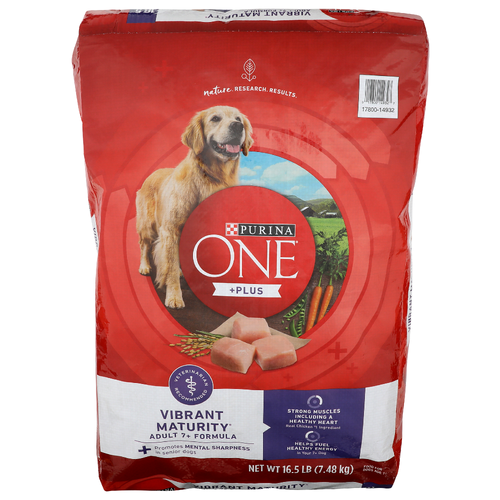
Labels tell you what is in the food. Look for named meat like chicken or beef first. Avoid vague terms like “meat by-product.” Check for grains, vegetables, and added vitamins. Avoid foods with too many fillers or artificial additives. Good adult food has balanced proteins, fats, and carbs. Understanding labels helps you pick healthy options for your dog.
Special Cases And Exceptions
Not all dogs switch to adult food at the same age. Some dogs have special needs or health issues. These cases require different feeding choices. Understanding these exceptions helps keep your dog healthy and happy.
Senior Dogs
Older dogs need food designed for their age. Their metabolism slows down. They may need fewer calories and more fiber. Senior dog food supports joint health and digestion. Switching to senior food usually starts around seven years old. Some large breeds may need it earlier. Watch your dog’s activity and weight to decide.
Dogs With Health Issues
Dogs with health problems need special diets. Issues like allergies, kidney problems, or diabetes affect food choices. Vets often recommend specific formulas. These foods help manage symptoms and improve quality of life. Always follow your vet’s advice on diet changes. Sudden switches can cause stomach upset or worsen conditions.
Expert Tips For Feeding Adult Dogs
Feeding adult dogs properly is important for their health and happiness. Adult dogs have different needs than puppies. Their food should support steady energy and keep their weight healthy. Experts offer simple tips to help dog owners feed adult dogs the right way.
Following expert advice helps avoid overfeeding or underfeeding. It also keeps your dog active and prevents health problems. Understanding feeding frequency, portions, and health signs can make a big difference.
Feeding Frequency And Portions
Adult dogs usually eat two meals a day. This routine helps keep their digestion steady. Measure portions based on your dog’s weight and activity level. Overfeeding can cause weight gain and health issues. Use a kitchen scale or measuring cup for accuracy. Adjust portions if your dog gains or loses weight. Fresh water should always be available during meals.
Monitoring Your Dog’s Health
Check your dog’s weight regularly. Look for changes in appetite or energy. Dull coat or digestive problems can signal poor diet. Visit the vet for regular health checks. Discuss your dog’s diet and any concerns. Early action helps prevent serious health problems. Keep a feeding diary to track changes and patterns.
Credit: goldenretrieverinsight.com
Frequently Asked Questions
When Should I Switch My Puppy To Adult Dog Food?
Most dogs can transition to adult food around 12 months old. Large breeds may need adult food after 12-18 months. Consult your vet to determine the best timing for your dog’s breed and size.
Why Is Age Important For Switching Dog Food?
Age affects nutritional needs. Puppies require more protein and calories for growth. Adult dogs need balanced nutrients for maintenance. Feeding adult food too early can cause nutrient deficiencies.
Can I Feed Adult Food To A Small Breed Puppy?
Small breed puppies usually switch to adult food at 9-12 months. Their faster growth means earlier transition than large breeds. Always check with your vet for breed-specific advice.
How Do I Transition My Dog To Adult Food?
Gradually mix adult food with puppy food over 7-10 days. Increase adult food portion slowly to avoid digestive upset. Monitor your dog’s health during the switch.
Conclusion
Dogs usually switch to adult food between one and two years old. Each dog grows at its own pace, so watch their size and energy. Choose adult food that fits your dog’s breed and health needs. Changing food too soon may cause stomach upset.
Keep an eye on your dog’s weight and coat condition after switching. Talk to a vet for advice on the best time to change food. Feeding the right food helps your dog stay healthy and strong. Simple steps lead to a happy, well-fed dog.


