

Are you wondering when it’s time to switch your furry friend to adult dog food? Choosing the right moment can make a big difference in your dog’s health and happiness.
Feeding your pup the right food at the right age helps them grow strong, stay active, and feel great every day. You’ll discover exactly when and why to make the change, so you can give your dog the best nutrition possible.
Keep reading to learn the simple signs and expert tips that will guide you through this important step.

Credit: npicpet.com
When To Transition
Knowing the right time to switch your dog to adult food is important for their health. Dogs need different nutrients as they grow. Feeding the right food helps them stay strong and active.
Timing the switch well avoids digestion problems and supports healthy development. Watch your dog’s growth and behavior to decide the best moment to change their diet.
Puppy Growth Stages
Puppies grow fast in the first few months. Their bones and muscles develop quickly. Usually, small breeds finish growing by 9 to 12 months. Larger breeds take longer, sometimes up to 18 or 24 months. During growth, puppies need special food with extra nutrients.
Breed Size Impact
Size matters when switching dog food. Small dogs mature faster than big dogs. Large breeds need more time on puppy food to support slow growth. Feeding adult food too early can cause health issues. Adjust the switch based on your dog’s breed size and growth speed.
Signs Your Dog Is Ready
Look for clear signs before switching food. Your dog may stop growing or become less active. Their puppy coat might change to adult fur. They also eat less compared to puppy stage. If your dog shows these signs, it is time to try adult dog food.

Credit: www.reddit.com
Choosing Adult Dog Food
Choosing the right adult dog food is important for your pet’s health. Dogs need different nutrients as they grow. Feeding the right food supports their energy and body functions. It helps keep their coat shiny and their bones strong. Pay attention to ingredients and avoid common mistakes.
Nutritional Needs Changes
Adult dogs require fewer calories than puppies. Their growth slows down, so energy needs drop. Protein is still important but in balanced amounts. Fat helps keep skin healthy and provides energy. Fiber aids digestion and keeps the stomach happy. Vitamins and minerals support overall health and immunity.
Ingredients To Look For
Choose dog food with real meat listed first. Whole grains like brown rice or oats give good energy. Vegetables such as carrots or peas add fiber and nutrients. Avoid foods with too many fillers like corn or soy. Look for added omega fatty acids for a healthy coat. Natural preservatives are safer than artificial ones.
Avoiding Common Pitfalls
Don’t switch foods too quickly; this can upset the stomach. Avoid dog food with many artificial colors and flavors. Stay away from foods with vague ingredient names. Avoid overfeeding to prevent weight gain and related problems. Check for allergies or sensitivities your dog might have. Always follow feeding guidelines on the package.
Transitioning Process
Switching your dog to adult food needs care and patience. A smooth transition helps your dog’s digestion and keeps them happy. Sudden changes can upset their stomach or cause refusal to eat. Follow steps to make the switch easy and stress-free.
Gradual Food Mixing
Start by mixing a small amount of adult food with puppy food. Use 25% adult food and 75% puppy food for the first few days. Slowly increase adult food each day. By the end of one week, your dog should eat only adult food.
Monitoring Your Dog’s Reaction
Watch your dog’s behavior and digestion closely. Check for signs like vomiting, diarrhea, or loss of appetite. Notice if they seem less energetic or more tired. If problems appear, slow the transition or talk to your vet.
Adjusting Portions
Adult dogs need fewer calories than puppies. Adjust food portions to avoid weight gain or loss. Use your dog’s weight and activity level to guide portions. Keep fresh water available at all times.
Special Considerations
Switching your dog to adult food is not always a simple decision. Some dogs have special needs that affect their diet. Paying attention to these can keep your dog healthy and happy. These special considerations help you choose the right time and type of food.
Senior Dogs And Diet
Older dogs need fewer calories but more nutrients. Their metabolism slows down with age. Adult dog food may not meet their changing needs. Senior dog food often has added vitamins and joint support. Switching to senior food at the right time helps maintain their health.
Health Conditions Impact
Health issues can change your dog’s diet needs. Dogs with kidney problems, allergies, or weight issues require special food. Adult dog food might not be safe for them. You must choose food that supports their condition. Ignoring health needs can worsen their problems.
Consulting Your Veterinarian
Veterinarians know your dog’s health best. They can recommend the perfect time to switch food. They also suggest food types based on your dog’s health. Always ask your vet before changing your dog’s diet. This ensures a safe and smooth transition.
Maintaining Healthy Eating Habits
Maintaining healthy eating habits is key to your dog’s well-being as they grow. Switching to adult dog food is an important step. It helps meet their changing nutritional needs. Good habits support strong bones, shiny coats, and steady energy. Feeding your dog properly keeps them happy and healthy for years.
Regular Feeding Schedule
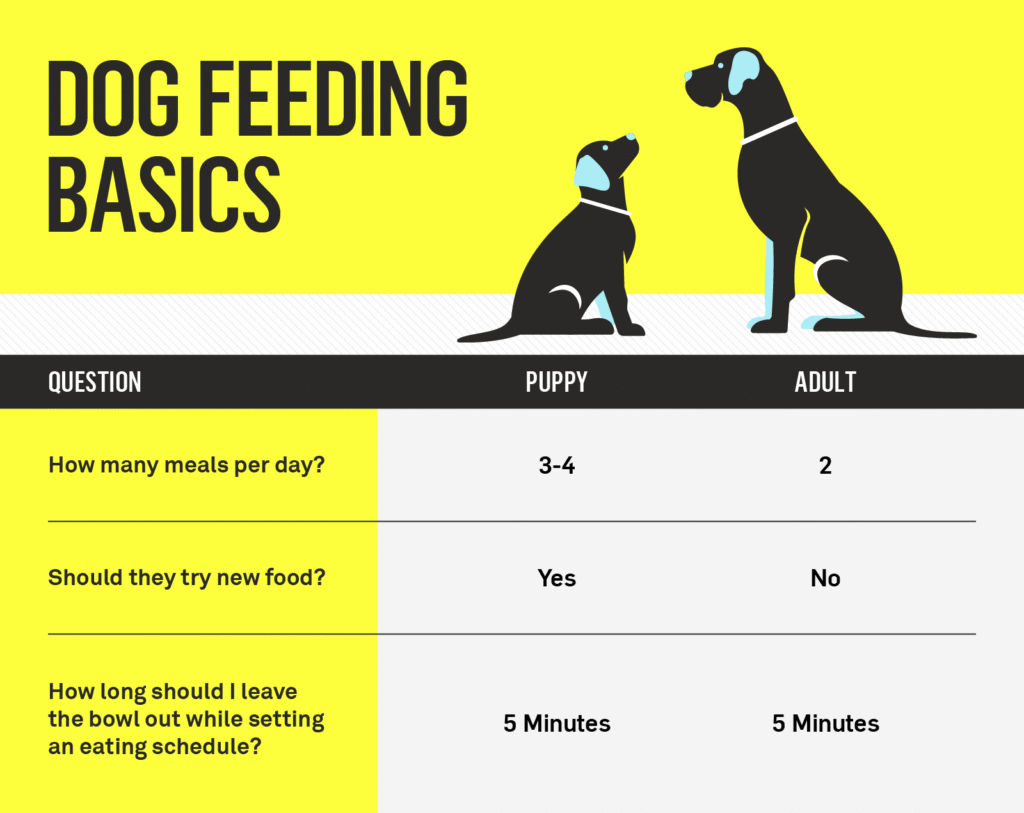
Set specific times for meals every day. Dogs thrive on routine. Regular feeding helps with digestion and behavior. Avoid leaving food out all day. This prevents overeating and keeps your dog alert for mealtime. A consistent schedule makes it easier to track their appetite and health.
Avoiding Overfeeding
Too much food can lead to weight gain and health problems. Follow the feeding guidelines on the dog food package. Adjust portions based on your dog’s activity and weight. Use a measuring cup to control portions. Avoid free feeding, which lets dogs eat as much as they want. Keep treats in check to prevent extra calories.
Incorporating Treats Wisely
Treats can reward good behavior and add variety. Choose healthy treats that fit your dog’s diet. Limit treats to no more than 10% of daily calories. Avoid giving table scraps or high-fat snacks. Use treats for training and bonding without overfeeding. This helps maintain a balanced diet and healthy weight.
Credit: www.gallant.com
Frequently Asked Questions
When Is The Right Age To Switch To Adult Dog Food?
Most dogs should switch to adult food between 12 to 18 months. Large breeds may need adult food closer to 18-24 months. Transition gradually over a week to avoid digestive issues.
What Signs Indicate My Dog Needs Adult Food?
Look for slowed growth, reduced energy needs, and stable weight. Puppies losing their puppy coat or teething also signal it’s time to switch.
Can Switching Too Early Harm My Puppy?
Yes, switching too early can cause nutrient deficiencies. Puppies require more calories and nutrients for growth. Always consult your vet before transitioning.
How To Transition My Dog To Adult Food Safely?
Mix increasing amounts of adult food with puppy food over 7-10 days. This gradual change helps prevent stomach upset and ensures acceptance.
Conclusion
Switching to adult dog food depends on your dog’s breed and size. Most dogs make the change around one year old. Larger breeds may need adult food a bit later. Watch your dog’s growth and energy levels closely. Consult your vet for the best timing.
Good nutrition supports your dog’s health and happiness. Feeding the right food helps them stay active and strong. Keep your dog’s needs in mind for a smooth food transition. This simple step helps your pet live a healthy life.


