

Are you wondering if a grain free diet is really the best choice for your dog? You’ve probably seen plenty of labels and ads promising healthier, happier pets without grains.
But is skipping grains actually good or could it be harmful? Your dog’s health is important, and making the right decision about their food isn’t always easy. Keep reading to discover what experts say, common myths, and what might work best for your furry friend.
This could change how you think about your dog’s diet forever.
Grain Free Diet Basics
A grain free diet for dogs removes grains like wheat, corn, and rice. This diet focuses on different ingredients to provide energy and nutrition. Understanding the basics helps dog owners decide if this diet suits their pets.
Grain free diets have grown in popularity. Many owners believe these diets offer health benefits. Knowing what the diet includes and why owners choose it helps clear confusion.
What Is A Grain Free Diet?
A grain free diet means no grains are in the dog food. Grains include wheat, corn, barley, and rice. These are common in regular dog food as energy sources.
Grain free dog food replaces grains with other ingredients. These alternatives provide similar nutrients without the grains. The diet aims to reduce allergies or digestion issues linked to grains.
Common Ingredients Replaced
Grains are often replaced with potatoes, peas, or lentils. These ingredients give dogs carbohydrates and fiber. Meat and fish remain the main protein sources in grain free diets.
Vegetables like sweet potatoes or chickpeas also appear in grain free dog food. These ingredients help keep the diet balanced and nutritious.
Why Owners Choose Grain Free
Many owners pick grain free diets for dogs with allergies. Some dogs have trouble digesting grains or show skin problems. Grain free food can help reduce these issues.
Other owners believe grain free food is more natural for dogs. They want to avoid fillers and give their pets cleaner nutrition. Some also trust grain free diets for better energy and coat health.

Credit: www.jrai.net
Potential Benefits
A grain-free diet for dogs can offer several potential benefits. Many pet owners choose this diet to address specific health needs. Understanding these benefits helps decide if this diet suits your dog.
Improved Digestion
Some dogs digest grain-free food more easily. This diet often contains fewer fillers and more protein. Better digestion means fewer stomach issues like gas or diarrhea. Dogs with sensitive stomachs may feel more comfortable on this diet.
Reduced Allergies
Grains can cause allergies or skin problems in some dogs. Removing grains may reduce itching and redness. Grain-free diets can lower reactions caused by common allergens. This can improve your dog’s skin and coat health.
Weight Management
Grain-free dog food sometimes has fewer carbohydrates. This helps control calorie intake and supports healthy weight. Dogs that are overweight may benefit from this diet. Maintaining a healthy weight improves overall wellbeing and energy levels.
Possible Risks
Switching your dog to a grain free diet might seem healthy. Yet, it can carry some risks. Knowing these risks helps you make better choices for your pet’s health. Here are some possible risks that come with grain free diets.
Nutritional Deficiencies
Grains provide important nutrients for dogs. Removing grains can reduce fiber, vitamins, and minerals. Dogs may miss essential nutrients that support their health. Some grain free diets lack enough balanced ingredients. This can cause weakness or other health problems.
Heart Disease Concerns
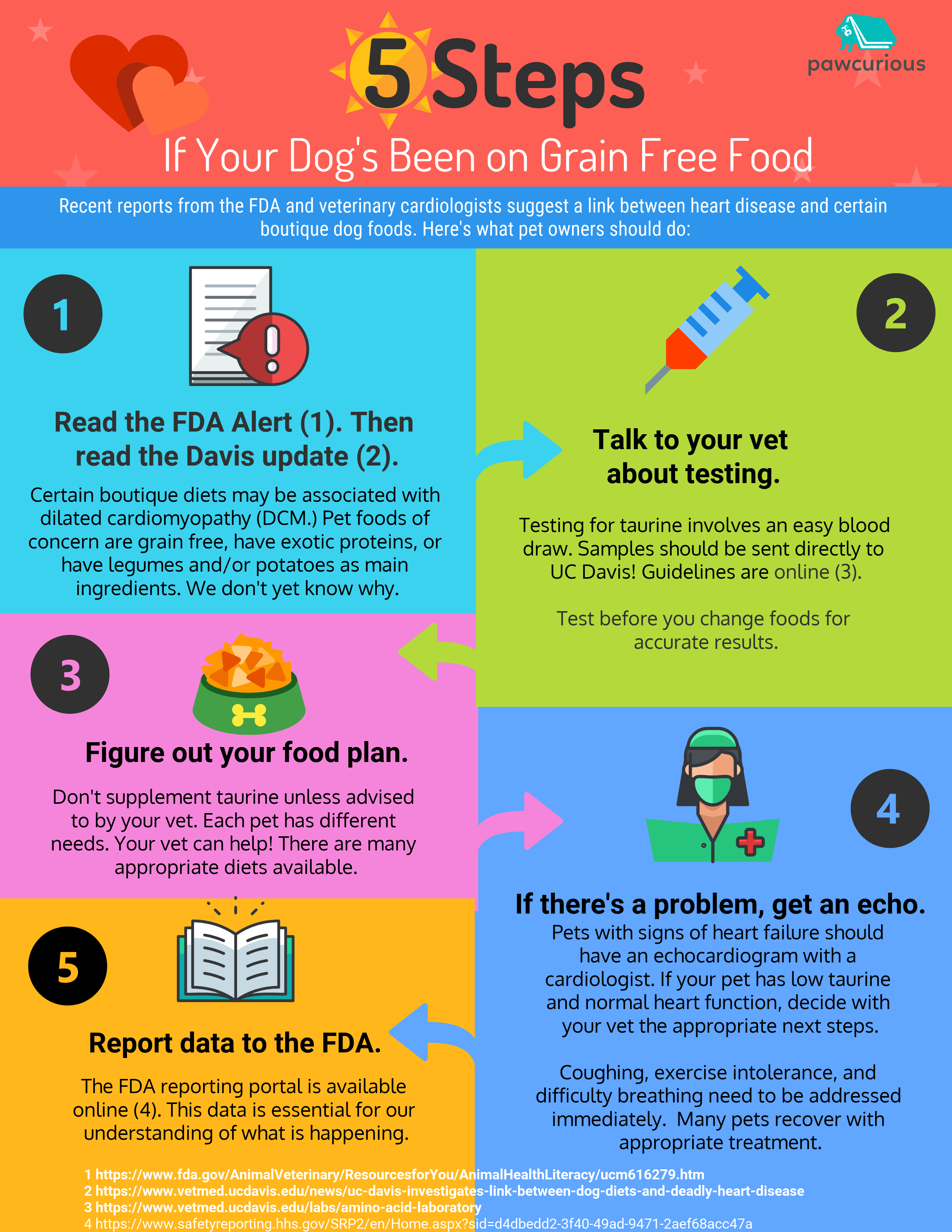
Some studies link grain free diets to heart problems in dogs. A condition called dilated cardiomyopathy (DCM) has appeared more in dogs on these diets. It affects the heart’s ability to pump blood. The exact cause is unclear, but diet may play a role. Consult your vet before changing your dog’s diet.
Digestive Issues
Grains help with digestion and bowel health. Removing grains might cause diarrhea or constipation in some dogs. Their digestive system may struggle to adjust. Watch for signs of upset stomach or changes in stool. Gradual diet changes can help reduce digestive issues.
Scientific Research Insights
Scientific research offers valuable insights into grain free diets for dogs. Studies explore benefits, risks, and expert views. This helps pet owners make informed choices.
Understanding science behind grain free diets clears many doubts. It shows which dogs may gain or lose from such diets.
Studies Supporting Benefits
Some studies find grain free diets improve digestion in dogs. Dogs with allergies often show fewer skin problems. Better coat health and less itching appear in many cases.
Research also notes weight management benefits. Grain free diets can be lower in carbs, helping overweight dogs.
Research On Health Risks
Other studies raise concerns about grain free diets. Some link these diets to heart problems like dilated cardiomyopathy. Dogs on grain free diets may lack certain nutrients.
Long term effects remain unclear. More research is needed to confirm risks and safety.
Expert Opinions
Veterinarians and nutritionists share mixed opinions. Some recommend grain free diets for dogs with allergies. Others warn about possible nutrient imbalances.
Experts advise consulting a vet before changing diets. Tailoring food to each dog’s needs is crucial.
Alternatives To Grain Free
Choosing the right diet for your dog matters a lot. Many pet owners ask about grain free diets. Some dogs do well on them, but not all. There are other good options that keep your dog healthy and happy. Exploring alternatives helps find the best fit for your pet.
Balanced Diet Options
A balanced diet includes protein, fats, carbs, vitamins, and minerals. Grains can be part of this mix and are not bad for most dogs. Whole grains provide energy and fiber. They support digestion and overall health. Look for dog foods labeled as “complete and balanced.” These meet your dog’s nutritional needs well.
Limited Ingredient Diets
Limited ingredient diets use fewer ingredients to reduce allergies or sensitivities. They often avoid common allergens like wheat or soy but may include some grains. These diets help identify what foods suit your dog best. They are simpler and easier to digest for sensitive pets. Talk to your vet before making changes.
Homemade Meal Plans
Preparing meals at home lets you control every ingredient. You can add fresh meats, vegetables, and grains your dog likes. Homemade meals can be tailored to your dog’s taste and health needs. Always balance nutrients by consulting a vet or pet nutrition expert. Safe, fresh food can improve your dog’s wellbeing.

Credit: janyafertilityclinic.com
Choosing The Right Diet
Choosing the right diet for your dog is very important. Dogs need food that supports their health and energy. Not all diets suit every dog. Some dogs may do well on grain-free diets, while others might not. Understanding your dog’s unique needs helps in making the best choice.
Assessing Your Dog’s Needs
Every dog has different health and nutritional needs. Age, breed, size, and activity level all matter. Some dogs have allergies or sensitivities to grains. Others may need more fiber or certain nutrients. Watch your dog’s behavior and health for clues. Changes in coat, energy, or digestion can signal dietary needs.
Consulting A Veterinarian
Ask a vet before changing your dog’s diet. Vets know about nutrition and health issues. They can suggest diets based on medical history and current health. A vet can guide you on grain-free options or alternatives. Regular check-ups help track your dog’s response to diet changes.
Reading Pet Food Labels
Check pet food labels carefully. Look for ingredients and nutrient information. Avoid foods with fillers or artificial additives. Grain-free does not always mean healthier. Some grain-free foods use more fat or protein. Balance of nutrients is key for your dog’s well-being.
Credit: pawcurious.com
Frequently Asked Questions
Is A Grain Free Diet Healthy For All Dogs?
A grain free diet suits dogs with allergies or sensitivities. However, most dogs digest grains well and benefit from whole grains in their diet. Consult your vet before switching to grain free food to ensure it meets your dog’s nutritional needs.
Can Grain Free Diets Cause Heart Issues In Dogs?
Some studies link grain free diets to canine dilated cardiomyopathy (DCM). This heart condition may occur due to nutrient imbalances. Always choose grain free foods with added taurine and consult your vet for heart health monitoring.
Are Grain Free Dog Foods More Expensive?
Yes, grain free dog foods often cost more due to specialty ingredients. They usually use alternative carbohydrates like potatoes or peas. Consider your budget and your dog’s health needs before deciding on grain free options.
What Ingredients Replace Grains In Grain Free Dog Food?
Grain free dog foods use potatoes, peas, lentils, and chickpeas instead of grains. These ingredients provide carbohydrates and fiber. They help dogs with grain sensitivities but may affect nutrient balance if not formulated properly.
Conclusion
Choosing a grain-free diet for dogs depends on their health needs. Some dogs benefit from avoiding grains, especially if they have allergies. Others do well with grains in their food. Always watch your dog’s reaction to new diets. Talk to a vet before changing their meals.
Balance and nutrition matter most for a happy dog. There is no one-size-fits-all answer. Care and attention make the best choice for your pet.


