

Are you curious about what’s really inside your favorite hot dog? Knowing the nutrition facts can help you make smarter choices without giving up on taste.
Whether you enjoy a quick snack or a meal, understanding the calories, fats, proteins, and other nutrients in a hot dog is key to keeping your diet balanced. Keep reading, and you’ll discover surprising facts that might change the way you see this classic food.
Your health matters, and this guide is here to help you enjoy hot dogs guilt-free.
Nutritional Profile Of Hot Dogs
The nutritional profile of hot dogs varies depending on ingredients and size. Hot dogs are popular fast food items. They offer a mix of calories, fats, proteins, and other nutrients. Understanding their nutrition helps make better food choices.
Many hot dogs contain processed meat and added ingredients. This affects their nutrient content. Knowing calories and macronutrients is important. Also, vitamins and minerals play a role in health.
Calories And Macronutrients
A typical hot dog has about 150 to 180 calories. Most calories come from fats and proteins. Fat content ranges from 13 to 15 grams. Saturated fat makes up about 5 grams. Protein content is usually around 5 to 7 grams.
Carbohydrates are low, usually 1 to 2 grams. Sodium levels are high, often over 500 milligrams. This can impact blood pressure if eaten often. Calories add up quickly with buns and toppings.
Vitamins And Minerals Content
Hot dogs provide small amounts of some vitamins and minerals. They contain vitamin B12, important for nerve health. Also, they offer iron and zinc, which support the immune system.
Calcium and vitamin A appear in smaller amounts. Sodium is present in high levels, which needs attention. Overall, hot dogs are not rich in vitamins or minerals. They should be part of a balanced diet.

Credit: www.gianteagle.com
Common Ingredients In Hot Dogs
Hot dogs are a popular fast food item enjoyed by many. Understanding their common ingredients helps you know what you eat. These ingredients influence taste, texture, and nutrition. Some ingredients are natural, while others are added for preservation and flavor.
Meat Types And Additives
Hot dogs usually contain beef, pork, or chicken. Sometimes, a mix of meats is used. Meat is ground finely to create a smooth texture. Additives like salt and spices improve taste. Fat is added for juiciness and flavor. Some hot dogs include fillers like cereal or soy to add bulk.
Preservatives And Flavorings
Preservatives keep hot dogs safe and fresh longer. Common preservatives include nitrates and nitrites. These help prevent bacteria growth and keep color. Flavorings such as garlic, onion, and paprika add taste. Smoke flavoring may also be added for aroma. These ingredients make hot dogs tasty and shelf-stable.
Health Benefits Of Hot Dogs
Hot dogs often get a bad reputation, but they do offer some health benefits. Understanding these can help you make better food choices. Hot dogs provide important nutrients your body needs.
Eating hot dogs in moderation can fit into a balanced diet. Knowing their benefits helps you enjoy them wisely.
Protein Source
Hot dogs contain protein, which builds and repairs muscles. Protein also helps keep you full longer. A typical hot dog has about 5 to 7 grams of protein. This makes it a quick source of energy and strength.
Fortified Nutrients
Many hot dogs are fortified with vitamins and minerals. These include iron, zinc, and B vitamins. Iron helps carry oxygen in the blood. Zinc supports the immune system. B vitamins help turn food into energy. These nutrients are important for overall health.
Potential Health Risks
Hot dogs are a popular snack but may pose health risks. Understanding these risks helps you make better food choices. This section discusses key concerns linked to hot dog consumption.
Sodium And Its Effects
Hot dogs contain high levels of sodium. Excess sodium can raise blood pressure. High blood pressure increases heart disease risk. People with hypertension should be cautious. Reducing sodium intake supports better heart health.
Processed Meat Concerns
Hot dogs are processed meats. Processed meats contain preservatives and additives. Some additives may increase cancer risk. The World Health Organization classifies processed meat as a carcinogen. Eating large amounts regularly can be harmful.
Saturated Fats And Cholesterol
Hot dogs have saturated fats and cholesterol. These can raise bad cholesterol levels. High bad cholesterol increases heart disease risk. Limiting saturated fat intake helps maintain healthy arteries. Choose leaner protein options when possible.
Comparing Hot Dogs With Other Fast Foods
Comparing hot dogs with other fast foods helps understand their place in a typical diet. Fast foods vary widely in calories, fats, and nutrients. Hot dogs often get a bad rap but knowing their facts can surprise you. This section compares hot dogs to burgers, pizza, and fried chicken.
Calorie And Fat Comparison
A regular hot dog usually contains about 150 to 180 calories. It has around 13 grams of fat, mostly from the sausage. A cheeseburger ranges from 300 to 500 calories and 15 to 30 grams of fat. Pizza slices often have 250 to 350 calories and 10 to 15 grams of fat. Fried chicken pieces can contain 200 to 400 calories and 12 to 25 grams of fat.
Hot dogs are lower in calories than many fast food choices. They have less fat than fried chicken and cheeseburgers. Fat types matter too. Hot dogs often contain saturated fats, which affect heart health. Knowing this helps pick better options.
Nutritional Value Differences
Hot dogs provide protein but less fiber and vitamins. They offer some iron and vitamin B12 from the meat. Burgers give more protein and iron, especially with lean beef. Pizza offers calcium from cheese and some vegetables, adding vitamins. Fried chicken has protein but is higher in fat and sodium.
Hot dogs usually contain preservatives and sodium for flavor and shelf life. Sodium levels can be high, which may increase blood pressure risk. Fast food choices vary in salt and additives. Nutrient density differs too. Hot dogs are quick protein sources but lack fresh nutrients.

Credit: shop.gelsons.com
Tips For Healthier Hot Dog Choices
Hot dogs can be part of a meal without harming your health. Choose smarter options to enjoy them safely. Simple changes make hot dogs better for your body. Small steps lead to healthier meals and more energy.
Low-sodium Options
Many hot dogs have too much salt. Too much salt raises blood pressure and harms the heart. Pick hot dogs labeled “low sodium” or “reduced salt.” These have less salt but still taste good. You can also rinse hot dogs with water to remove extra salt.
Alternative Meat And Plant-based Hot Dogs
Try hot dogs made from chicken, turkey, or fish. These usually have less fat than beef or pork. Plant-based hot dogs are another choice. They use ingredients like soy or peas. These options often have more fiber and less cholesterol. They help reduce meat intake and still satisfy cravings.
Serving Suggestions For Better Nutrition
Use whole grain buns instead of white bread. Whole grains add fiber and nutrients to your meal. Add fresh vegetables like tomatoes, onions, and lettuce. They bring vitamins and crunch without extra calories. Avoid creamy sauces; choose mustard or salsa for flavor. These small changes improve nutrition and taste.
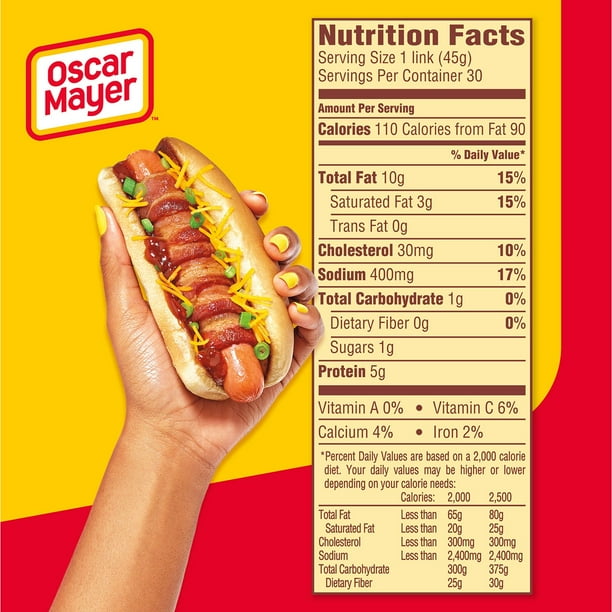
Credit: www.samsclub.com
Frequently Asked Questions
What Are The Calories In A Typical Hot Dog?
A standard hot dog contains about 150 to 180 calories. This varies by size and brand. Calories mainly come from the meat and bun.
How Much Protein Does A Hot Dog Provide?
A regular hot dog offers around 5 to 7 grams of protein. Protein content depends on the meat type used.
Are Hot Dogs High In Sodium?
Yes, hot dogs are typically high in sodium. One hot dog can contain 500 mg or more, which is about 20% of daily needs.
What Vitamins And Minerals Are In Hot Dogs?
Hot dogs contain small amounts of vitamins B12 and B6. They also provide minerals like iron and zinc in moderate amounts.
Conclusion
Hot dogs offer quick and tasty meal options. They contain protein but can be high in fat and sodium. Knowing the nutrition facts helps you make better choices. Eating them in moderation fits a balanced diet. Pair with veggies or fruits for added nutrition.
Always check labels for ingredients and calories. Enjoy hot dogs wisely for a satisfying treat.


