

Are you wondering if it’s okay to feed your puppy adult dog food? You want the best for your furry friend, and choosing the right food is a big part of that.
But can adult dog food meet your puppy’s growing needs? Giving your puppy the wrong food might affect their health and development. Keep reading to find out what experts say and how you can make the best choice for your puppy’s diet.
Your pup’s future starts with what you feed them today.
Differences Between Puppy And Adult Dog Food
Puppies and adult dogs have very different food needs. Puppy food supports growth and development. Adult dog food helps maintain health and energy. Feeding the right food keeps dogs strong and happy.
Understanding these differences helps you choose the best diet. The next sections explain key factors that separate puppy and adult dog food.
Nutritional Needs Of Puppies
Puppies need more protein to build muscles and tissues. They require extra fat for energy and brain development. Vitamins and minerals support bone growth and immune health. These nutrients come in higher amounts in puppy food. Growing dogs burn more calories and need more nutrients daily.
Ingredients In Adult Dog Food
Adult dog food focuses on maintaining body condition. It usually has less protein and fat than puppy food. Ingredients aim to support digestion and joint health. Adult formulas may include fiber to aid digestion. They balance nutrition to avoid weight gain in less active dogs.
Calorie Content Comparison
Puppy food contains more calories per serving than adult food. Puppies use energy quickly for growth and play. Adult dog food has fewer calories to prevent obesity. Feeding adult food to puppies may cause lack of energy. Feeding puppy food to adults may cause weight gain.
Credit: www.gallant.com
Risks Of Feeding Adult Food To Puppies
Feeding adult dog food to puppies carries several risks. Puppies have unique needs that adult food does not meet. Choosing the wrong food can affect their health and growth. Understanding these risks helps protect your puppy’s well-being.
Potential Nutritional Deficiencies
Puppies need more protein, fat, and calories than adult dogs. Adult food often lacks these essential nutrients. Missing key vitamins and minerals can harm your puppy’s immune system. This may lead to weaker bones and poor muscle growth.
Impact On Growth And Development
Puppies grow fast and need balanced nutrition to support this. Adult food may slow down their development. It can cause stunted growth or weak joints. Proper puppy food helps build strong bones and healthy organs.
Digestive Issues
Puppy digestive systems differ from adult dogs. Adult food can be harder to digest for puppies. This may cause upset stomach, diarrhea, or constipation. Puppy food is softer and easier on their digestion.
When Adult Dog Food Might Be Suitable
Puppies need special nutrition for healthy growth. Puppy food meets these needs well. Still, adult dog food may be okay in some cases. Understanding these situations helps keep your puppy safe and healthy.
Knowing when to use adult food can prevent nutrition problems. It is important to watch your puppy’s health closely during these times.
Short-term Feeding Scenarios
Sometimes, adult dog food is okay for a short time. For example, if puppy food is not available. Or during travel when carrying puppy food is hard. In these cases, adult food can fill the gap temporarily. Make sure to return to puppy food soon. Long use of adult food may miss important nutrients.
Consulting A Veterinarian
A vet can guide you on feeding your puppy. They know the best diet for each stage. Sometimes, a vet may suggest adult food if your puppy has health issues. The vet will watch your puppy’s growth and health. Always follow a vet’s advice for food changes.
Special Cases And Exceptions
Some puppies may need adult dog food for special reasons. Puppies with certain illnesses or allergies might benefit. Also, very large breeds may start adult food earlier. These cases are rare and need vet approval. Feeding adult food without guidance can cause problems.
Choosing The Right Food For Your Puppy
Choosing the right food for your puppy is very important. Puppies have different needs than adult dogs. Their food must help them grow strong and stay healthy. Good nutrition supports bones, muscles, and brain development. It also helps keep their energy high.
Not all dog foods are made the same. Some are made just for puppies, while others are for adult dogs. Understanding what to feed your puppy can keep them happy and active.
Reading Pet Food Labels
Pet food labels tell you what is inside the bag or can. Check the ingredients list first. Look for high-quality protein like chicken or beef. Avoid foods with too many fillers such as corn or wheat.
Also, check for added vitamins and minerals. These help your puppy grow properly. Labels often say if the food meets the standards for puppies. Choose foods that meet or exceed these standards.
Importance Of Puppy-specific Formulas
Puppy-specific formulas have the right nutrients for young dogs. They contain more protein and fat than adult dog food. These nutrients help puppies build muscle and store energy.
These formulas also have extra calcium and phosphorus. These minerals support strong bones and teeth. Feeding adult dog food to puppies can cause nutrient gaps or excesses. This can harm their development.
Transitioning Between Foods
Change your puppy’s food slowly. Sudden changes can upset their stomach. Start by mixing a small amount of new food with old food.
Increase the new food amount over seven to ten days. Watch your puppy for any signs of discomfort. A smooth transition helps your puppy adjust well to new food.
Tips For Feeding Puppies Properly
Feeding puppies properly is key to their growth and health. Puppies need special care with food. Their bodies grow fast and need the right nutrients. Giving them the correct food and amount helps build strong bones and muscles. It also supports their brain and immune system development. Follow these tips to feed your puppy the right way.
Feeding Schedules And Portions
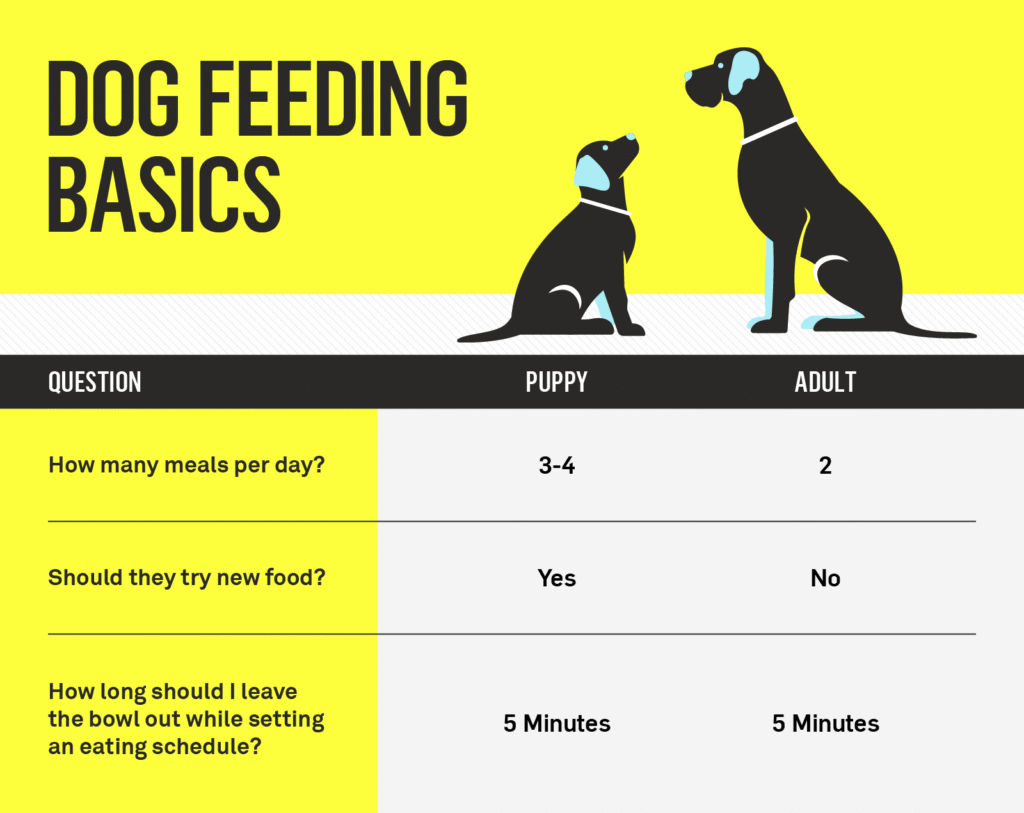
Feed puppies three to four times a day. Smaller meals suit their small stomachs. Measure food portions carefully to avoid overfeeding. Use feeding guidelines on puppy food packages. Adjust amounts as your puppy grows. Regular meal times help create a routine. This keeps your puppy calm and less hungry between meals.
Monitoring Puppy Health
Watch your puppy’s weight and energy levels daily. Healthy puppies have shiny coats and bright eyes. Check for any changes in appetite or stool. Sudden changes may signal health problems. Visit the vet for regular check-ups. Keep records of your puppy’s growth and health. Early detection of issues ensures quick treatment.
Avoiding Common Feeding Mistakes
Do not feed puppies adult dog food. It lacks needed nutrients for growth. Avoid giving human food or snacks often. These can upset their stomachs or cause allergies. Never free-feed; it can lead to overeating. Do not change food suddenly; transition slowly over a week. This prevents digestive upset and picky eating habits.
Credit: www.acanapetfoods.co.uk

Credit: www.houndsy.com
Frequently Asked Questions
Can Puppies Eat Adult Dog Food Safely?
Puppies should not eat adult dog food regularly. Adult formulas lack essential nutrients required for puppy growth. Feeding adult food to puppies may cause nutritional deficiencies and affect development.
What Are The Risks Of Feeding Adult Food To Puppies?
Adult dog food may lack adequate protein, fat, and vitamins for puppies. This can lead to poor growth, weak immunity, and developmental issues. Always choose puppy-specific food for balanced nutrition.
When Can A Puppy Switch To Adult Dog Food?
Puppies can switch to adult dog food after 12 months. Larger breeds may need up to 18 months. Consult your vet to determine the right time for transition.
Can Adult Dog Food Cause Digestive Issues In Puppies?
Yes, adult dog food can upset a puppy’s digestion. Puppies need higher calorie and nutrient-dense diets. Adult food may be harder to digest, causing diarrhea or discomfort.
Conclusion
Puppies need special food to grow strong and healthy. Adult dog food lacks some nutrients puppies require. Feeding adult food to puppies can cause health problems. Choosing puppy food supports their development and energy needs. Always check with your vet before changing diets.
Keep your puppy’s meals balanced and suitable. Healthy food builds a happy and active dog. Remember, good nutrition helps your puppy thrive every day.


