

Are you curious about what a grain free raw diet for dogs really means? If you want to give your furry friend the healthiest, most natural food possible, understanding this diet is key.
Grain free raw diets can improve your dog’s energy, coat, and overall well-being. But how do you know if it’s right for your dog? Keep reading to discover the simple facts and benefits that can help you make the best choice for your loyal companion.
Grain Free Raw Diet Basics
A grain free raw diet for dogs focuses on feeding them natural, uncooked foods without grains. This diet aims to mimic what wild dogs eat. It provides fresh ingredients that are easy to digest and full of nutrients. Many dog owners choose this diet to support better health and energy for their pets.
Core Ingredients
The main parts of a grain free raw diet include fresh meats like chicken, beef, or fish. Organs such as liver and heart are important too. Vegetables like carrots and spinach add vitamins and fiber. Fruits can be included in small amounts for extra nutrients. No grains like wheat, corn, or rice are used in this diet.
How It Differs From Traditional Diets
Traditional dog food often contains cooked grains and processed ingredients. These can be harder for dogs to digest. Grain free raw diets skip cooking to keep nutrients intact. They avoid fillers and additives found in many commercial foods. This diet matches a dog’s natural eating habits more closely.
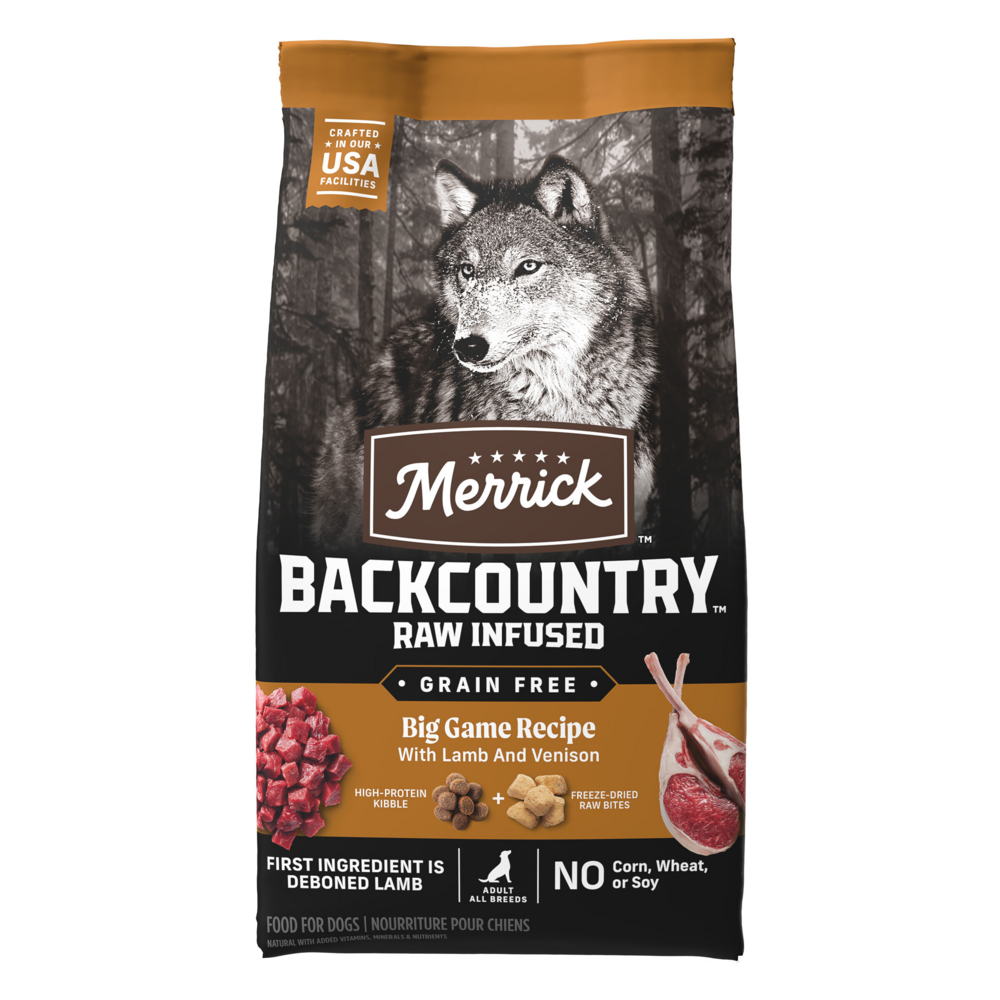
Credit: concordpetfoods.com
Health Benefits For Dogs
A grain free raw diet offers many health benefits for dogs. This type of diet focuses on natural, unprocessed foods without grains. Dogs can feel better and live healthier lives on this diet.
Many pet owners notice positive changes in their dogs’ health after switching to grain free raw food. These benefits support digestion, skin, energy, and more.
Improved Digestion
Grain free raw diets are easier for dogs to digest. Without grains, the stomach works less hard. Natural enzymes in raw food help break down nutrients faster. This leads to less gas, bloating, and upset stomachs.
Allergy Reduction
Many dogs have grain allergies or sensitivities. Removing grains can reduce itching and skin problems. Dogs with food allergies often show fewer signs of discomfort. This diet helps keep their immune system calm.
Enhanced Coat And Skin
Raw foods contain healthy fats and nutrients that improve skin and coat. Dogs often have shinier, softer fur after eating grain free raw meals. Skin becomes less dry and irritated, promoting overall health.
Increased Energy Levels
Dogs on grain free raw diets often show more energy and vitality. Nutrient-rich raw food fuels their bodies better. Active dogs can enjoy longer playtimes and more stamina during walks.
Potential Risks And Considerations
Choosing a grain free raw diet for dogs might seem healthy. But it carries some risks and needs careful thought. Understanding these risks helps keep your dog safe and healthy.
Nutritional Balance
A grain free raw diet may lack important nutrients. Dogs need a mix of vitamins, minerals, and proteins. Missing these can cause health problems over time. Homemade diets often miss key nutrients. Commercial raw diets may not always meet dog food standards. Careful planning is needed to provide a balanced diet.
Safety Concerns
Raw food can carry bacteria like Salmonella and E. coli. These bacteria can harm dogs and humans. Proper handling and storage reduce risks. Bones in raw diets can cause choking or internal injuries. Careful selection and preparation of raw food are essential. Clean surfaces and utensils prevent contamination.
Consulting A Veterinarian
Talking to a vet before changing your dog’s diet is important. Vets can advise on safe and balanced nutrition. They may recommend supplements or tests. Regular check-ups help monitor your dog’s health. A vet’s guidance reduces risks and improves diet success.
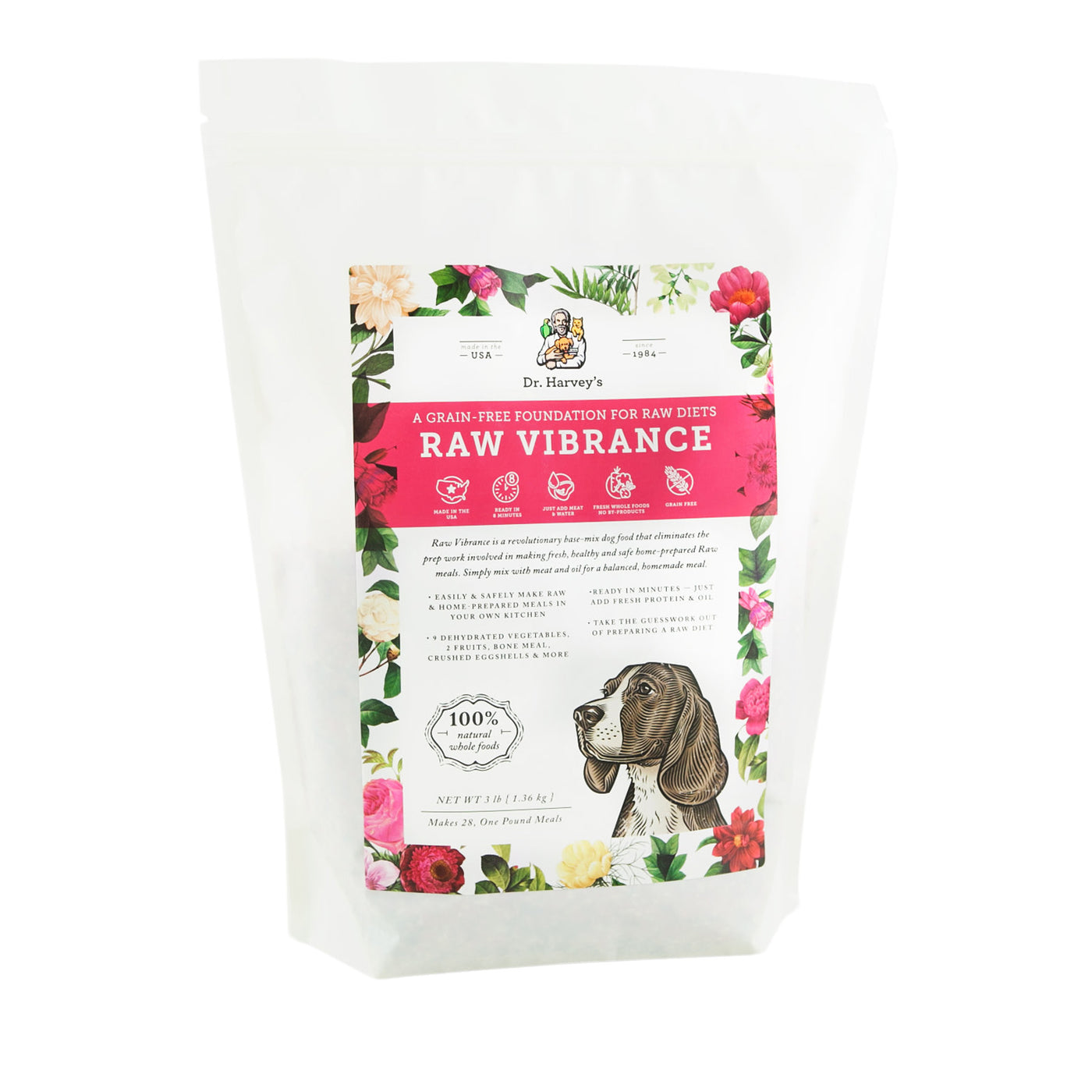
Credit: www.onlynaturalpet.com
Transitioning To A Grain Free Raw Diet
Switching your dog to a grain free raw diet takes time and care. This change affects their digestion and energy. Patience is key. A slow shift helps avoid upset stomachs and food refusal. Watch your dog closely during this time. Learn the right steps and common issues to expect. See how your dog reacts to this new food style.
Step-by-step Guide
Start by mixing a small amount of raw food with the current diet. Increase the raw portion every few days. Watch your dog eat and check for any problems. Offer fresh water at all times. Keep feeding the old food until the switch is complete. This process usually takes one to two weeks.
Common Challenges
Some dogs may refuse new food at first. They might have loose stools or mild vomiting. These issues often pass with time. Another challenge is balancing nutrients. Ensure the raw diet includes meat, organs, and bones. Avoid adding grains or fillers. Consult a vet if problems last more than a week.
Monitoring Your Dog’s Response
Observe your dog’s energy and coat condition. Look for changes in appetite and behavior. Check poop consistency and frequency daily. Note any signs of allergies or discomfort. Keep a journal of these observations. Regular vet visits help track health during the transition.
Popular Ingredients In Grain Free Raw Diets
Grain free raw diets for dogs focus on fresh, natural ingredients. These meals avoid grains like wheat and corn. Instead, they use proteins, vegetables, and supplements that support dog health.
Choosing the right ingredients is key. These foods mimic what dogs ate before farming and processing. The diet aims to boost energy, digestion, and coat health.
Meats And Proteins
Raw meats are the main part of this diet. Chicken, beef, and turkey are common choices. Fish like salmon adds omega-3 fatty acids. Organ meats such as liver offer vitamins and minerals. These proteins help build strong muscles and support overall health.
Vegetables And Fruits
Vegetables and fruits add fiber, vitamins, and antioxidants. Carrots, spinach, and broccoli are popular veggies. Apples and blueberries provide natural sweetness and nutrients. These ingredients help digestion and boost the immune system.
Supplements And Additives
Supplements ensure dogs get all needed nutrients. Fish oil adds healthy fats. Bone meal supplies calcium for strong bones and teeth. Probiotics support gut health and improve digestion. These extras keep the diet balanced and complete.
Homemade Vs Commercial Grain Free Raw Diets
Choosing between homemade and commercial grain free raw diets for dogs can be tough. Both have unique benefits and challenges. Understanding these differences helps pet owners decide the best option for their dogs. This section breaks down key factors to consider.
Pros And Cons
Homemade diets allow full control over ingredients and portions. You know exactly what your dog eats. Recipes can be tailored to specific health needs. The downside: it takes time to prepare meals daily. Balancing nutrients correctly can be hard without expert advice.
Commercial diets offer convenience and ease. They come pre-portioned and ready to serve. Many brands use high-quality ingredients and follow safety standards. Some dogs may prefer commercial food taste. On the downside, some products contain fillers or preservatives. Not all brands maintain consistent quality.
Quality Assurance
Homemade diets depend on your knowledge and ingredient quality. You must ensure food safety and proper storage. Consulting a vet or pet nutritionist is important to avoid nutrient gaps. Commercial diets undergo testing and follow regulations. Reliable brands provide ingredient lists and nutritional info. Look for certifications or approvals from pet health organizations.
Cost Comparison
Homemade raw diets can be budget-friendly if you buy ingredients in bulk. Costs vary depending on meat and produce prices. Time investment is also a factor. Commercial diets may cost more per serving. Packaging, marketing, and processing add to price. Still, the convenience may justify the extra cost for many pet owners.
Myths About Grain Free Raw Diets
Grain free raw diets for dogs face many myths. These myths can confuse pet owners and affect their choices. Understanding facts behind these diets helps make better decisions for dogs’ health.
Common Misconceptions
One myth says grain free diets cause heart problems in dogs. This claim is often based on incomplete information. Another misconception is that dogs need grains to be healthy. Dogs can digest proteins and fats better than grains. Some think raw diets lack balance. Proper planning ensures dogs get all nutrients they need.
Scientific Evidence
Research shows no clear link between grain free raw diets and heart disease. Studies suggest some dogs may have specific allergies to grains. For those dogs, grain free diets can help. Raw diets can provide natural nutrients in good amounts. Scientists agree balanced diets support dog health best. Consulting a vet ensures diet meets dog’s needs.

Credit: www.amazon.com
Frequently Asked Questions
What Is A Grain Free Raw Diet For Dogs?
A grain free raw diet for dogs excludes grains like wheat and corn. It focuses on raw meats, vegetables, and fruits. This diet aims to mimic a dog’s natural ancestral eating habits for improved health and digestion.
Are Grain Free Raw Diets Safe For All Dogs?
Grain free raw diets are generally safe but not for all dogs. Some dogs may have allergies or health issues needing special diets. Always consult a veterinarian before switching your dog to a grain free raw diet.
How Does A Grain Free Raw Diet Benefit Dogs?
This diet can improve coat shine, energy levels, and digestion. It may reduce allergies caused by grains and fillers found in commercial dog food. Many dog owners report better overall health and vitality with this diet.
Can Puppies Eat A Grain Free Raw Diet?
Yes, puppies can eat a grain free raw diet if balanced properly. It must include all essential nutrients for growth. Consult a vet to ensure the diet meets your puppy’s developmental needs.
Conclusion
A grain free raw diet for dogs focuses on meat, organs, and bones. It avoids grains like wheat, corn, and rice. Many dogs may feel better with this diet. It can help with allergies and digestion. Always talk to a vet before changing your dog’s food.
Each dog is different and needs the right balance. Feeding raw food takes time and care. The diet can support a healthy, happy dog. Think about your dog’s needs and lifestyle first. Choose what works best for your furry friend.


