

Are you wondering if it’s okay to feed your adult dog puppy food? You’re not alone.
Many dog owners ask this question, hoping to give their furry friend the best nutrition possible. But is puppy food really safe or beneficial for adult dogs? What could happen if you make this switch? Keep reading to discover the surprising facts that could impact your dog’s health and help you make the right choice for your loyal companion.
Credit: labiosthetique.ee
Differences Between Puppy And Adult Dog Food
Puppy food and adult dog food serve different purposes. They meet the unique needs of dogs at various life stages. Understanding these differences helps you choose the right food for your dog.
Puppies grow fast and need extra nutrients. Adult dogs need balanced food to maintain health without gaining weight.
Nutritional Needs Of Puppies
Puppies require more protein to build muscles. They need extra fat for energy and brain growth. Vitamins and minerals support strong bones and immune systems. Their food helps them develop into healthy adults.
Nutritional Needs Of Adult Dogs
Adult dogs need fewer calories to avoid weight gain. Their food has balanced protein for muscle maintenance. Fiber helps digestion and keeps them feeling full. Nutrients support joints and overall health as they age.
Key Ingredient Variations
Puppy food has higher protein and fat levels. It contains nutrients like DHA for brain development. Adult food has less fat and calories. It focuses on ingredients that support long-term health. Ingredients vary to match energy and growth needs.
Potential Effects Of Feeding Puppy Food To Adult Dogs
Feeding puppy food to adult dogs can affect their health in several ways. Puppy food has more calories and nutrients made for growing dogs. Adult dogs have different needs. Giving them puppy food might cause some problems. Understanding these effects helps in choosing the right food for your dog.
Weight Gain And Obesity Risks
Puppy food has extra calories to support growth. Adult dogs eating this food may gain weight fast. Too many calories cause obesity in adult dogs. Obesity can lead to health problems like diabetes and joint pain. Controlling the food portion is important for adult dogs.
Digestive Impact
Adult dogs’ stomachs may react to puppy food differently. Higher fat and protein levels can upset digestion. Dogs might have diarrhea or vomiting. Their digestive system may work harder to process extra nutrients. Feeding the right food helps keep the stomach calm.
Energy Levels And Activity
Puppy food can increase energy due to more calories. Adult dogs may become more active or restless. Too much energy can cause hyperactivity or anxiety. Balanced food keeps energy steady and supports a healthy lifestyle. Matching food to activity level is key for adult dogs.
When Puppy Food Might Be Suitable For Adults
Puppy food is made with more calories, protein, and nutrients than adult dog food. This helps puppies grow strong and healthy. Sometimes, adult dogs may also need this extra nutrition. Not all adult dogs fit the same diet. Some might benefit from eating puppy food for a period of time.
Certain adult dogs have special needs or higher energy levels. Puppy food can support their health in these cases. This section explains when puppy food might be a good choice for adults.
Pregnant Or Nursing Dogs
Pregnant and nursing dogs need more calories and nutrients. Puppy food provides extra protein and fat to support them. It helps the mother produce enough milk for her puppies. Feeding puppy food helps keep both mother and puppies healthy during this time.
Highly Active Or Working Dogs
Dogs that run, work, or play hard need more energy. Puppy food has higher calories to fuel their activity. It supports muscle repair and keeps them strong. Active dogs may benefit from puppy food to meet their energy needs.
Senior Dogs With Special Needs
Older dogs sometimes have trouble absorbing nutrients. Some senior dogs need extra protein to maintain muscle. Puppy food can help with these special needs. Consult a vet before making any diet changes for seniors.
Choosing The Right Food For Your Dog
Choosing the right food for your dog is important. Dogs need different nutrients at different ages. Adult dogs and puppies have unique dietary needs. Feeding the right food helps keep your dog healthy and active. Understanding how to pick the best food is key to their well-being.
Reading Dog Food Labels
Dog food labels show important information. Check the ingredients list first. Look for real meat or fish as the main ingredient. Avoid foods with too many fillers like corn or wheat. Check the guaranteed analysis for protein, fat, and fiber levels. Ensure the food meets AAFCO standards for your dog’s life stage.
Consulting A Veterinarian
Your vet knows your dog’s health best. Ask for advice before changing foods. They can recommend the best diet for your dog’s age and health. A vet can spot allergies or sensitivities. Follow their guidance to avoid digestive or health issues.
Transitioning Between Foods
Changing your dog’s food needs care. Switch slowly over 7 to 10 days. Start by mixing a small amount of new food with old food. Gradually increase the new food amount each day. Watch for stomach upset or changes in stool. A slow transition helps your dog adjust comfortably.
Common Myths About Feeding Puppy Food To Adult Dogs
Many dog owners wonder if feeding puppy food to adult dogs is a good idea. There are several myths about this topic. These myths can confuse pet parents and lead to wrong feeding choices. Knowing the facts helps you give your dog the best nutrition. Let’s clear up some common myths about feeding puppy food to adult dogs.
Puppy Food Is Always Healthier
Puppy food has more calories and nutrients than adult dog food. This helps puppies grow strong and healthy. But adult dogs do not need extra calories all the time. Too much nutrition can cause weight gain and health issues. Puppy food is not always better for adult dogs. Each stage of life needs different nutrition.
Puppy Food Can Fix Nutritional Deficiencies
Some believe feeding puppy food can fix an adult dog’s nutrient gaps. Puppy food is made for growth, not for adult maintenance. Nutritional deficiencies need specific treatment from a vet. Feeding puppy food may not solve the problem and might cause other issues. Proper diagnosis and diet changes are key to fixing deficiencies.
Adult Dogs Need Less Nutrition
Adult dogs need balanced nutrition, not less nutrition. Their bodies work differently from puppies. They need the right amounts of proteins, fats, and vitamins. Less nutrition can lead to weak muscles and poor health. Feeding adult dogs a diet made for them keeps them active and healthy.
Credit: www.raisedrightpets.com
Credit: www.dogster.com
Frequently Asked Questions
Can Adult Dogs Eat Puppy Food Safely?
Adult dogs can eat puppy food occasionally, but it’s not ideal long-term. Puppy food has extra calories and nutrients meant for growth. Feeding adult dogs puppy food regularly may lead to weight gain or nutrient imbalance.
What Are The Risks Of Feeding Adult Dogs Puppy Food?
Feeding adult dogs puppy food can cause obesity and digestive issues. Puppy food is richer in fat and protein, which adult dogs need less. Long-term feeding may also disrupt their nutrient balance and overall health.
How Is Puppy Food Different From Adult Dog Food?
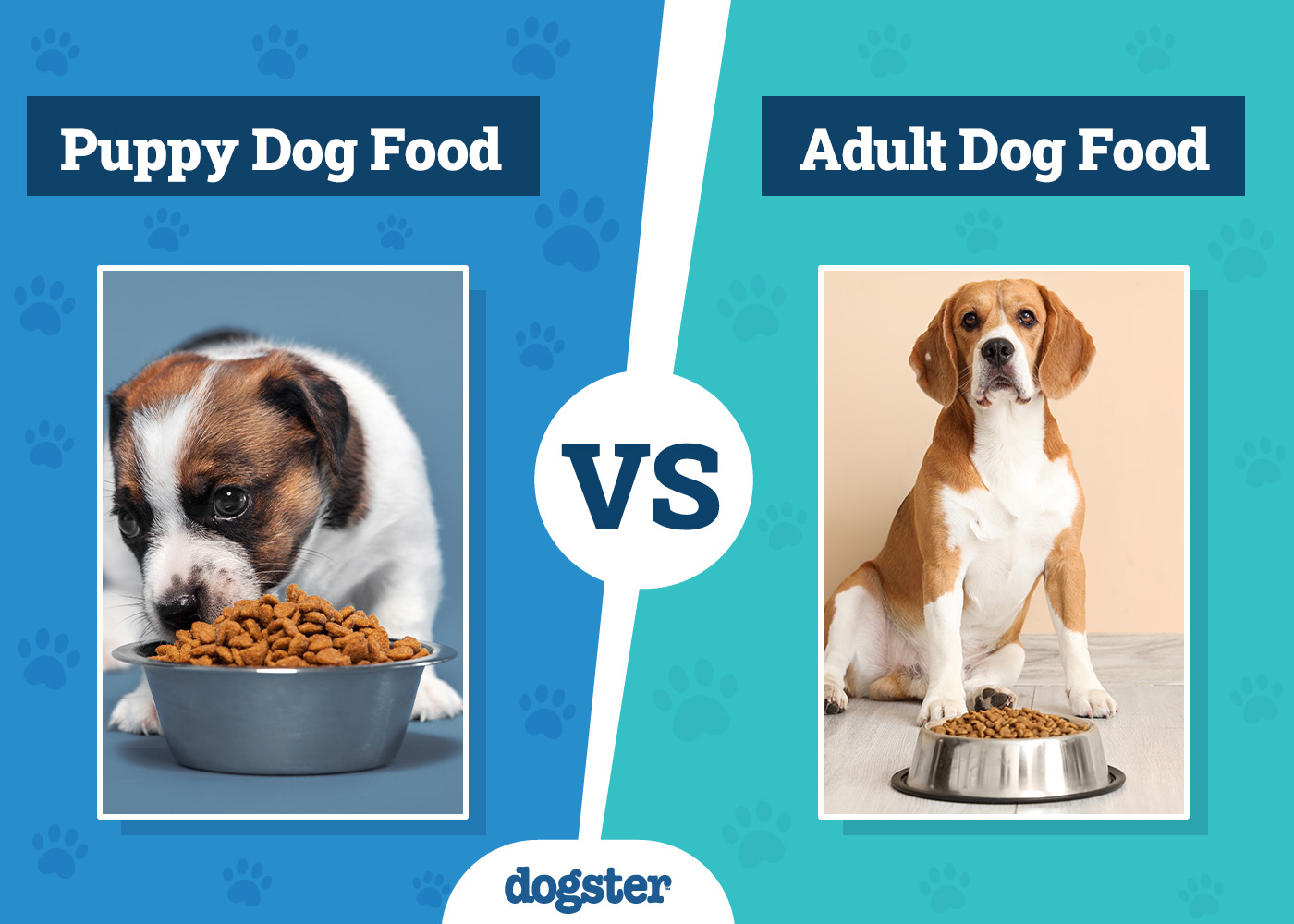
Puppy food contains higher calories, protein, and fat to support growth. Adult dog food has balanced nutrients for maintenance and energy needs. The formulas differ to meet the specific life stage requirements of dogs.
When Can You Switch From Puppy To Adult Dog Food?
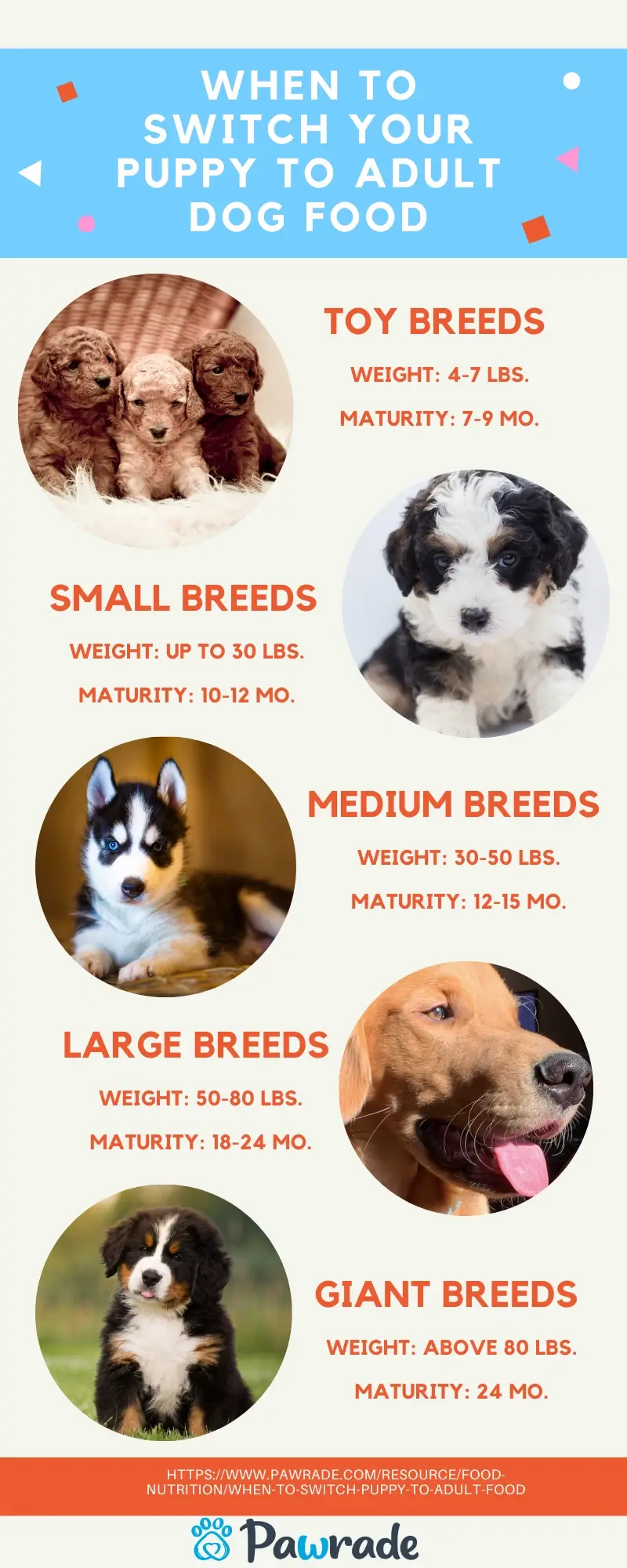
Switch to adult food when your dog reaches about 12 months old. Large breeds may switch closer to 18 months. Consult your vet for the best timing based on your dog’s breed and health.
Conclusion
Feeding adult dogs puppy food is not ideal for their health. Puppy food has extra nutrients meant for growing dogs. Adult dogs need a balanced diet suited to their age. Too many calories or nutrients can cause weight gain or other problems.
Always check your dog’s specific needs before changing their food. Consult your vet for the best advice. Good nutrition keeps your dog happy and active. Choose food that fits their stage of life for long-term health.


