
How often should you take your dog to the groomer? It’s a question many pet owners wonder about but don’t always get a clear answer to.
Your dog’s comfort, health, and happiness depend a lot on proper grooming. But how do you know if it’s time for a trim, a bath, or a full grooming session? You’ll discover the key signs and simple tips to keep your furry friend looking and feeling their best.
Keep reading to find out exactly when your dog needs a visit to the groomer—and why it matters more than you might think.
Factors Influencing Grooming Frequency
Knowing how often to take your dog to the groomer depends on several key factors. These factors help decide the best grooming schedule for your pet. Understanding them keeps your dog healthy and looking good.
Each dog is unique. Breed, age, health, and lifestyle all play a role in grooming needs. Let’s explore these factors to help you choose the right frequency.
Breed And Coat Type
Some breeds have thick, long, or curly fur that mats easily. They need grooming every 4 to 6 weeks. Short-haired dogs with smooth coats may only need grooming every 8 to 12 weeks. Coats that shed a lot require regular brushing but less frequent professional grooming.
Age And Health
Puppies and young dogs often need more frequent grooming as they grow. Older dogs may have sensitive skin or health problems. They might need gentle grooming sessions and fewer visits. Health issues can affect how often grooming is safe or comfortable.
Lifestyle And Activity Level
Active dogs that play outside or swim often get dirty faster. They need grooming more often to stay clean and prevent skin problems. Dogs who spend most time indoors may need fewer grooming visits. Your dog’s daily activities impact grooming frequency greatly.
Common Grooming Tasks
Common grooming tasks keep your dog healthy and happy. Regular care prevents problems like skin issues and infections. Grooming also helps your dog look neat and feel comfortable. Understanding these tasks helps you decide how often to visit the groomer.
Bathing And Brushing
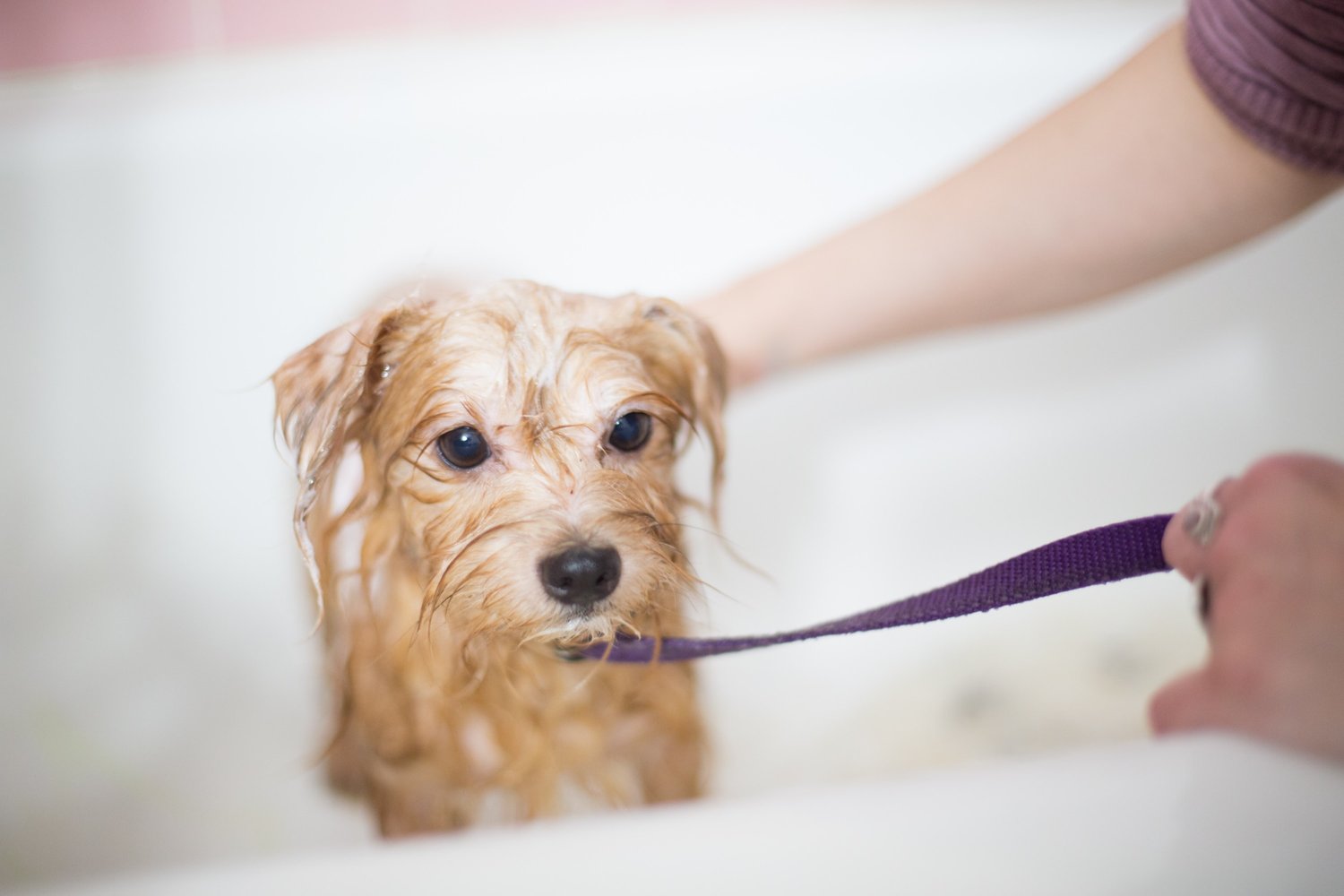
Bathing removes dirt, oils, and odors from your dog’s coat. Brushing stops mats and tangles from forming. It spreads natural oils for a shiny coat. Most dogs need brushing several times a week. Bathing frequency depends on your dog’s activity and coat type.
Nail Trimming
Long nails can cause pain and affect walking. Nail trimming prevents overgrowth and splitting. Check nails every two to four weeks. Some dogs wear down nails naturally, but many need trims from a groomer.
Ear Cleaning
Dirty ears cause infections and discomfort. Cleaning removes wax and debris safely. Regular checks help spot early signs of infection. Dogs with floppy ears need more frequent cleaning than those with upright ears.
Haircuts And Styling
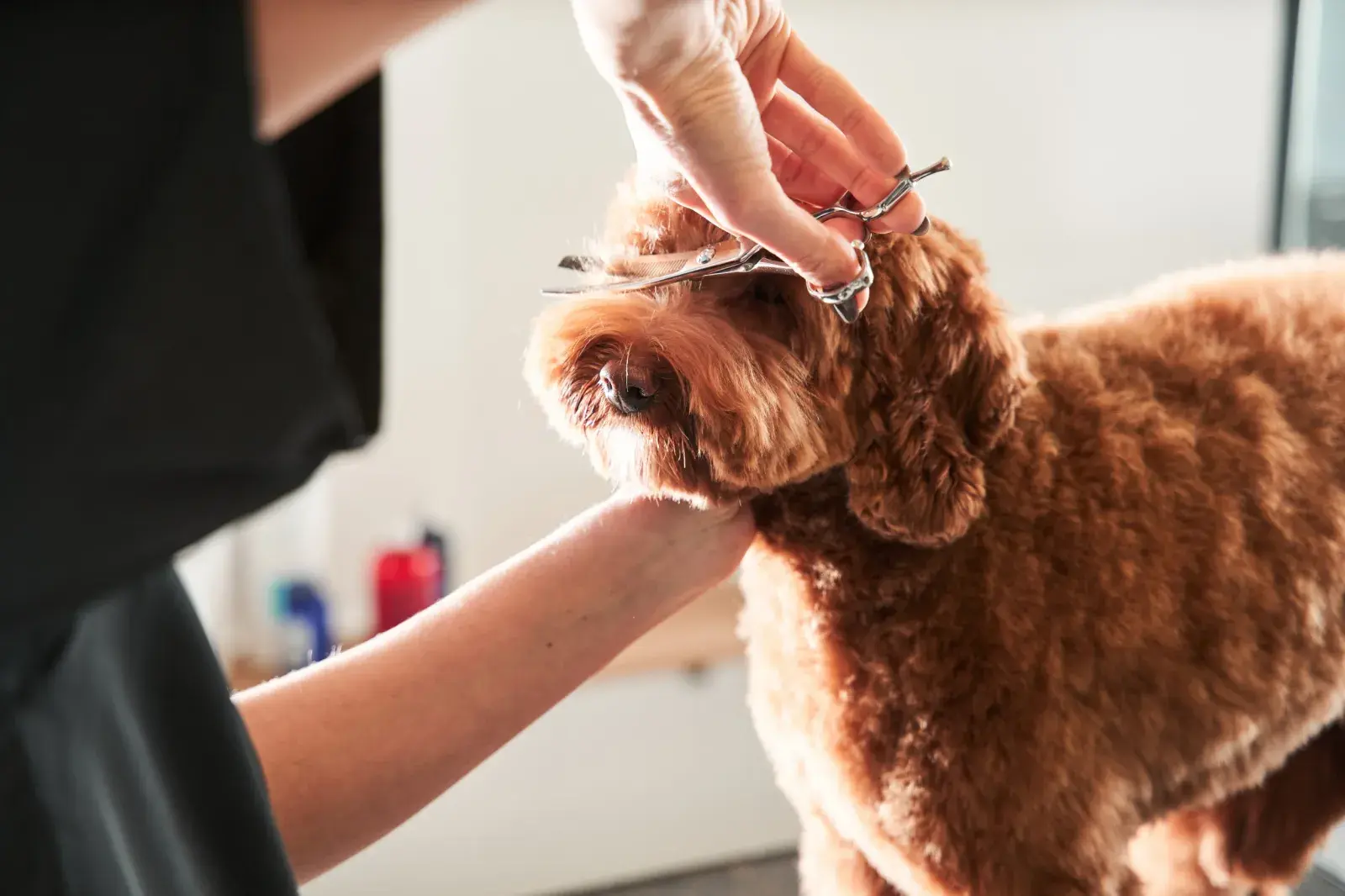
Haircuts keep your dog cool and clean. Styling depends on breed, coat, and owner preference. Some breeds need haircuts every six to eight weeks. Groomers shape the coat to avoid mats and improve comfort.
Recommended Grooming Schedule
Keeping your dog clean and healthy needs a regular grooming plan. A good schedule helps avoid matting, skin problems, and bad smells. Different dogs need different grooming times. Knowing the right routine helps your pet feel happy and look great.
Below is a simple guide to how often you should visit the groomer. It fits different coat types and special needs. Follow this schedule to keep your dog in top shape.
Short-haired Dogs
Short-haired dogs usually need fewer grooming visits. Every 8 to 12 weeks is often enough. Their coats shed less and are easier to clean at home. Regular brushing helps remove loose hair and dirt.
Baths can be done every 4 to 6 weeks or when the dog gets dirty. Nail trims and ear checks should be part of the grooming routine too. This keeps them comfortable and healthy.
Long-haired Dogs
Long-haired dogs need more frequent grooming. Visiting the groomer every 4 to 6 weeks is best. Their coats can get tangled and matted quickly without care. Regular trims keep their hair neat and reduce mats.
Brushing at home every day is important for long-haired dogs. It removes knots and spreads natural oils. Bathing every 4 weeks helps keep the coat clean and shiny.
Dogs With Special Needs
Some dogs need extra care due to skin issues or health problems. They may need grooming every 3 to 4 weeks. Special shampoos and gentle handling can help sensitive skin.
Older dogs or those with arthritis may prefer shorter sessions. Discuss their needs with your groomer for the best plan. Regular grooming helps spot health issues early.
Credit: houseofpawsgrooming.com
Signs Your Dog Needs Grooming
Knowing when your dog needs grooming is important for their health and happiness. Dogs cannot tell us when they feel uncomfortable. Watching for signs helps you decide the right time for a grooming visit.
Skin And Coat Condition
Check your dog’s skin for redness or bumps. Dry, flaky skin shows a need for grooming. Matted or tangled fur causes pain and skin problems. A shiny, clean coat means your dog feels good.
Behavioral Changes
Notice if your dog scratches or bites more than usual. Restlessness or hiding may mean discomfort. Dogs might shake their bodies to ease irritation. These actions suggest it is time to groom.
Odor And Dirt
A strong, unpleasant smell comes from dirt and oils. Dirt builds up in fur and ears over time. Grooming removes dirt and keeps your dog smelling fresh. Clean dogs are healthier and happier pets.
Choosing The Right Groomer
Choosing the right groomer for your dog is very important. A good groomer keeps your dog healthy and happy. It is more than just a haircut. The right groomer cares about your dog’s comfort and safety. This helps your dog enjoy each visit and look great afterward.
Qualifications And Experience
Check if the groomer has proper training. Experienced groomers understand different dog breeds well. They know how to handle anxious or shy dogs. A skilled groomer knows how to spot health issues early. Proper qualifications mean your dog is in safe hands.
Facilities And Equipment
Look for a clean and well-organized place. Good facilities include safe bathing areas and grooming tables. Modern equipment helps finish grooming faster and better. Clean tools reduce the risk of infections. A good groomer uses gentle products suited for your dog’s skin.
Reviews And Recommendations
Read online reviews from other dog owners. Positive feedback shows the groomer is trusted and reliable. Ask friends or your vet for suggestions. Personal recommendations often lead to great groomers. Happy clients mean your dog will get great care too.
Credit: www.newsweek.com
Diy Grooming Tips
Taking care of your dog’s grooming at home saves time and money. It also helps you bond with your pet. Simple grooming tasks keep your dog clean and healthy. Learning some DIY grooming tips makes the process easier and safer for both of you.
Basic Tools To Have
Start with a good brush suited for your dog’s coat type. Use a comb to remove tangles and mats. Nail clippers or a grinder keep nails trimmed safely. Have dog-friendly shampoo and conditioner ready for baths. A towel and a blow dryer on low heat help dry your dog. Keep scissors with rounded tips for trimming hair around the eyes and paws.
Safe Techniques
Brush your dog gently to avoid hurting the skin. Check for mats and work them out slowly. Use clippers with care, moving in the direction of hair growth. Trim nails little by little to avoid cutting quicks. Bathe your dog in lukewarm water and rinse well. Dry your dog carefully to prevent chills. Always stay calm and speak softly to keep your dog relaxed.
When To Seek Professional Help
Look for signs of skin problems like redness or sores. Ask a groomer if your dog’s coat is very matted. Seek help if your dog is nervous or aggressive during grooming. Get professionals for haircuts that require special skills. Visit a groomer if you are unsure about nail trimming. Regular professional grooming helps maintain your dog’s health and comfort.
Credit: www.furkin.com
Frequently Asked Questions
How Often Should You Groom A Dog?
Most dogs benefit from grooming every 4 to 8 weeks. Frequency depends on breed, coat type, and lifestyle. Regular grooming keeps skin healthy and reduces shedding.
Does Breed Affect Grooming Frequency?
Yes, different breeds need grooming at varying intervals. Long-haired breeds require more frequent grooming than short-haired ones. Always tailor grooming to your dog’s specific needs.
Can Grooming Prevent Health Issues?
Regular grooming helps spot skin problems, infections, and parasites early. It maintains coat health and prevents matting, which can cause pain and infection.
What Signs Show My Dog Needs Grooming?
Look for matted fur, excessive shedding, bad odor, and dirty ears. If your dog scratches frequently or has flaky skin, it’s time for grooming.
Conclusion
Regular grooming keeps your dog healthy and happy. Every dog needs different care based on breed and coat type. Watch for signs like matting or odor to schedule visits. Clean fur and trimmed nails prevent discomfort and infections. Frequent grooming also helps you spot skin problems early.
Choose a schedule that fits your dog’s needs and lifestyle. Consistency makes grooming easier and less stressful for your pet. Keep your dog looking good and feeling great with proper grooming care. Your furry friend will thank you with wagging tails and bright eyes.


