

You want the best for your dog, and that includes feeding them the right food at the right time. But when exactly should your furry friend switch from puppy food to adult food?
Getting this timing right is crucial for their health and happiness. If you’re unsure when to make the change, you’re not alone—and this article will clear up the confusion. Keep reading to discover the simple signs and expert tips that will help you choose the perfect moment to switch your dog to adult food.
Your dog’s well-being depends on it!
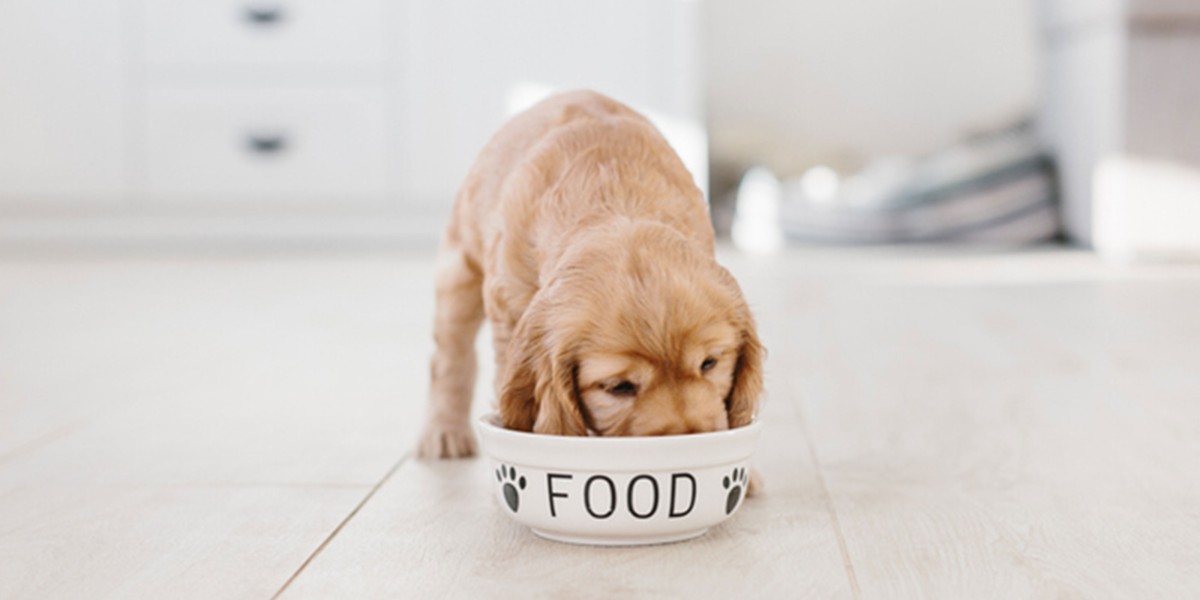
Credit: www.purina.com
When To Switch To Adult Dog Food
Knowing the right time to switch your dog to adult food is important. Feeding adult food too early or too late can affect your dog’s health. Each dog grows at its own pace. The switch depends on breed size, weight, growth, and behavior. Understanding these factors helps you give your dog the best nutrition.
Age Guidelines By Breed Size
Small breed dogs mature faster than large breeds. Usually, small dogs switch to adult food around 9 to 12 months old. Medium breeds change between 12 and 14 months. Large and giant breeds need more time. They often switch between 12 and 24 months. Breed size is a key factor to decide the right time.
Weight And Growth Considerations
Monitor your dog’s weight closely. Steady growth means your dog is ready for adult food. Rapid growth may mean waiting longer. Overweight dogs might need special diets. Talk to your vet about your dog’s growth pattern. Adjust food type based on weight changes and body condition.
Behavioral Changes Signaling Readiness
Adult dogs show new behaviors. Less frequent meals and slower eating are common signs. Your dog might seem less hyperactive. Adult food suits calmer, more mature dogs. Notice changes in energy and appetite. These clues help decide the switch time clearly.
Key Signs Your Dog Needs Adult Food
Knowing the right time to switch your dog to adult food is important for their health. Puppies and adult dogs have different nutritional needs. Watch for signs that show your dog is ready for adult food. These signs help you make the best choice for your pet’s diet.
Dental Development
Puppies lose their baby teeth and grow adult teeth. This usually happens between 4 and 6 months. When your dog’s teeth look bigger and stronger, it means the mouth is ready for adult food. Adult food has tougher kibble, which helps keep teeth clean.
Energy Levels And Activity
Puppies are very active and need more energy. Adult dogs usually have calmer energy. If your dog seems less hyper and runs less often, it may need less energy from food. This change means it is time to switch to adult food that matches their activity level.
Changes In Appetite
Growing puppies eat a lot. When growth slows, appetite may also slow down. If your dog eats less or is less hungry, it could mean it needs adult food. Adult food is made to satisfy a grown dog’s appetite without overfeeding.
Coat And Skin Condition
Your dog’s coat and skin show health clearly. Healthy skin and shiny fur signal good nutrition. If the coat looks dull or skin is dry, the diet might need change. Adult food has nutrients that support healthy skin and a shiny coat for grown dogs.
Expert Tips For Transitioning Food
Transitioning your dog from puppy to adult food needs care and patience. Sudden changes can upset their stomach and cause discomfort. Using expert tips helps make the switch smooth and easy. A gentle approach supports good health and happy meals.
Gradual Food Mixing Techniques
Start by mixing a small amount of adult food with puppy food. Slowly increase the adult food over 7 to 10 days. This helps your dog get used to the new taste and texture. Mixing foods reduces the risk of digestive problems.
Monitoring Digestive Health
Watch your dog’s stool and appetite during the transition. Loose stools or vomiting can mean the change is too fast. If problems appear, slow down the food switch. Keep your dog hydrated and comfortable throughout.
Choosing The Right Adult Formula
Select an adult food that fits your dog’s size and breed. Check for balanced nutrients and high-quality ingredients. Some dogs need formulas for sensitive stomachs or allergies. Consult your vet for the best choice.
Common Mistakes To Avoid
Feeding your dog the right food at the right time is very important. Many pet owners make mistakes when switching from puppy food to adult food. These mistakes can affect your dog’s health and growth. Avoid these common errors to keep your dog happy and healthy.
Switching Too Early Or Late
Changing to adult food too soon can cause nutritional gaps. Puppies need special nutrients for growth. Switching too late means your dog may get too many calories. This can lead to weight gain and health problems. Follow your vet’s advice on the right timing.
Ignoring Breed-specific Needs
Different breeds have different nutritional needs. Large breeds need food with joint support. Small breeds require more calories in less food. Not paying attention to breed-specific needs can cause health issues. Choose adult food based on your dog’s breed and size.
Overfeeding And Portion Control
Giving too much food leads to obesity. Overweight dogs face many health risks. Follow the portion guidelines on the food package. Adjust portions based on your dog’s activity level and age. Keep treats limited and healthy to avoid extra calories.
Benefits Of Feeding Adult Dog Food On Time
Feeding adult dog food at the right time helps keep dogs strong and healthy. It meets their changing needs as they grow from puppies to adults. Adult dog food has the right nutrients for mature dogs. This helps avoid health problems and supports a happy life.
Supporting Healthy Growth
Adult dog food has balanced nutrients for steady growth. It supports strong bones, muscles, and teeth. The food contains the right amount of protein and vitamins. This helps dogs stay active and healthy.
Maintaining Optimal Weight
Adult dog food helps control weight better than puppy food. It has fewer calories to prevent extra fat. Keeping a healthy weight reduces the risk of illnesses. Dogs feel more energetic and comfortable with a good weight.
Preventing Nutritional Deficiencies
Switching to adult food on time avoids missing important nutrients. Puppy food has more fat and calories, not needed for adults. Adult food has the right vitamins and minerals for mature dogs. This helps keep their immune system strong and body balanced.
Credit: www.bowlerspets.com
Credit: www.acanapetfoods.co.uk
Frequently Asked Questions
When Is The Right Age To Switch Dogs To Adult Food?
Most dogs should switch to adult food around 12 months old. Larger breeds may transition later, at 18-24 months. Consult your vet for breed-specific guidance.
What Signs Show My Dog Needs Adult Food Now?
Signs include slowed growth, decreased energy, and less playfulness. If your puppy seems less active, it’s likely time to switch to adult food.
Can Feeding Adult Food Too Early Harm My Dog?
Yes, feeding adult food too early can cause nutrient deficiencies. Puppies need higher protein and fat levels for growth, which adult food may lack.
How Do Adult Dog Food Needs Differ From Puppies?
Adult dog food has fewer calories, lower protein, and less fat. It supports maintenance, not growth, helping to prevent obesity and health issues.
Conclusion
Feeding your dog adult food at the right time helps their health. Most dogs switch between 12 to 18 months old. Watch their size, energy, and breed for clues. Talk to your vet for the best advice. Changing food too soon can upset their stomach.
Wait until they grow and develop fully. Healthy food keeps dogs happy and strong. Remember, every dog is different. Pay attention to your dog’s needs. This way, you give them the best care possible.


