

If you’re thinking about adding nutritional yeast to your dog’s diet, you probably want to know the right amount to give. Too little might not make a difference, but too much could cause problems.
You want what’s best for your furry friend, and that means understanding how to use this supplement safely. Keep reading to discover exactly how much nutritional yeast is safe and beneficial for your dog, so you can boost their health without any risks.

Credit: www.amazon.com
Benefits Of Nutritional Yeast For Dogs
Nutritional yeast offers many benefits for dogs. It is a natural supplement full of vitamins and minerals. Including it in your dog’s diet can support their overall health. Dogs enjoy the cheesy flavor, making it easy to add to meals.
This supplement can improve your dog’s immune system, coat, skin, and digestion. It is a safe and healthy way to boost their nutrition.
Boosting Immune Health
Nutritional yeast contains beta-glucans. These compounds help strengthen the immune system. A strong immune system helps dogs fight illnesses better. It also supports faster recovery from infections. Regular use can keep your dog healthier over time.
Improving Coat And Skin
The vitamins in nutritional yeast promote healthy skin and a shiny coat. B vitamins help reduce dryness and itching. Dogs with dull fur can see improvement. A healthy coat means less shedding and fewer skin problems.
Supporting Digestive System
Nutritional yeast has probiotics that aid digestion. It helps balance good bacteria in the gut. This leads to better nutrient absorption and less stomach upset. Dogs with sensitive stomachs may benefit the most.

Credit: www.amazon.com
Potential Risks Of Nutritional Yeast
Nutritional yeast offers many benefits for dogs, but it is not without risks. Understanding these risks helps keep your dog safe and healthy. Use nutritional yeast carefully and watch for any signs of problems.
Allergic Reactions
Some dogs may be allergic to nutritional yeast. Signs include itching, redness, or swelling. Your dog might also scratch or bite their skin more. Stop giving nutritional yeast if you notice these symptoms. Allergies can be serious and need quick care.
Digestive Upset
Too much nutritional yeast can upset your dog’s stomach. Vomiting, diarrhea, or gas may occur. Start with a small amount to see how your dog reacts. Gradually increase if there are no issues. Avoid giving large doses at once.
Interactions With Medications
Nutritional yeast may affect some medications your dog takes. It can change how drugs work or cause side effects. Always talk to your vet before adding nutritional yeast to your dog’s diet. This step keeps your dog safe and avoids problems.
Determining The Right Dosage
Determining the right dosage of nutritional yeast for your dog is important for their health. Giving too little may not provide benefits. Too much can cause digestive upset. Finding the correct amount depends on several key points. Understanding these helps keep your dog safe and happy.
Factors Influencing Dosage
Dog’s weight plays a big role in dosage size. Smaller dogs need less than larger dogs. Age matters too. Puppies and older dogs can be more sensitive. Health status is another factor. Dogs with allergies or medical conditions need careful dosing. The type of nutritional yeast used can also affect how much to give.
Dosage Guidelines By Dog Size
For small dogs under 20 pounds, 1/4 to 1/2 teaspoon daily is enough. Medium dogs between 20 and 50 pounds may have 1/2 to 1 teaspoon. Large dogs over 50 pounds can take 1 to 2 teaspoons each day. These amounts fit most healthy dogs. Adjustments might be needed based on your dog’s needs.
Starting With Small Amounts
Start with a tiny dose. Watch for any changes in your dog’s health or behavior. Gradually increase the amount over several days. This helps avoid stomach issues or allergies. If your dog shows signs of discomfort, reduce the amount or stop giving it. Small steps keep your dog safe.
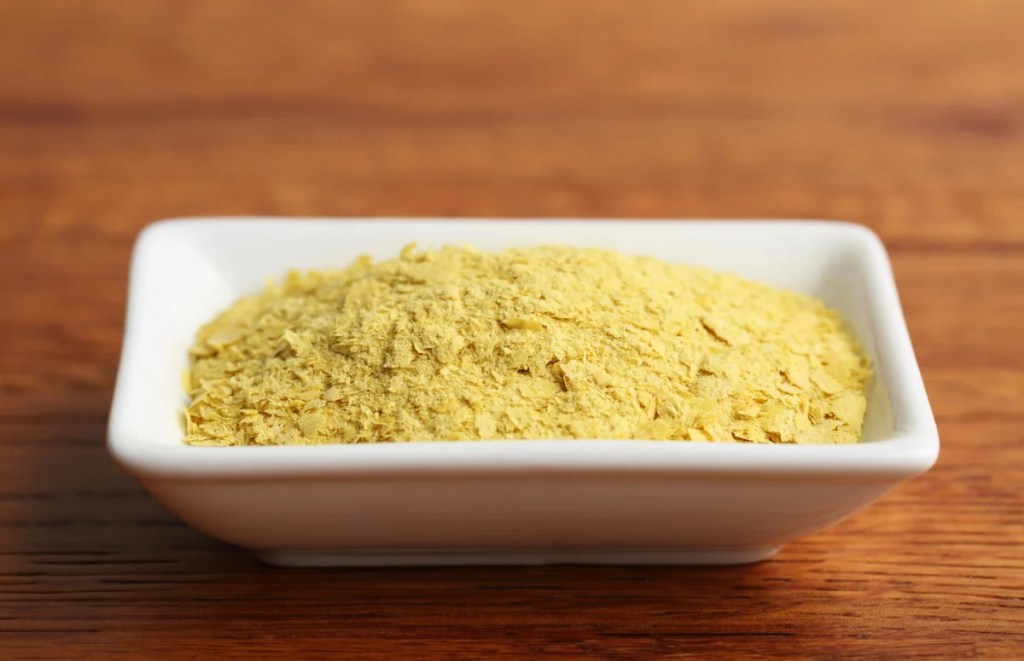
Credit: dogtime.com
Safe Ways To Introduce Nutritional Yeast
Introducing nutritional yeast to your dog’s diet requires care and patience. Start slow to avoid upsetting their stomach. Watch your pet closely for any changes. These steps help keep your dog safe and happy while enjoying nutritional yeast.
Mixing With Food
Sprinkle a small amount of nutritional yeast over your dog’s regular food. Begin with 1/4 teaspoon for small dogs and 1/2 teaspoon for larger dogs. Mix it well so your dog cannot pick it out. This helps your dog get used to the new taste and texture.
Monitoring For Side Effects
Check your dog daily for signs of discomfort. Look for itching, redness, vomiting, or diarrhea. Stop using nutritional yeast if your dog shows any of these signs. Contact your vet if symptoms persist or worsen. Early detection keeps your dog safe and healthy.
Adjusting Dosage Over Time
Increase the amount of nutritional yeast slowly. Add 1/4 teaspoon every week if your dog tolerates it well. Never exceed 1 teaspoon for small dogs and 2 teaspoons for large dogs daily. Gradual increase helps your dog’s body adjust without problems.
Signs Of Overconsumption
Giving nutritional yeast to dogs can be beneficial in small amounts. Too much, though, can cause problems. Recognizing signs of overconsumption helps keep dogs safe and healthy. Watch your dog closely after introducing nutritional yeast. Look for any unusual symptoms that might appear.
Digestive Issues
Digestive problems are common signs of too much nutritional yeast. Your dog may vomit or have diarrhea. Stomach cramps and gas can also occur. These symptoms show the dog’s body is struggling to process the yeast. Stop giving nutritional yeast if these signs appear.
Behavioral Changes
Changes in behavior can indicate yeast overuse. Your dog might become restless or irritable. Some dogs may seem tired or weak. Loss of appetite is another warning sign. These changes show the dog is not feeling well. Keep an eye on your dog’s mood and energy.
When To Consult A Vet
Contact a vet if your dog shows strong signs of distress. Persistent vomiting or diarrhea needs medical attention. Sudden behavioral changes also require a vet’s advice. Early help can prevent serious health issues. Always ask a vet before changing your dog’s diet.
Choosing Quality Nutritional Yeast
Choosing quality nutritional yeast is very important for your dog’s health. Poor quality yeast may have unwanted ingredients. The best nutritional yeast provides good nutrients without harmful additives. This section helps you pick the right kind for your pet.
Organic Vs Non-organic
Organic nutritional yeast is grown without pesticides or chemicals. It is safer and cleaner for your dog. Non-organic yeast might contain residues from farming chemicals. Organic options usually cost more but offer better quality. Choose organic for a natural, healthier choice.
Avoiding Additives
Some nutritional yeast products have added flavors or preservatives. These can harm your dog or cause allergies. Always select yeast that is pure and free from additives. Natural yeast keeps your dog’s diet simple and safe. Avoid any product with artificial ingredients.
Reading Product Labels
Labels show the ingredients and nutritional facts. Check for pure nutritional yeast without fillers. Look for words like “100% pure” or “no additives.” Avoid yeast with extra vitamins that might overdose your dog. Clear labels help you make the best choice.
Frequently Asked Questions
How Much Nutritional Yeast Can Dogs Safely Eat Daily?
Dogs can safely consume about 1 teaspoon of nutritional yeast per 10 pounds of body weight daily. Start with smaller amounts to monitor tolerance. Nutritional yeast offers B vitamins and protein but avoid overfeeding to prevent digestive upset.
Is Nutritional Yeast Good For Dog Coat Health?
Yes, nutritional yeast supports a healthy dog coat. It contains B vitamins and amino acids that improve fur shine and reduce shedding. Regular moderate use helps maintain skin and coat vitality naturally.
Can Nutritional Yeast Cause Allergies In Dogs?
Some dogs may be allergic to nutritional yeast, though it’s rare. Watch for itching, redness, or digestive issues after feeding. If symptoms appear, discontinue use and consult your vet promptly.
How To Introduce Nutritional Yeast Into A Dog’s Diet?
Start with a small pinch mixed into your dog’s food. Gradually increase to the recommended amount over a week. This helps dogs adjust and reduces the risk of stomach upset.
Conclusion
Nutritional yeast can benefit your dog in small amounts. Start with a pinch and watch for any reactions. Too much can cause stomach upset. Always consult your vet before adding new foods. Keep portions small and feed it occasionally. Your dog will enjoy the taste and nutrients safely.
Balanced feeding is key to good health. Simple and careful steps help your dog thrive.


