

Are you wondering when it’s time to switch your furry friend to adult dog food? Choosing the right moment can feel confusing, but it’s one of the most important decisions for your dog’s health and happiness.
Feeding your dog the right food at the right age helps keep their energy up, supports strong bones, and keeps their coat shiny. You’ll discover exactly when to make the change, why it matters, and how to do it smoothly.
Keep reading to give your dog the best nutrition at every stage of life.
When To Switch To Adult Dog Food
Knowing the right time to switch your dog to adult food is important. Puppies have different nutritional needs than adult dogs. Feeding the right food supports healthy growth and energy levels. Switching too early or too late can affect your dog’s health.
Age Guidelines By Breed Size
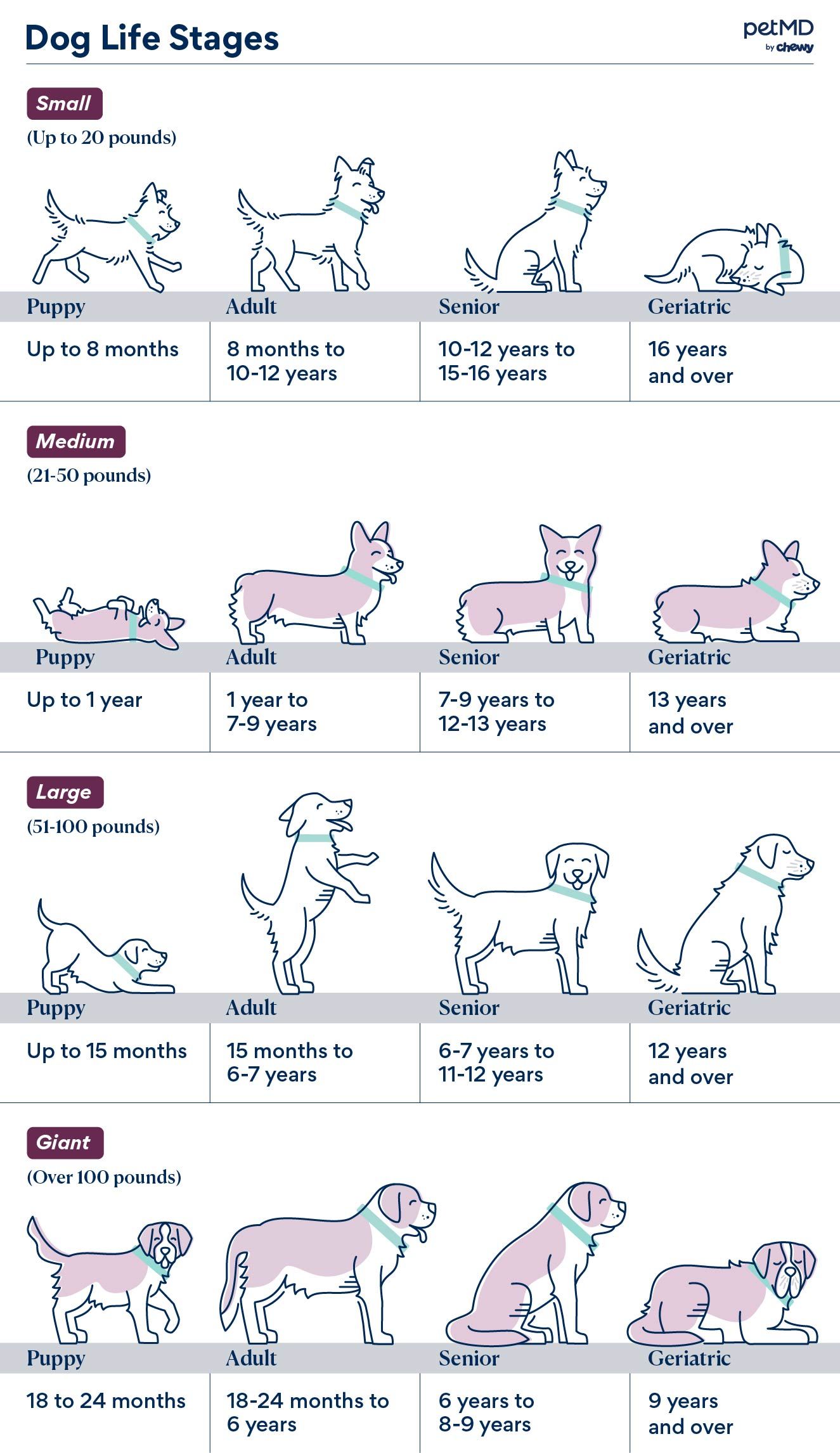
Small breeds usually switch to adult food at about 9 to 12 months. Medium breeds can change around 12 months. Large and giant breeds need more time. They often switch between 12 and 24 months. Their bodies take longer to fully develop.
Signs Your Dog Is Ready
Watch for changes in your dog’s growth rate. If growth slows or stops, it may be time to switch. Your dog may seem less energetic or start eating less puppy food. Check the teeth. Adult teeth usually come in by the switch time. A shiny coat and healthy weight also help decide.
Consulting Your Veterinarian
Your vet can give the best advice for your dog’s diet. They know your dog’s breed, size, and health history. A vet check-up can confirm if your dog is ready. They can suggest the best adult food type and amount. Regular vet visits help keep your dog healthy and happy.
Nutritional Differences Between Puppy And Adult Food
Choosing the right food for your dog depends on their age and growth stage. Puppy food and adult dog food serve very different nutritional needs. Puppies require more nutrients to support their fast growth. Adult dogs need balanced nutrition for maintenance and health. Understanding these differences helps you feed your dog the best food at the right time.
Protein And Fat Content
Puppy food has higher protein and fat levels. These nutrients fuel growth and energy. Protein helps build strong muscles and tissues. Fat provides essential energy for active puppies. Adult dog food has less protein and fat. It focuses on maintaining muscle and healthy weight. Feeding adult food too early may lack enough nutrients for puppies.
Calorie Needs
Puppies burn more calories than adult dogs. Their bodies grow quickly and need extra energy. Puppy food contains more calories per serving. Adult dogs need fewer calories to avoid weight gain. Adult dog food supports a stable energy level. Feeding the right calories keeps your dog fit and healthy.
Essential Vitamins And Minerals
Puppy food includes extra vitamins and minerals. Calcium and phosphorus are crucial for bone growth. DHA supports brain and eye development. Adult dog food balances vitamins for overall health. It prevents excess nutrient intake that can harm adult dogs. Proper vitamin and mineral levels promote long-term well-being.
Transitioning Your Dog’s Diet
Changing your dog’s food from puppy to adult formula needs care. Dogs need time to adjust to new tastes and nutrients. Sudden changes can upset their stomach. Careful steps help keep your dog healthy and happy.
Gradual Food Introduction
Start by mixing 25% adult food with 75% puppy food. Increase adult food slowly over 7 to 10 days. This gentle change helps your dog’s body get used to the new diet. Avoid switching all at once to prevent digestive issues.
Monitoring Digestive Health
Watch your dog’s stool and behavior daily. Soft stools or diarrhea can mean the food change is too fast. Loss of appetite or vomiting needs attention too. Adjust the transition speed if signs of discomfort appear.
Adjusting Portion Sizes
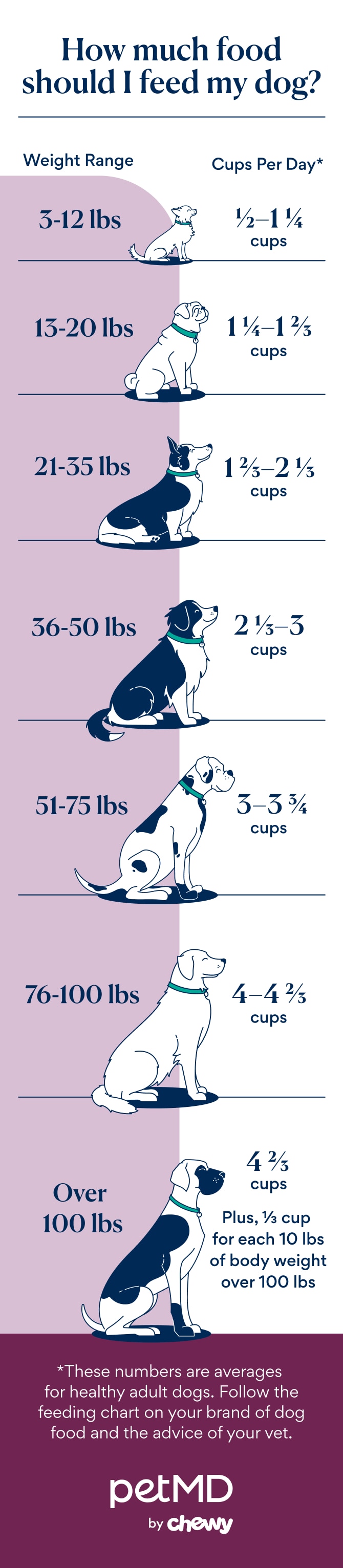
Adult dogs need different calories than puppies. Check the feeding guide on the adult dog food package. Feed less or more based on your dog’s weight and activity level. Regularly measure portions to avoid overfeeding or hunger.
Credit: www.petmd.com
Common Mistakes To Avoid
Feeding adult dog food at the right time is key for your dog’s health. Many dog owners make mistakes during this transition. These errors can cause health problems or poor growth. Learning what to avoid helps your dog thrive.
Switching Too Early Or Late
Switching to adult food too early may cause nutrient gaps. Puppies need more calories and vitamins for growth. Switching too late can lead to weight gain. Adult food has fewer nutrients for growing dogs. Timing the switch correctly supports healthy development.
Ignoring Breed-specific Needs
Different dog breeds have unique nutritional needs. Large breeds need food that supports joint health. Small breeds require more calories per pound. Using generic adult food may not meet these needs. Choose food that fits your dog’s breed and size.
Overfeeding Or Underfeeding
Overfeeding adult dog food leads to obesity and health issues. Underfeeding can cause weakness and nutrient deficiency. Follow feeding guidelines on the package. Adjust portions based on your dog’s activity and weight. Balanced feeding keeps your dog fit and healthy.
Special Considerations
Choosing the right time to switch your dog to adult food depends on several factors. Age is important, but health and activity level also matter. Some dogs need special diets to stay healthy. Understanding these needs helps you feed your dog well.
Senior Dogs And Diet Changes
Senior dogs need food that supports aging bodies. Their metabolism slows down. They may need fewer calories but more nutrients. Foods rich in antioxidants and joint support can help. Switching to senior dog food can improve their quality of life.
Dogs With Health Conditions
Dogs with health problems need tailored diets. Conditions like kidney disease or allergies require special ingredients. Your vet can recommend the best food. This helps manage symptoms and keeps your dog comfortable. Avoid sudden diet changes without advice.
Active Vs. Less Active Dogs
Active dogs burn more energy and need more calories. They benefit from protein-rich diets to build muscle. Less active dogs need fewer calories to avoid weight gain. Adjust food portions based on how much your dog moves each day.
Credit: ricksdogdeli.com
Credit: www.petmd.com
Frequently Asked Questions
When Should I Switch My Puppy To Adult Dog Food?
Most dogs transition to adult food between 12 and 18 months. Large breeds may switch later, around 18 to 24 months, due to slower growth. Consult your vet for the best timing based on your dog’s breed and health.
Why Is Age Important For Feeding Adult Dog Food?
Age determines nutritional needs and growth stages. Puppies need higher protein and calories for growth. Adult dogs require balanced nutrients to maintain health. Feeding the right food at the correct age supports optimal development and overall well-being.
Can Feeding Adult Food Too Early Harm My Dog?
Yes, feeding adult food too early can cause nutrient deficiencies. Puppies need more protein, fat, and calories. Early adult food can stunt growth and affect bone development. Always follow age guidelines or vet advice for food transitions.
How Do I Know If My Dog Is Ready For Adult Food?
Look for signs like slowed growth and changed energy levels. Your vet can assess your dog’s development. Most dogs are ready between 12-18 months. Proper timing ensures your dog receives appropriate nutrition for its life stage.
Conclusion
Feeding your dog adult food at the right age is very important. Most dogs switch to adult food around one year old. Large breeds might need it later, around 18 months. Watch your dog’s size and energy to decide the best time.
Good nutrition helps keep dogs healthy and active. Always choose food made for adult dogs to meet their needs. Consult your vet if you are unsure about the switch. Taking care of your dog’s diet shows love and keeps them happy.
Small changes make a big difference in your dog’s life.


