Are you wondering when your furry friend is no longer a puppy and officially an adult dog? Knowing the right time to switch your dog’s food can make a big difference in their health and happiness.
Feeding your dog the right diet at the right age helps them stay energetic, strong, and full of life. You’ll discover the signs that show your dog is growing up and exactly when you should change their food. Keep reading to make sure you’re giving your dog the best care every step of the way.
Credit: www.walmart.com
Puppy Growth Stages
Puppy growth is a special time filled with many changes. Puppies do not grow at the same speed all the time. They go through clear stages that help them become adult dogs. Understanding these stages helps you know when to change their food and care.
Each stage has different needs. Food, exercise, and training all change as the puppy grows. Let’s look at the main growth stages every puppy goes through.
Neonatal Period
This stage lasts from birth to two weeks old. Puppies are very small and weak. They cannot see or hear yet. They rely on their mother’s milk for food and warmth. During this time, they sleep most of the day and grow quickly.
Transitional Phase
From two to four weeks old, puppies start to open their eyes and ears. They begin to crawl and stand. Puppies start to explore their world a little. They may begin to eat soft, wet food but still need mother’s milk.
Socialization Stage
This stage is from four to twelve weeks old. Puppies learn to play and interact with others. They meet new people and animals. This time is important for training and social skills. Food should be more solid and nutritious to support growth.
Juvenile Phase
From three months to about one year, puppies grow fast and get stronger. They lose baby teeth and get adult teeth. Their energy is high, and they need good food to fuel their body. Training continues, and habits form during this phase.
Physical Milestones
Physical milestones mark the important changes in a dog’s growth. These changes help you know when your dog moves from puppy to adult. Watch their body closely. You will see clear signs in teeth, weight, size, coat, and skin.
These signs guide you on feeding needs and care. Understanding physical milestones helps keep your dog healthy and happy.
Teeth Development
Teeth growth shows your dog’s age and maturity. Puppies start with small baby teeth. These fall out by six months. Adult teeth replace them and are stronger.
By one year, most dogs have a full set of adult teeth. Healthy teeth mean proper food chewing and digestion. Watch for any dental issues early.
Weight And Size Changes
Weight and size grow fast in the first year. Small breeds reach adult size earlier, often by eight months. Larger breeds take up to two years.
Steady weight gain is normal. Sudden changes may signal health problems. Measure and weigh your dog regularly for good care.
Coat And Skin Transformation
Coat and skin change as dogs mature. Puppy fur is soft and thin. Adult dogs develop thicker, shinier coats.
Skin also becomes tougher and less sensitive. Proper nutrition supports healthy fur and skin. Check for dryness or irritation often.
Behavioral Changes
Dogs show clear behavioral changes as they grow from puppies to adults. These changes help owners understand their dog’s age and needs. Watching these shifts can guide your care and training plans. Behavioral signs often tell more than physical traits.
Energy Levels
Puppies have bursts of high energy and quick naps. Adult dogs show steadier energy throughout the day. They play less wildly and rest more often. This calm energy helps with training and daily routines. Owners notice less hyperactivity as dogs mature.
Training Readiness
Adult dogs learn commands more easily than puppies. They focus better and remember lessons longer. Training sessions become shorter and more effective. Patience pays off as adult dogs respond well. Consistent practice shapes good behavior in adult dogs.
Social Interactions
Adult dogs socialize differently from puppies. They prefer familiar dogs and people. New introductions take more time and care. Adult dogs show clear signs of comfort or stress. Reading these cues improves social experiences for dogs and owners.
Credit: www.walmart.com
Breed And Size Differences
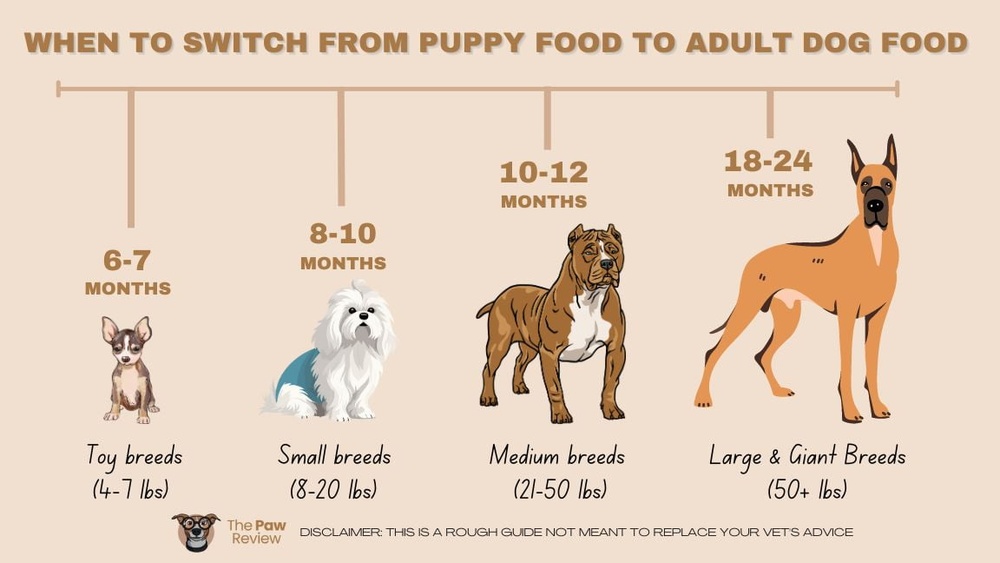
Dogs grow at different rates depending on their breed and size. This affects when they are considered adults for food purposes. Smaller dogs mature faster than larger ones. Understanding these differences helps choose the right food at the right time.
Feeding adult dog food too early or too late can cause health problems. Each breed size has its own timeline to switch diets. Knowing these timelines supports your dog’s health and energy.
Small Breeds Timeline
Small dogs grow quickly. They reach adult size by 9 to 12 months. At this point, you can change to adult dog food. Small breeds need nutrient-rich food to keep their fast metabolism strong. Feeding adult food too late can lead to weight gain.
Medium Breeds Timeline
Medium-sized dogs mature slower than small breeds. They usually become adults between 12 and 15 months. Their food must meet energy needs during this growth. Transition to adult food around one year old for best results. Balanced nutrition supports healthy bones and muscles.
Large And Giant Breeds Timeline
Large and giant dogs take the longest to mature. They reach adulthood between 18 and 24 months. These breeds need special food to support slow, steady growth. Switching to adult food too soon can harm their joints. Wait until they fully grow before changing their diet.
Nutritional Needs By Age
Dogs need different nutrition at different life stages. Their bodies change as they grow. Nutritional needs shift from growth to maintenance. Feeding the right food supports health and energy. Understanding these needs helps keep your dog strong and happy.
Puppy Diet Essentials
Puppies grow fast. They need food rich in protein and fat. This helps build muscles and energy. Puppies also need vitamins and minerals for bones and teeth. Their food should be easy to digest. Small, frequent meals work best.
Transitioning To Adult Food
As dogs grow, their energy needs drop. Adult food has fewer calories and less fat. It supports maintenance instead of rapid growth. Switch slowly over 7 to 10 days. Mix puppy food with adult food more each day. This helps avoid stomach upset.
Signs To Switch Food
Watch your dog’s size and behavior. If growth slows and activity changes, it’s time. Teeth development also signals a switch. Ask your vet for the best time. Using the right food keeps your dog healthy and active.
Credit: www.ralphs.com
Veterinary Advice
Veterinary advice plays a key role in deciding when a dog becomes an adult for food. Every dog grows differently, and vets can guide the best time to switch diets. They check growth and health to ensure the dog gets the right nutrition.
Growth Monitoring
Vets track your dog’s weight and size regularly. They watch how quickly the dog grows. This helps to know if the dog needs puppy food or adult food. Growth patterns differ by breed and size. Monitoring stops underfeeding or overfeeding issues.
Health Checks
Regular vet visits include health exams. These checks find any problems early. Healthy dogs digest food better and absorb nutrients well. Vets check teeth, bones, and coat condition to judge maturity. Health status affects the ideal time to change food.
Customized Feeding Plans
Vets create feeding plans for each dog. They consider age, weight, breed, and activity level. Some dogs need more protein; others need less fat. Plans help avoid weight gain or loss. Custom diets support good health and long life.
Frequently Asked Questions
When Is A Dog Considered An Adult?
A dog is considered an adult between 1 to 3 years old. This varies by breed size, with smaller dogs maturing faster than larger ones.
How Do I Know When To Switch Dog Food?
Switch dog food when your pet reaches adulthood, typically around one year. Adult dog food meets nutritional needs for maintenance, not growth.
What Age Is Best For Adult Dog Food?
Adult dog food is best introduced at 12 months for most breeds. Large breeds may transition slightly later, around 18 to 24 months.
Why Switch From Puppy To Adult Dog Food?
Adult dog food contains fewer calories and adjusted nutrients to prevent obesity. It supports overall health once growth slows down.
Conclusion
Knowing when your dog becomes an adult helps with feeding choices. Most dogs reach adulthood between one and two years old. Size and breed affect this timing too. Adult dog food meets their changing nutritional needs. Feeding the right food keeps your dog healthy and happy.
Watch for signs like slower growth and calmer behavior. These clues show your dog is ready for adult food. Choosing the right time supports your dog’s long life. Keep learning about your dog’s needs as they grow. Your care makes a big difference.