Feeding your 10 lb adult dog the right amount of food is more important than you might think. Too much can lead to weight gain and health problems, while too little can leave your furry friend hungry and lacking energy.
You want to make sure your dog stays happy, healthy, and full of life. But how do you know exactly how much to feed? You’ll discover simple, practical tips to get your dog’s meals just right—no guessing, no stress. Keep reading to learn the secrets to feeding your small dog perfectly every time.
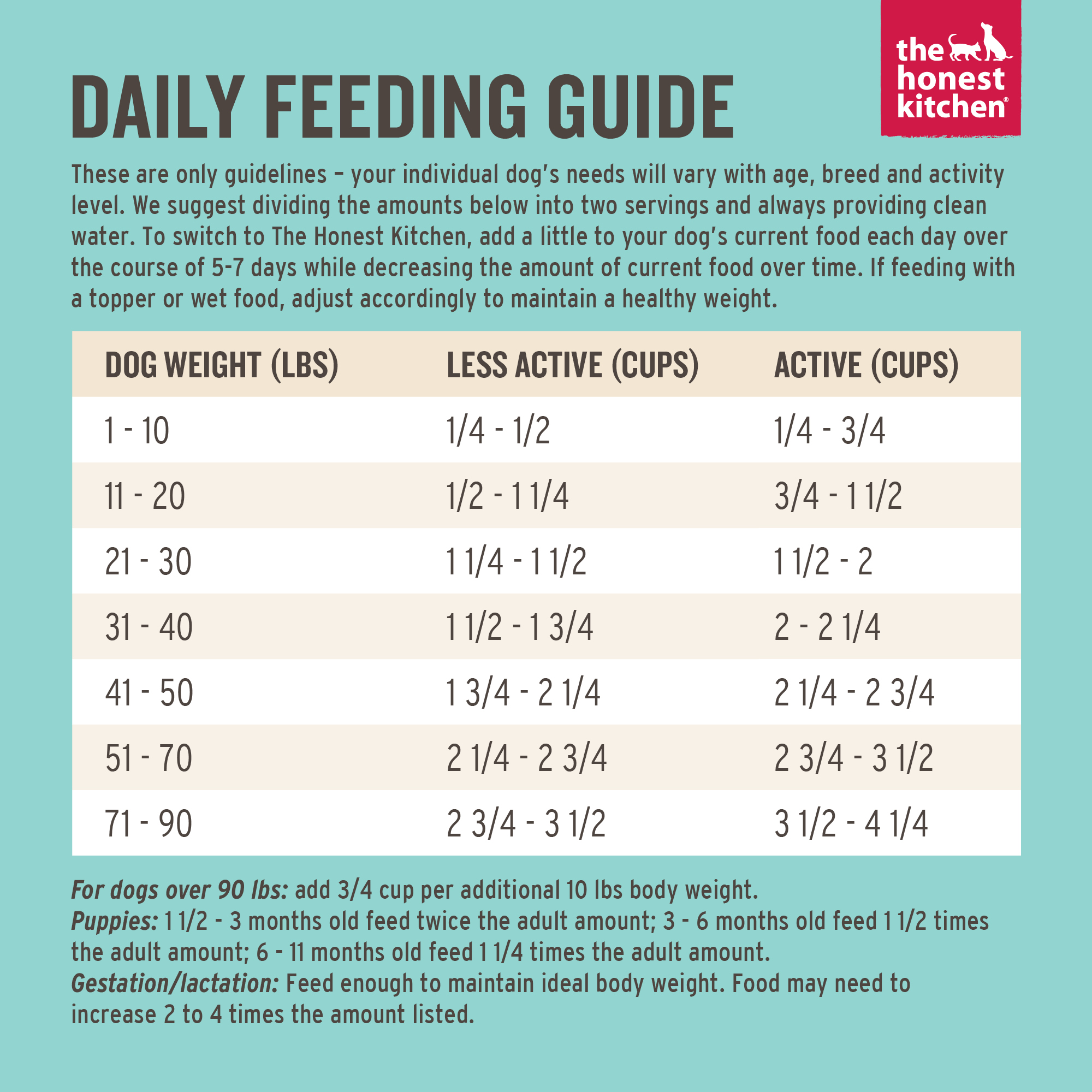
Credit: support.thehonestkitchen.com
Daily Calorie Needs
Knowing your 10 lb adult dog’s daily calorie needs helps keep them healthy. Calories give energy for walking, playing, and resting. Feeding the right amount avoids weight gain or loss. Each dog needs a different amount based on many things. Understanding these factors helps you choose the right food amount.
Factors Affecting Calorie Requirements
Age plays a big role in calorie needs. Puppies need more calories to grow. Older dogs need fewer calories. Activity level changes energy use too. Active dogs burn more calories. Less active dogs need less food. Health status matters. Sick dogs may eat less or need special diets. Breed size can influence metabolism. Small breeds often need more calories per pound than large breeds.
Calculating Your Dog’s Energy Needs
Start by finding your dog’s Resting Energy Requirement (RER). Use the formula: 70 x (weight in kg)0.75. For a 10 lb dog, weight is about 4.5 kg. Multiply 70 by 4.5 to the power of 0.75. This gives the calories needed at rest. Then, multiply RER by an activity factor. For most adult dogs, use 1.2 to 1.6. This gives the daily calorie needs. Adjust based on your dog’s lifestyle and health. Watch your dog’s weight and energy. Change food amount as needed.
Portion Sizes For A 10 Lb Dog
Feeding a 10 lb dog the right amount is key to keeping them healthy. Portion size depends on the type of food and your dog’s activity level. Giving too much food can cause weight gain. Too little food can lead to malnutrition. Understanding portion sizes helps maintain a good balance.
Dry Food Portions
For dry food, a 10 lb dog usually needs ½ to 1 cup per day. This depends on the brand and calorie content. Divide the total amount into two meals. Use a standard measuring cup for accuracy. Check the package for feeding guidelines and adjust as needed.
Wet Food Portions
Wet food is often higher in moisture, so your dog may need more volume. Typically, feed about 6 to 8 ounces daily for a 10 lb dog. Split this into two or three meals to aid digestion. Look at the label for specific serving sizes based on calories.
Mixing Wet And Dry Food
Mixing wet and dry food gives variety and hydration. Reduce the dry food amount when adding wet food. For example, feed ¼ cup dry and 3 ounces wet per day. Keep total calories balanced to avoid overfeeding. Gradually introduce new mixes to prevent stomach upset.
Feeding Frequency
Feeding frequency is important for your dog’s health and energy. It helps keep their digestion steady and prevents overeating. The amount of food and how often you feed depends on your dog’s age and lifestyle. A 10 lb adult dog needs a feeding routine that fits their needs. Knowing when and how often to feed can make a big difference.
Puppy Vs Adult Feeding Schedules
Puppies need more frequent meals than adult dogs. They burn energy fast and need steady fuel. Usually, puppies eat three to four small meals a day. This helps them grow strong and healthy. Adult dogs do well with fewer meals. Most adult dogs eat twice a day. This schedule keeps their energy balanced and weight steady.
Adjusting Feeding Times As Dogs Age
As dogs get older, their feeding needs change. Older dogs may eat less but still need nutrition. You might reduce feeding times to once or twice daily. Watch for changes in appetite or weight. Adjust the amount and frequency to keep your dog healthy. Always keep water available to support digestion and hydration.
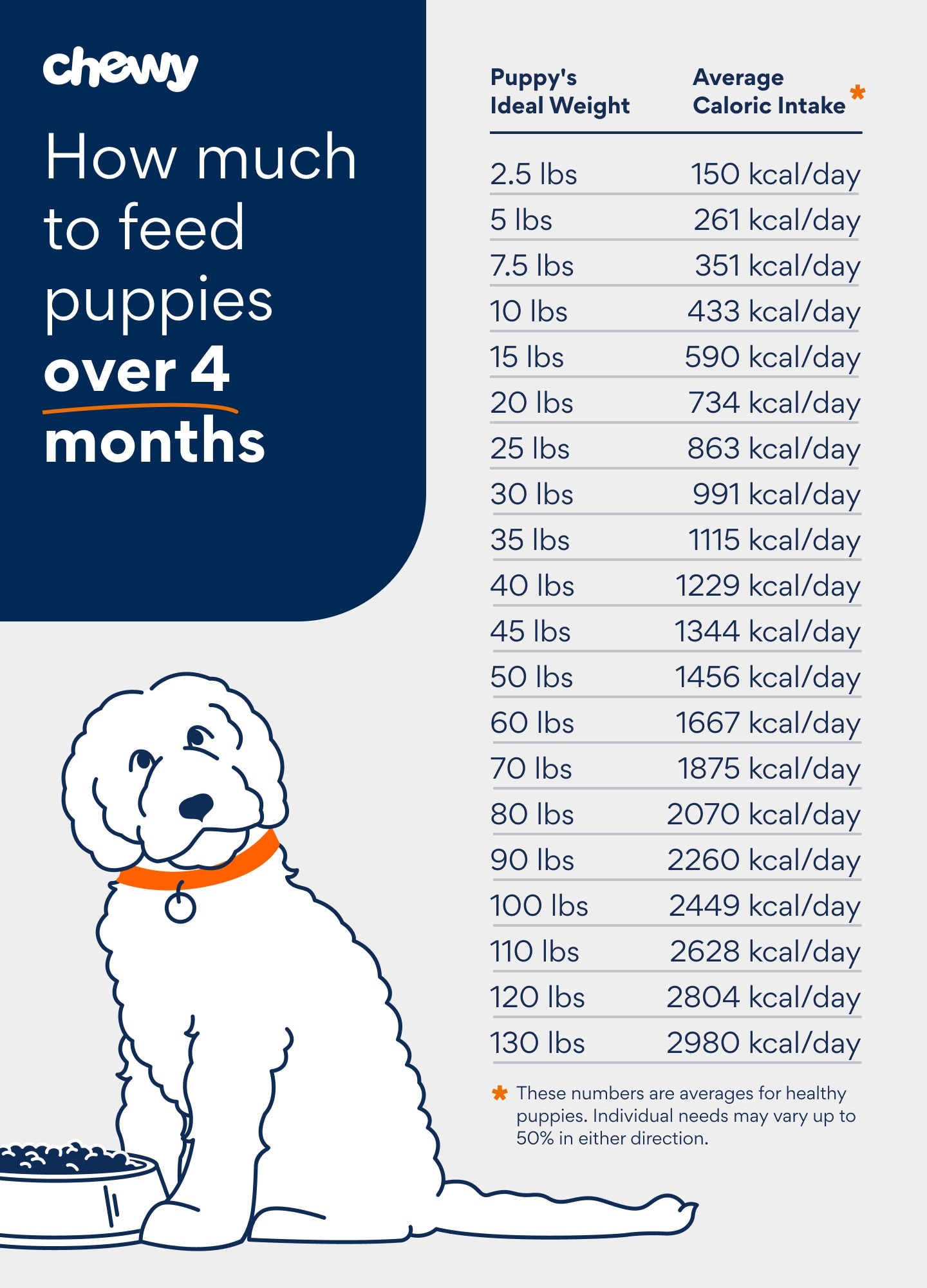
Credit: www.chewy.com
Choosing The Right Food
Choosing the right food for a 10 lb adult dog is very important. Small dogs have different needs than bigger dogs. The food must give enough energy and keep your dog healthy. Good nutrition helps your dog stay active and live longer. Picking the best food is the first step to proper feeding.
It is important to understand what small dogs need in their diet. Also, knowing how to read food labels will help you make smart choices. This way, you give your dog the right amount of food and the right kind of food.
Nutritional Requirements For Small Dogs
Small dogs need food with high energy. Their bodies burn calories faster than large dogs. Protein is very important for muscle health and repair. Look for food with at least 18% protein. Fat provides energy and keeps skin healthy. A good dog food has about 5% fat for small dogs.
Vitamins and minerals support the immune system and bones. Calcium and phosphorus are key for strong teeth and bones. Small dogs also need fiber to help digestion. A balanced diet includes all these nutrients in the right amounts.
Reading Dog Food Labels
Dog food labels show what is inside the bag or can. The first ingredient is the most important. Choose foods with real meat or fish listed first. Avoid foods with many fillers like corn or wheat. These add little nutrition and can cause allergies.
Check the guaranteed analysis for protein, fat, and fiber levels. Compare these numbers to your dog’s needs. Also, see if the food meets the standards set by AAFCO. This means the food is complete and balanced for your dog’s stage of life.
Understanding labels helps you pick food that supports your dog’s health. Feeding the right food makes a big difference in your dog’s life.
Special Considerations
Feeding a 10 lb adult dog requires careful thought beyond just quantity. Special considerations help maintain your dog’s health and happiness. Different dogs have unique needs based on their lifestyle and health. Paying attention to these factors ensures your dog gets the right nutrition.
Weight Management Tips
Keeping your dog at a healthy weight is very important. Overweight dogs face risks like joint problems and heart disease. Measure food portions carefully to avoid overfeeding. Use a kitchen scale or measuring cup for accuracy. Feed smaller meals multiple times a day instead of one large meal. Encourage regular exercise like walks or playtime. Watch your dog’s body shape and energy levels closely. Adjust food amounts if you see weight gain or loss.
Feeding Dogs With Health Conditions
Health conditions affect your dog’s diet needs. Dogs with allergies may need special hypoallergenic food. Dogs with kidney or liver issues often need low-protein diets. Diabetes in dogs requires controlled carbohydrate intake. Always follow your vet’s advice on diet changes. Monitor your dog for any signs of discomfort or digestive issues. Consistency in feeding time and food type helps manage health problems better.
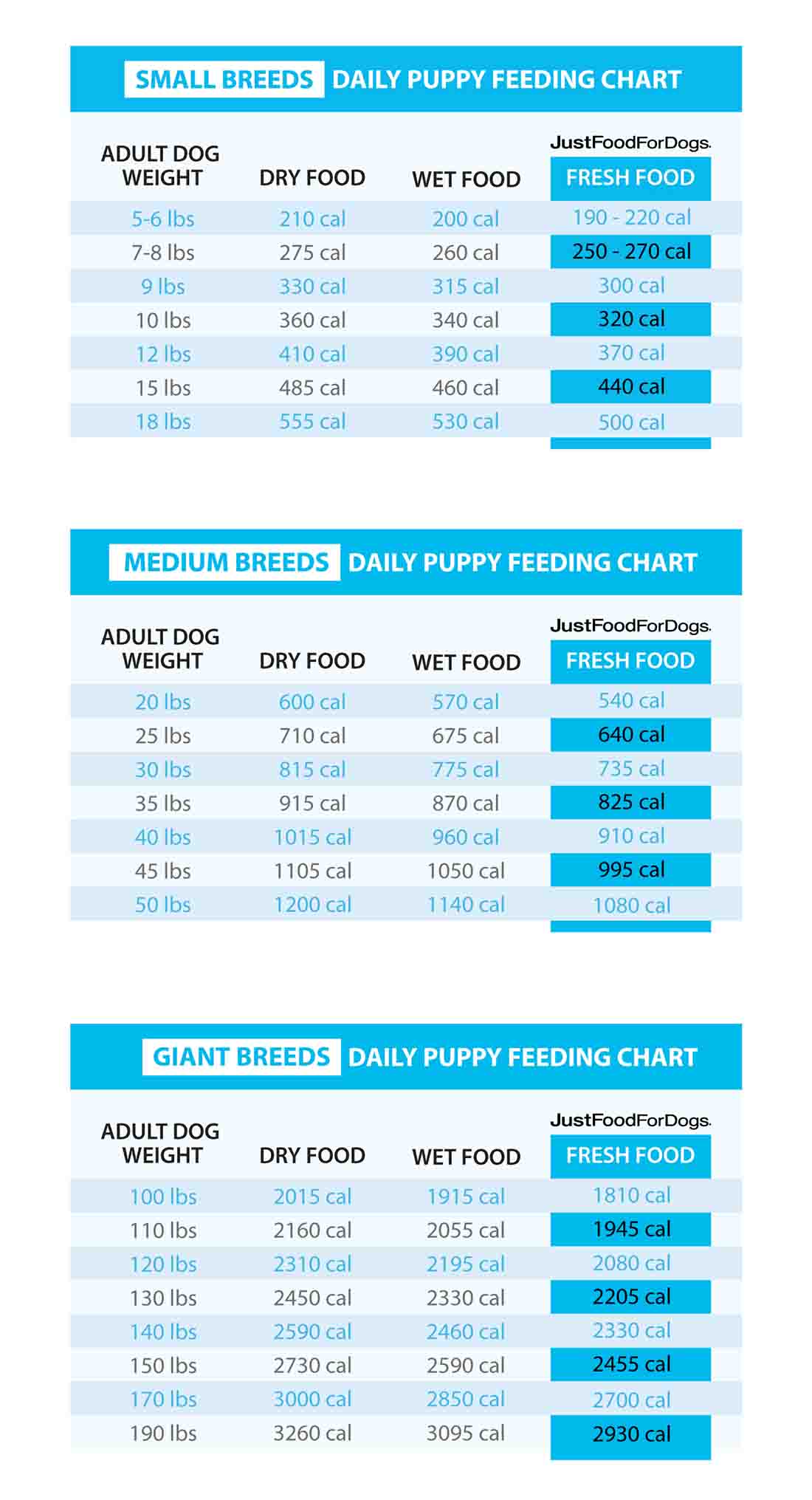
Credit: www.justfoodfordogs.com
Signs Of Overfeeding And Underfeeding
Knowing the signs of overfeeding and underfeeding helps keep your 10 lb dog healthy. Feeding the right amount supports their energy and overall well-being. Watch your dog closely for changes in weight and behavior. These clues show if their diet needs adjusting.
Identifying Weight Gain Or Loss
Weight gain often shows from a round belly or difficulty moving. Your dog may look heavier around the ribs or hips. You can feel extra fat when touching their body. Weight loss appears as visible ribs or spine. Your dog may seem thinner or weaker than usual. Check weight regularly to catch changes early. A steady weight means the feeding amount is likely correct.
Behavioral Changes Related To Diet
Overfed dogs may become less active or sleepy. They might show less interest in play or walks. Underfed dogs often seem restless or hungry. They may bark or whine more, asking for food. Watch for changes in eating habits, too. Eating too fast or refusing food can signal issues. These behaviors help you understand your dog’s needs better.
Tips For Transitioning Foods
Changing your 10 lb adult dog’s food needs care. Sudden switches can upset your dog’s stomach. Proper food transition helps your dog adjust smoothly. It keeps your dog healthy and happy during the change.
Gradual Food Changes
Start by mixing a small amount of new food with the old. Increase the new food portion slowly over 7 to 10 days. This slow change helps your dog’s body get used to new ingredients. Watch your dog’s reaction daily. If your dog refuses or acts sick, slow down the transition.
Minimizing Digestive Upset
Keep mealtimes regular to avoid stomach issues. Avoid giving treats or extra snacks during transition. Ensure fresh water is always available. If diarrhea or vomiting occurs, pause the change and consult a vet. Using the right transition method reduces the risk of digestive problems.
Frequently Asked Questions
How Much Food Does A 10 Lb Adult Dog Need Daily?
A 10 lb adult dog typically needs 200 to 400 calories daily. This varies by activity, age, and metabolism. Check your dog’s food label for portion sizes matching calorie needs.
Can Feeding Too Much Harm A 10 Lb Dog?
Yes, overfeeding can cause obesity, joint issues, and diabetes. Always measure portions and adjust based on your dog’s weight and activity level.
What Type Of Food Is Best For A 10 Lb Dog?
High-quality commercial dog food with balanced nutrients is ideal. Look for protein-rich options suited for small breeds to maintain energy and health.
How Often Should I Feed My 10 Lb Adult Dog?
Feed your dog two small meals daily, spaced 8-12 hours apart. This helps maintain steady energy and prevents overeating or digestive issues.
Conclusion
Feeding a 10 lb adult dog the right amount keeps them healthy and happy. Watch their weight and energy to adjust food as needed. Choose quality dog food with balanced nutrients. Split meals into two or three servings daily. Avoid overfeeding to prevent health problems.
Always provide fresh water for your dog. Small changes make a big difference over time. Keep your dog active and check with your vet regularly. Good care starts with the right diet. Simple steps lead to a strong, joyful dog.