

Are you giving your puppy the right food while your adult dog eats something different? It might seem simple to share the same bowl, but what if that choice affects your pets’ health and happiness?
Feeding your puppy separately from your adult dog is more important than you think. You’ll discover why separating their meals can make a big difference in their growth, energy, and overall well-being. Keep reading to learn how you can give both your puppy and adult dog the best nutrition tailored just for them.
Credit: www.foodsco.net
Puppy Vs Adult Dog Nutrition
Puppies need special food with more nutrients to grow strong. Adult dogs require different food to keep their health steady. Separating their meals helps meet each dog’s needs well.
Different Nutritional Needs
Puppies need more protein and fat than adult dogs. Their bodies grow fast and need extra nutrients. Adult dogs require a balanced diet to maintain health. Too much rich food can cause weight gain in adults. Feeding puppies adult dog food can slow their growth. Adult dogs eating puppy food may gain unhealthy weight.Growth And Development Requirements
Puppies build bones, muscles, and organs quickly. They need calcium and phosphorus for strong bones. Adult dogs do not need as much bone-building nutrients. Puppies need food that supports brain and vision development. Adult dog food focuses on maintaining body functions. Feeding the right food helps puppies grow healthy and strong.Energy Levels And Metabolism
Puppies have high energy and fast metabolism. They burn calories quickly and need more fuel. Adult dogs have slower metabolism and less energy. Feeding adult dogs too much can cause obesity. Puppy food provides more calories to meet their needs. Adult dog food has fewer calories to keep weight stable.:max_bytes(150000):strip_icc()/140286_HomemadeDogFood_DDMFS_Beauty_009-6a6e82002dc3496eaa20dec6bfde6d6e.jpg)
Credit: www.allrecipes.com
Risks Of Sharing Food
Sharing food between puppies and adult dogs can cause several risks. Their bodies need different nutrients and amounts. Feeding them the same food can harm their health and behavior. Understanding these risks helps keep your dogs healthy and happy.
Nutritional Imbalances
Puppies need more protein, fat, and vitamins than adult dogs. Adult dog food may not provide enough nutrients for growing puppies. This lack can stunt their growth and weaken their immune system. Adult dogs eating puppy food get too many calories. This can lead to weight gain and health problems.
Digestive Issues
Puppies have sensitive stomachs. Adult dog food can be hard for them to digest. It may cause diarrhea or upset stomach. Adult dogs may also face digestive problems from richer puppy food. Sudden changes in diet can cause vomiting or gas. Separate feeding helps avoid these digestive troubles.
Behavioral Problems
Sharing food can cause fights or jealousy between dogs. Puppies may become aggressive when competing for food. Adult dogs may become possessive or anxious. This behavior can lead to stress and injuries. Feeding dogs separately creates a calm and safe environment.
Choosing The Right Food
Choosing the right food for your puppy and adult dog is important for their health. Puppies need food that helps them grow strong. Adult dogs need food to keep them healthy and active. Feeding them the right diet supports their needs at each life stage.
Puppy-specific Formulas
Puppy food has extra nutrients for growth. It contains more protein and fat than adult food. This helps build muscles and energy. Puppy formulas also support brain and bone development. Feeding puppies adult dog food can slow their growth.
Adult Dog Diets
Adult dog food has balanced nutrients for maintenance. It has fewer calories to prevent weight gain. The protein levels support muscle health without overloading the body. Adult food also contains vitamins to keep the immune system strong. Feeding adult dogs puppy food can cause obesity and health issues.
Consulting Your Veterinarian
Your vet knows your dog’s specific needs. They can recommend the best food type and brand. Vets consider breed, size, and health conditions. Follow their advice to keep your pets healthy. Regular check-ups help adjust diets as dogs grow.
Feeding Strategies
Feeding puppies and adult dogs requires different strategies. Puppies need special care to grow healthy. Adult dogs have different nutritional needs. Using smart feeding methods helps keep both happy and healthy.
Separate Feeding Areas
Keep puppies and adult dogs in different spots while eating. This stops fights and stress during meal times. Puppies eat slower and need quiet space. Adult dogs may eat faster and push the puppy away. Separate areas help all dogs feel safe and calm.
Scheduled Feeding Times
Feed puppies and adults at set times each day. This builds good habits and controls hunger. Puppies usually eat more often in small amounts. Adult dogs eat less often but larger portions. Regular times stop begging and overeating.
Monitoring Food Intake
Watch how much each dog eats every meal. Puppies need enough food to grow strong. Adult dogs need food that matches their activity level. Check for leftover food or signs of overeating. This helps keep dogs at a healthy weight.
Transitioning From Puppy To Adult Food
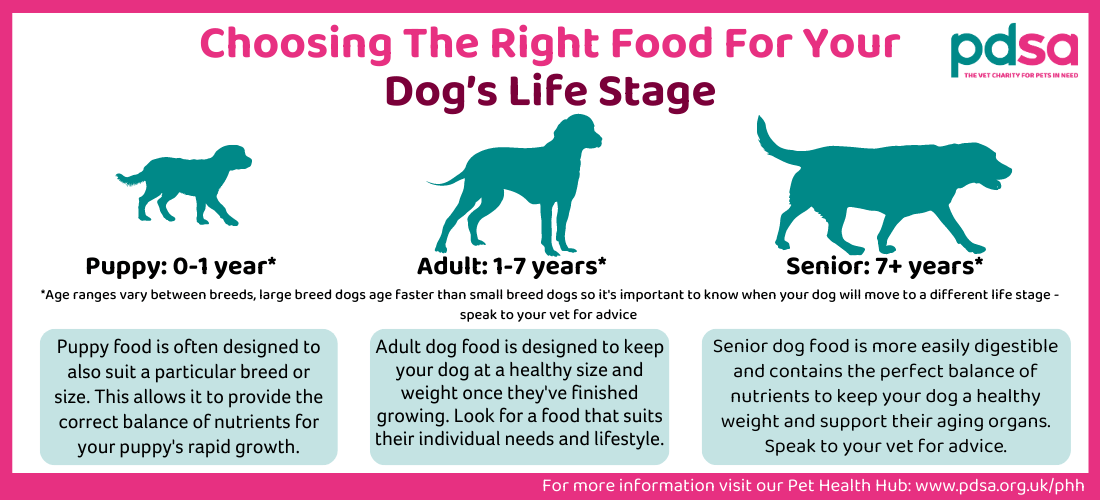
Switching from puppy food to adult dog food is a key step in your dog’s growth. Puppy food has more nutrients to help your pup grow strong. Adult dog food supports a mature dog’s health and energy. Changing food too soon or too late can affect your dog’s health.
Knowing how and when to switch keeps your dog happy and healthy. A smooth change helps avoid stomach upset. This section explains the best time to switch, how to do it slowly, and signs your dog is ready for adult food.
When To Switch
Most dogs switch to adult food between 9 and 12 months old. Large breeds may need more time, up to 18 months. Small breeds can switch earlier. Check your vet for advice based on your dog’s breed and size.
Gradual Transition Methods
Mix small amounts of adult food with puppy food. Increase adult food and reduce puppy food over 7 to 10 days. Watch for any stomach upset during this time. A slow change helps your dog adjust well.
Signs Your Dog Is Ready
Your dog stops growing or gains less weight. Their energy levels balance out. Teeth are clean and strong. Your vet agrees your dog is ready to switch. These signs mean your dog can handle adult food.
Common Feeding Mistakes
Feeding your puppy and adult dog correctly is very important. Many pet owners make common mistakes that affect their dogs’ health. These errors can cause weight problems, nutrient gaps, or behavior issues. Understanding these mistakes helps you provide better care. Here are some frequent feeding errors to avoid.
Overfeeding Or Underfeeding
Giving too much food can cause obesity in dogs. Overweight dogs face health risks like joint pain and heart problems. Feeding too little can stunt growth in puppies and weaken adult dogs. Measure food portions carefully. Follow feeding guidelines on the dog food package. Adjust amounts based on activity level and body condition.
Ignoring Individual Needs
Every dog has unique needs. Puppies require more calories and nutrients than adult dogs. Older dogs may need fewer calories but more fiber. Breed, size, and health affect food choices. Feed your puppy separately from adult dogs to meet these needs. Consult a vet for personalized advice. Avoid feeding one food type to all dogs in the house.
Using Treats Wisely
Treats should not replace balanced meals. Overusing treats adds extra calories and can lead to weight gain. Choose healthy treats with low calories. Use treats to reward good behavior, not as a main food source. Count treats as part of daily food intake. This helps keep your dog’s diet balanced and healthy.
Credit: www.pdsa.org.uk
Frequently Asked Questions
Should Puppy Food Be Separate From Adult Dog Food?
Yes, puppy food should be separate because puppies need more nutrients. Puppy food supports growth with higher protein and fat. Adult dog food has fewer calories and nutrients. Feeding separately ensures both dogs get proper nutrition for their life stage.
Can Adult Dogs Eat Puppy Food Safely?
Adult dogs can eat puppy food, but it’s not ideal. Puppy food has more calories and fat, which can cause weight gain in adults. It’s best to feed adult dogs food formulated for their age to maintain a healthy weight and balanced nutrition.
How To Manage Feeding Multiple Dogs Of Different Ages?
Feed puppies and adult dogs separately to prevent food stealing and overeating. Use distinct bowls and feeding times. This approach ensures each dog gets the right food amount and nutrition suitable for their growth or maintenance needs.
What Are The Risks Of Mixing Puppy And Adult Dog Food?
Mixing foods can lead to nutritional imbalances for both dogs. Puppies may miss essential growth nutrients, and adults may gain excess weight. It can also cause digestive issues. Separate feeding avoids these risks and promotes healthy development and maintenance.
Conclusion
Feeding puppies and adult dogs separately helps meet their unique needs. Puppies need more nutrients to grow strong and healthy. Adult dogs require a balanced diet to stay fit. Mixing their food can cause health problems or poor growth. Keep their bowls apart to avoid confusion and stress.
This simple step supports their well-being every day. Remember, proper feeding helps your dogs live happy, healthy lives. Small changes make a big difference in pet care.


