

Are you wondering if switching your 7-month-old puppy to adult dog food could cause diarrhea? You’re not alone.
Many dog owners worry about the right diet for their growing pups and how changes might upset their tummies. If your dog has recently experienced digestive issues after a food change, you want answers—and fast. You’ll discover why adult dog food might affect your young dog’s digestion and what you can do to keep your furry friend healthy and happy.
Keep reading to learn how to make the best choice for your dog’s diet without the worry of digestive problems.
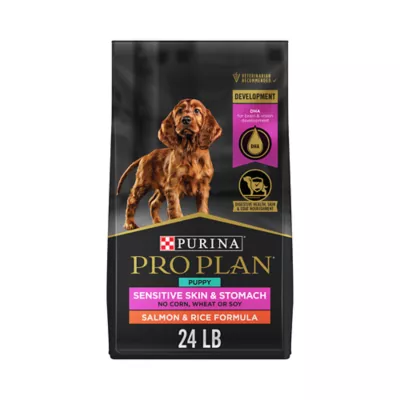
Credit: www.petsmart.com
Causes Of Diarrhea In Puppies
Diarrhea in puppies can be worrying for any dog owner. Understanding the causes helps manage and prevent it. Puppies have sensitive stomachs that react easily to various factors. Identifying the root cause is key to proper care and treatment.
Common Digestive Issues
Puppies often face digestive problems due to their developing systems. Their stomachs cannot handle rich or heavy foods well. Eating too fast or swallowing air can cause upset. Digestive upset leads to loose stools or diarrhea. Stress and anxiety also affect digestion in young dogs.
Dietary Changes
Switching food suddenly can upset a puppy’s stomach. Changing from puppy to adult dog food too quickly causes diarrhea. New ingredients may not suit the puppy’s digestive system. Gradual food changes help avoid stomach troubles. Treats and table scraps can also cause digestive issues.
Infections And Parasites
Puppies are vulnerable to infections from bacteria, viruses, or parasites. These infections irritate the intestines and cause diarrhea. Common parasites include worms and giardia. Poor hygiene or contact with infected animals spreads these germs. Veterinary check-ups help detect and treat infections early.
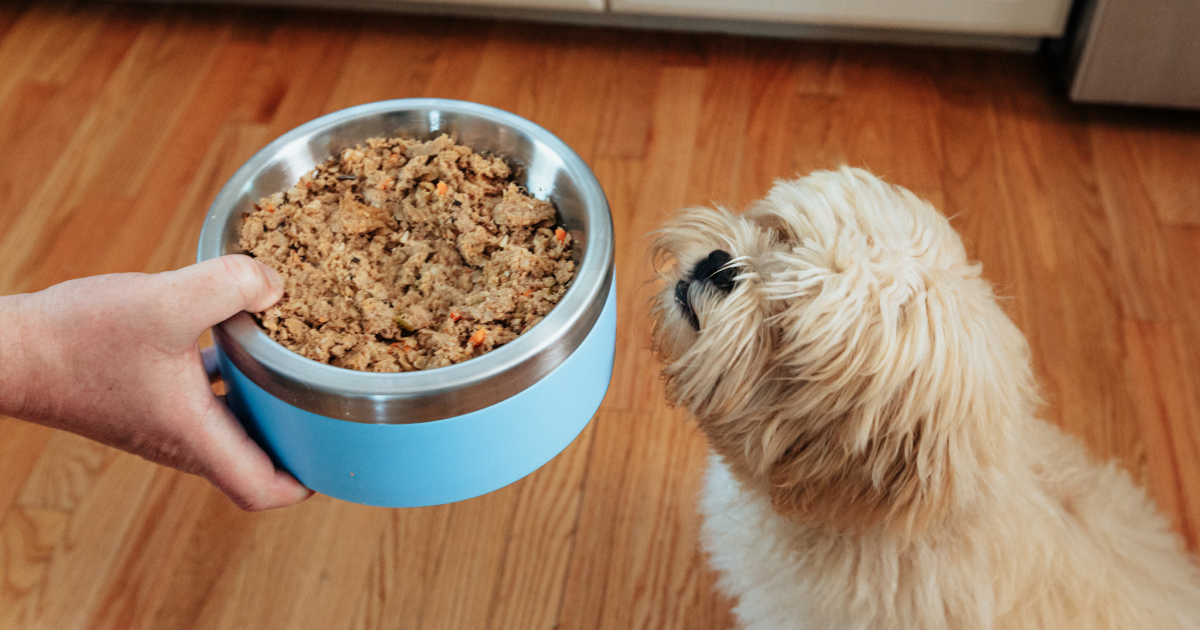
Credit: www.petplate.com
Differences Between Puppy And Adult Dog Food
Understanding the differences between puppy and adult dog food is important. Puppies have special needs that differ from adult dogs. Feeding the wrong type of food can cause stomach problems. This section explains why these foods are different and how they affect a 7-month-old dog.
Nutritional Needs Of Puppies
Puppies need more protein and fat than adult dogs. These nutrients help them grow strong muscles and bones. They also need extra vitamins and minerals. Puppies burn more energy, so their food has more calories. Their bodies are still developing, needing special care in their diet.
Ingredients In Adult Dog Food
Adult dog food has fewer calories and less fat. It focuses on maintaining health rather than growth. The protein content is lower compared to puppy food. Ingredients may include more fiber to support digestion. These foods suit adult dogs who are less active than puppies.
Impact On Puppy Digestion
Adult dog food can upset a puppy’s stomach. It may cause diarrhea or loose stools. The lower fat and calorie levels may not meet a puppy’s needs. Puppies might feel hungry or tired if fed adult food. Their sensitive digestive system needs food made for their age.
Potential Risks Of Feeding Adult Food To Puppies
Feeding adult dog food to a 7-month-old puppy may cause problems. Puppies have different needs than adult dogs. Their bodies require special nutrients to grow strong and healthy. Adult food may lack these important elements.
Switching too soon can upset a puppy’s digestion. The wrong food can lead to diarrhea and stomach pain. It also might affect your puppy’s health in the long run. Understanding these risks helps you choose the right food.
Nutrient Imbalances
Puppies need more protein, fat, and calories than adult dogs. Adult food usually has fewer nutrients to support growth. This lack can slow your puppy’s development. Bones, muscles, and organs may not form properly. Nutrient gaps can weaken the immune system too.
Digestive Upset
Puppy stomachs are sensitive and still maturing. Adult dog food has different fiber and fat levels. This difference can cause diarrhea or vomiting. Your puppy might have gas or stomach cramps. Digestive upset makes puppies uncomfortable and unhappy.
Long-term Health Effects
Feeding adult food too early can cause lasting issues. Poor nutrition can lead to weak bones and joints. Your puppy might grow too slowly or become overweight. Some health problems may not show until later. Proper puppy food helps avoid these risks and supports healthy growth.

Credit: www.poochandmutt.co.uk
Signs Of Food-related Diarrhea
Food-related diarrhea in a 7-month-old dog can be a sign that their digestive system is reacting to new adult dog food. It is important to recognize the signs early. These signs help you decide if the change in diet is causing discomfort. Monitoring your dog’s health closely can prevent serious issues.
Diarrhea caused by food often comes with specific symptoms. Knowing these can help you act quickly to support your puppy’s health.
Symptoms To Watch For
Loose or watery stools are the most common sign. Your dog may also have frequent bowel movements. Watch for signs of stomach pain, like whining or restlessness. Loss of appetite is another key symptom. Vomiting or nausea may occur alongside diarrhea. Fatigue and weakness can show if your dog is dehydrated. Notice any changes in behavior or energy levels.
When To Seek Veterinary Help
Contact a vet if diarrhea lasts more than two days. Immediate help is needed if your dog shows severe vomiting. Blood or mucus in stool requires urgent attention. Dehydration signs, such as dry gums or sunken eyes, need quick care. If your puppy is very weak or not eating, see a vet. Persistent diarrhea can lead to serious health problems. Early veterinary care ensures proper treatment and recovery.
Expert Recommendations For Feeding 7-month-old Dogs
Feeding a 7-month-old dog requires care and attention. At this age, puppies grow fast and need the right nutrients. Experts suggest specific steps to ensure your dog stays healthy. Following these tips helps avoid problems like diarrhea from adult dog food.
Choosing The Right Food
Select food made for puppies or young dogs. Puppy food has more nutrients for growth and development. Adult dog food may lack some essential vitamins and minerals. Check labels carefully to find balanced nutrition. Avoid sudden switches to adult food until your dog is older.
Transitioning Diets Safely
Change food gradually over 7 to 10 days. Mix small amounts of new food with the old. Increase new food while reducing the old each day. This slow change helps the stomach adjust. Sudden diet changes can cause diarrhea or upset stomach.
Monitoring Your Dog’s Health
Watch your dog’s stool and behavior daily. Soft or watery stools can signal digestive issues. Loss of appetite or lethargy needs attention too. Contact your vet if diarrhea lasts more than two days. Early action prevents serious health problems.
Alternatives To Adult Dog Food For Growing Puppies
Choosing the right food for a 7-month-old puppy is important. Adult dog food can cause stomach upset and diarrhea in young dogs. Puppies need special nutrition to grow strong and healthy. Several alternatives to adult dog food can meet their needs better. These options support digestion and provide balanced nutrients for growth.
Puppy-specific Formulas
Puppy-specific formulas are made to support growth and development. They contain more protein and fat than adult food. These formulas have vitamins and minerals tailored for puppies. The ingredients are easier to digest, reducing the risk of diarrhea. Feeding puppy food helps maintain healthy bones and muscles.
Homemade Diet Options
Homemade diets allow control over ingredients and freshness. Use lean meats, rice, and vegetables cooked well for easy digestion. Avoid foods that upset puppies, like onions or too much fat. Homemade meals can be balanced with guidance from a vet. This option suits puppies with sensitive stomachs or allergies.
Supplements And Additives
Supplements can improve digestion and nutrient absorption. Probiotics help balance gut bacteria and reduce diarrhea. Adding fish oil supports skin and coat health. Vitamins and minerals fill nutritional gaps in homemade or puppy food. Always check with a vet before adding supplements to a puppy’s diet.
Frequently Asked Questions
Can Adult Dog Food Cause Diarrhea In A 7-month-old Puppy?
Yes, adult dog food can cause diarrhea in a 7-month-old puppy. Puppies need specific nutrients for growth. Adult food may lack these and upset their digestive system.
How To Safely Transition A Puppy To Adult Dog Food?
Transition gradually over 7-10 days by mixing increasing adult food with puppy food. This helps avoid digestive upset and diarrhea.
What Signs Indicate A Puppy’s Diarrhea From Adult Dog Food?
Signs include loose stools, increased frequency, discomfort, and sometimes vomiting. If persistent, consult a vet for proper diagnosis and treatment.
When Should I Switch My Puppy To Adult Dog Food?
Typically, switch at around 12 months old, depending on breed size. Consult your vet to choose the right time and food type.
Conclusion
Feeding adult dog food to a 7-month-old puppy can cause diarrhea. Puppies need special nutrients for growth and digestion. Adult food may be too rich or different in ingredients. Watch your puppy closely after changing food. Gradually mix new food with old to avoid stomach upset.
Consult your vet if diarrhea lasts more than a day. Healthy digestion means a happy, growing puppy. Choose food made for puppies to keep your dog strong. Careful feeding helps prevent digestive problems and keeps tails wagging.

