

Are you wondering when to switch your furry friend from puppy food to adult dog food? It’s a big step that affects your dog’s health and happiness.
Feeding your dog the right food at the right time helps them grow strong, stay active, and avoid health problems. But how do you know the perfect moment to make this change? Keep reading to discover the signs, expert tips, and simple guidelines that will help you give your dog the best nutrition as they grow.
Your dog’s well-being depends on it!
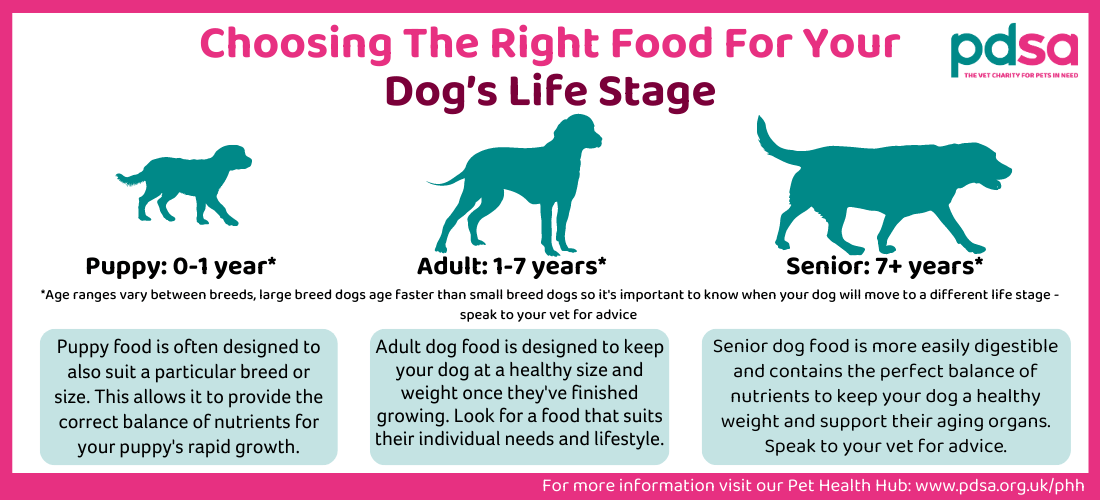
Credit: www.pdsa.org.uk
Signs Your Puppy Is Ready
Knowing when to switch your puppy to adult dog food is important. Puppies grow fast. Their diet needs change as they develop. Watch for clear signs that show your puppy is ready for adult food. These signs help ensure a smooth and healthy transition for your dog.
Age Milestones
Most puppies start eating adult dog food between 9 and 12 months. Small breeds usually switch earlier, around 9 months. Large breeds may need more time, up to 12 months or longer. Check your breed’s typical growth timeline to decide the best time. Age is a simple, helpful guide.
Physical Growth Indicators
Your puppy’s body changes as it grows. Teeth become stronger and fully developed. The puppy’s weight stabilizes and growth slows down. Muscle tone improves, and the puppy looks less round. These physical signs show the puppy is ready for adult nutrition. They need food that supports maintenance, not just growth.
Behavioral Changes
Puppies become more active and independent as they grow. They may start eating less frequently but in larger amounts. Interest in food changes, with less need for constant snacks. Behavior shifts show the puppy’s metabolism is adjusting. These changes signal the right time to try adult dog food.
Comparing Puppy And Adult Dog Food
Choosing the right food for your dog is important. Puppy food and adult dog food serve different needs. Understanding their differences helps you decide when to switch. This section compares the two types of food.
Nutritional Differences
Puppy food has more vitamins and minerals. These nutrients support fast growth and brain development. Adult dog food focuses on maintaining health. It has balanced nutrients for steady energy and weight control. Each formula matches the dog’s life stage needs.
Calorie And Protein Needs
Puppies need more calories to fuel their active growth. Their protein content is higher to build strong muscles. Adult dogs need fewer calories to avoid weight gain. Protein levels are lower but still enough to keep muscles healthy.
Impact On Health
Feeding the wrong food can cause health problems. Too many calories may lead to obesity in adult dogs. Too little protein can slow puppy growth. The right food supports strong bones and a healthy immune system. It helps your dog live a longer, happier life.
Best Timing For Transition
Knowing the best time to start feeding adult dog food is important for your dog’s health. The transition helps your dog get the right nutrients for its stage of life. Changing the diet too early or too late can cause health problems or poor growth. Watch your dog’s needs closely during this change.
Typical Age Range
Most dogs switch to adult food between 12 and 18 months old. Small breeds often start at 12 months. Large breeds may need to wait until 18 months or older. Age matters because puppies grow at different speeds. Feeding adult food too soon can miss key nutrients for growth. Waiting too long can cause weight gain.
Breed-specific Considerations
Large breeds need special care when switching to adult food. Their bones and joints grow longer, needing certain nutrients. Small breeds mature faster and need adult food earlier. Medium breeds fall between small and large. Know your dog’s breed and growth pattern. This helps pick the right time to change food.
Consulting Your Vet
Your vet knows your dog’s health best. They can advise the right time to switch food. Vets check weight, growth, and energy levels. They may recommend tests before changing diets. Always ask your vet before starting adult food. This ensures your dog stays healthy and happy.
Credit: www.bluebuffalo.com
How To Switch Foods Gradually
Switching your dog to adult food requires care and patience. A sudden change can upset their stomach or cause refusal to eat. Gradual change helps your dog adjust to new flavors and nutrients smoothly. Follow simple steps to make the transition easy for your pet.
Step-by-step Transition Plan
Start by mixing 25% adult food with 75% puppy food. Feed this mix for three days. Then, change to half adult food and half puppy food for the next three days. After that, use 75% adult food and 25% puppy food for three days. Finally, offer 100% adult food. This slow change helps your dog’s digestion adapt well.
Monitoring Your Dog’s Reaction
Watch for any signs of upset stomach. Loose stools, vomiting, or loss of appetite are red flags. If these happen, slow down the transition. Give your dog more days on each mix ratio. Keep an eye on energy levels and overall mood too. Happy, active dogs usually accept new food well.
Adjusting Portions
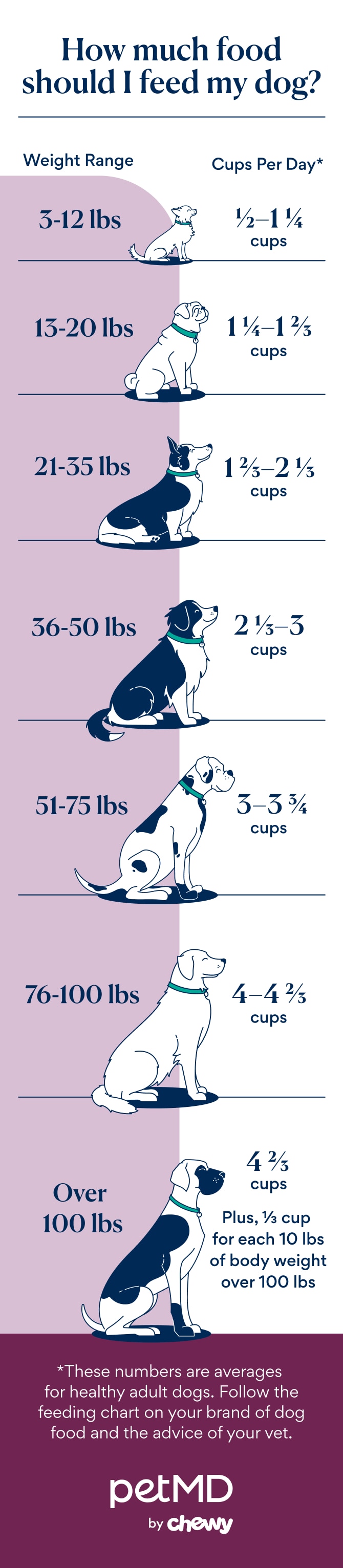
Adult food can have different calorie amounts. Adjust your dog’s portion to avoid weight gain or loss. Follow feeding guidelines on the food package. Check your dog’s body shape and weight weekly. Reduce or increase food amounts based on these checks. Proper portions keep your dog healthy and satisfied.
Common Mistakes To Avoid
Feeding your dog adult food at the right time is very important. Many dog owners make simple mistakes that can harm their pet’s health. Avoiding these errors helps your dog grow strong and stay healthy. Here are common mistakes to watch out for when switching to adult dog food.
Switching Too Early
Giving adult food too soon can upset your dog’s digestion. Puppies need special nutrients to grow. Adult food lacks these essential nutrients. Wait until your vet says your dog is ready. Usually, this happens around one year old, but it varies by breed.
Abrupt Changes
Changing food suddenly can cause stomach upset and diarrhea. Dogs need time to adjust to new food. Mix small amounts of adult food with puppy food for several days. Gradually increase adult food while decreasing puppy food. This helps your dog’s stomach adapt smoothly.
Ignoring Health Signs
Watch your dog’s behavior and health closely after switching food. Signs like vomiting, diarrhea, or lethargy should not be ignored. These symptoms may mean the new food does not suit your dog. Consult your vet if health problems appear after switching food.
Credit: www.petmd.com
Maintaining A Balanced Diet Post-transition
Transitioning your dog to adult food is just the first step. Maintaining a balanced diet post-transition supports your dog’s health and energy. A well-rounded diet includes the right food, treats, and regular health monitoring. This keeps your dog active and happy.
Choosing Quality Adult Dog Food
Select adult dog food that fits your dog’s size and activity level. Look for foods rich in proteins, vitamins, and minerals. Avoid fillers like corn or soy that offer little nutrition. Fresh ingredients often mean better health for your pet.
Supplements And Treats
Supplements can fill nutrition gaps in your dog’s diet. Omega-3 fatty acids help keep skin and coat healthy. Calcium supports strong bones. Treats should be healthy and given in moderation. Use treats to reward good behavior without overfeeding.
Regular Health Checkups
Visit the vet regularly to track your dog’s health. Checkups help spot issues early and adjust diets if needed. Your vet can recommend changes based on weight, age, and activity. Regular checks keep your dog feeling their best.
Frequently Asked Questions
When Should You Switch To Adult Dog Food?
Switch to adult dog food when your puppy reaches about 12 months. Large breeds may need more time, around 18-24 months. This timing supports healthy growth and proper nutrition for adult dogs.
What Age Is Best For Adult Dog Food Introduction?
The best age to introduce adult dog food is typically 1 year. This varies by breed size and growth rate. Consult your vet to determine the ideal transition time for your dog.
How To Transition From Puppy To Adult Dog Food?
Gradually mix adult food with puppy food over 7-10 days. Increase adult food amount daily while decreasing puppy food. This helps your dog adjust smoothly without digestive upset.
Why Is Feeding Adult Dog Food Important?
Adult dog food meets the nutritional needs of mature dogs. It helps maintain healthy weight, energy, and overall health. Feeding age-appropriate food prevents nutrient imbalances and supports longevity.
Conclusion
Feeding your dog adult food at the right time keeps them healthy. Watch their growth and energy to know when to switch. Usually, small breeds change food earlier than large ones. Choose good-quality adult dog food with the right nutrients.
Changing food slowly helps your dog adjust without stomach upset. Pay attention to your vet’s advice for best results. Feeding adult food too early or late can cause problems. Keep your dog strong and happy with the right diet. It’s a simple step that makes a big difference.


