

Are you wondering when it’s the right time to switch your furry friend to adult dog food? Feeding your dog the right food at the right age is key to keeping them healthy and happy.
But how do you know when puppy food is no longer enough? Making this change too early or too late can affect your dog’s growth and energy. You’ll discover exactly what age to start feeding adult dog food and why it matters for your dog’s wellbeing.
Keep reading to learn how to give your dog the best nutrition at every stage of life.

Credit: www.scala-santa.com
When To Switch To Adult Dog Food
Knowing when to switch your puppy to adult dog food is important for their health. Puppies grow fast and their food needs change as they age. Feeding the right food helps their bones, muscles, and energy develop well. This section explains when to make the change and what signs to watch for.
Age Guidelines By Breed Size
Small breed dogs grow faster than large breeds. Small breeds usually switch to adult food around 9 to 12 months old. Medium breeds change at about 12 months. Large and giant breeds need puppy food longer, often up to 18 or 24 months. Their bodies need more time to develop fully before switching to adult food.
Signs Your Puppy Is Ready
Look for signs that your puppy is ready for adult food. If they stop growing taller or gaining weight fast, it may be time. Their energy might become steadier, not as hyperactive as before. Teeth should be fully grown and strong. These signs show your puppy is moving out of the rapid growth phase.
Consulting Your Veterinarian
Your vet can give advice on the best time to switch. They know your puppy’s breed, size, and health needs. Vets can suggest the right adult food type. They also check if your puppy has special dietary needs. Visiting your vet helps make a smooth and safe transition to adult food.
:max_bytes(150000):strip_icc()/puppy-feeding-schedule-2-d8f6749725de477eb32756329140a85b.png)
Credit: www.ayurdharehab.com
Choosing The Right Adult Dog Food
Choosing the right adult dog food is important for your pet’s health. Adult dogs need food that supports their energy and body functions. Feeding the right food helps maintain their weight, coat, and overall well-being. Understanding what adult dogs need will guide you to pick the best food.
Nutritional Needs Of Adult Dogs
Adult dogs require balanced nutrients for energy and health. Protein helps build and repair muscles. Fat provides energy and keeps the coat shiny. Carbohydrates give fuel for daily activities. Vitamins and minerals support bones, immunity, and organ functions. The right mix of these keeps your dog healthy and active.
Types Of Adult Dog Food
Dry kibble is popular and easy to store. It helps keep teeth clean. Wet food has more moisture and can be tastier for picky eaters. Semi-moist food offers a soft texture but may contain more sugar. Some owners choose raw or homemade diets for freshness. Each type has pros and cons based on your dog’s needs.
Reading Dog Food Labels
Dog food labels show important details about ingredients and nutrients. Look for named protein sources like chicken or beef first. Avoid foods with many fillers like corn or wheat. Check the guaranteed analysis for protein, fat, and fiber levels. Also, note any added vitamins and minerals. Choose foods that meet AAFCO standards for complete nutrition.
Transitioning Your Dog’s Diet
Changing your dog’s diet from puppy food to adult food needs care and attention. The switch affects their health and digestion. A smooth transition helps avoid stomach problems and keeps your dog happy. Follow steps to make this change easy and safe for your pet.
Gradual Food Change Process
Start by mixing a small amount of adult food with puppy food. Slowly add more adult food over 7 to 10 days. This slow change helps your dog’s stomach adjust. Avoid sudden switches to prevent upset stomach or refusal to eat.
Monitoring Your Dog’s Reaction
Watch your dog’s eating habits and energy levels during the change. Check for signs like vomiting, diarrhea, or less appetite. Healthy digestion means your dog is ready for more adult food. If problems appear, slow the transition or consult a vet.
Common Transition Challenges
Some dogs resist new food taste or texture. They may refuse to eat or show digestive upset. Patience is key. Try warming food or mixing flavors to encourage eating. Keep fresh water available to help digestion and hydration.
Adjusting Feeding Amounts And Schedule
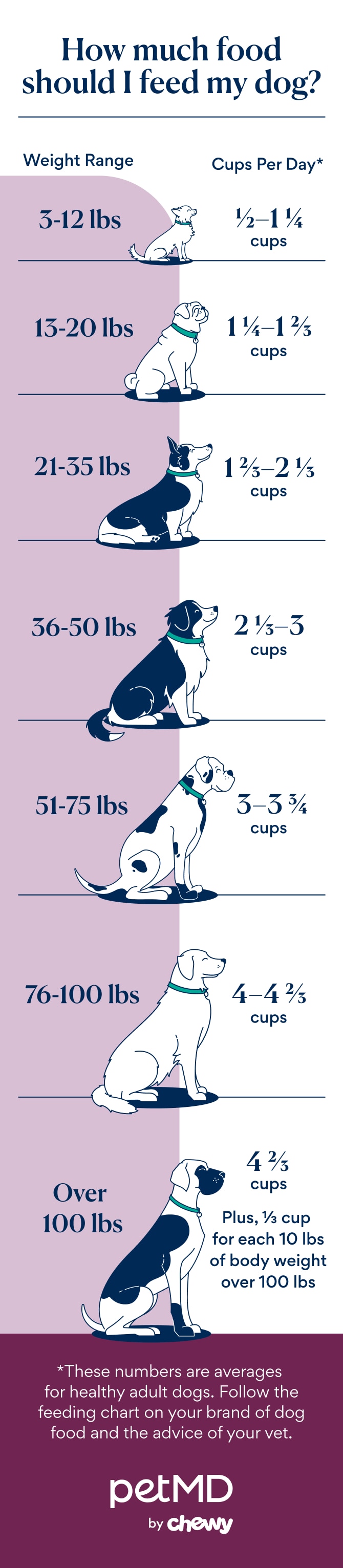
Adjusting the feeding amounts and schedule is important when your dog moves to adult food. Their energy needs change as they grow. Feeding the right amount keeps them healthy and active. Too much or too little food can cause problems.
Calculating Portion Sizes
Start by checking the dog food package for portion guidelines. These are based on your dog’s weight and activity level. Use a kitchen scale or measuring cup for accuracy. Adjust portions if your dog gains or loses weight. Watch their body shape to help decide if changes are needed.
Feeding Frequency For Adults
Most adult dogs eat two meals a day. Split the daily portion into morning and evening servings. This helps keep energy levels steady. Puppies need more meals, but adults do well with fewer. Feeding at the same time each day builds a routine.
Avoiding Overfeeding
Overfeeding leads to weight gain and health issues. Avoid free feeding or leaving food out all day. Measure meals carefully to control calories. Limit treats and table scraps. Monitor your dog’s weight regularly and adjust food amounts as needed.
Special Considerations
Feeding adult dog food is not the same for every dog. Some dogs need special care due to age or health. Understanding these special needs helps keep dogs healthy and happy. This section covers key points about feeding different types of dogs.
Senior Dogs And Diet
Older dogs have slower metabolisms and less energy. They need food with fewer calories but more nutrients. Protein helps keep their muscles strong. Joint support ingredients like glucosamine are helpful. Choose food made for senior dogs to meet these needs.
Dogs With Health Issues
Health problems can change a dog’s diet needs. Dogs with kidney or liver issues need low-protein food. Dogs with allergies require special hypoallergenic diets. Always ask a vet before changing food for a sick dog. Proper diet helps manage symptoms and improve life quality.
Puppies With Delayed Growth
Some puppies grow slower than others. They might need adult food later than usual. A vet can check if growth is normal or delayed. Special diets may support better growth and development. Patience and proper feeding help these puppies catch up.
Credit: www.petmd.com
Frequently Asked Questions
When Should I Switch My Puppy To Adult Dog Food?
You should switch your puppy to adult dog food around 12 months old. Large breeds may need adult food at 18-24 months. Consult your vet for breed-specific advice to ensure proper nutrition during growth.
How To Know If My Dog Needs Adult Dog Food?
Signs include slowed growth and lower energy needs. When your dog reaches maturity, their diet requirements change. Adult dog food supports maintenance, not growth, matching their nutritional needs better.
Can I Feed Adult Dog Food To Puppies?
No, adult dog food lacks essential nutrients for puppy growth. Puppies need higher protein and fat levels. Feeding adult food too early can stunt development and affect health.
What Are The Benefits Of Adult Dog Food?
Adult dog food provides balanced nutrients for maintenance. It helps maintain healthy weight, supports digestion, and promotes overall wellbeing. The formula suits mature dogs’ metabolism and activity levels.
Conclusion
Feeding your dog adult food at the right time helps keep them healthy. Most dogs switch to adult food around one year old. Small breeds may need the change earlier, large breeds later. Watch your dog’s growth and energy for clues.
Talk to your vet for advice tailored to your dog. Remember, good nutrition supports a happy, active life. Choose quality food to meet your dog’s needs. Careful feeding helps your dog grow strong and well. Simple steps make a big difference in their health.


