

You want the best for your dog, and that includes feeding them the right food at the right time. But how do you know when to switch from puppy food to adult food?
Giving your dog the wrong diet can affect their health and energy. If you’re unsure about the perfect moment to make this change, keep reading. This guide will help you understand exactly when and why to give your dog adult food, so your furry friend stays happy and healthy.
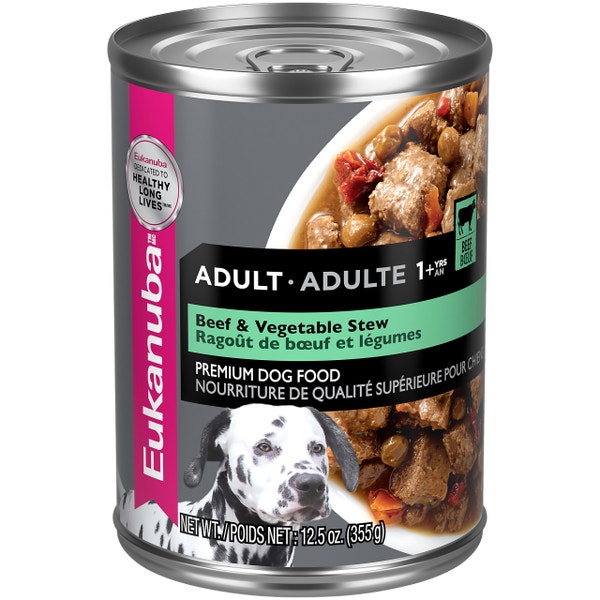
Credit: www.eukanuba.com
Signs Your Dog Is Ready
Knowing when to switch your dog to adult food is important for their health. Puppies grow fast and their needs change. Watch for clear signs that your dog is ready. These signs help you feed your dog the right food at the right time.
Physical Growth Indicators
Your dog’s body shows many signs of growing up. Teeth change from sharp puppy teeth to stronger adult teeth. The puppy’s coat may become thicker and shinier. Muscle tone improves and your dog looks less chubby. Growth slows down or stops, meaning your dog is nearing adulthood. These changes mean your dog needs adult food for better nutrition.
Behavioral Changes
Puppies become calmer as they grow. They show less biting and chewing on everything. Your dog may show more focus during walks and play. Appetite can change, becoming steadier and less frequent. These behaviors tell you your dog is maturing. Adult food supports their new energy and lifestyle needs.
Breed And Size Considerations
Different dogs grow at different rates. Small breeds may need adult food by 9 to 12 months. Large breeds often need more time, sometimes 12 to 18 months. Giant breeds can grow even longer before switching. Check your dog’s breed and size to choose the right time. Feeding adult food too soon or late can affect health.
Age Guidelines For Switching
Knowing the right time to switch your dog to adult food is important. Dogs grow at different rates based on their size. Feeding adult food too early or too late can affect their health. Age guidelines help you make the best choice for your dog’s diet. Below are age ranges for small, medium, and large breeds.
Small Breeds
Small breed dogs grow fast. They usually reach full size between 9 to 12 months. You can start feeding adult food at about 9 months old. Their smaller bodies need adult nutrition earlier than bigger dogs.
Medium Breeds
Medium breed dogs grow a bit slower. They reach adult size around 12 to 15 months. Switching to adult food at 12 months works well for these dogs. This timing supports their steady growth and energy needs.
Large Breeds
Large breed dogs take longer to mature. They often finish growing between 15 to 24 months. It is best to wait until at least 18 months before changing their food. This helps avoid problems like joint issues and supports healthy growth.
Choosing The Right Adult Food
Choosing the right adult food for your dog is a key step in their health journey. The right diet supports energy, growth, and overall well-being. Not all adult dog foods are the same. It’s important to understand what your dog needs as they grow out of puppy food.
Nutritional Needs
Adult dogs need a balance of protein, fat, and carbohydrates. Protein helps build strong muscles. Fat provides energy and supports skin health. Carbohydrates give fiber and help with digestion. Vitamins and minerals keep bones strong and immune systems healthy. The food should match your dog’s size, breed, and activity level.
Ingredients To Look For
Choose foods with real meat as the first ingredient. Whole grains like brown rice and oats add good fiber. Vegetables and fruits bring vitamins and antioxidants. Avoid foods with too many fillers like corn or soy. Natural preservatives are better than artificial ones. Clean, simple ingredients support your dog’s health better.
Avoiding Common Pitfalls
Some foods have too many fillers and low nutrition. Avoid foods with artificial colors, flavors, or preservatives. Avoid giving adult food too early. Sudden changes can upset digestion. Watch for allergies or sensitivities to certain ingredients. Always check the label carefully before buying.
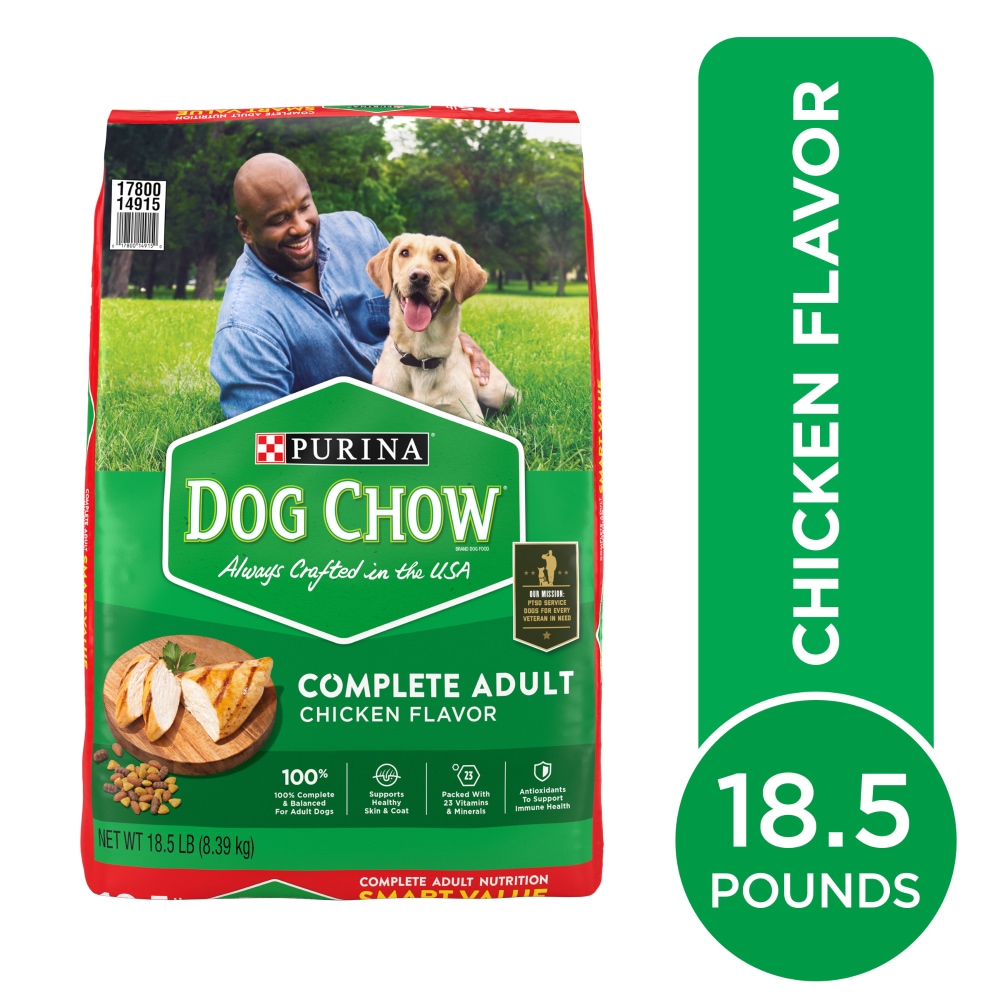
Credit: www.ralphs.com
Transitioning Smoothly
Transitioning your dog to adult food requires care and patience. Sudden changes can upset their stomach and cause discomfort. A smooth change helps your dog adjust to new tastes and nutrients. It also ensures they continue to get the energy they need every day.
Gradual Food Changes
Start by mixing a small amount of adult food with your dog’s current food. Increase the adult food portion slowly over 7 to 10 days. This gentle switch helps your dog’s digestion adapt. Watch for any signs of upset, like vomiting or diarrhea. Gradual changes reduce stress on your dog’s system.
Monitoring Your Dog’s Reaction
Check your dog’s behavior and stool during the transition. Healthy stools mean the food suits your dog well. Signs of discomfort may include less energy or reluctance to eat. If you notice problems, slow down the transition. Always give your dog time to get used to the new food.
Adjusting Portion Sizes
Your dog’s energy needs change with age and activity. Adult food has different calorie content than puppy food. Measure portions carefully to avoid overfeeding. Follow feeding guidelines on the food package. Adjust portions based on your dog’s weight and energy level. Proper portion sizes keep your dog healthy and active.
Expert Tips For Feeding
Feeding your dog adult food is an important step in their growth. Understanding how to feed them properly helps keep them healthy and happy. Here are some expert tips to guide you through this process.
These tips focus on meal frequency, timing, hydration, and the role of your veterinarian. Follow these to give your dog the best care during this transition.
Meal Frequency And Timing
Adult dogs usually eat two meals per day. Feeding at the same times helps their digestion and routine. Avoid free feeding, as it can lead to overeating. Stick to regular meal times, such as morning and evening. This keeps your dog’s energy steady throughout the day.
Hydration Importance
Water is vital for your dog’s health. Always provide fresh, clean water. Dogs need water to digest food and stay cool. Check their water bowl often and refill as needed. Hydration supports their organs and keeps them active.
Consulting Your Veterinarian
Your veterinarian knows your dog’s health best. Ask them when to switch to adult food. They can suggest the right type of food and amount. Share any concerns about your dog’s weight or behavior. Regular check-ups help catch problems early and keep your dog well.
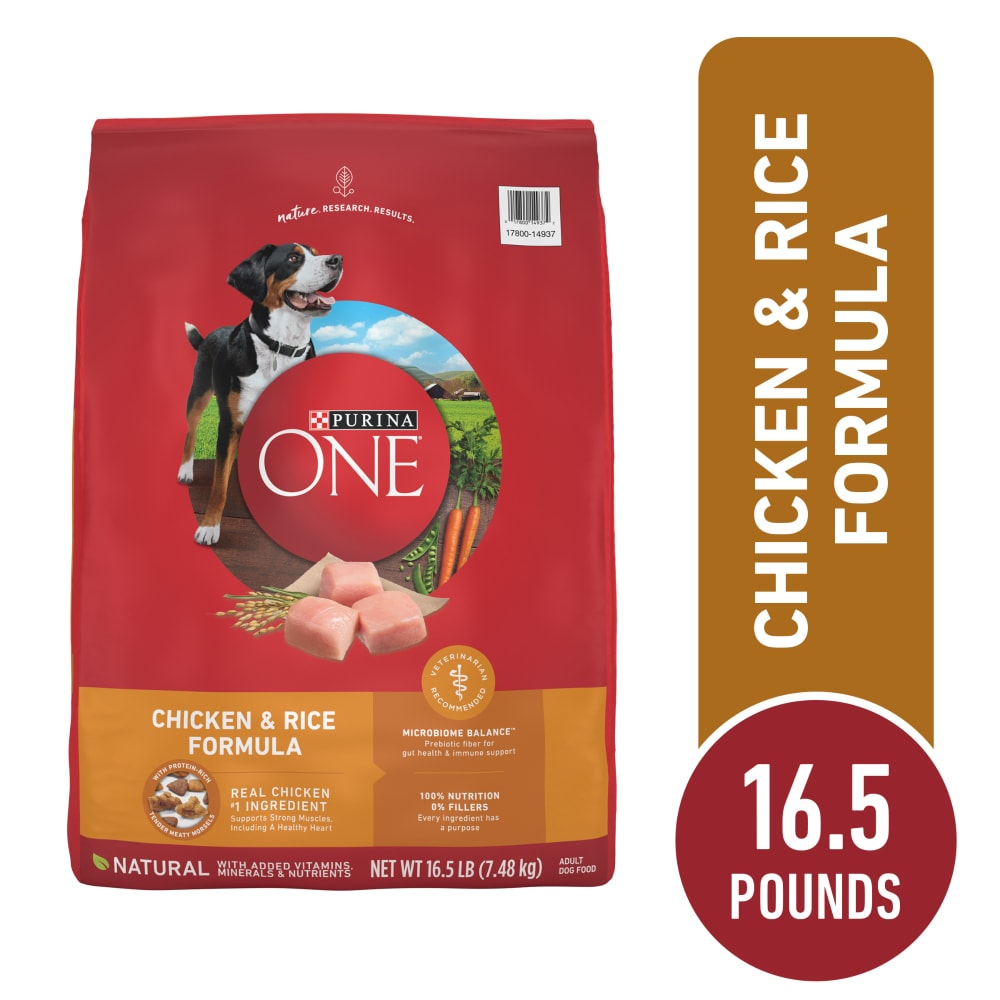
Credit: www.ralphs.com
Frequently Asked Questions
When Should I Switch My Puppy To Adult Dog Food?
Switch your puppy to adult dog food at about 12 months old. Large breeds may need to wait until 18-24 months. This timing supports healthy growth and meets mature nutritional needs.
How Do I Know If My Dog Needs Adult Food?
Signs your dog needs adult food include slowed growth and changing energy levels. Consult your vet if unsure about the right time to switch.
Can I Give Adult Food To Small Breed Puppies?
Small breed puppies should stay on puppy food until 12 months. Adult food lacks essential nutrients needed for their rapid growth and development.
What Are The Benefits Of Adult Dog Food?
Adult dog food supports maintenance of healthy weight and energy. It contains balanced nutrients tailored for mature dogs, promoting long-term health and vitality.
Conclusion
Feeding your dog adult food at the right time helps keep them healthy. Watch their growth and energy levels closely. Most dogs switch to adult food between one and two years old. Choose a diet that fits their size and activity.
Changing food slowly avoids stomach upset. A proper diet supports strong bones and shiny fur. Your dog will feel better and live well. Trust your care and attention to guide the change. Healthy eating makes happy dogs.


