

Are you wondering whether you should switch your dog’s food as they get older? Choosing the right food for your furry friend is more important than you might think.
Adult dog food and senior dog food aren’t just different labels—they’re specially made to meet your dog’s changing needs. If you want to keep your pet healthy, happy, and full of energy, understanding these differences is key. Keep reading to learn exactly how the right food can make a big difference in your dog’s life.

Credit: www.akcpetinsurance.com
Nutritional Needs Of Adult Dogs
Adult dogs need food that supports their active lifestyle. Their nutritional needs differ from puppies and senior dogs. Proper nutrition keeps them healthy and energetic. It also helps maintain their weight and muscle mass. Understanding these needs helps choose the right dog food.
Calorie Requirements
Adult dogs require a balanced amount of calories. Too many calories can lead to weight gain. Too few calories cause energy loss and muscle breakdown. The right calorie intake depends on the dog’s size, activity, and metabolism. Active dogs need more calories than less active ones.
Protein And Fat Balance
Protein supports muscle maintenance and repair. Adult dogs need moderate protein levels to stay strong. Fat provides energy and supports healthy skin and coat. A balanced amount of fat is essential. Too much fat can cause weight gain, too little can reduce energy.
Essential Vitamins And Minerals
Vitamins and minerals support overall health and body functions. Calcium and phosphorus keep bones strong. Vitamins A, E, and C support the immune system. Zinc and iron help with skin and coat health. Adult dog food must include these nutrients in the right amounts.
Changing Needs Of Senior Dogs
As dogs age, their bodies change. Their energy levels drop. Their health needs shift. Senior dogs require special care, especially in their diet. The food for adult dogs does not always meet these new needs. Senior dog food is made to support aging bodies. It helps keep joints healthy and digestion smooth. It also controls calorie intake to prevent weight gain.
Reduced Caloric Intake
Older dogs burn fewer calories. Their activity level usually decreases. Too many calories can lead to weight gain. Excess weight strains their joints and heart. Senior dog food has fewer calories. It helps maintain a healthy weight. Balanced energy intake supports their overall well-being.
Joint Support Nutrients
Joints often weaken with age. Stiffness and pain are common in senior dogs. Senior dog food contains nutrients like glucosamine and chondroitin. These help support joint health and mobility. Omega-3 fatty acids reduce inflammation. This combination eases movement and improves comfort.
Digestive Health Considerations
Older dogs can have sensitive stomachs. Their digestion slows down with age. Senior dog food includes fiber and probiotics. Fiber helps regulate digestion and bowel movements. Probiotics support healthy gut bacteria. These ingredients improve nutrient absorption and reduce digestive issues.
Comparing Ingredients In Adult Vs Senior Dog Food
Comparing the ingredients in adult and senior dog food reveals clear differences. These differences help meet the changing needs of your dog’s body. Senior dogs require special nutrition to support their aging joints, organs, and energy levels. Adult dog food focuses on maintaining health and activity in younger dogs. Understanding these ingredient changes helps you choose the best food for your pet’s stage of life.
Protein Sources And Levels
Adult dog food usually contains higher protein levels. This supports muscle growth and energy. Senior dog food often has moderate protein amounts. The protein tends to be easier to digest. Quality sources like chicken, fish, or lamb are common in both. Senior formulas may include added amino acids to help maintain muscle mass.
Fat Content Differences
Fat levels vary between adult and senior dog foods. Adult food often has more fat to fuel active dogs. Senior food contains less fat to prevent weight gain. Healthy fats like omega-3 and omega-6 are added to senior formulas. These fats support skin health and reduce inflammation.
Added Supplements For Aging Pets
Senior dog food includes special supplements to help aging bodies. Glucosamine and chondroitin support joint health. Antioxidants like vitamins C and E protect cells from damage. Some formulas add fiber for better digestion. These ingredients are less common in adult dog food.
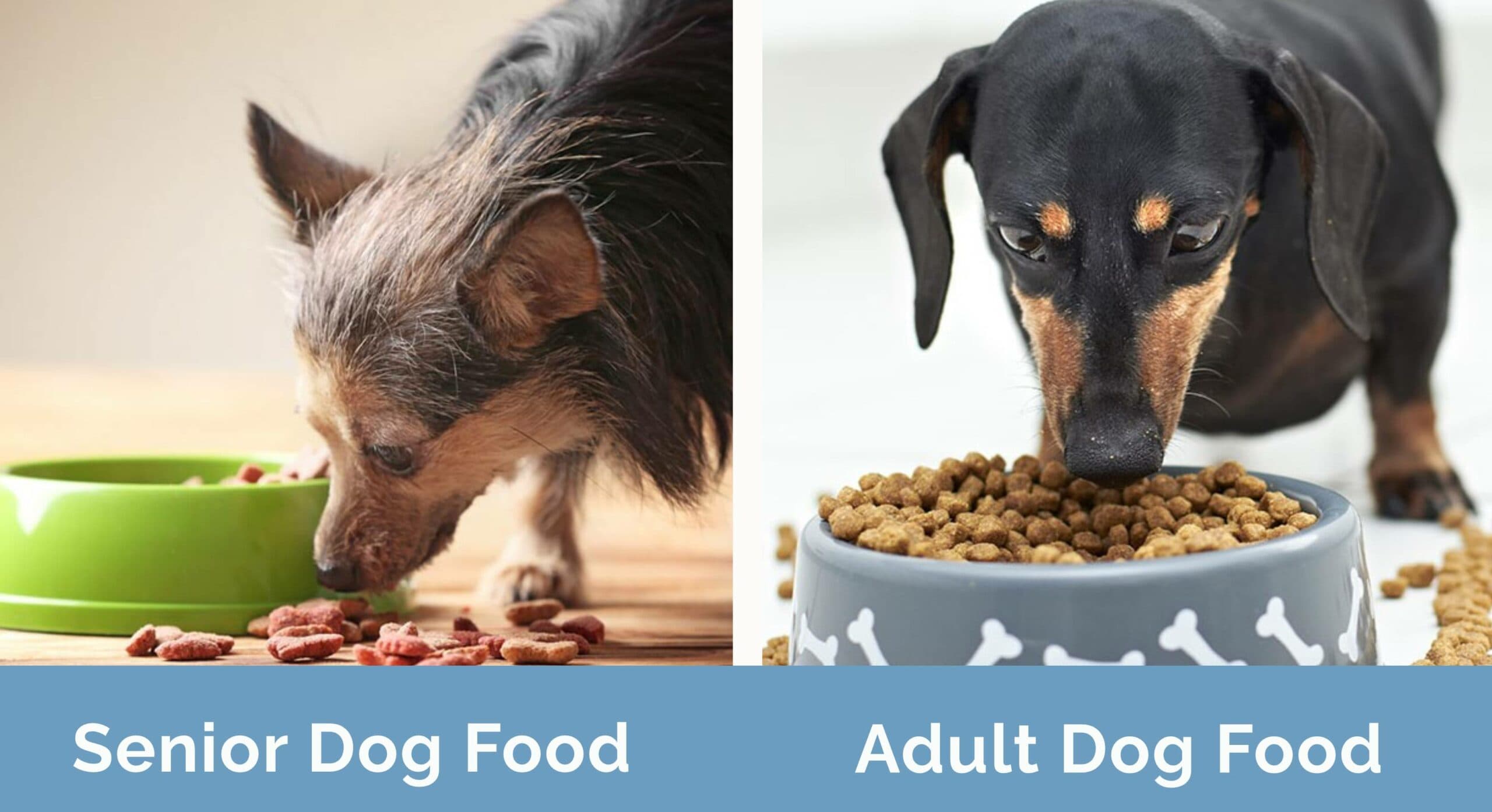
Credit: articles.hepper.com
Health Benefits Of Senior Dog Food
Senior dog food is made to support older dogs’ changing needs. It helps keep them healthy and active. The right diet improves their quality of life and eases age-related issues.
It contains special ingredients that target common senior dog problems. These foods often have fewer calories and more nutrients. This helps dogs stay strong without gaining too much weight.
Managing Weight And Obesity
Older dogs burn fewer calories. Senior dog food has fewer fats and calories to prevent weight gain. It includes fiber to help dogs feel full longer. Maintaining a healthy weight reduces stress on joints and organs.
Supporting Cognitive Function
Senior dog food often has antioxidants and omega-3 fatty acids. These nutrients support brain health and memory. They help slow down cognitive decline. This keeps older dogs alert and mentally sharp.
Enhancing Mobility And Comfort
Special ingredients like glucosamine and chondroitin support joint health. They reduce inflammation and improve mobility. This helps dogs move comfortably and stay active. Healthy joints mean a better, happier life for seniors.
Choosing The Right Food For Your Dog’s Age
Choosing the right food for your dog’s age is key to their health. Dogs need different nutrients as they grow older. Adult dog food supports energy and muscle maintenance. Senior dog food focuses on joint health and digestion.
Knowing when to switch foods keeps your dog happy and healthy. Pay attention to your dog’s body and behavior. This helps you pick the best diet for their stage of life.
Signs To Switch To Senior Food
Watch for slower movements or less playtime. These can mean your dog is aging. Notice any weight changes or loss of appetite. Stiff joints or difficulty climbing stairs are also signs.
These hints suggest it’s time to consider senior dog food. Senior formulas help with weight control and joint support.
Consulting With Your Veterinarian
Your vet knows your dog’s health best. Discuss your dog’s age and any health issues. They can recommend the right food type and brand. This ensures your dog gets the nutrients they need.
Vets can also suggest special diets for certain conditions. Trust their advice for a smooth food transition.
Transitioning Food Gradually
Switching food suddenly can upset your dog’s stomach. Mix a small amount of new food with the old one. Increase the new food over 7 to 10 days. This helps your dog adjust without problems.
Watch for any signs of digestive upset during the change. Gradual transition makes feeding time easier and safer.

Credit: forthglade.com
Frequently Asked Questions
What Are The Key Differences Between Adult And Senior Dog Food?
Adult dog food supports general health and energy, while senior dog food targets aging needs. Senior formulas often have fewer calories, added joint support, and enhanced nutrients for digestion and immune health.
When Should I Switch My Dog To Senior Food?
Switch your dog to senior food around 7 years old or based on vet advice. This helps address aging issues like slower metabolism and joint health.
Can Adult Dog Food Harm Senior Dogs?
Adult dog food may lead to weight gain or nutrient imbalances in senior dogs. Senior formulas better suit their lower energy and specific health needs.
Do Senior Dog Foods Help With Joint Health?
Yes, senior dog foods often contain glucosamine and chondroitin to support joint function and mobility in aging dogs.
Conclusion
Adult dog food and senior dog food serve different needs. Adult food supports energy and growth. Senior food helps with joint health and digestion. Choosing the right food keeps your dog healthy and happy. Pay attention to your dog’s age and activity level.
This helps you pick the best nutrition. Healthy food means a better life for your furry friend. Always check labels and talk to your vet if unsure. Small changes in diet make a big difference over time. Your dog deserves food that fits their stage of life.


