Are you wondering what might happen if you give your puppy adult dog food? It’s a common question for many new dog owners.
You want the best for your furry friend, but feeding the wrong food can affect their growth and health. Imagine your puppy not getting the right nutrients they need to thrive. That’s why understanding the difference between puppy and adult dog food is so important.
Keep reading to discover what really happens and how you can keep your puppy healthy and happy from day one.
Puppy Nutritional Needs
Puppies grow fast and need special food to stay healthy. Their bodies are building bones, muscles, and organs. Proper nutrition helps them develop strong and active lives. Feeding the right food supports their energy and brain growth. Adult dog food does not meet these unique needs. Understanding puppy nutritional needs is key to good health.
Essential Nutrients For Growth
Puppies need more protein than adult dogs. Protein helps build muscles and repair tissues. They also need fat for energy and healthy skin. Calcium and phosphorus support strong bones and teeth. Vitamins like A, D, and E help immunity and vision. Balanced minerals keep their bodies working well. These nutrients work together to support fast growth.
Differences Between Puppy And Adult Food
Puppy food has more calories to fuel growth. Adult food has fewer calories for maintenance. Puppy food contains extra protein and fat for energy. It also has more calcium to build bones. Adult food lacks these higher nutrient levels. Feeding adult food to puppies can slow growth. It may cause nutrient deficiencies and health issues.
Consequences Of Feeding Adult Food Early
Feeding adult dog food to a puppy can cause many problems. Puppies have different needs than adult dogs. Their bodies require special nutrients to grow strong and healthy. Using adult food too soon can slow down growth and cause health issues.
Understanding the risks helps keep your puppy safe and happy. Here are the main consequences of feeding adult food early.
Impact On Growth And Development
Puppies need more protein, fat, and calories than adult dogs. Adult food often lacks these essential nutrients. This shortage can stunt a puppy’s growth and weaken bones.
Missing key vitamins and minerals can harm brain and muscle development. Puppies may become less active and smaller than usual. Their immune system can also weaken, making illness more likely.
Digestive Issues And Discomfort
Puppies have sensitive stomachs that require gentle food. Adult dog food is harder to digest for young puppies. Feeding it early can cause diarrhea, vomiting, or stomach pain.
Digestive problems lead to poor nutrient absorption. This makes it harder for puppies to get the energy they need. Discomfort can make puppies eat less, slowing growth even more.
Potential Health Risks
Giving your puppy adult dog food can cause serious health problems. Puppies need special nutrients to grow strong and healthy. Adult dog food does not meet these needs. Feeding the wrong food can lead to issues that affect your puppy’s growth and overall health.
Nutrient Deficiencies
Puppies require higher levels of protein, fat, and vitamins. Adult dog food often lacks these essential nutrients. This can cause weak muscles and poor immune function. Deficiencies may slow your puppy’s development and make them more prone to sickness.
Weight And Bone Problems
Adult dog food has fewer calories and less calcium than puppy food. This shortage can cause your puppy to gain too little weight. Poor calcium intake affects bone growth and strength. Over time, this may lead to bone deformities and joint problems.
Credit: labiosthetique.ee
Signs Your Puppy Is Struggling
Puppies need special food for their growth. Adult dog food has different nutrients. Giving adult food to puppies can cause problems. Watch your puppy closely for signs of struggle. Early signs help you protect your puppy’s health. Puppies cannot always tell you when they feel bad.
Behavioral Changes
Your puppy may act differently if food is wrong. They might lose interest in playing. Sudden tiredness or less energy can appear. Some puppies become more irritable or restless. Changes in how they eat or sleep also matter. These behaviors show your puppy might be uncomfortable.
Physical Symptoms To Watch
Check for vomiting or diarrhea after eating. A puppy’s stomach may become upset easily. Look for bloating or gas signs. Dry, dull coat or skin problems can appear. Weight loss or slow growth is a red flag. Weakness or limping may happen too. These symptoms mean your puppy needs help fast.
Safe Feeding Practices
Feeding a puppy requires careful attention to their nutritional needs. Puppies grow fast and need special food to support their bones, muscles, and brain. Using adult dog food for puppies can cause problems. Safe feeding practices help avoid health issues and keep your puppy strong.
Choosing The Right Food
Puppies need food made just for their age. Puppy food has more protein, fat, and vitamins. These nutrients help puppies grow properly. Adult dog food has less nutrition and may not meet a puppy’s needs. Pick a food labeled for puppies to ensure balanced nutrition.
Transitioning To Adult Diet
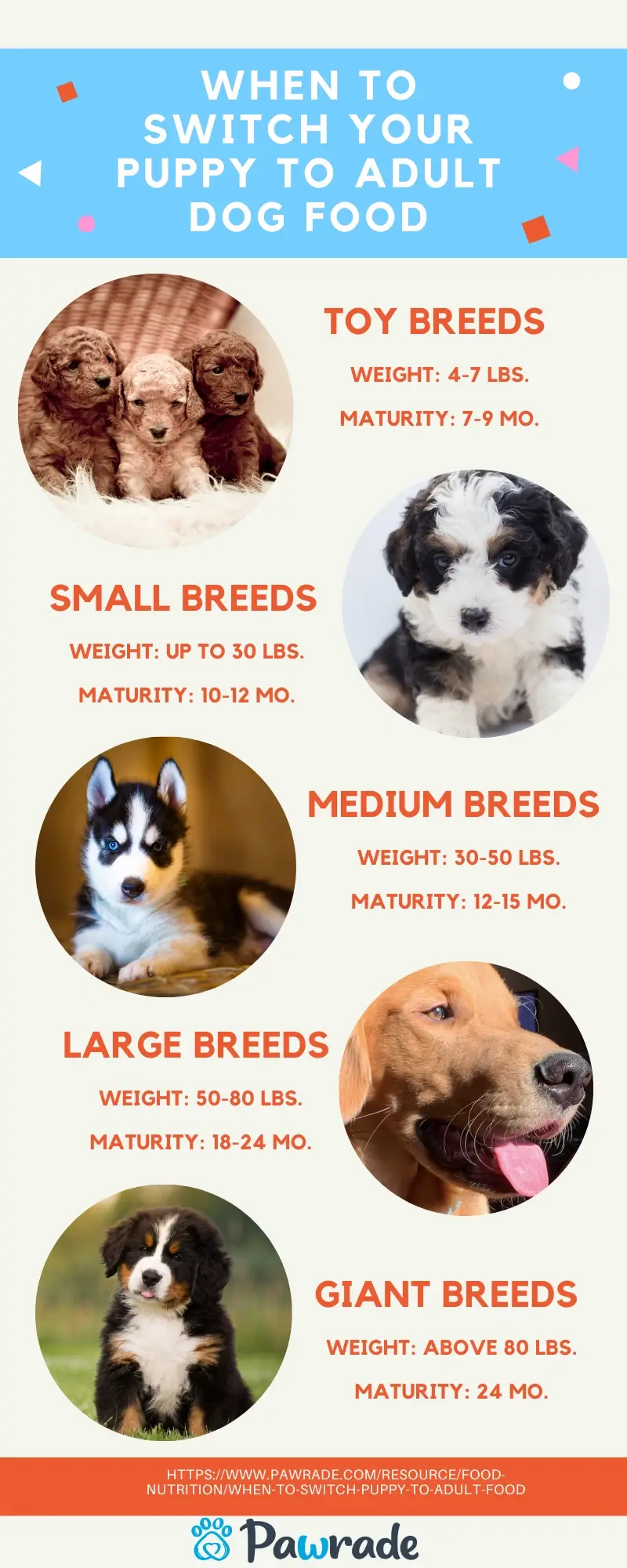
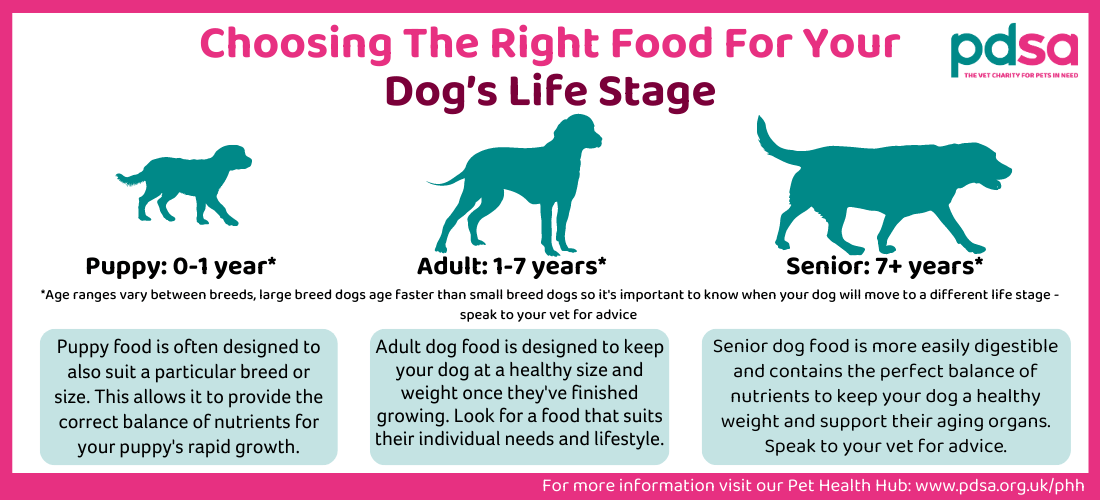
Switch your dog to adult food at the right time. Most dogs change diets around one year old. Change food slowly over 7 to 10 days. Mix small amounts of adult food with puppy food. Gradually increase adult food while reducing puppy food. This helps avoid stomach upset and keeps digestion smooth.
Credit: www.pdsa.org.uk
When To Consult A Veterinarian
Knowing when to consult a veterinarian is important if you feed your puppy adult dog food. Puppies have special needs that differ from adult dogs. Feeding the wrong food can cause health problems. Watch your puppy closely for any signs of trouble. A vet can provide the best advice to keep your puppy healthy and growing well.
Monitoring Puppy Health
Check your puppy’s energy levels daily. Look for signs like vomiting, diarrhea, or changes in appetite. Notice if your puppy seems weak or has trouble walking. Skin problems or a dull coat can also signal issues. Keep a record of any symptoms and how long they last. Quick action can prevent serious health problems.
Professional Dietary Advice
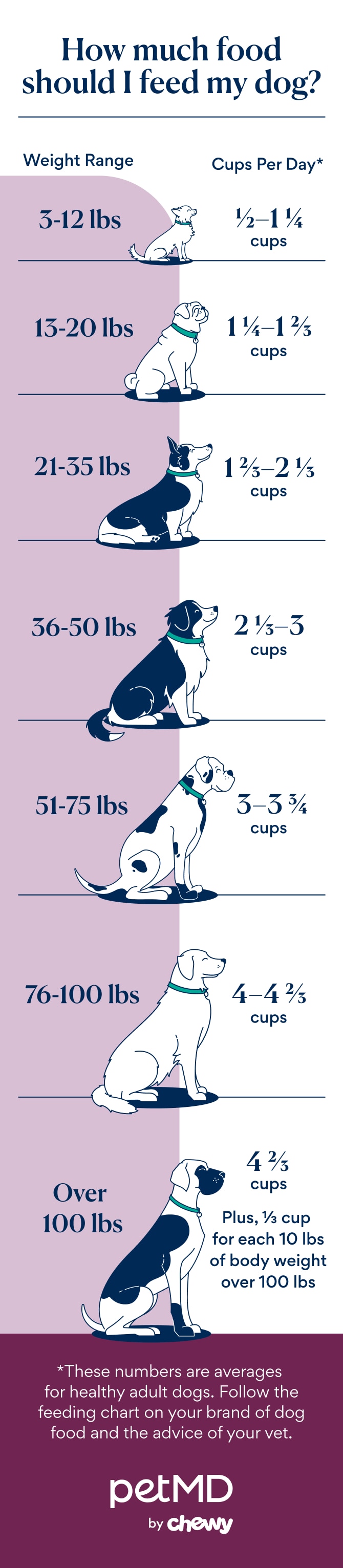
A veterinarian can recommend the right food for your puppy’s age and breed. They understand the nutrients puppies need for strong bones and muscles. Vets can suggest special diets if your puppy has allergies or health conditions. Regular check-ups help adjust the diet as your puppy grows. Trusting professional advice supports your puppy’s long-term health and happiness.
Credit: www.petmd.com
Frequently Asked Questions
What Happens If Puppies Eat Adult Dog Food?
Puppies may miss essential nutrients needed for growth. Adult dog food lacks the right protein and fat levels. This can slow development and affect their health.
Is Adult Dog Food Safe For Puppies?
Adult dog food is generally safe but not ideal. It lacks specific vitamins and minerals puppies need. Feeding it long-term can cause nutritional deficiencies.
How Long Can Puppies Eat Adult Food?
Puppies should only eat adult food briefly in emergencies. Prolonged feeding may stunt growth and weaken their immune system. Always switch to puppy food as soon as possible.
Can Adult Food Cause Digestive Issues In Puppies?
Yes, adult dog food can upset a puppy’s digestion. Puppies need a diet designed for their sensitive stomachs. Adult food may cause diarrhea or constipation in young dogs.
Conclusion
Feeding a puppy adult dog food can cause health problems. Puppies need extra nutrients to grow strong and healthy. Adult food lacks these important vitamins and minerals. This can lead to poor growth and weak bones. Always choose food made for puppies during their early months.
Proper nutrition helps your puppy develop well and stay active. Keep your furry friend happy by feeding the right food. It’s a simple step for a healthy future. Choose wisely and watch your puppy thrive.