

Are you wondering if it’s okay to feed your puppy adult dog food? It might seem like a small thing, but what you feed your puppy now can shape their health for life.
Choosing the right food is more important than you think. Feeding adult dog food to a growing puppy could cause problems you didn’t expect. Keep reading to find out why, so you can make the best choice for your furry friend’s future.

Credit: www.iams.com
Puppy Vs Adult Dog Food
Puppies and adult dogs have different food needs. Their bodies grow and change fast during puppyhood. Food supports this growth. Choosing the right food helps keep your puppy healthy and strong.
Adult dog food is made for dogs that have stopped growing. It has a different mix of nutrients. Feeding adult food to puppies may not give them what they need. Understanding these differences helps you make the best choice.
Nutritional Differences
Puppy food has more protein and fat than adult food. These nutrients help build muscles and support brain growth. Adult dog food has less protein and fat to keep weight steady. Puppies need extra vitamins and minerals to grow properly. Adult dog food does not focus on these as much.
Caloric Needs
Puppies burn more energy than adult dogs. They need more calories for play and growth. Puppy food is higher in calories to meet these needs. Adult dog food has fewer calories to prevent weight gain. Feeding adult food to puppies can leave them hungry or undernourished.
Growth Requirements
Puppies grow quickly in their first year. Their bones and organs develop fast. Puppy food supports this growth with special nutrients like DHA. Adult dog food lacks these growth-focused nutrients. Feeding adult food too early can slow a puppy’s development.
Credit: www.lucautosrl.it
Risks Of Feeding Adult Food To Puppies
Feeding adult dog food to puppies can cause serious problems. Puppies have special needs that adult food does not meet. Their bodies grow fast and need more nutrients. Using adult food risks their health and growth.
Nutrient Deficiencies
Adult dog food lacks some nutrients that puppies need. Puppies need more protein and fat to grow strong. Adult food has lower levels of these important nutrients. This can make puppies weak and tired. They may not develop healthy muscles and bones.
Digestive Issues
Puppies have sensitive stomachs. Adult food is harder to digest for them. This can cause stomach pain, diarrhea, or vomiting. Poor digestion means puppies cannot absorb nutrients well. This can slow their growth and cause discomfort.
Impact On Growth And Development
Puppies grow quickly and need special nutrition. Adult food does not support fast growth. Lack of proper nutrients can cause stunted growth. Bones may not develop correctly, causing future problems. Feeding adult food can harm a puppy’s long-term health.
When Adult Food Might Be Acceptable
Feeding a puppy adult dog food is not usually ideal. Puppies need more nutrients to grow strong and healthy. Still, there are times when adult food might be okay. Understanding these moments helps keep your puppy safe and well-fed.
This section explains when feeding adult dog food to puppies might be acceptable. It covers short-term feeding, special situations, and advice from veterinarians.
Short-term Feeding
Sometimes, adult food can be used for a short time. For example, during travel or emergencies when puppy food is unavailable. Short-term feeding usually does not harm puppies. Keep the period brief and return to puppy food quickly. Watch your puppy for any changes in health or behavior.
Special Circumstances
Some puppies have special health needs. They might require a different diet than usual. Adult dog food can help if it meets these needs better. Puppies with allergies or digestive issues may benefit from specific adult formulas. Always choose food with proper nutrients for growth and development.
Veterinarian Recommendations
Veterinarians guide the best diet for your puppy. They may suggest adult food in certain cases. For example, if your puppy has health problems or is underweight. Follow your vet’s advice closely. Regular check-ups ensure your puppy stays healthy on any diet.
Choosing The Right Food For Your Puppy
Choosing the right food helps your puppy grow strong and healthy. Puppies need more nutrients than adult dogs. Their food should support fast growth and energy needs. Feeding adult dog food to a puppy can cause problems.
Good puppy food has the right balance of protein, fat, and vitamins. It helps build bones, muscles, and a strong immune system. Learning to read food labels and check ingredients is important. This way, you know what your puppy eats every day.
Reading Labels
Always read the food label carefully. Look for words like “complete and balanced” for puppies. Check the guaranteed analysis for protein and fat content. Puppies need higher protein and fat than adult dogs. Avoid foods with too many fillers like corn or wheat.
Ingredients To Look For
High-quality protein should be the first ingredient. Meat, fish, or poultry are best sources. Look for added vitamins like A, D, and E. Omega-3 fatty acids help with brain and eye development. Avoid artificial colors, flavors, and preservatives.
Balanced Diet Tips
Feed your puppy food made for their age and size. Follow feeding guidelines on the package. Divide meals into 3 to 4 times a day. Provide fresh water at all times. Monitor your puppy’s weight and energy to adjust portions. Consult your vet for personalized advice.
Transitioning Between Puppy And Adult Food
Transitioning between puppy and adult dog food is a key step in your puppy’s growth. Puppies need food with nutrients that support their rapid development. Adult dog food has a different balance of nutrients, made for maintenance rather than growth. Changing the food too early or too fast can upset your puppy’s stomach or cause nutritional gaps. It is important to make the switch carefully and at the right time.
Timing The Switch
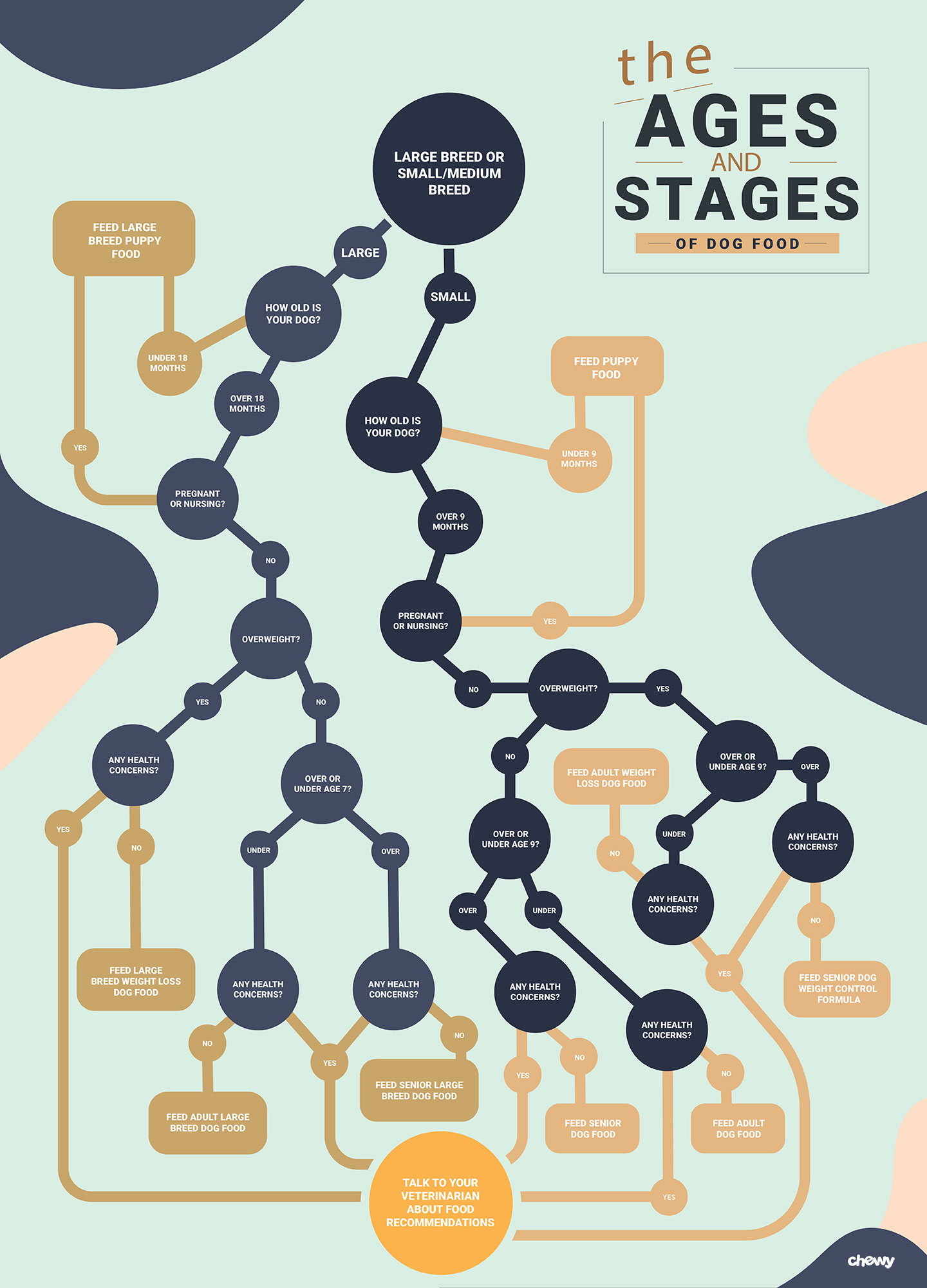
Most puppies are ready for adult food between 9 and 12 months old. Large breeds may need to wait longer, up to 18 months. Watch your puppy’s growth and energy levels. Avoid switching food during stressful times like moving or illness. Starting the change too early can slow growth. Too late can lead to unnecessary weight gain.
Gradual Transition Steps
Change your puppy’s food slowly over 7 to 10 days. Begin by mixing 25% adult food with 75% puppy food. Increase the adult food portion every few days. This helps your puppy’s stomach adjust. Watch for any signs of diarrhea or vomiting. Stop the transition if your puppy shows discomfort. A slow change reduces risk of digestive upset.
Signs Your Puppy Is Ready
Your puppy may be ready if they have steady weight and size. Their energy levels should be stable, not too high or low. Teeth development can also be a clue; adult food suits stronger teeth. Consult your vet for a health check before switching. Your vet can confirm if your puppy’s growth is on track. Proper timing helps keep your puppy healthy and happy.
Common Myths About Puppy And Adult Food
Puppy and adult dog foods serve different needs. Many myths confuse dog owners about feeding choices. Understanding facts helps keep puppies healthy and strong. Let’s explore some common myths about puppy and adult food.
Cost Vs Quality
Some believe adult dog food is cheaper and just as good. Puppies need extra nutrients for growth. Adult food often lacks these essential nutrients. Saving money now can cause health issues later. Quality puppy food supports strong bones and muscles. It is worth the investment for your puppy’s health.
One Food Fits All
Many think one dog food suits all ages. Puppies have different energy and nutrient needs. Adult food formulas do not support puppy development fully. Feeding adult food to puppies can slow growth. Tailored puppy food ensures proper development. Dogs need age-specific nutrition for best health.
Natural Diet Misconceptions
Some say natural means feeding puppies only raw or homemade food. Natural does not always mean complete nutrition. Puppy food is designed with balanced nutrients. Homemade diets can miss important vitamins and minerals. Puppy food keeps your pet healthy and active. Trust science-based puppy food for balanced nutrition.

Credit: www.becopets.com
Frequently Asked Questions
Can Puppies Eat Adult Dog Food Safely?
Feeding adult dog food to puppies is not ideal. Puppies need extra nutrients for growth. Adult food lacks sufficient protein and calories for healthy puppy development.
What Happens If A Puppy Eats Adult Dog Food?
Puppies may miss essential nutrients if fed adult food. This can lead to slower growth, weak immunity, and digestive issues. Always choose food formulated specifically for puppies.
When Should I Switch My Puppy To Adult Dog Food?
Switch to adult dog food when your puppy reaches one year old. Some large breeds may need adult food later. Consult your vet for the best timing and transition process.
Is Adult Dog Food Nutritionally Balanced For Puppies?
No, adult dog food does not meet puppy nutritional needs. Puppies require higher protein, fat, and vitamins for proper growth. Adult formulas focus on maintenance, not development.
Conclusion
Feeding a puppy adult dog food is not ideal. Puppies need extra nutrients to grow strong and healthy. Adult food may miss important vitamins and minerals. This can slow their growth or cause health problems. Always choose food made for puppies during their early months.
It supports their bones, muscles, and immune system well. Changing food too soon can confuse your puppy’s digestion. Keep their diet balanced and suited to their age. Healthy eating leads to a happy, active dog later in life. Choose wisely for your puppy’s best start.
