

Have you ever caught your adult dog munching on puppy food and wondered if that’s okay? You might worry if it’s safe or if it could cause problems for your furry friend.
Understanding whether adult dogs should eat puppy food is important for your pet’s health and happiness. Keep reading to discover the truth behind this common question and learn how to make the best choice for your dog’s diet. Your pet’s well-being depends on it!

Credit: www.petmd.com
Nutritional Differences Between Puppy And Adult Dog Food
Adult dogs and puppies have different nutritional needs. Puppy food and adult dog food are made to meet these needs. Understanding the differences helps keep your dog healthy and happy. This section explains the key nutritional differences.
Calorie And Protein Requirements
Puppies need more calories than adult dogs. They burn energy fast for growth and play. Puppy food has higher calories and protein to support this. Adult dogs need fewer calories to prevent weight gain. Their protein needs are lower but still important for muscle health.
Essential Vitamins And Minerals
Puppy food contains extra vitamins and minerals for strong bones and teeth. Calcium and phosphorus levels are higher to help with bone growth. Adult dog food balances vitamins to maintain health without overloading. Too many vitamins can cause problems in adult dogs.
Growth Vs Maintenance Needs
Puppy food focuses on growth and development. It supports brain, bone, and muscle building. Adult dog food focuses on maintaining body weight and health. It has less fat and calories but enough nutrients for daily life. Feeding adult dogs puppy food long-term can cause weight and health issues.
Potential Effects Of Adult Dogs Eating Puppy Food
Adult dogs eating puppy food can face several effects. Puppy food is richer in calories and nutrients. This extra richness may not suit adult dogs. Their bodies have different needs. Feeding them puppy food regularly can lead to issues. Understanding these effects helps keep your dog healthy.
Weight Gain And Obesity Risks
Puppy food has more fat and calories. Adult dogs eating this food may gain weight fast. Excess calories turn into fat easily. Over time, this can cause obesity. Obesity leads to joint problems and heart stress. Managing weight is key for a long life.
Digestive Health Concerns
Adult dogs have different digestive needs than puppies. Puppy food may be too rich for their stomachs. This richness can cause upset stomach and diarrhea. Some dogs may suffer from gas and bloating. Balanced digestion is important for good health.
Energy Levels And Activity
Puppy food boosts energy for growing dogs. Adult dogs may get more energy than needed. This can cause hyperactivity or restlessness. Too much energy can also lead to anxiety. Proper food helps maintain steady energy all day.
Situations Where Puppy Food Might Be Appropriate
Puppy food is designed to support rapid growth and high energy needs. Adult dogs usually do not need such rich nutrition. Yet, certain situations make puppy food a good choice for adult dogs. It can provide extra nutrients that help in recovery or special care. Understanding these cases helps pet owners make better feeding decisions.
Senior Dogs With Special Needs
Older dogs sometimes need more calories and nutrients. Puppy food can offer extra protein and fat. This helps maintain muscle and energy levels. It supports joint health and overall vitality. Always check with a vet before switching diets.
Dogs Recovering From Illness
Sick dogs may lose weight and strength quickly. Puppy food provides dense nutrition to rebuild their body. Its rich formula aids faster healing and energy restoration. Feeding small, frequent meals with puppy food can help.
Temporary Feeding Adjustments
Temporary use of puppy food is helpful during special times. For example, after surgery or during intense training. It gives the dog more energy and nutrients. Avoid long-term feeding without vet advice to prevent weight gain.
Expert Recommendations For Choosing Dog Food
Choosing the right food for your dog is very important. Dogs have different needs at different ages. Adult dogs eating puppy food might not get the right balance of nutrients. Experts give clear advice on how to pick the best food for your dog. Follow these tips to keep your dog healthy and happy.
Consulting A Veterinarian
Veterinarians know a lot about dog health. They can suggest the best food for your dog’s age and health. Talk to your vet before changing your dog’s diet. This helps avoid problems and keeps your dog strong.
Reading Food Labels Carefully
Food labels show what is inside the dog food. Look for the right protein, fat, and vitamins for your dog. Check if the food meets the AAFCO standards. This means the food is good and safe for dogs.
Transitioning Between Foods Safely
Change your dog’s food slowly. Mix old food with new food for 7 to 10 days. This helps your dog’s stomach adjust. Sudden changes can cause upset stomach or diarrhea. Patience makes the switch smooth and easy.
Common Misconceptions About Puppy Food For Adults
Many dog owners believe adult dogs can eat puppy food without issues. This idea comes from the belief that puppy food is always better. Puppy food has more nutrients and calories. But adult dogs have different needs. Feeding them puppy food can cause problems over time.
Is Puppy Food Always Healthier?
Puppy food has extra protein and fat for growth. Adult dogs do not need these extra nutrients. Too much protein or fat can lead to weight gain. Puppy food is not always healthier for adults. It is made for puppies’ fast growth, not adult maintenance.
Feeding Frequency And Portion Sizes
Puppies eat more often than adult dogs. Puppy food feeding schedules are different. Adult dogs need fewer meals and smaller portions. Feeding adult dogs like puppies can cause overeating. This can lead to obesity and other health issues.
Long-term Impact On Health
Feeding adult dogs puppy food for a long time can harm them. Extra calories can cause weight problems. Too much fat strains the heart and liver. Nutrient imbalance can affect bones and joints. Adult dog food matches their health needs better.
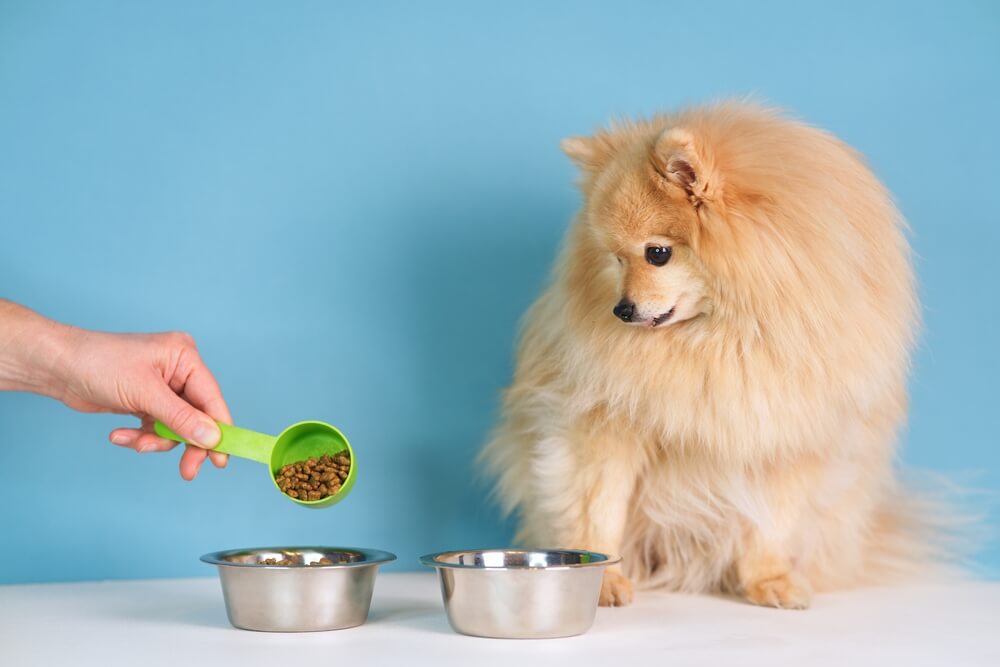
Credit: www.raisedrightpets.com
Credit: www.thecovecityplaza.com
Frequently Asked Questions
Is It Safe For Adult Dogs To Eat Puppy Food?
Yes, adult dogs can eat puppy food occasionally. However, puppy food is richer and higher in calories. Long-term feeding may cause weight gain or nutrient imbalance in adult dogs.
What Happens If Adult Dogs Eat Puppy Food Daily?
Daily consumption of puppy food by adults can lead to obesity. Excess nutrients may stress organs and cause digestive upset. It’s best to feed age-appropriate food for optimal health.
Can Adult Dogs Digest Puppy Food Properly?
Adult dogs can digest puppy food, but it’s formulated for puppies’ growth needs. The higher fat and protein content may be too rich for adults, potentially causing digestive issues.
Should I Switch My Dog To Adult Food After Puppy Stage?
Yes, switching to adult dog food after growth is recommended. Adult formulas meet maintenance nutritional needs without excess calories. Consult your vet for the best transition plan.
Conclusion
Adult dogs can eat puppy food sometimes, but not always. Puppy food has more nutrients for growth. Adult dogs may get too many calories or upset stomach. Watch your dog’s health and weight closely. Talk to your vet before changing food.
A balanced diet keeps dogs happy and strong. Choose the right food for your dog’s age and needs. Healthy eating means a longer, better life for your dog. Simple and careful choices make all the difference.


