

If you want your dog to live a happy, healthy life, understanding their nutritional needs is key. What you feed your furry friend affects their energy, mood, and overall well-being.
But with so much information out there, it can be confusing to know exactly what your dog really needs. You’ll discover the essential nutrients your dog requires every day and how to provide a balanced diet that supports their health.
Keep reading to learn how to give your dog the nutrition they deserve.
Key Nutrients For Dogs
Dogs need many nutrients to stay healthy and strong. These key nutrients support their body functions and energy. Knowing what your dog needs helps you choose the right food. Each nutrient plays a special role in your dog’s health.
Proteins And Amino Acids
Proteins build muscles, skin, and fur. Dogs need high-quality protein from meat, fish, or eggs. Amino acids are the building blocks of protein. Some amino acids are essential, meaning dogs must get them from food. Protein also supports the immune system and repairs body tissues.
Fats And Fatty Acids
Fats provide energy and keep the skin healthy. Essential fatty acids like omega-3 and omega-6 help brain and eye development. Fats also help absorb vitamins. Good fats come from fish oil, flaxseed, and animal fats. Avoid too many bad fats, which can cause weight gain.
Carbohydrates And Fiber
Carbohydrates give dogs quick energy. Sources include rice, potatoes, and grains. Fiber helps digestion and keeps the stomach healthy. It can prevent constipation and support good bacteria in the gut. Balance is key; too many carbs can lead to weight problems.
Vitamins And Minerals
Vitamins support many body functions. Vitamin A helps eyes, vitamin D strengthens bones. Minerals like calcium and phosphorus build strong teeth and bones. Iron carries oxygen in the blood. Dogs need a mix of vitamins and minerals for overall health.
Water Needs
Water is the most important nutrient. It keeps dogs hydrated and helps body systems work well. Dogs lose water through breathing, sweating, and waste. Fresh water must be available all the time. Proper hydration supports digestion and temperature control.
Daily Caloric Needs
Understanding your dog’s daily caloric needs is key for their health. Calories give energy for all activities. Too many calories cause weight gain. Too few lead to weakness and illness. Each dog needs a different amount. Many factors decide how much energy your dog uses daily.
Factors Influencing Calorie Requirements
Age changes calorie needs. Puppies need more calories for growth. Older dogs need fewer calories to avoid weight gain. Size matters too. Bigger dogs burn more energy. Activity level plays a big role. Active dogs burn more calories. Health status also affects needs. Some illnesses change metabolism and appetite.
Calculating Energy Needs
Energy needs are measured in calories per day. The Resting Energy Requirement (RER) is a starting point. Use this formula: RER = 70 × (body weight in kg)^0.75. This number shows energy for basic functions. To find daily needs, multiply RER by a factor. This factor changes based on life stage and activity.
Adjusting For Activity Levels
Inactive or older dogs need fewer calories. Multiply RER by 1.2 to 1.4 for them. Normal active dogs use 1.5 to 1.8 times RER. Very active or working dogs need 2 to 5 times RER. Watch your dog’s weight and energy. Adjust food portions if needed. Proper calorie balance keeps dogs fit and happy.
Life Stage Nutrition
Dogs need different nutrition at each stage of their life. Their bodies change as they grow, mature, and age. Feeding the right food helps keep them healthy and active. Life stage nutrition means giving your dog food that matches their current needs. It supports their growth, energy, and overall well-being.
Puppy Nutritional Needs
Puppies require extra nutrients to support fast growth. They need more protein and calories than adult dogs. This helps build strong muscles and bones. Puppies also need DHA for brain and eye development. Feeding them high-quality puppy food ensures they get these essentials. Small, frequent meals help with their small stomachs.
Adult Dog Requirements
Adult dogs need balanced nutrition to maintain health. Their energy needs are lower than puppies but still important. Protein supports muscle maintenance and repair. Carbohydrates provide energy for daily activities. Healthy fats keep their skin and coat shiny. Vitamins and minerals support immune health. Portion control prevents weight gain and obesity.
Senior Dog Diet Adjustments
Older dogs require special diet changes to stay healthy. Their metabolism slows down, needing fewer calories. Protein quality remains important to preserve muscle mass. Fiber helps with digestion and prevents constipation. Some seniors benefit from joint-supporting nutrients like glucosamine. Regular vet checks guide diet changes for aging dogs.
Credit: goldenretrieverinsight.com
Special Dietary Considerations
Dogs need different diets based on their unique health and lifestyle. Special dietary considerations help meet these needs. This ensures dogs stay healthy and happy. Understanding these needs allows better care and feeding choices. These points explain some common special dietary concerns.
Allergies And Food Sensitivities
Some dogs react badly to certain foods. Symptoms include itching, swelling, or stomach upset. Common allergens are beef, dairy, wheat, and chicken. Avoiding these foods helps prevent reactions. Limited ingredient diets can reduce allergies. Always consult a vet for allergy testing and guidance.
Weight Management
Overweight dogs face many health risks. Controlling calories and exercise helps maintain a healthy weight. Choose foods lower in fat and calories. High-fiber diets increase fullness and reduce overeating. Regularly weigh your dog and adjust food amounts. Balanced diet and exercise keep dogs fit and active.
Health Conditions And Diet
Certain diseases need special diets. Kidney disease requires low protein and phosphorus foods. Diabetes needs controlled carbohydrate intake. Heart problems may need low sodium diets. Tailored nutrition supports treatment and improves quality of life. Always follow your vet’s diet recommendations for these conditions.
Choosing The Right Dog Food
Choosing the right dog food is key to your pet’s health. Dogs need balanced nutrition to stay active and happy. The type of food you select affects their growth, energy, and immune system.
Many options exist, from commercial to homemade diets. Understanding each choice helps you make the best decision for your dog’s needs.
Commercial Vs Homemade Diets
Commercial dog foods are easy and convenient. They offer balanced nutrients and come in dry, wet, or raw forms. These foods often meet standards set by pet health organizations.
Homemade diets allow control over ingredients. You can avoid fillers and allergens. Proper recipes ensure your dog gets enough vitamins and minerals. But homemade meals need careful planning.
Reading Dog Food Labels
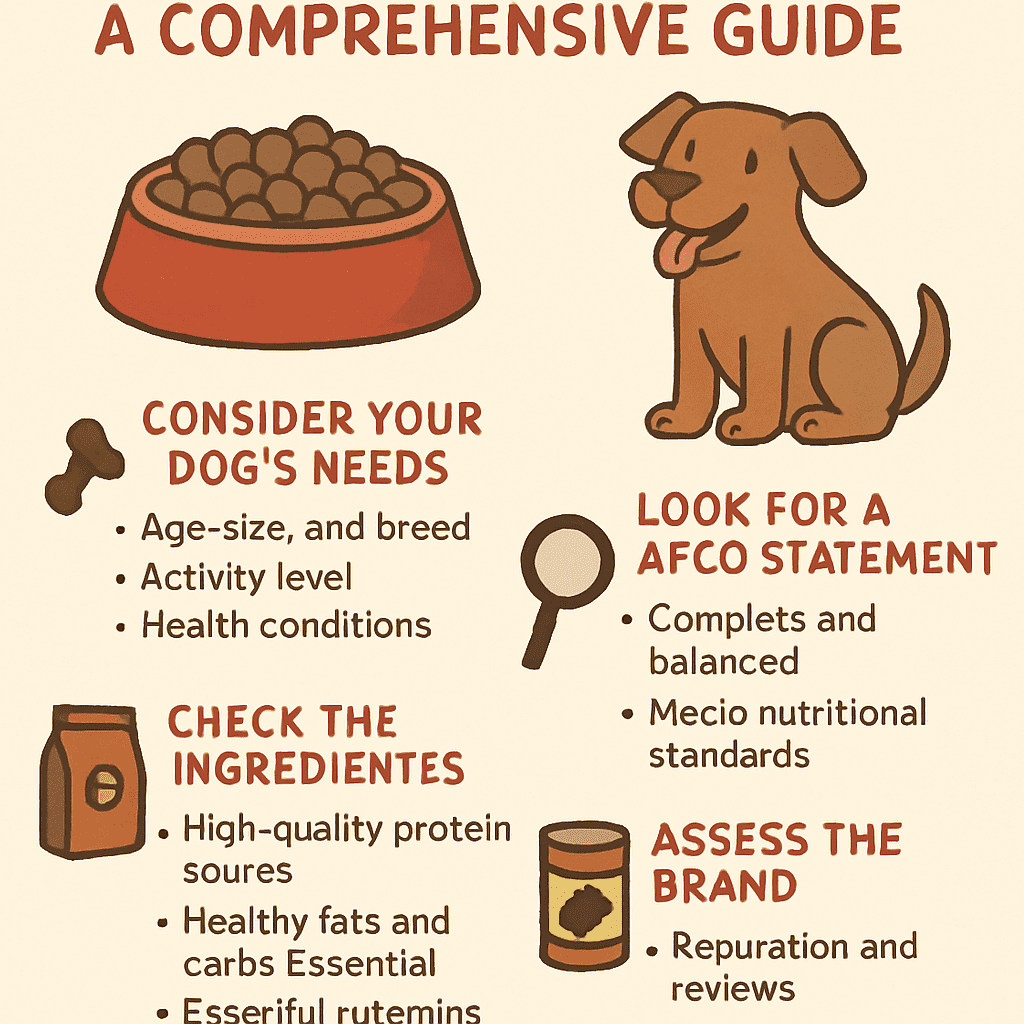
Labels reveal what is inside the food. Ingredients are listed by weight, from most to least. Look for named meat sources like “chicken” or “beef.”
Check for added vitamins and minerals. Avoid foods with too many fillers or artificial additives. Labels also show guaranteed analysis, including protein, fat, and fiber levels.
Quality Indicators To Look For
High-quality dog food uses real meat as the first ingredient. Whole grains and vegetables add fiber and nutrients. Avoid foods with by-products or vague terms like “meat meal.”
Look for brands that follow strict manufacturing standards. Certifications from pet food authorities signal safety and quality. Freshness and proper storage also impact food quality.
Credit: europeanpetfood.org
Supplements And Additives
Supplements and additives can help fill nutritional gaps in a dog’s diet. They support overall health and target specific needs. Not every dog requires supplements. Proper use can boost energy, skin health, and joint function.
When Supplements Are Needed
Some dogs need extra nutrients beyond their regular food. Puppies, senior dogs, and pregnant females often benefit from supplements. Dogs with health problems might need special additives. Poor quality diets or picky eaters may also require supplements. Always check with a vet before starting any new supplement.
Common Supplements For Dogs
Fish oil is popular for healthy skin and shiny coats. Glucosamine helps maintain strong joints and mobility. Probiotics support digestion and gut health. Vitamins like A, D, and E can fill dietary gaps. Protein powders sometimes boost energy and muscle growth.
Risks Of Over-supplementation
Too many supplements can harm a dog’s health. Overuse may cause stomach upset or toxicity. Excess vitamins can lead to serious issues like kidney damage. Some supplements interfere with medications. Always follow dosage advice from a vet to avoid risks.
Feeding Tips And Best Practices
Feeding your dog well supports their health and happiness. Good feeding habits help your dog get the right nutrients. They also keep their weight in check and avoid stomach troubles. Follow these tips for better feeding practices.
Meal Frequency And Portion Control
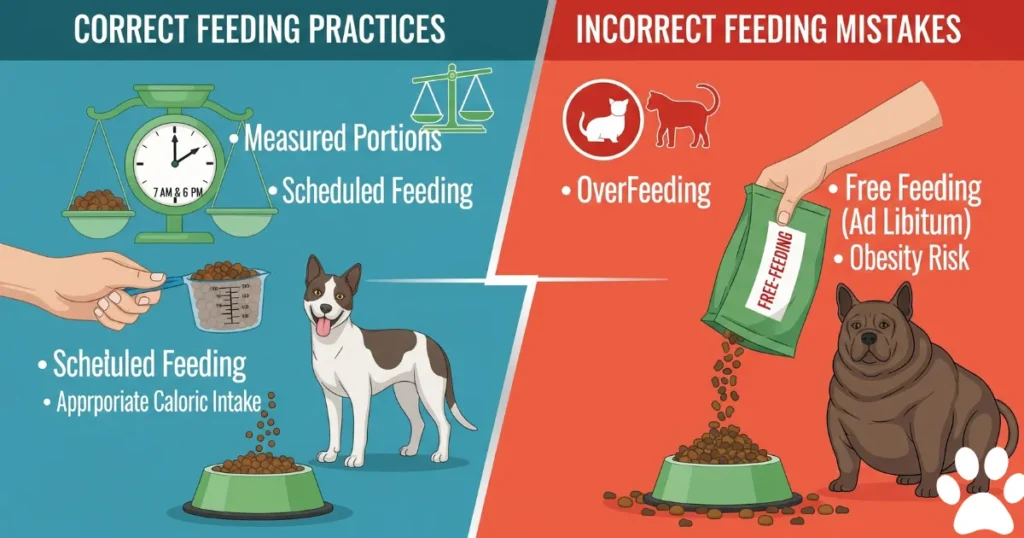
Feed your dog at regular times each day. Adult dogs usually eat twice daily. Puppies need three to four meals a day. Measure food portions carefully to avoid overfeeding. Use the feeding guide on the dog food package as a start. Adjust portions based on your dog’s age, size, and activity. Avoid free-feeding to prevent obesity and begging behavior.
Hydration Strategies
Fresh water must be available all day. Change water daily to keep it clean. Some dogs drink less, so watch for signs of thirst. Offer water after exercise and meals. Wet dog food can add hydration. Avoid giving sugary or flavored drinks to dogs.
Transitioning Between Foods
Switch dog food slowly over 7 to 10 days. Mix new food with the old food, increasing the new amount daily. This helps avoid upset stomach and diarrhea. Watch your dog for any allergies or reactions. Consult your vet if problems occur during food changes.
Credit: dogfoodsy.com
Frequently Asked Questions
What Are The Essential Nutrients For Dogs?
Dogs need proteins, fats, carbohydrates, vitamins, minerals, and water. Proteins support muscle growth. Fats provide energy. Carbs offer fiber. Vitamins and minerals boost health. Water is crucial for hydration and body functions.
How Much Protein Do Dogs Require Daily?
Dogs require about 18-25% protein in their diet. Puppies and active dogs need higher protein levels. Protein supports muscle repair and growth. Quality sources include meat, fish, and eggs. Balanced protein intake ensures optimal health and energy.
Why Are Fats Important In A Dog’s Diet?
Fats provide concentrated energy and support cell health. They aid in vitamin absorption and keep skin healthy. Omega-3 and Omega-6 fatty acids are vital. Fats also contribute to a shiny coat and brain function.
Can Dogs Digest Carbohydrates Effectively?
Yes, dogs can digest carbohydrates but need moderate amounts. Carbs provide fiber for digestion and energy. Whole grains and vegetables are good sources. Too many carbs can lead to weight gain and health issues.
Conclusion
Dogs need balanced food to stay healthy and strong. Proteins, fats, vitamins, and minerals all play key roles. Fresh water must be available every day. Feeding the right amount supports good energy and growth. Avoid giving harmful human foods or too many treats.
Watch your dog’s weight and health closely. Regular vet visits help catch problems early. Every dog is different; tailor their diet to their needs. Proper nutrition leads to a happy, active life for your dog. Simple care makes a big difference in their wellbeing.


