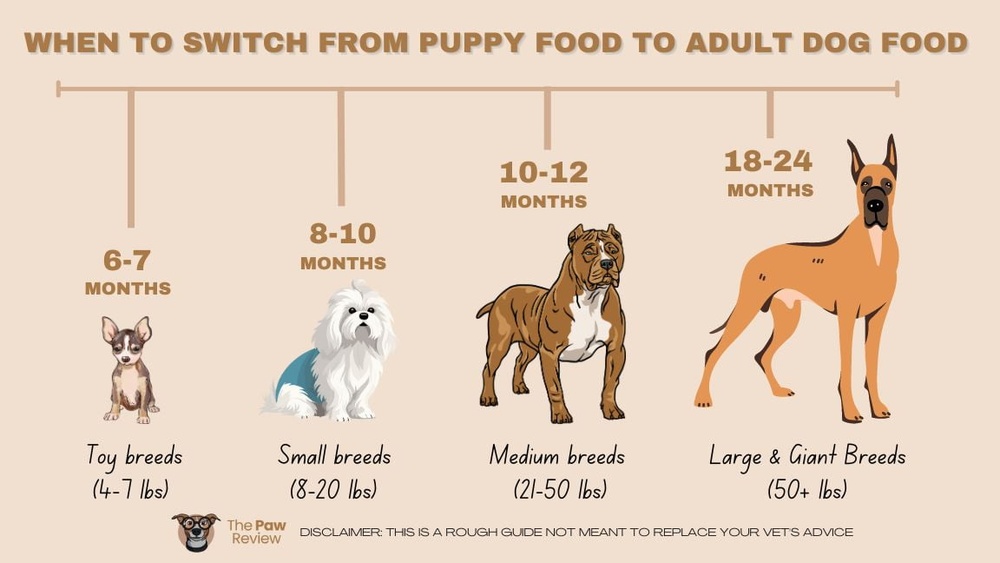
Have you ever wondered if your adult dog feels fuller after eating their food compared to when they were a puppy? Choosing the right food is more than just picking a bag off the shelf.
It directly affects your dog’s hunger, energy, and happiness. If you want to make sure your furry friend stays satisfied and healthy, understanding the difference between adult dog food and puppy food is key. Keep reading to discover what really fills your dog up and why it matters to you both.
Credit: www.purina.com
Differences Between Puppy And Adult Dog Food
Puppy food and adult dog food serve different purposes. Their ingredients and formulas vary. These differences help dogs grow well and stay healthy. Understanding these differences helps you choose the right food for your dog’s age.
Puppies need special nutrition to support fast growth. Adult dogs need balanced nutrition to maintain health and energy. The food for each stage meets these needs with varying nutrients and calories.
Nutritional Needs Of Puppies
Puppies grow quickly and need more protein and fat. These nutrients build muscles, bones, and organs. Puppy food has extra vitamins and minerals to support this growth. It also contains DHA for brain and eye development. Puppies require higher energy from food for their active lives.
Nutritional Needs Of Adult Dogs
Adult dogs need balanced nutrients to keep their bodies strong. Their growth slows, so they need less protein and fat. Adult dog food helps maintain healthy weight and muscle tone. It includes fiber to support digestion. Adult dogs need nutrients to keep their immune system strong.
Calorie Content Comparison
Puppy food usually has more calories per serving. This high calorie content supports rapid growth and energy needs. Adult dog food has fewer calories to prevent weight gain. Feeding adult dogs high-calorie puppy food can lead to obesity. Adult dog food keeps dogs full with balanced calories and nutrients.
Ingredients Influencing Fullness
The feeling of fullness in dogs depends on key ingredients in their food. Different nutrients affect how long a meal keeps a dog satisfied. Puppy food and adult dog food have different ingredient mixes. These differences influence how filling the food feels.
Protein Levels
Protein helps build muscles and repair tissues. It also takes longer to digest. High protein content can make dogs feel full for more time. Puppy food usually has more protein to support growth. Adult dog food may have less protein but enough for maintenance.
Fiber Content
Fiber adds bulk to the diet without many calories. It slows digestion, helping dogs feel full longer. Adult dog food often contains more fiber than puppy food. This helps prevent overeating and supports healthy digestion. Fiber is important for weight control and gut health.
Fat Composition
Fat provides energy and helps absorb vitamins. It also slows down stomach emptying. Some adult dog foods have balanced fat levels to keep dogs full. Puppy food may have higher fat to meet energy needs. The type and amount of fat affect how satisfied a dog feels.
How Dog Food Affects Satiety
Satiety means feeling full and satisfied after eating. Different dog foods impact satiety in various ways. Puppy food and adult dog food have different ingredients and nutrient levels. These differences change how long a dog feels full. Understanding satiety helps pet owners choose the right food for their dogs.
Satiety depends on digestion speed, portion size, and meal timing. These factors affect how often a dog feels hungry. Dog food designed for adults often aims to keep dogs full longer. Puppy food supports growth and energy needs but may not keep dogs full as long.
Digestive Rates
Puppy food usually digests faster than adult dog food. Puppies need quick energy to grow and play. Fast digestion means puppies feel hungry more often. Adult dog food often has more fiber and protein. These ingredients slow digestion and keep dogs full longer. Slower digestion helps control hunger between meals.
Portion Sizes
Portion size affects how full a dog feels after eating. Puppy food servings are smaller but denser in nutrients. Adult dog food portions tend to be larger with more volume. Larger portions can create a feeling of fullness. Proper portion control is important to avoid overfeeding. Balanced portions help maintain healthy weight and satiety.
Meal Frequency
Puppies eat more often than adult dogs. Frequent meals support their fast growth and energy needs. Adult dogs usually eat once or twice a day. Fewer meals can make satiety more important. Foods that keep dogs full longer reduce hunger between meals. Meal frequency and food type work together to manage hunger.
Credit: companionpethospital.com
Behavioral Factors Impacting Fullness
Behavioral factors play a key role in how full a dog feels after eating. These factors affect the dog’s appetite and digestion. Understanding these can help explain why adult dog food might seem more filling than puppy food. Let’s explore some important behaviors that impact fullness.
Eating Habits
Dogs develop unique eating habits as they grow. Puppies tend to eat quickly and often. They may not feel full right after eating. Adult dogs usually eat more slowly. This slower pace helps them feel full faster. Eating habits influence how much food a dog consumes and how full they feel afterward.
Activity Levels
Active dogs burn more calories. Puppies often have bursts of energy and play a lot. This high activity level means they need more food for energy. Adult dogs may be less active. Lower activity can make them feel full with less food. Activity affects a dog’s hunger and fullness signals.
Age-related Metabolism
Metabolism changes as dogs age. Puppies have fast metabolisms to support growth. They digest food quickly and need more frequent meals. Adult dogs have slower metabolisms. Food stays longer in their system, making them feel full longer. Age-related metabolism impacts how food satisfies a dog’s hunger.
Choosing The Right Food For Your Dog
Choosing the right food for your dog helps keep them healthy and happy. Dogs have different needs at different life stages. Puppy food and adult dog food serve different purposes. Picking the best option depends on your dog’s age, size, and health. Understanding these factors makes feeding easier and more effective.
Assessing Your Dog’s Needs
Age plays a big role in what food your dog needs. Puppies need more calories and nutrients for growth. Adult dogs require balanced meals to maintain energy. Size matters too. Small breeds often need more calorie-dense food. Large breeds may need food that supports joint health. Activity level also affects food choices. Active dogs burn more energy and need more fuel. Less active dogs need fewer calories to avoid weight gain.
Consulting A Veterinarian
A vet can help you choose the right food. They know your dog’s health and special needs. Vets suggest food based on weight, age, and health conditions. They can recommend brands or types suitable for your dog. Regular checkups help adjust diet as your dog ages. Always ask a vet before changing food types.
Transitioning Between Foods
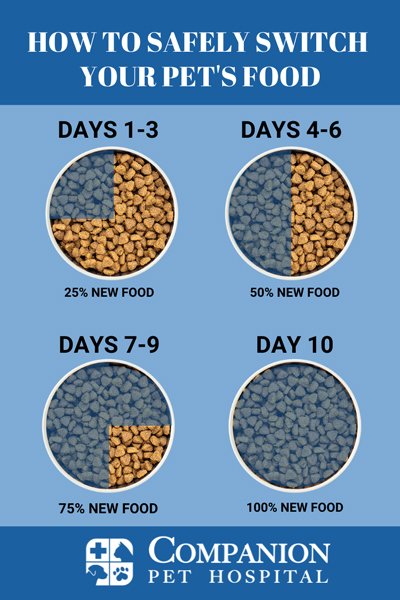
Switching dog food requires care. Sudden changes can upset your dog’s stomach. Mix new food with old food over several days. Gradually increase the new food amount each day. Watch for any signs of discomfort or allergies. This process helps your dog adjust smoothly to new food.
Credit: www.dogfoodadvisor.com
Frequently Asked Questions
Is Adult Dog Food More Filling Than Puppy Food?
Adult dog food is generally more calorie-dense and higher in fiber, making it more filling than puppy food. However, puppy food is richer in nutrients to support growth. Fillingness depends on ingredients and portion size rather than just the food type.
Can Adult Dog Food Meet A Puppy’s Nutritional Needs?
No, adult dog food lacks essential nutrients like DHA and higher protein levels required for puppy growth. Puppies need specially formulated food to support brain development, bone growth, and overall health.
How Does Calorie Content Differ Between Adult And Puppy Food?
Puppy food typically contains more calories per serving to fuel growth and energy needs. Adult dog food has balanced calories to maintain weight and prevent obesity in mature dogs.
Should I Switch My Puppy To Adult Food Early?
Switching too early can harm your puppy’s development. Wait until your dog reaches the recommended age, usually 12 months, before transitioning to adult food for optimal health.
Conclusion
Adult dog food often contains more fiber and protein than puppy food. This helps dogs feel full longer after eating. Puppy food focuses on growth, so it has more calories but less filling ingredients. Choosing the right food depends on your dog’s age and needs.
Feeding the right type keeps your dog healthy and happy. Always check the nutrition label to understand what’s inside. Your dog’s satisfaction and health come first in any diet choice. Simple and clear nutrition works best for every dog.