
You want the best for your dog, and that includes feeding them the right food at the right time. But when exactly should you switch your furry friend to adult dog food?
Making this change too early or too late can affect their health and energy. You’ll discover the simple signs to look for and the best time to make the switch. Keep reading to ensure your dog stays happy, healthy, and full of life.
Puppy Growth Stages
Puppy growth happens in clear stages. Each stage needs different care and food. Knowing these stages helps you decide when to change your puppy’s diet. This guide explains the main stages of puppy growth and what to expect.
Newborn To Weaning
Newborn puppies rely only on their mother’s milk. This milk gives all the nutrients they need. During these weeks, puppies sleep and nurse a lot. Their eyes and ears open gradually. They start to crawl and explore slowly.
Transition To Solid Food
At about 3 to 4 weeks, puppies begin to try solid food. This stage is called weaning. Start with soft, easy-to-digest puppy food. Mix it with water or puppy formula for smooth texture. Gradually reduce milk as solid food increases. This helps their stomach adjust to new food types.
Key Growth Milestones
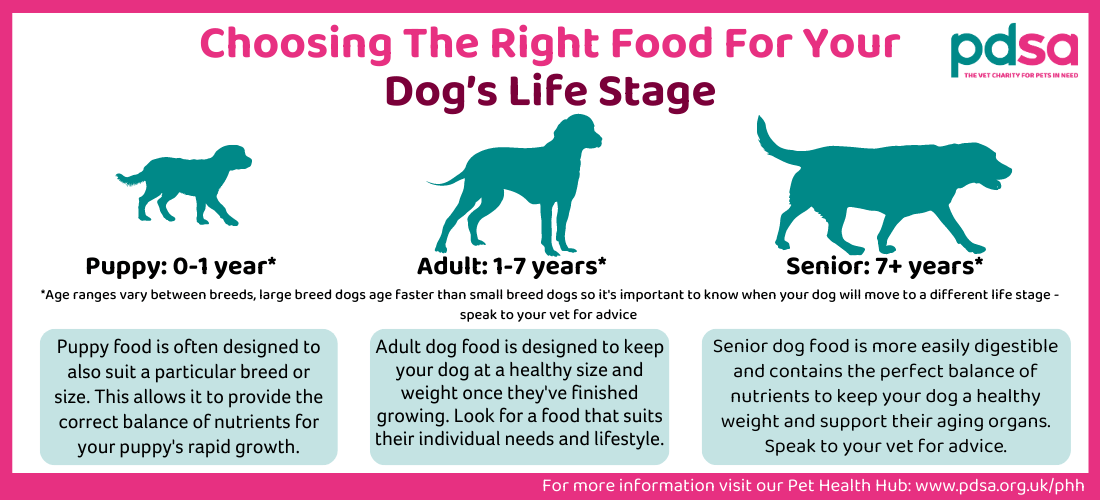
Puppies grow fast during their first months. Teeth begin to come in around 3 weeks. They start playing and socializing more at 6 weeks. By 8 weeks, puppies usually eat solid food fully. Most puppies reach adult size between 9 to 12 months. Growth rate varies by breed and size.
Credit: www.pdsa.org.uk
Signs Your Dog Is Ready
Knowing when to switch your dog to adult food is important for their health. Puppies grow fast, but their needs change as they age. Watch for clear signs that your dog is ready for adult food. These signs help you make the right choice for their diet.
Dental Development
Puppies lose baby teeth between 3 and 6 months old. Their adult teeth start coming in after this. Strong, full adult teeth show your dog can chew harder food. This helps them handle adult kibble without trouble. Check your dog’s mouth to see if teeth look healthy and fully grown.
Weight And Size Indicators
Adult food fits dogs that reach a certain size and weight. Small breeds mature faster, often by 9 to 12 months. Larger breeds need more time, sometimes up to 18 months. When your dog stops growing taller and heavier, it’s a good sign. Their body shape looks more like an adult dog’s.
Behavioral Changes
Puppies become calmer as they grow older. They may lose some of their puppy energy and chewing habits. Your dog might also start eating less often but larger meals. These changes suggest their metabolism is slowing down. This means adult food, which is less calorie-dense, will suit them better.
Choosing The Right Adult Food
Choosing the right adult food is key for your dog’s health. Adult dogs need balanced meals that support their energy and body needs. The right food keeps their coat shiny, helps digestion, and maintains strong muscles. Picking the best food means knowing what nutrients matter and avoiding common errors.
Nutritional Needs
Adult dogs need protein to keep muscles strong. Fat provides energy and supports skin health. Carbohydrates give fuel for daily activities. Vitamins and minerals help the body work well. Calcium and phosphorus keep bones healthy. Water is also very important for all body functions.
Types Of Adult Dog Food
Dry kibble is popular because it is easy to store and feed. Wet food has more moisture and can be tastier for dogs. Raw diets offer natural nutrition but need careful handling. Some foods are made for specific dog sizes or health needs. Choose food that fits your dog’s breed, size, and activity.
Avoiding Common Mistakes
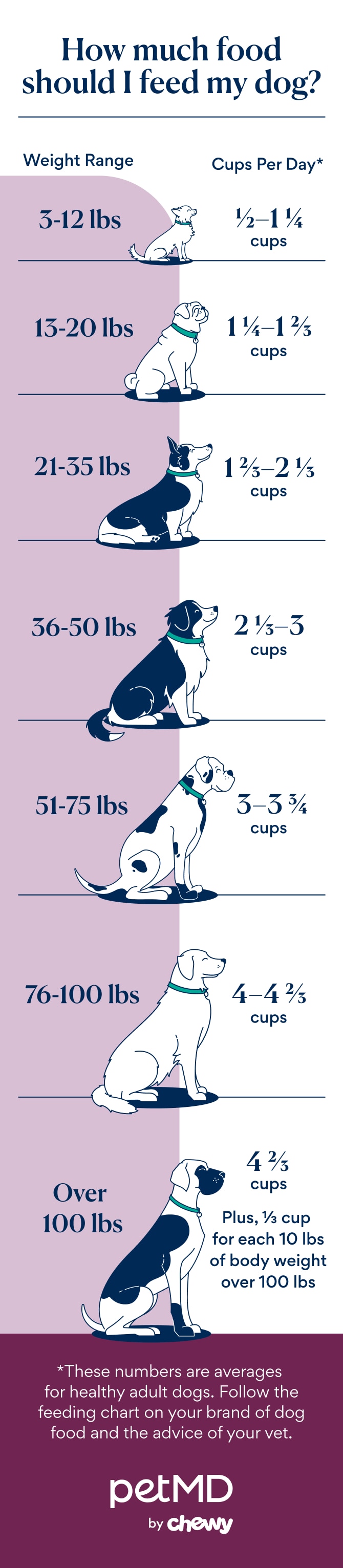
Don’t switch foods suddenly; change slowly over a week. Avoid foods with too many fillers like corn or wheat. Don’t feed your dog human food that can be harmful. Watch portion sizes to prevent weight gain or loss. Always check the food label for quality ingredients and balanced nutrition.
Credit: www.petmd.com
How To Switch Foods Safely
Switching your dog to adult food requires care. A sudden change may upset their stomach. Follow safe steps to help your dog adjust smoothly. Watch their health during the change.
Gradual Transition Steps
Start by mixing 25% adult food with 75% puppy food. Keep this mix for three days. Next, mix 50% adult food and 50% puppy food for another three days. Then, change to 75% adult food and 25% puppy food. After a final three days, feed only adult food. This slow change helps your dog’s body adjust without stress.
Monitoring Digestive Health
Check your dog’s stool daily. Look for soft or runny stools. Watch for vomiting or signs of stomach pain. Loss of appetite can signal a problem. If your dog eats well and stools look normal, the change is going well. Keep water fresh and available at all times.
When To Consult A Vet
Contact your vet if your dog has diarrhea for more than two days. Vomiting that lasts a day or more needs attention. If your dog becomes very weak or stops eating, call the vet. Sudden behavior changes also require a vet’s advice. Early help can prevent bigger health issues.
Special Considerations By Breed And Size
Choosing the right time to switch your dog to adult food depends on their breed and size. Different dogs grow at different rates. Their nutritional needs change as they grow. Paying attention to these differences helps keep your dog healthy and happy.
Small Breeds
Small breed dogs mature faster than large breeds. They often switch to adult food around 9 to 12 months. Small dogs have fast metabolisms and need nutrient-rich diets. Adult food for small breeds supports their energy and keeps their teeth healthy.
Large Breeds
Large breeds grow slower and take longer to mature. They may need puppy food until 12 to 18 months old. Large breed puppy food has less calcium to protect their growing joints. Switching too early can cause health issues like bone problems.
Mixed Breeds
Mixed breeds vary greatly in size and growth rates. Watch their behavior and weight to decide the right time. A vet can help determine when to change their diet. Pay attention to their energy and body condition during the transition.
Credit: www.ralphs.com
Common Questions About Timing
Many pet owners wonder about the right time to switch their dog from puppy food to adult food. Timing affects your dog’s growth, health, and digestion. This section answers common questions about the best moment to make the change.
Early Switching Risks
Changing to adult food too soon can cause health problems. Puppies need extra nutrients for growth. Adult food may lack these essential nutrients. This can lead to poor bone development and weaker immunity. Early switching can also upset their stomachs and cause diarrhea. It is best to wait until your dog’s growth slows down.
Late Switching Consequences
Delaying the switch to adult food can cause weight gain. Puppy food has more calories and fat than adult food. Older dogs eating puppy food may become overweight. This puts stress on joints and organs. It can also cause digestive issues. Switching too late might slow down their metabolism and energy levels.
Adjusting For Senior Dogs
Senior dogs have different nutritional needs than adults. They need fewer calories but more fiber. Their food should support joint health and digestion. Switching to senior dog food helps meet these needs. Timing depends on your dog’s breed and health. Consult your vet to find the right time for this change.
Frequently Asked Questions
When Is The Best Age To Switch Dogs To Adult Food?
Most dogs transition to adult food around 12 months old. Large breeds may need adult food after 18 months. Always consult your vet for personalized advice based on your dog’s breed and growth rate.
How To Know If My Dog Is Ready For Adult Food?
Signs include slower growth, changes in activity level, and dental development. If your puppy reaches about 80% of its adult size, it’s often time to switch to adult food.
Can Switching To Adult Food Too Early Harm My Dog?
Yes, switching too early can cause nutritional imbalances. Puppies need higher calories and nutrients for growth. Follow vet guidance to ensure a safe transition to adult food.
What Differences Exist Between Puppy And Adult Dog Food?
Puppy food has more protein, fat, and calories for growth. Adult food focuses on maintenance and balanced nutrition. Feeding the right type supports health and energy at each life stage.
Conclusion
Feeding your dog adult food at the right time is very important. Most dogs switch around one year old, but size matters too. Large breeds may need more time on puppy food. Watch your dog’s growth and energy for clues.
Always choose good quality food made for adults. Changing food slowly helps avoid stomach issues. A healthy diet keeps your dog happy and strong. Remember, each dog is different. Ask your vet if unsure about the best time to switch food.
Your dog will thank you with a wagging tail!


