

Are you wondering if feeding your puppy adult dog food could harm them? It’s a question many dog owners ask but few understand fully.
What if the food you think is safe is actually making your puppy sick? Your puppy’s health depends on the right nutrition, and even small mistakes can cause big problems. Keep reading to discover the truth about adult dog food and why choosing the right diet for your growing pup matters more than you think.
Differences Between Puppy And Adult Dog Food
Puppies and adult dogs have different needs. Their food must support their growth and health. Puppy food is made to help them grow strong bones and muscles. Adult dog food keeps dogs healthy but does not focus on growth. Feeding the wrong food can cause health problems for puppies.
Understanding the differences helps you choose the right food. This protects your puppy’s health and supports their development.
Nutritional Needs Of Puppies
Puppies need more protein than adult dogs. Protein helps build muscles and tissues. They also need extra fat for energy. Their small bodies use energy fast. Puppies require more vitamins and minerals, like calcium and phosphorus. These support healthy bone growth. Without enough nutrients, puppies can become weak or sick.
Key Ingredients In Adult Dog Food
Adult dog food contains less protein and fat. It focuses on maintaining weight and health. The ingredients support steady energy and digestion. Adult food has fewer calories to prevent weight gain. It also includes ingredients that help keep the immune system strong. These foods suit dogs that are fully grown and less active.
Why Formulations Vary
Puppies grow fast and need special care. Their food must be rich and balanced. Adult dogs need fewer calories but good nutrition. Different life stages require different food formulas. This is why puppy and adult foods are not the same. Feeding adult food to puppies can miss their needs. It can slow growth or cause illness. Proper food helps dogs live long and healthy lives.
Potential Risks Of Feeding Puppies Adult Dog Food
Puppies need special food to grow healthy and strong. Adult dog food is made for dogs that have stopped growing. Feeding adult dog food to puppies can cause health problems. It may lack important nutrients puppies need. It can also upset their stomachs. Over time, the wrong diet can harm their growth and health. Understanding these risks helps keep puppies safe and healthy.
Nutrient Deficiencies
Puppies need more protein, fat, and vitamins than adult dogs. Adult dog food usually has lower levels of these nutrients. This can cause puppies to miss essential nutrients. Missing nutrients can slow down their growth. It can also weaken their bones and muscles. Nutrient deficiencies make puppies tired and less playful.
Digestive Issues
Puppies have sensitive stomachs. Adult dog food can be hard for them to digest. It may cause diarrhea, vomiting, or stomach pain. Digestive problems can make puppies uncomfortable and weak. Proper puppy food supports good digestion and nutrient absorption.
Long-term Health Effects
Feeding puppies adult dog food may lead to long-term problems. Poor nutrition can cause weak bones and joints. It may also affect their immune system. This makes puppies more likely to get sick. Feeding the right food helps puppies grow into strong adults.
Signs A Puppy Is Unwell From Adult Dog Food
Puppies need special food to grow strong and healthy. Adult dog food can upset their stomachs and cause problems. Knowing the signs that a puppy is unwell from adult dog food helps you act quickly. Watch for changes in behavior and physical symptoms. Early care can prevent serious illness.
Behavioral Changes
Puppies may become less active than usual. They might seem tired or weak. Some puppies lose interest in playing or eating. Whining or restlessness can show discomfort. Sudden mood changes may also occur. These signs suggest your puppy is not feeling well.
Physical Symptoms
Look for vomiting or diarrhea. These are common signs of digestive upset. Your puppy’s stool may become loose or watery. A swollen belly can mean stomach pain. Some puppies may cough or have trouble breathing. Pale gums or excessive drooling also signal problems.
When To Consult A Veterinarian
Seek help if symptoms last more than 24 hours. Immediate care is needed for severe vomiting or diarrhea. If your puppy stops eating or drinking, call a vet. Difficulty breathing or collapse requires urgent attention. Early treatment helps puppies recover faster.
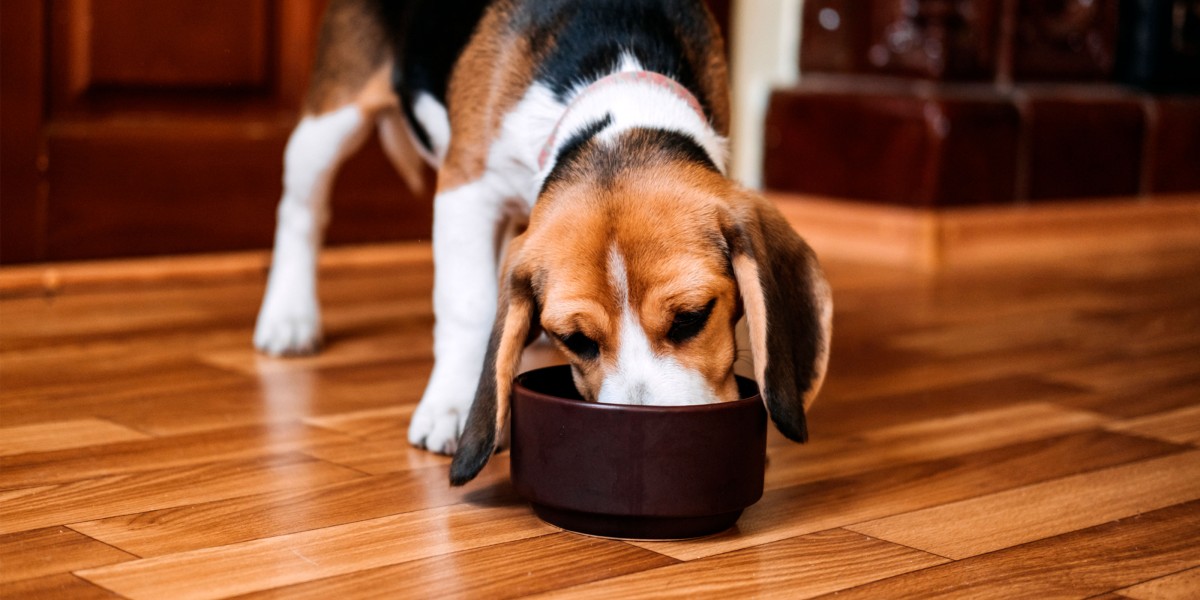
Credit: www.purina.com
Safe Feeding Practices For Puppies
Feeding puppies safely is important for their growth and health. Puppies have different needs than adult dogs. Their food must support strong bones, muscles, and a good immune system. Giving the right food in the right way helps avoid stomach problems and sickness.
Understanding safe feeding practices keeps your puppy happy and healthy. This includes choosing the right food, switching foods carefully, and managing portions and meal times. Follow these steps to give your puppy the best start.
Choosing The Right Puppy Food
Puppy food contains extra nutrients for growth. It has more protein, fat, and vitamins than adult dog food. Choose food labeled for puppies or all life stages. Check ingredients for quality meat and avoid fillers. Proper nutrition supports brain and body development.
Transitioning Between Foods
Switching foods too fast can upset a puppy’s stomach. Change gradually over 7 to 10 days. Mix small amounts of new food with old food. Slowly increase new food and decrease old food. Watch for any signs of diarrhea or vomiting.
Portion Control And Feeding Frequency
Puppies need smaller, more frequent meals than adult dogs. Feed them 3 to 4 times a day. Follow the feeding guide on the food package. Adjust portions based on your puppy’s weight and activity. Avoid overfeeding to prevent obesity and digestive issues.
Myths About Puppy And Adult Dog Food
Many dog owners worry about feeding puppies adult dog food. Some think it can harm their young pets. This section clears up myths about puppy and adult dog food. It explains what is true and what is not.
Common Misconceptions
Some believe adult dog food lacks nutrients for puppies. Others say it can cause digestive problems. Many think puppies will not grow properly on adult food. These ideas are common but not always correct. Adult dog food is often less rich in calories and nutrients. Puppies need more energy and vitamins for growth. Feeding only adult food may slow their development. Yet, it does not always make them sick immediately.
Expert Opinions
Veterinarians advise feeding puppies food made for their age. Puppy food supports strong bones, muscles, and brain growth. Experts warn that adult dog food may miss key nutrients. It might also have less fat and protein. These are important for puppies’ fast growth. Some vets say a short time on adult food may not harm puppies. But long-term use can cause health issues. Always check with a vet before changing your puppy’s diet.
Real-life Experiences
Many dog owners share stories about feeding adult food to puppies. Some report no problems at first. Others notice puppies with less energy or slower growth. Some puppies develop stomach upset or diarrhea. Many owners switch back to puppy food quickly. They see better health and growth afterward. Real experiences show adult dog food is not ideal for puppies. Puppies need food made just for their needs.
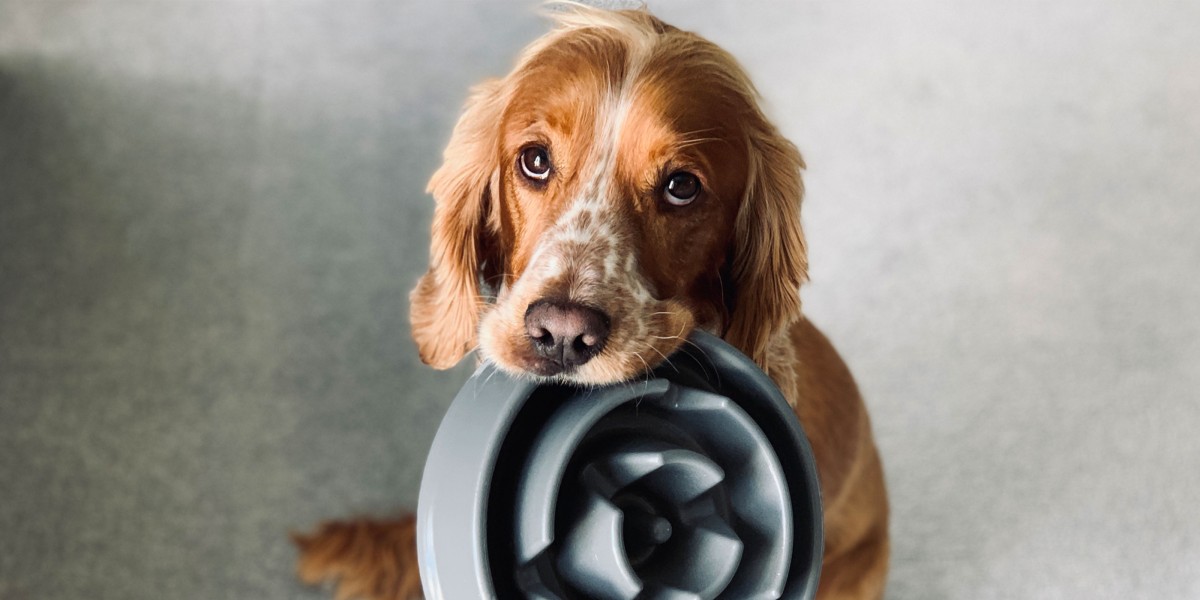
Credit: www.purina.com
How To Handle Feeding Mistakes
Feeding mistakes can happen easily, especially with a new puppy. Giving adult dog food by accident might cause stomach upset or other problems. Knowing how to handle these mistakes quickly helps keep your puppy safe and healthy. Act fast and stay calm to support your puppy’s recovery. Here are key steps to take if you feed your puppy adult dog food.
Immediate Steps To Take
Stop feeding the adult dog food right away. Offer fresh water to keep your puppy hydrated. Avoid giving treats or other foods for a few hours. Watch for signs like vomiting, diarrhea, or lethargy. Call your vet if symptoms get worse or do not improve. Keep the puppy in a quiet and comfortable space.
Monitoring Recovery
Check your puppy’s behavior and appetite daily. Note any changes in energy or bathroom habits. Gradually reintroduce the correct puppy food after 12 to 24 hours. Feed small, frequent meals to avoid stomach upset. Keep a close eye on your puppy for at least two days. Contact your vet if problems continue or new symptoms appear.
Preventing Future Issues
Store adult and puppy foods separately to avoid confusion. Label containers clearly with feeding instructions. Create a feeding schedule to maintain consistency. Educate all family members about your puppy’s diet needs. Regularly check the food bag to confirm it is correct. These habits help protect your puppy from feeding mistakes.
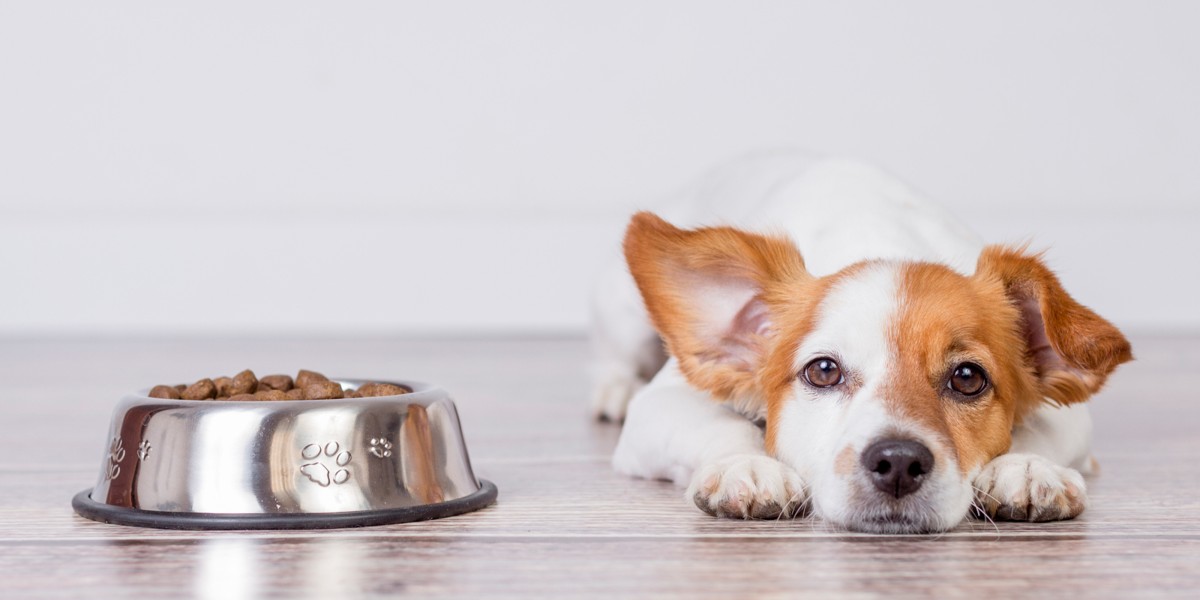
Credit: www.purina.com
Frequently Asked Questions
Can Adult Dog Food Harm A Puppy’s Health?
Yes, adult dog food can harm puppies. It lacks essential nutrients like DHA and higher protein needed for growth. Feeding adult food may cause digestive upset and nutrient deficiencies in puppies, affecting their development and immune system.
Why Is Puppy Food Different From Adult Dog Food?
Puppy food contains higher protein, fat, and calories. It supports rapid growth, brain development, and immune health. Adult dog food has lower nutrient levels suitable for maintenance, not growth. Feeding adult food to puppies can lead to nutritional imbalances.
How Long Should Puppies Eat Puppy Food?
Puppies should eat puppy food until about 12 months old. This ensures they get adequate nutrients for proper growth and development. After one year, they can transition gradually to adult dog food for maintenance.
What Symptoms Show If A Puppy Eats Adult Dog Food?
Puppies eating adult dog food may show vomiting, diarrhea, and lack of energy. Poor coat condition, slow growth, and weak immune response can also occur. These signs indicate nutrient deficiencies or digestive issues from inappropriate food.
Conclusion
Feeding adult dog food to puppies can cause health problems. Puppies need special nutrients to grow strong and healthy. Adult food lacks these important nutrients. It may lead to upset stomach, poor growth, or nutrient deficiencies. Choosing the right puppy food supports their development and energy needs.
Always check with a vet before changing your puppy’s diet. Healthy food helps puppies thrive and stay happy. Keep their meals balanced and suitable for their age. Good nutrition today means a healthier dog tomorrow.


