

Choosing the right food for your dog can be confusing, especially when you see labels like “small breed” and “adult dog food.” You want the best for your furry friend, but do you know what really sets these foods apart?
Understanding the difference can make a big impact on your dog’s health and happiness. Keep reading to discover how the right choice supports your dog’s energy, digestion, and overall well-being. This simple knowledge could change the way you feed your pet forever.
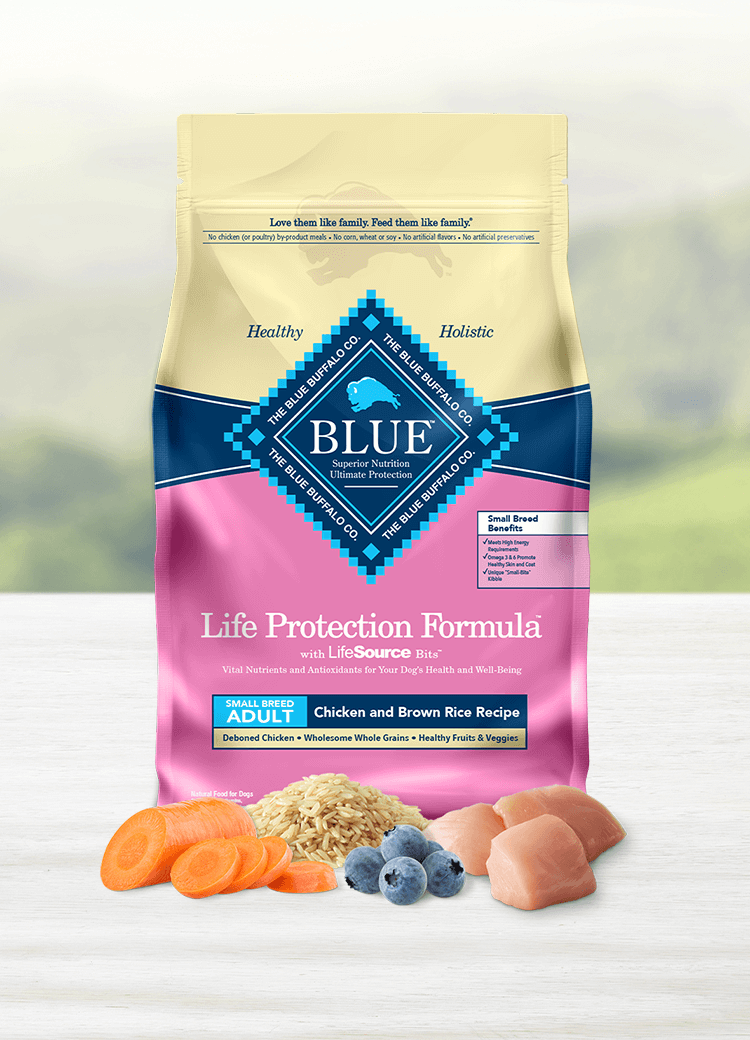
Credit: www.bluebuffalo.com
Nutritional Needs
Dogs have different nutritional needs based on their size and age. Small breed dogs and adult dogs require foods tailored to their unique health needs. Their diets support energy, growth, and overall well-being. Understanding these needs helps pet owners choose the best food for their dogs.
Calorie Requirements
Small breed dogs burn calories faster than larger adult dogs. Their metabolism is quicker, so they need more calories per pound of body weight. Adult dogs require fewer calories to maintain their weight. Feeding the right calorie amount helps prevent weight problems.
Protein Levels
Protein helps build and repair muscles. Small breed dog food often has higher protein to support their active lifestyle. Adult dog food has moderate protein levels to maintain muscle without overloading the body. Proper protein keeps dogs strong and healthy.
Vitamin And Mineral Content
Vitamins and minerals are vital for body functions. Small breed foods include nutrients that support fast growth and energy. Adult dog foods focus on maintaining health and preventing diseases. Balanced vitamins and minerals keep dogs lively and fit.
Kibble Size And Texture
Kibble size and texture play a key role in dog food. Dogs of different sizes have different chewing abilities. Small breeds need kibble that fits their smaller mouths. Adult dogs, often larger, require a different kibble shape and size. Texture also matters. It affects how easily a dog can eat and digest the food. Proper kibble design helps keep teeth clean and supports healthy digestion.
Small Breed Kibble Design
Small breed kibble is smaller and lighter. It fits well in tiny mouths and teeth. The size helps dogs chew properly without choking. Texture is usually softer or crunchy but easy to break. This helps with digestion and prevents discomfort. Small breed kibble often includes shapes that encourage chewing. It supports dental health by reducing plaque buildup.
Adult Dog Kibble Features
Adult dog kibble is larger and tougher. It matches stronger jaws and bigger teeth. The texture is firmer to promote chewing and oral health. Larger kibble pieces slow down eating speed. This reduces the risk of gulping and choking. Adult kibble may have unique shapes to clean teeth. It also supports good digestion and nutrient absorption.
Digestive Considerations
Digestive health plays a key role in feeding dogs of different sizes and ages. Small breed dogs and adult dogs have unique digestive needs. Their food must support these differences to keep them healthy.
Understanding these digestive considerations helps pet owners choose the right food. It also improves nutrient absorption and overall well-being.
Metabolism Differences
Small breed dogs have faster metabolisms than adult dogs. They burn energy quickly and need frequent meals. Their food should be rich in calories and nutrients.
Adult dogs have slower metabolisms. They require balanced meals with moderate calories. Overfeeding can lead to weight gain and health issues.
Digestive Enzymes
Small breed dogs produce enzymes that work quickly to digest food. Their enzymes help break down nutrients fast to meet energy needs.
Adult dogs may have fewer digestive enzymes. Their food should be easy to digest and gentle on the stomach. This helps prevent digestive upset and supports nutrient absorption.
Common Ingredients
Dog food ingredients vary by the dog’s size and life stage. Small breed dogs need specific nutrients to support their fast metabolism and energy needs. Adult dogs have different nutritional demands for maintenance and health. Understanding these ingredients helps choose the right food for your pet.
Small Breed Formulas
Small breed dog food contains higher protein levels for muscle support. It also has more fat to provide energy for active little dogs. Smaller kibble size matches their small mouths and teeth. Ingredients often include chicken, fish, and rice for easy digestion. Added vitamins and minerals boost immune health and skin condition.
Adult Dog Formulas
Adult dog food focuses on balanced nutrition for steady energy. It contains moderate protein to maintain muscle without excess. Fiber is included to aid digestion and healthy weight. Common ingredients include beef, barley, and vegetables. Antioxidants support the immune system and overall wellness.
Feeding Frequency
Feeding frequency is a key factor in keeping dogs healthy and happy. Different types of dog food require different feeding schedules. Small breed dogs and adult dogs have distinct needs. Their metabolism and energy use vary greatly. This affects how often they should eat.
Small Breed Feeding Schedule
Small breed dogs have fast metabolisms. They burn energy quickly throughout the day. Feeding them more often helps maintain their energy levels. Most small breeds benefit from three to four meals daily. Smaller, frequent meals prevent low blood sugar. This feeding pattern supports their active lifestyle.
Adult Dog Feeding Schedule
Adult dogs generally have slower metabolisms than small breeds. They digest food more steadily. Feeding two meals a day is usually enough. This schedule keeps their weight stable. It also helps avoid digestive issues. Regular, balanced meals match their energy use well.
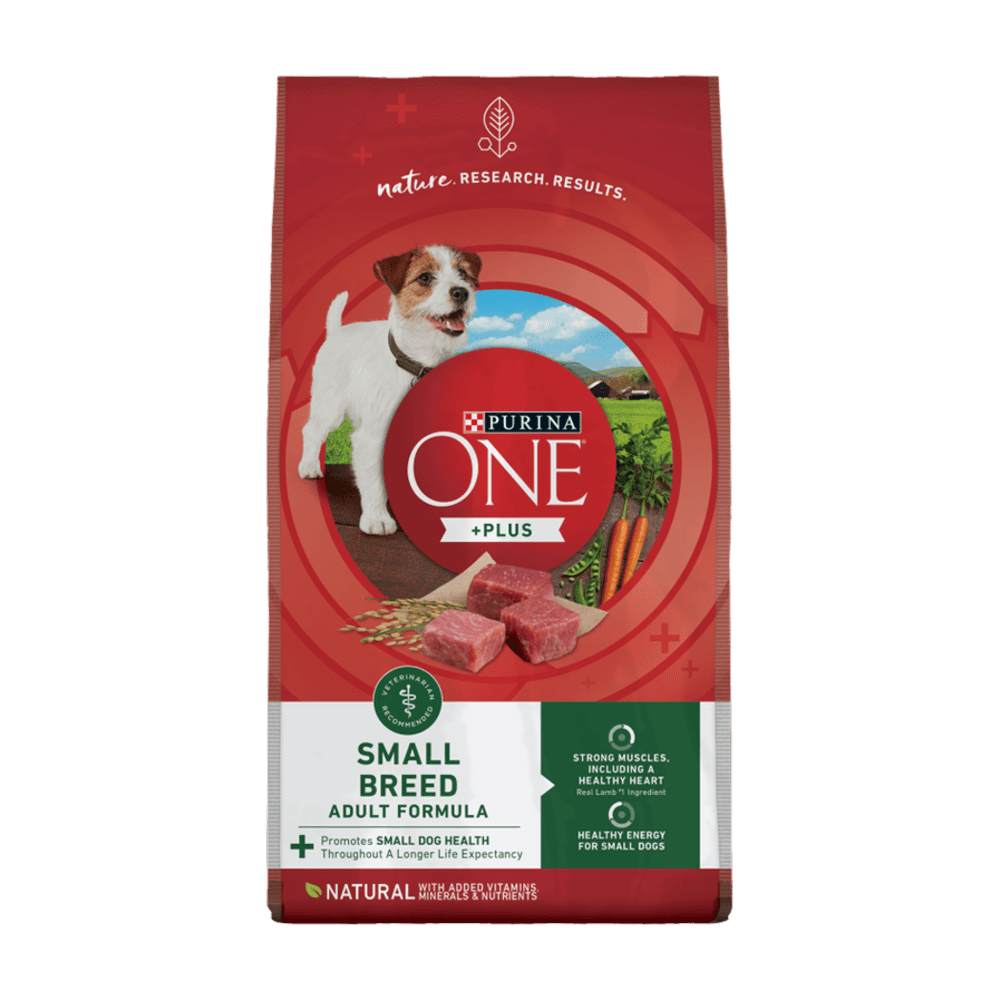
Credit: www.purina.com
Health Benefits
Choosing the right food for your dog affects their health greatly. Small breed and adult dog foods have different benefits. These benefits support your dog’s well-being in specific ways.
Weight Management
Small breed dog food has more calories in smaller portions. This helps small dogs get enough energy without overeating. Adult dog food has balanced calories to keep dogs fit. Proper food helps prevent weight problems and related diseases.
Dental Health
Small breed dog food often includes ingredients that clean teeth. Smaller kibble size helps reduce plaque and tartar buildup. Adult dog food supports strong teeth and gums with minerals. Healthy teeth prevent pain and costly vet visits.
Energy Levels
Small breed dogs need more energy per pound due to fast metabolism. Their food contains nutrients to keep them active and alert. Adult dog food supports steady energy for normal daily activities. Good energy helps dogs enjoy life and stay happy.
Choosing The Right Food
Choosing the right food for your dog is very important. Dogs have different needs based on their size and age. Feeding the right food helps them stay healthy and active. The wrong food can cause problems like weight gain or lack of energy. Understanding these needs makes feeding easier and better for your dog’s health.
Small breed dogs and adult dogs have different nutritional needs. Knowing these differences guides you to pick the best food. This keeps your dog happy and strong every day.
Age And Size Factors
Small breed dogs need more calories in less food. Their fast metabolism burns energy quickly. Adult dogs usually need fewer calories but more fiber. Puppies and young dogs require extra nutrients to grow well. Senior dogs need food that supports joint and bone health. Size changes how much and what type of food suits your dog.
Consulting A Veterinarian
Veterinarians know the best diet for your dog’s health. They consider age, size, and any health problems. A vet can recommend special food or supplements. This advice helps avoid common feeding mistakes. Always ask your vet before changing your dog’s diet.
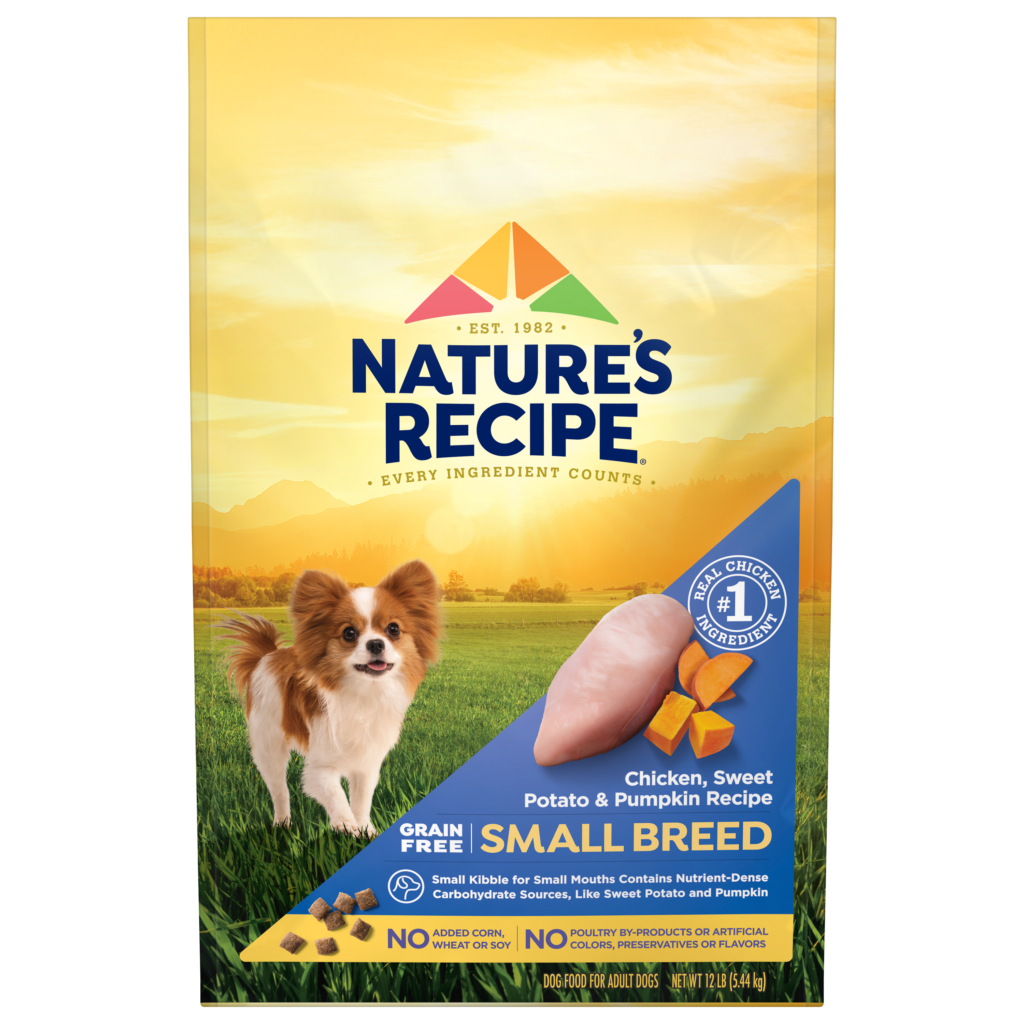
Credit: www.naturesrecipe.com
Frequently Asked Questions
What Is The Main Difference Between Small Breed And Adult Dog Food?
Small breed dog food is formulated with higher calories and smaller kibble size. Adult dog food suits medium to large breeds with balanced nutrients for maintenance.
Why Do Small Breeds Need Special Dog Food?
Small breeds have faster metabolisms and higher energy needs. Their food is nutrient-dense and easier to chew to support their active lifestyle.
Can Adult Dog Food Be Given To Small Breed Dogs?
Adult dog food may lack the calorie density and nutrients small breeds require. Feeding small breeds adult food might lead to nutritional deficiencies.
How Does Kibble Size Vary Between Small Breed And Adult Dog Food?
Small breed dog food features smaller kibble for easy chewing and digestion. Adult dog food kibble is larger, matching the jaw size of bigger dogs.
Conclusion
Choosing the right food matters for your dog’s health. Small breed dogs need more energy in smaller bites. Adult dogs require balanced nutrients for maintenance and strength. Feeding the correct food supports their growth and wellbeing. Always check labels to match your dog’s size and age.
Healthy food means a happy, active pet. Careful choices help your dog live longer and feel better. Understanding these differences makes feeding easier and safer. Your dog will thank you with wagging tails and bright eyes.


