

Are you wondering when it’s time to switch your furry friend from puppy food to adult dog food? Choosing the right moment can make a big difference in your dog’s health and happiness.
Feeding your dog the right food at the right age helps them grow strong, stay energetic, and avoid health problems. But how do you know exactly when to make this change? Keep reading to discover the simple signs and expert tips that will guide you to the perfect timing for your dog’s diet upgrade.
Your dog deserves the best—let’s make sure you’re giving it to them.

Credit: www.help.sc.ug
Puppy Nutrition Basics
Feeding a puppy the right food is key for healthy growth. Puppies need special nutrition to build strong bones and muscles. Their diet supports energy, brain development, and overall health. Choosing the right food helps your puppy grow into a strong adult dog.
Understanding puppy nutrition basics makes feeding easier. It helps you decide when to switch to adult dog food. Knowing what your puppy needs keeps them happy and healthy.
Growth Stages And Dietary Needs
Puppies grow fast in the first year. Their needs change as they grow. Young puppies need more calories and protein than adult dogs. This supports their rapid development.
Small breeds grow quickly and need frequent meals. Large breeds grow slower but need balanced nutrition to avoid health issues. Feeding the right amount at each stage prevents obesity and nutrient gaps.
Puppy Food Ingredients
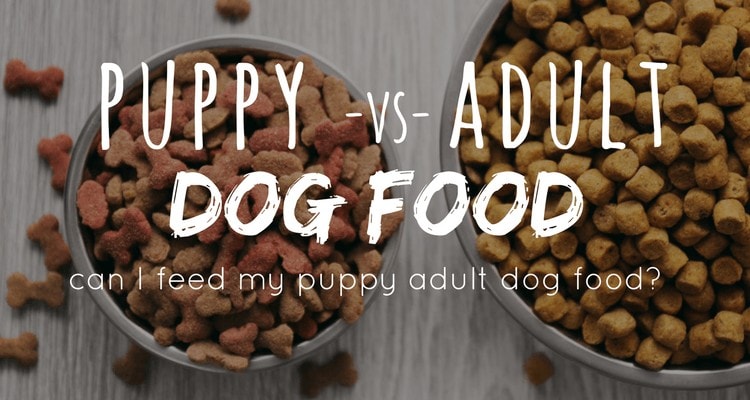
Puppy food should contain high protein from meat or fish. Protein helps build muscles and repair tissues. Healthy fats provide energy and support brain growth.
Vitamins and minerals like calcium and phosphorus strengthen bones and teeth. DHA is an important fatty acid for brain and eye health. Avoid foods with fillers like corn or artificial additives. Quality ingredients mean better health for your puppy.
Credit: www.scala-santa.com
Signs Your Dog Is Ready For Adult Food
Knowing the right time to switch your dog to adult food is important. Dogs grow fast, and their diet should match their stage of life. Signs that your dog is ready for adult food help you make this change safely. Watch your dog’s body and behavior closely. These clues tell you when to move from puppy food to adult meals.
Physical Development Indicators
Your dog’s body shows clear signs it is growing up. Look for changes in size and weight. Puppies usually reach their full height between 9 and 12 months. Their bones and muscles become stronger and more defined. Teeth also change; adult teeth fully replace puppy teeth by six months. Coat texture becomes thicker and less fluffy. These physical signs mean your dog needs adult food to support new growth needs.
Behavioral Changes
Behavior shifts can also show readiness for adult food. Puppies tend to have high energy and constant hunger. As they mature, their activity levels may calm down. They eat less frequently and show more self-control around food. Adult dogs often have steadier eating habits and less chewing on everything. These behavioral changes match the nutritional needs of adult dogs better than puppy food.
Age Recommendations By Breed Size
Choosing the right time to switch your dog to adult food depends on their breed size. Dogs grow at different rates. Their nutritional needs change as they get older. Knowing when to change their diet helps keep them healthy and strong.
Small Breeds
Small breed dogs grow fast. They usually reach adult size by 9 to 12 months. You can start giving them adult food around this age. Their metabolism is high, so adult food supports steady energy and health.
Medium Breeds
Medium breeds take a bit longer to mature. They often grow fully between 12 and 15 months. Switching to adult food after one year is a good rule. This food helps maintain their weight and muscle mass.
Large And Giant Breeds
Large and giant breeds grow slowly. Their bones and joints need special care. They can take 18 to 24 months to reach full size. Use puppy food longer, then change to adult food after 18 months. This helps avoid growth problems and supports joint health.
Transitioning To Adult Food
Switching your dog to adult food is a key step in their growth. This change helps meet their new nutritional needs. The process needs care to avoid stomach problems. Taking time ensures your dog adjusts well to the new diet.
Gradual Food Changes
Start by mixing a small amount of adult food with puppy food. Slowly increase the adult food portion over 7 to 10 days. This slow change helps your dog’s stomach get used to the new food. Sudden changes may cause upset stomach or diarrhea. Watch your dog’s eating habits during this time.
Monitoring Digestive Health
Check your dog’s stool for any changes. Soft or loose stools may mean the food is too new. Your dog might also vomit or have less energy. If problems continue, slow down the transition or consult a vet. Healthy digestion shows your dog is adjusting well to adult food.
Common Mistakes To Avoid
Choosing the right time to switch your dog to adult food is important. Many pet owners make common mistakes that affect their dog’s health. Avoid these errors to keep your dog happy and strong.
Switching Too Early Or Late
Switching your dog to adult food too early can cause nutrition problems. Puppies need special food to grow well. Changing food too late can lead to weight gain. Adult food has fewer calories than puppy food. Timing the switch is key for your dog’s health.
Ignoring Nutritional Needs
Not checking the food’s nutrients can harm your dog. Adult dogs need balanced vitamins and minerals. Some foods lack important nutrients like protein and fat. Always read the label to ensure the food meets your dog’s needs. Proper nutrition supports energy and body health.
Choosing The Right Adult Food
Choosing the right adult food for your dog is important for their health. Adult dog food has different nutrients than puppy food. It supports your dog’s energy and keeps their body strong. Understanding what to look for helps you make the best choice. Each dog has unique needs, so the right food varies.
Key Nutritional Components
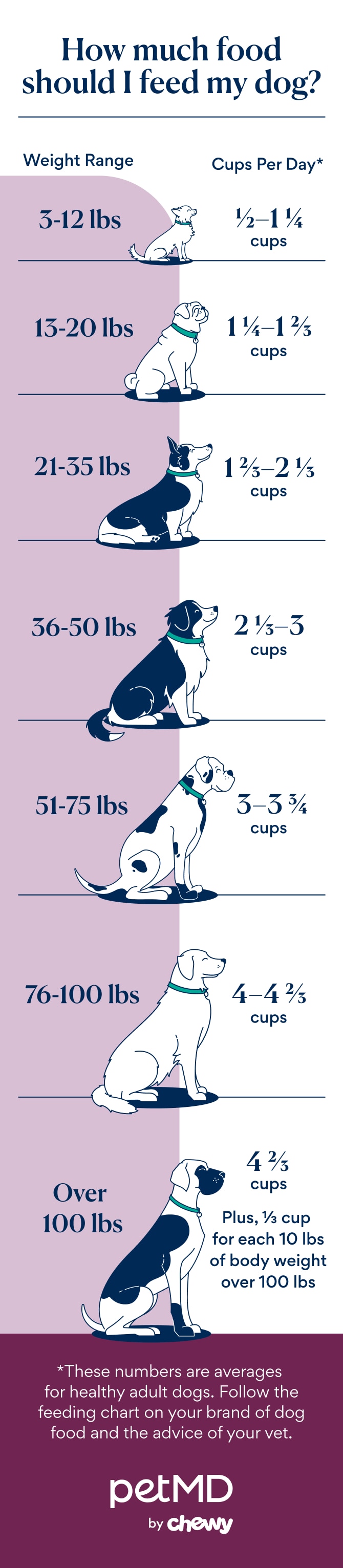
Adult dog food should have the right balance of protein and fat. Protein helps keep muscles healthy and strong. Fat gives energy and supports skin and coat health. Carbohydrates provide fuel for daily activities. Vitamins and minerals boost the immune system and overall health. Fiber helps with digestion and keeps your dog’s stomach happy. Look for foods that list meat as the first ingredient.
Special Dietary Considerations
Some dogs need special diets due to allergies or health problems. Dogs with sensitive stomachs may need limited ingredient foods. Older dogs might need food with joint support and fewer calories. Active dogs may require more protein and fat for energy. Check with your vet for advice on special diets. Adjust the food choice as your dog ages or their needs change.
Credit: www.petmd.com
Frequently Asked Questions
When Should I Switch My Dog To Adult Food?
Most dogs switch to adult food between 12 and 24 months. Small breeds may transition earlier, while large breeds may take longer. Consult your vet for breed-specific advice to ensure proper nutrition and healthy growth during this transition.
Why Is Timing Important For Changing Dog Food?
Switching too early or late can cause digestion issues or nutrient imbalance. Proper timing supports healthy development and maintains energy levels. Gradual transition helps your dog’s system adjust comfortably without upsetting their stomach or appetite.
How To Transition My Dog To Adult Food Smoothly?
Mix increasing amounts of adult food with puppy food over 7-10 days. Gradual change minimizes digestive upset and helps your dog adapt to new taste and texture. Monitor your dog’s reaction and consult a vet if issues arise.
Does Dog Breed Affect When To Give Adult Food?
Yes, breed size influences the switch age. Small breeds mature faster, needing adult food sooner. Large breeds grow slower and benefit from extended puppy nutrition. Tailor feeding schedules based on breed size for optimal health.
Conclusion
Choosing the right time to switch your dog to adult food matters. Most dogs are ready between one and two years old. Watch your dog’s size, weight, and energy for signs. Adult food helps meet their changing nutrition needs. Talk to your vet for personalized advice.
Changing food too early or late can cause problems. Stay patient and observe your dog’s health closely. This ensures a happy, healthy life for your furry friend.


