If your dog has kidney issues, you probably want to do everything right to help them feel better. But when it comes to their diet, things can get confusing.
You might have heard that grain free diets are better for dogs, but is that true for dogs with kidney problems? Choosing the wrong food could make your dog’s health worse. You’ll discover the facts about grain free diets and how they might affect your dog’s kidneys.
Keep reading to learn what you really need to know to keep your furry friend safe and healthy.
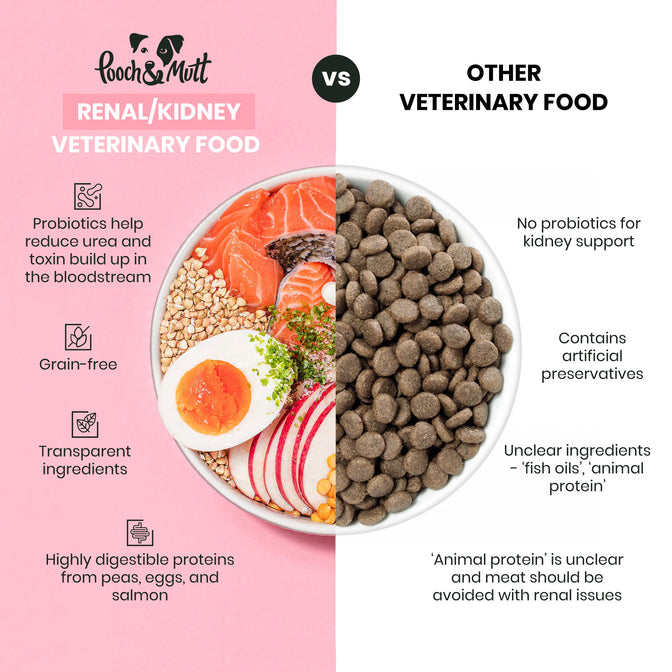
Credit: www.poochandmutt.co.uk
Grain Free Diets Explained
Grain free diets have grown popular among dog owners. These diets skip grains like wheat, corn, and rice. Instead, they focus on other ingredients. Many believe grain free foods are healthier for dogs. Understanding what grain free diets include helps decide if they suit dogs with kidney issues.
What Are Grain Free Diets?
Grain free diets avoid all cereal grains. These grains include wheat, barley, oats, and corn. The diet uses other sources of carbohydrates. These might be potatoes, peas, or lentils. Grain free dog food claims to reduce allergies. It also aims to improve digestion and skin health.
Some dogs have trouble digesting grains. Grain free options help these dogs eat comfortably. Many dog owners choose grain free diets for this reason. Yet, the diet’s effect on dogs with kidney problems is important.
Common Ingredients In Grain Free Foods
Grain free dog foods use a mix of proteins and vegetables. Common proteins include chicken, beef, fish, and lamb. Vegetables and legumes replace grains for energy. These include peas, sweet potatoes, and chickpeas. Some foods use fruits like blueberries or apples for vitamins.
Peas and lentils are popular in grain free recipes. They provide fiber and protein. Grain free foods often add fats from fish oil or flaxseed. These fats support skin and coat health. The choice of ingredients varies by brand and recipe.

Credit: www.poochandmutt.co.uk
Kidney Issues In Dogs
Kidney issues in dogs affect their ability to filter waste from the blood. The kidneys play a vital role in keeping dogs healthy by removing toxins and balancing fluids. When the kidneys do not work well, waste builds up in the body. This condition can lead to serious health problems and needs attention.
Signs And Symptoms
Dogs with kidney problems may show several signs. They often drink more water and urinate frequently. Loss of appetite and weight loss are common. Dogs may also seem tired or weak. Vomiting and bad breath can appear too. Early detection is key to managing the condition well.
Causes And Risk Factors
Kidney issues can arise from many causes. Aging is a common risk factor. Infections and toxins can damage the kidneys. Some dog breeds are more prone to kidney problems. Poor diet and dehydration also increase risks. Regular vet checkups help catch problems early.
Impact Of Grain Free Diets On Kidney Health
Grain free diets have gained attention for dogs with kidney issues. Their impact on kidney health is a key concern for many pet owners. Understanding how these diets affect kidney function helps make better choices for your dog’s health.
Nutritional Concerns
Grain free diets often replace grains with higher protein ingredients. This change can increase the workload on kidneys. Dogs with kidney problems may struggle to process excess protein. Low fiber content in these diets might affect digestion too. Balanced nutrition is critical to avoid stressing the kidneys.
Research Findings
Studies show mixed results about grain free diets and kidney health. Some research links grain free diets to kidney issues in dogs. Other studies find no direct connection. Limited data means more research is needed to understand the full impact. Monitoring kidney function during diet changes is important.
Potential Benefits And Risks
Grain free diets may reduce allergies in some dogs. They can improve coat and digestion for certain cases. Risks include higher protein levels that strain kidneys. Lack of grains might reduce some nutrients vital for kidney health. Careful selection and veterinary advice can balance benefits and risks.
Expert Opinions On Diet Choices
Choosing the right diet for dogs with kidney problems is a challenge. Experts have varied views on grain-free diets. Their insights help pet owners make smart food choices. Understanding these expert opinions is key to your dog’s health.
Veterinary Perspectives
Veterinarians often warn about grain-free diets for dogs with kidney issues. These diets can be low in essential nutrients needed for kidney support. Some vets say grain-free foods may increase kidney stress. They recommend diets rich in specific proteins and low phosphorus. Many vets suggest prescription diets designed for kidney care. Regular check-ups help adjust diets based on dog’s condition.
Nutritionist Recommendations
Pet nutritionists focus on balanced diets for kidney health. They emphasize whole foods with controlled protein levels. Some nutritionists find grain-free diets lack important fibers and vitamins. They advise including grains that support digestion and nutrient absorption. Nutritionists often promote diets with antioxidants and omega-3 fatty acids. These help reduce inflammation and improve kidney function.
Alternatives To Grain Free Diets
Dogs with kidney issues need special diets to support their health. Grain free diets are not the only option. Many alternatives exist that help protect kidney function while providing balanced nutrition. Choosing the right diet can improve your dog’s quality of life and manage symptoms effectively.
Kidney-friendly Ingredients
Some ingredients help reduce strain on the kidneys. Low phosphorus foods are important because phosphorus can worsen kidney damage. Ingredients like white rice, sweet potatoes, and barley provide energy without excess phosphorus. Moderate protein from quality sources like chicken or fish helps maintain muscle without overloading kidneys. Omega-3 fatty acids from fish oil reduce inflammation and support kidney health. Antioxidants from fruits such as blueberries and cranberries protect kidney cells from damage. These ingredients create a balanced diet that supports kidney function.
Commercial Diets For Kidney Health
Many pet food brands offer diets made for kidney problems. These diets have controlled protein and phosphorus levels. They also include added vitamins and minerals to support kidney function. Prescription diets are tested by veterinarians and designed for dogs with kidney disease. Choosing a commercial kidney diet can simplify meal planning and ensure proper nutrition. Always consult your vet before switching to a kidney-specific commercial diet. This ensures the diet matches your dog’s specific health needs.
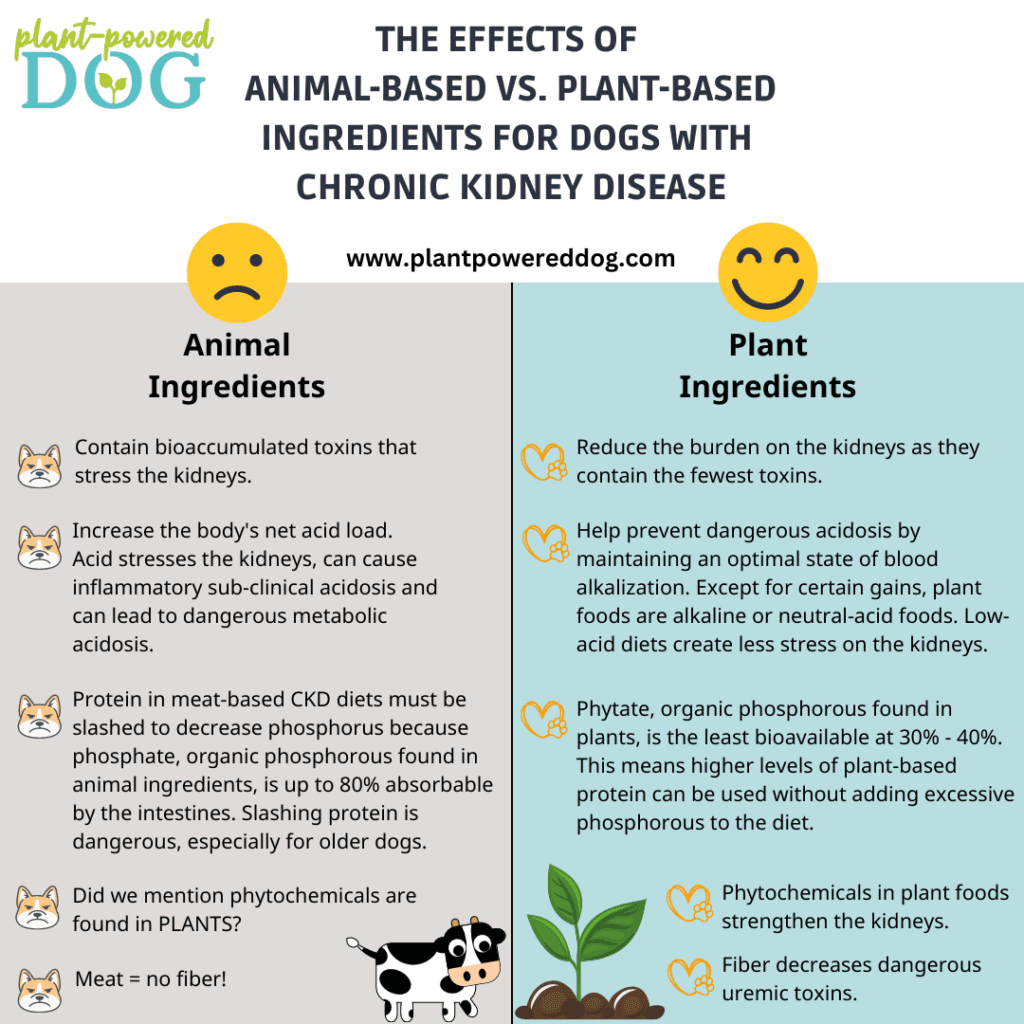
Credit: plantpowereddog.com
Tips For Managing Dog’s Kidney Health
Managing a dog’s kidney health requires careful attention and good habits. Dogs with kidney issues need special care to keep them comfortable and healthy. Small changes can make a big difference in their quality of life.
Proper diet and regular health checks are key steps. These help slow down kidney damage and support overall well-being. Below are practical tips to help you manage your dog’s kidney health effectively.
Dietary Adjustments
Choose foods low in protein and phosphorus. High protein strains the kidneys. Low phosphorus helps reduce kidney workload. Offer wet food to keep your dog hydrated. Avoid grain-free diets if your vet advises against them. Some grain-free foods lack important nutrients for kidneys. Fresh water should always be available. Small, frequent meals can ease digestion and reduce stress on kidneys.
Regular Vet Checkups
Schedule vet visits at least twice a year. Early detection can slow kidney disease. Blood tests and urine analysis are important. They show how well kidneys work. Follow your vet’s advice on medication and diet. Report any changes in your dog’s behavior or appetite. Regular checkups help adjust care as needed. Keep a health journal to track symptoms and progress.
Frequently Asked Questions
Are Grain Free Diets Harmful To Dogs With Kidney Issues?
Grain free diets can sometimes worsen kidney problems due to nutrient imbalances. Always consult your vet before changing your dog’s diet. Kidney health requires balanced minerals, which some grain free foods may lack. Proper vet guidance ensures safe dietary choices for dogs with kidney issues.
Why Do Vets Caution Against Grain Free Diets For Kidney Dogs?
Vets caution because grain free diets may lack essential nutrients for kidney function. Some grain free foods have higher protein and phosphorus levels, stressing kidneys. Vets recommend diets tailored to kidney health, often including controlled protein and minerals to prevent further damage.
Can Grain Free Diets Improve Kidney Disease In Dogs?
Grain free diets do not typically improve kidney disease. Kidney-friendly diets focus on low phosphorus, controlled protein, and balanced nutrients, not grain elimination. Always follow your vet’s advice for managing kidney disease, as diet plays a key role in slowing progression and maintaining health.
What Are The Risks Of Feeding Grain Free Food To Dogs?
Risks include nutrient imbalances, higher protein or phosphorus levels, and potential heart issues. Grain free diets may not provide all necessary nutrients for dogs with kidney problems. Proper diet formulation is crucial to avoid worsening kidney damage or other health complications.
Conclusion
Grain-free diets may not suit dogs with kidney problems. These diets can affect kidney health in different ways. Always watch your dog’s reaction to any diet change. Consult your vet before switching foods. Each dog’s needs are unique and deserve care.
Choosing the right diet helps support your dog’s health. Keep learning and stay attentive to your pet’s needs. Your dog’s well-being depends on smart food choices.