

You want the best for your furry friend, especially when it comes to their diet. But how do you know the right time to switch your dog from puppy food to adult food?
Feeding your dog the proper food at the right age is crucial for their health and happiness. If you switch too early or too late, it could affect their growth, energy, and overall well-being. Keep reading to discover the signs to watch for, the ideal timing, and expert tips to make this important change smooth and beneficial for your dog.
Puppy Growth Stages
Understanding your puppy’s growth stages helps you know when to switch to adult food. Puppies change fast. Each stage needs different care and nutrition. Feeding the right food supports healthy growth and development. Watch their progress closely. Recognize the signs they are ready for adult food.
From Newborn To Weaning
Puppies rely on their mother’s milk during the first few weeks. This milk gives all the nutrients they need. Around 3 to 4 weeks, puppies start tasting solid food. This phase is called weaning. Introduce soft puppy food gradually. It helps their digestive system adjust. Weaning is a slow process. Puppies still nurse but also eat soft food.
Rapid Growth Phase
Between 6 weeks and 6 months, puppies grow very fast. They need food rich in protein and calories. This phase builds strong muscles and bones. Puppy food supports this rapid growth better than adult food. Feeding adult food too early can slow growth. Keep giving puppy food through this important phase.
Signs Of Maturity
Puppies show signs when they near maturity. Their growth slows down. Teeth are fully grown and strong. Energy levels stabilize. Most dogs reach maturity between 9 and 12 months. Large breeds may take longer. At this stage, switch to adult food. It meets their changing nutritional needs better.
Credit: fit-the-foot.com
Age Guidelines For Switching
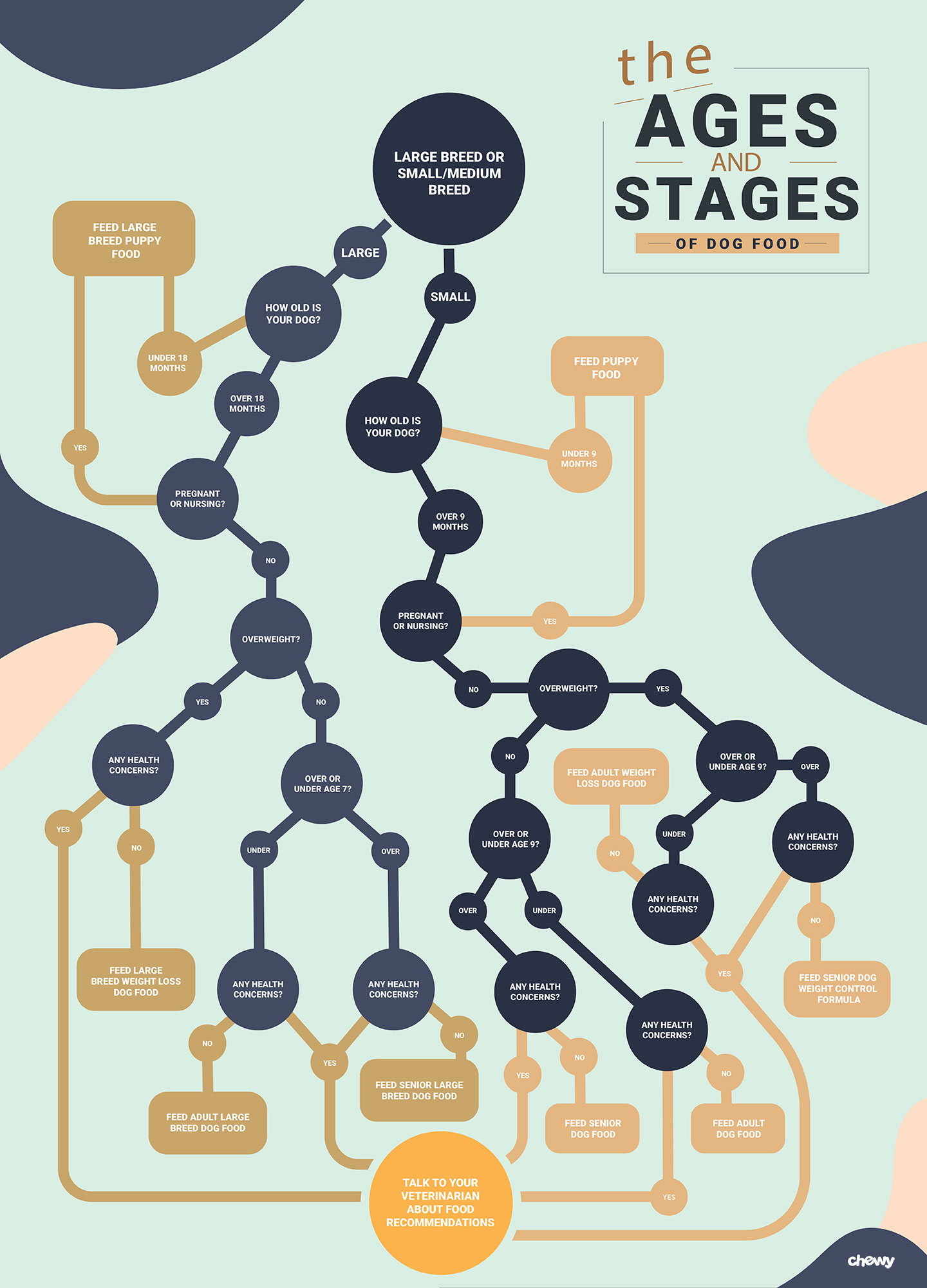
Knowing the right age to switch your dog to adult food is important for their health. Puppies grow at different rates. Their nutritional needs change as they get older. Feeding adult food too early or too late can cause problems. Follow breed-specific timelines for the best results.
Small Breed Timelines
Small breed dogs mature faster than larger breeds. They usually switch to adult food around 9 to 12 months. Some small breeds may be ready as early as 8 months. Watch their growth and energy levels to decide the best time.
Medium Breed Timelines
Medium breeds grow at a steady pace. Most can switch to adult food between 12 and 14 months. Their bones and muscles need time to develop fully. Make sure your dog is healthy and active before changing their diet.
Large Breed Timelines
Large breed dogs take longer to mature. They usually need puppy food until 12 to 18 months old. Their growth plates close later than smaller dogs. Feeding adult food too soon can harm their joints and bones.
Nutritional Differences
Understanding the nutritional differences between puppy and adult dog food helps with a smooth diet change. Puppies need special nutrients for their fast growth and energy. Adult dogs have different needs to keep them healthy and active. Knowing these differences guides you on the right time to switch foods.
Puppy Vs Adult Food Composition
Puppy food has more protein and fat than adult food. These nutrients support muscle and brain development. Puppy food also includes higher calories for their energy needs. Adult food has balanced nutrients for maintenance, not growth. It contains fewer calories to prevent weight gain.
Essential Nutrients For Growth
Puppies need extra calcium and phosphorus for strong bones. They also require DHA, a fatty acid, for brain health. Adult dogs need nutrients to maintain their body and immune system. Both foods have vitamins and minerals, but in different amounts.
Energy Requirements
Puppies burn more energy due to rapid growth and play. Their food must provide enough calories to support this. Adult dogs have slower metabolisms and less energy demand. Feeding adult food too early may cause nutrient shortages. Feeding puppy food too long may lead to weight gain.

Credit: www.scala-santa.com
Health And Development Factors
Choosing the right time to switch your dog to adult food depends on many health and development factors. Each dog grows at its own pace. Watching these signs helps you make the best choice.
These factors include weight, size, teeth, and energy levels. They all show your dog’s readiness for adult food.
Weight And Size Considerations
Large breed dogs grow slower than small breeds. Small dogs may be ready for adult food around 9 to 12 months.
Large breeds often need puppy food longer, up to 18 or 24 months. This helps avoid problems like joint issues.
Monitor your dog’s weight closely. Avoid switching food too early or late. Balanced growth is key to good health.
Dental Development
Teeth show clear signs of growth stages. Puppies start losing baby teeth around 3 to 6 months.
Adult teeth should be fully grown by 7 months. Strong teeth make eating adult food easier.
Check your dog’s mouth regularly. Healthy teeth support the switch to adult food.
Activity Levels
Active dogs burn more energy. They need food that matches their activity level.
Less active dogs need fewer calories. Adult food formulas vary by energy needs.
Watch your dog’s play and rest times. Adjust food type and amount based on activity changes.
Transitioning Process
Switching your dog from puppy food to adult food needs care and patience. The transition process helps your dog adjust without tummy troubles. A smooth change supports good digestion and keeps your dog happy and healthy. Follow easy steps to make this change comfortable for your pet.
Gradual Food Introduction
Start by mixing a small amount of adult food with puppy food. Slowly increase adult food over 7 to 10 days. This helps your dog’s stomach get used to the new taste and nutrients. Avoid sudden changes to prevent stomach upset or refusal to eat.
Monitoring Digestive Health
Watch your dog’s stool and appetite during the switch. Soft stools or diarrhea may show your dog needs more time. If problems last over a few days, reduce adult food and try slower changes. Healthy digestion is key to a happy transition.
Adjusting Portions
Adult dogs need fewer calories than puppies. Measure food based on your dog’s weight and activity level. Adjust portions as your dog grows and becomes less active. Feeding the right amount keeps your dog fit and avoids weight gain.
Veterinarian Advice
Veterinarian advice is important when deciding to switch your dog to adult food. Vets know about your dog’s health and growth. They help choose the right time and food type. This advice keeps your dog healthy and strong.
When To Consult A Vet
Ask a vet before changing your dog’s diet. Puppies grow at different speeds. Some need adult food sooner or later than others. A vet checks your dog’s weight and health. They tell you the best time to switch food.
Customizing Diet Plans
Every dog is unique. Vets create diet plans just for your dog. They choose food based on size, breed, and activity level. A good plan helps your dog get all needed nutrients. This keeps your dog happy and active.
Addressing Special Needs
Some dogs have special health problems. These may need special food or supplements. Vets spot these needs early. They suggest foods that support healing and strength. Special care helps dogs live longer, healthier lives.
Common Mistakes To Avoid
Switching your dog from puppy food to adult food is important. Many pet owners make common mistakes during this change. These errors can affect your dog’s health and growth. Avoiding these mistakes helps your dog stay healthy and strong. Pay attention to timing, breed needs, and portion sizes for a smooth switch.
Switching Too Early Or Late
Changing your dog’s food too early can cause stomach problems. Their body may not get enough nutrients. Switching too late can lead to obesity or poor growth. Follow your vet’s advice on the right age. Most dogs switch between 9 and 12 months, but it varies.
Ignoring Breed Differences
Different breeds grow at different speeds. Large breeds need adult food later than small breeds. Ignoring these differences can harm your dog’s development. Learn your breed’s growth pattern. Choose food that fits your dog’s size and needs.
Overfeeding Risks
Adult food has more calories than puppy food. Giving too much can cause weight gain. Overfeeding can lead to joint problems and low energy. Measure your dog’s food carefully. Adjust portions based on activity level and weight.
Credit: www.bluebuffalo.com
Frequently Asked Questions
When Is The Right Age To Switch To Adult Dog Food?
Most dogs transition to adult food between 12 to 18 months old. Large breeds may switch closer to 18 months. Consult your vet for breed-specific timing to ensure balanced nutrition and healthy growth.
How Do I Know If My Dog Is Ready For Adult Food?
Signs include slowed growth, less puppy energy, and changes in weight. Your vet can confirm readiness by assessing your dog’s health and development.
Can Switching Dog Food Too Early Cause Problems?
Yes, switching too soon may lead to digestive issues or nutrient imbalances. Always transition gradually and consult your vet to avoid health risks.
What Are The Benefits Of Adult Dog Food Over Puppy Food?
Adult dog food has balanced nutrients for maintenance, not growth. It supports energy levels, weight management, and joint health appropriate for mature dogs.
Conclusion
Switching your dog to adult food depends on their age and breed size. Most dogs start adult food between 9 and 12 months. Large breeds may take longer, sometimes up to 18 months. Watch your dog’s growth and energy for clues.
Healthy eating supports strong bones and good health. Always choose quality food made for adult dogs. Consult your vet to make the best choice. Feeding the right food helps your dog stay happy and active. Keep an eye on their needs as they grow.
The right timing makes a big difference.


