

You want the best for your 12-week-old puppy, especially when it comes to feeding. But you might be wondering, can your little furball eat adult dog food?
Choosing the right food now can shape your puppy’s health and happiness for years to come. Keep reading to discover why feeding your puppy the right diet matters and what you should consider before making the switch. Your puppy’s future starts with what’s in their bowl today.
Nutritional Needs Of Puppies
Puppies need special food to support their fast growth and strong health. Their bodies are building bones, muscles, and organs quickly. Proper nutrition helps them develop well and stay active. Feeding the right food at the right time is very important.
Puppies have different needs than adult dogs. Their food must have more energy and nutrients. This helps them grow big and healthy without problems. Understanding what puppies need in their diet helps owners choose the best food.
Growth Requirements
Puppies grow fast during the first months. They need more calories than adult dogs. These extra calories give energy for play and learning. Growth also requires more protein. Protein builds strong muscles and tissues. Puppies need food with balanced fats too. Fats provide fuel and help brain growth. Feeding less or adult food slows growth. Good puppy food matches their energy and growth needs.
Key Nutrients For Development
Protein is vital for building muscles and cells. Puppies need higher protein than adult dogs. Calcium and phosphorus strengthen bones and teeth. Too little or too much harms growth. DHA, a type of fat, helps brain and eye development. Vitamins and minerals support the immune system. Puppy food contains these nutrients in the right amounts. This supports healthy skin, coat, and overall health.

Credit: www.iams.com
Differences Between Puppy And Adult Dog Food
Puppy food and adult dog food serve different purposes. Puppies need more nutrients to grow strong and healthy. Adult dogs need food to maintain their health and energy. Feeding the right food helps your dog stay happy and active. Understanding the differences between puppy and adult dog food is important. This helps you choose the best diet for your 12-week-old puppy.
Calorie And Protein Levels
Puppy food has more calories than adult dog food. Puppies burn a lot of energy while growing. Higher calories support their rapid growth and playtime. Protein levels are also higher in puppy food. Protein helps build strong muscles and tissues. Adult dog food has fewer calories and less protein. This matches their slower metabolism and lower energy needs.
Vitamin And Mineral Content
Puppy food contains extra vitamins and minerals. These nutrients support bone growth and brain development. Calcium and phosphorus are important for strong bones. Puppies need more of these minerals than adult dogs. Adult dog food has balanced vitamins and minerals for maintenance. It does not support growth as much as puppy food does.
Risks Of Feeding Adult Food To Puppies
Feeding adult dog food to a 12-week-old puppy can cause several risks. Puppies have special needs that adult food does not meet. Their growing bodies require extra care and nutrition. Feeding the wrong food can harm their development and health. Understanding these risks helps you give the best to your puppy.
Potential Nutritional Deficiencies
Puppies need more protein, fat, and vitamins than adult dogs. Adult dog food often lacks these nutrients in the right amounts. This can cause your puppy to miss important nutrients. Missing nutrients can weaken their immune system. It may slow down muscle and bone growth. Puppies need balanced nutrition to build strong bodies.
Impact On Growth And Health
Adult food can affect your puppy’s growth negatively. It may not support their rapid development. Puppies need higher calories for energy and growth. Without enough calories, they can become weak and tired. Incorrect nutrition can lead to health problems later. Feeding adult food may cause digestive issues. It can also increase the risk of obesity or malnutrition.
When Adult Dog Food Might Be Suitable
Adult dog food is usually designed for fully grown dogs. Puppies, especially young ones, need more nutrients for growth. Yet, some situations may allow a 12-week-old puppy to eat adult dog food. These cases are rare but important to understand.
Special Circumstances
Some puppies may have health issues requiring adult dog food. Puppies with certain allergies or digestive problems might need a special diet. Adult dog food could be easier on their stomachs. Also, some adult formulas are made for sensitive digestion. These foods might suit a puppy with specific needs. Always watch the puppy’s weight and energy levels closely.
Consulting A Veterinarian
A vet’s advice is key before feeding a puppy adult dog food. They can assess the puppy’s health and growth needs. Vets may recommend adult food for short periods or specific health reasons. They help prevent nutritional gaps or problems. Follow their guidance to keep the puppy healthy. Regular check-ups ensure the diet fits the puppy’s development.
Transitioning From Puppy To Adult Food
Transitioning a puppy from puppy food to adult dog food is an important step in their growth. This change affects their health, digestion, and energy. Puppies need more nutrients than adult dogs. Their food supports fast growth and development. Adult dog food suits dogs with slower growth and different nutritional needs. Moving too soon or too fast can upset your puppy’s stomach. Careful planning helps your puppy adjust smoothly.
Timing The Switch
Puppies usually switch to adult food between 9 and 12 months. Small breeds may switch earlier, around 9 months. Large breeds might need puppy food longer, up to 12 months. A 12-week-old puppy is still very young. It should stay on puppy food for now. Check your vet’s advice for the best timing. Watch your puppy’s size and health before switching. Rushing the change can cause poor growth or weight issues.
Gradual Feeding Strategies
Start by mixing a small amount of adult food with puppy food. Increase the adult food portion slowly over 7 to 10 days. This helps your puppy’s stomach adjust to the new food. Watch for any signs of upset stomach or allergies. Keep fresh water available at all times. Avoid sudden changes in diet. Gradual change reduces stress and digestive problems. Consistency in feeding time and portion sizes is key.
Alternative Feeding Options
Choosing the right food for a 12-week-old puppy is important. Adult dog food may not meet all their needs. Alternative feeding options can provide the right nutrients for growth and health. These options offer balanced nutrition tailored for puppies.
Puppy-specific Diets
Puppy-specific diets are made to support growth and development. They have more protein, fat, and vitamins than adult food. These diets help build strong bones and muscles. Many brands offer dry and wet puppy food formulas. Feeding puppy food ensures your pet gets the right nutrients at this stage.
Homemade And Raw Diets
Homemade and raw diets let you control what your puppy eats. You can prepare meals using fresh meat, vegetables, and grains. These diets require careful planning to meet all nutrient needs. Raw diets include uncooked meats and bones. Consult a vet before starting homemade or raw feeding. This approach can be healthy if balanced properly.
Signs Of Nutritional Issues In Puppies
Puppies need the right nutrients to grow healthy and strong. A 12-week-old puppy eating adult dog food might miss essential vitamins and minerals. Watching for signs of nutritional issues helps keep your puppy safe. Early detection can prevent serious health problems.
Behavioral And Physical Indicators
Look for changes in your puppy’s behavior or body. A tired puppy that lacks energy may not be getting enough nutrients. Poor appetite or refusal to eat adult food can signal a problem. Watch for slow growth or weight loss. Dull coat and dry skin often show poor nutrition. Weak bones or trouble walking could mean missing minerals.
When To Seek Professional Help
Contact your vet if you notice unusual signs. Sudden vomiting or diarrhea needs prompt attention. If your puppy stops eating or drinking, do not wait. Persistent coughing or breathing problems may relate to nutrition. Regular vet check-ups help catch problems early. A vet can recommend the best diet for your puppy’s age and health.
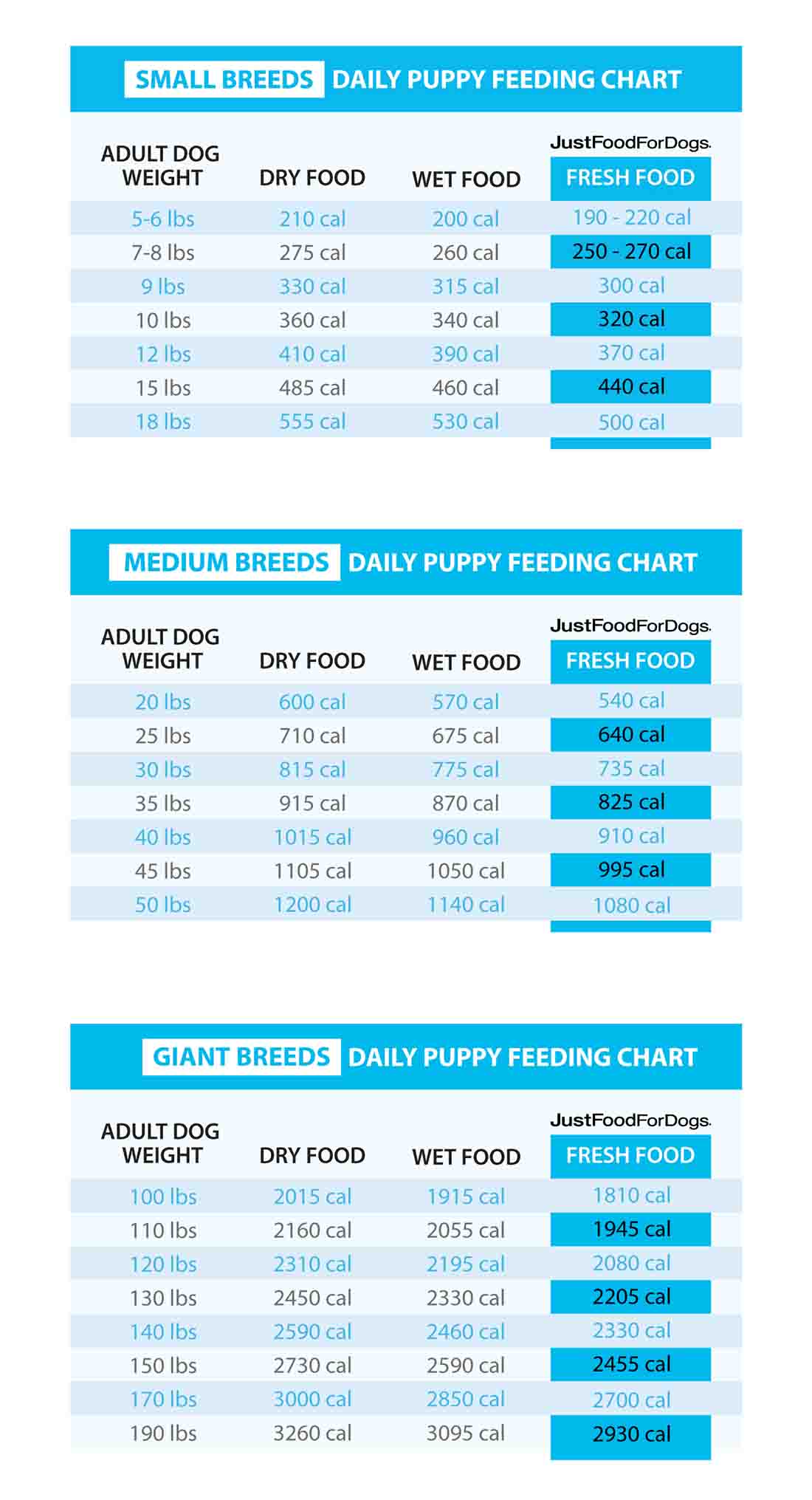
Credit: www.justfoodfordogs.com
:strip_icc()/puppy-development-from-8-to-12-weeks-4586406-a1020bbba77248b48a177f86481c5e42.jpg)
Credit: www.thesprucepets.com
Frequently Asked Questions
Can A 12 Week Old Puppy Eat Adult Dog Food?
A 12 week old puppy should not eat adult dog food. Puppy food has essential nutrients for growth that adult food lacks. Feeding adult food can lead to nutritional deficiencies and slow development. Always choose puppy-specific food for optimal health.
What Happens If A Puppy Eats Adult Dog Food?
If a puppy eats adult dog food, it may miss key nutrients needed for growth. This can cause weak bones and poor immune function. Occasional small amounts might be okay, but regular feeding of adult food is not recommended for puppies.
When Can A Puppy Switch To Adult Dog Food?
Puppies can switch to adult dog food between 12 to 18 months. The exact time depends on breed size and vet advice. Small breeds mature faster, while large breeds need more time. Gradual transition helps avoid digestive upset.
Is Adult Dog Food Safe For Small Breed Puppies?
Adult dog food is not safe for small breed puppies. They need higher calories, protein, and fat found in puppy formulas. Feeding adult food can stunt growth and energy levels. Always use puppy food designed for small breeds.
Conclusion
A 12-week-old puppy needs food made just for growing dogs. Adult dog food lacks some nutrients puppies require. Feeding adult food too soon can hurt your puppy’s health. Stick to puppy food until they are older. This helps them grow strong and healthy.
Always check with your vet before changing food. Your puppy’s health depends on good nutrition. Choose wisely to give your puppy the best start.


